

Hair Transplant Cost in Turkey 2026: Grafts, Packages, Hidden Fees and Real Budget
Hair transplant price and cost vary depending on grafts, technique, and clinic, offering affordable options with high-quality results in Turkey
Homepage

Patient Guide
Hair Transplant Price


Hair Transplant Price and Cost in Turkey
There is no single, fixed hair transplant cost in Turkey. Your final price depends on the required graft count, the surgical method like FUE or DHI, and the doctor's involvement. Most established centers provide all-inclusive packages that bundle the surgery, hotel, and transfers, making it much more predictable than paying per graft.
Introduction: Why Hair Transplant Cost Is More Than the Surgery Price
If you've started comparing hair transplant prices in Turkey, you've probably noticed something confusing. One clinic advertises a procedure for under $2,000, while another asks more than twice that amount. At first glance, they might seem like the exact same treatment.
They rarely are.
The biggest mistake patients make is staring only at that initial sticker price. But the surgery fee? That is just one piece of the puzzle. The true amount leaving your bank account depends on exactly how many grafts you need, the specific extraction tools used, and who is actually holding those tools. Then you have to factor in the hidden fees. Flights. Extra hotel nights. Blood tests. Post-op meds.
Yes, booking a flight to Istanbul offers significant financial advantages compared to staying local. But when it comes to surgically altering your face, chasing the cheapest deal is a terrible idea. Let's break down the real budget so you know exactly what to expect in 2026.
Quick Answer: How Much Does a Hair Transplant Cost in Turkey?
At first glance, you can notice that the numbers are very variable. One clinic advertises a package for under $2,000. But the other clinic may offer more than twice that amount. The difference isn't random. Before comparing prices, you have to compare what's included in those all-inclusive packages. And have to understand why the cheapest option isn't always the best value. Because sometimes these promises are just for selling.
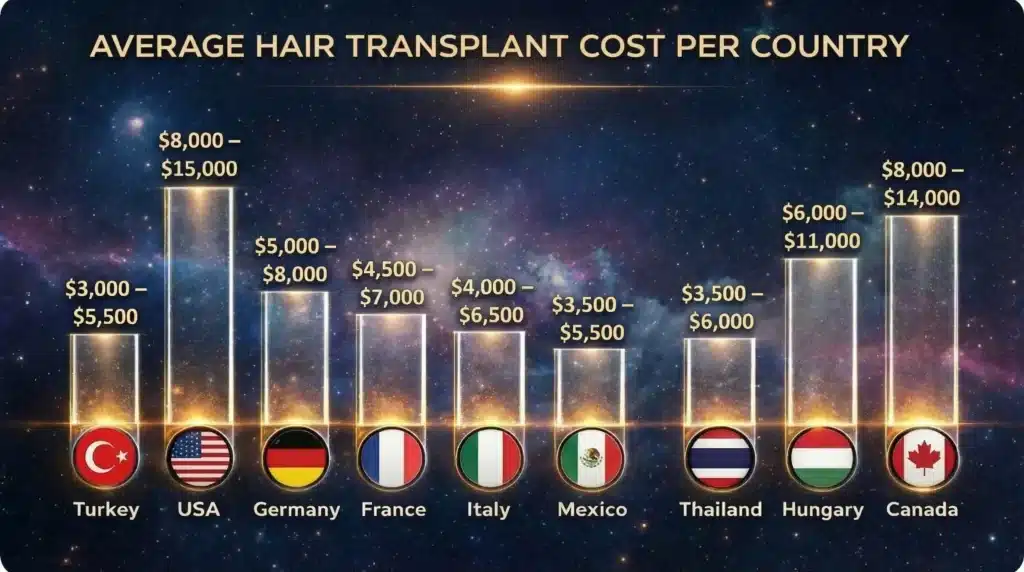
Hair Transplant Prices by Country
Hair transplant prices vary significantly by country, with nations like the United States and the UK offering higher-cost procedures, while countries such as Turkey provide more affordable options without compromising quality. Factors like clinic reputation, surgeon experience, and included services greatly influence the overall cost, making it important for patients to compare both price and value when choosing a destination.
 Hair Transplant Turkey Hair Transplant Turkey | € 2,390 – € 3,290 |
 Hair Transplant England Hair Transplant England | € 6,690 – € 31,500 |
 Hair Transplant USA Hair Transplant USA | € 11,300 – € 26,200 |
 Hair Transplant Germany Hair Transplant Germany | € 6,100 – € 13,200 |
 Hair Transplant Spain Hair Transplant Spain | € 5,700 – € 15,500 |
 Hair Transplant France Hair Transplant France | € 7,500 – € 15,700 |
 Hair Transplant Ireland Hair Transplant Ireland | € 6,700 – € 23,000 |
In conclusion, hair transplant prices vary worldwide, but choosing a destination should not be based on cost alone. Quality, expertise, and overall patient experience are key factors for achieving safe and natural-looking results.
Average Cost Range and What It Usually Includes
So why the wild price gap? Let's talk about safety.

A rock-bottom $1,200 quote usually means unlicensed techs are running the show in a high-volume "mill" where they churn out twenty patients a day. Higher quotes reflect a completely different reality. You are paying for a real surgeon, strict hygiene, advanced microscopes to sort your grafts, and actual aftercare. You really won't know your exact number until a specialist looks at your donor area and hairline.
Hair Transplant Package Prices
Ready To
Book Your Appointment?
Reach out to us or complete our simple online form
and we’ll contact you to schedule a time that works perfectly for you.




Frequently Asked Questions
Price Popular Questions
Hair Transplant Price by Technique: FUE, DHI, Sapphire FUE and Hybrid Options
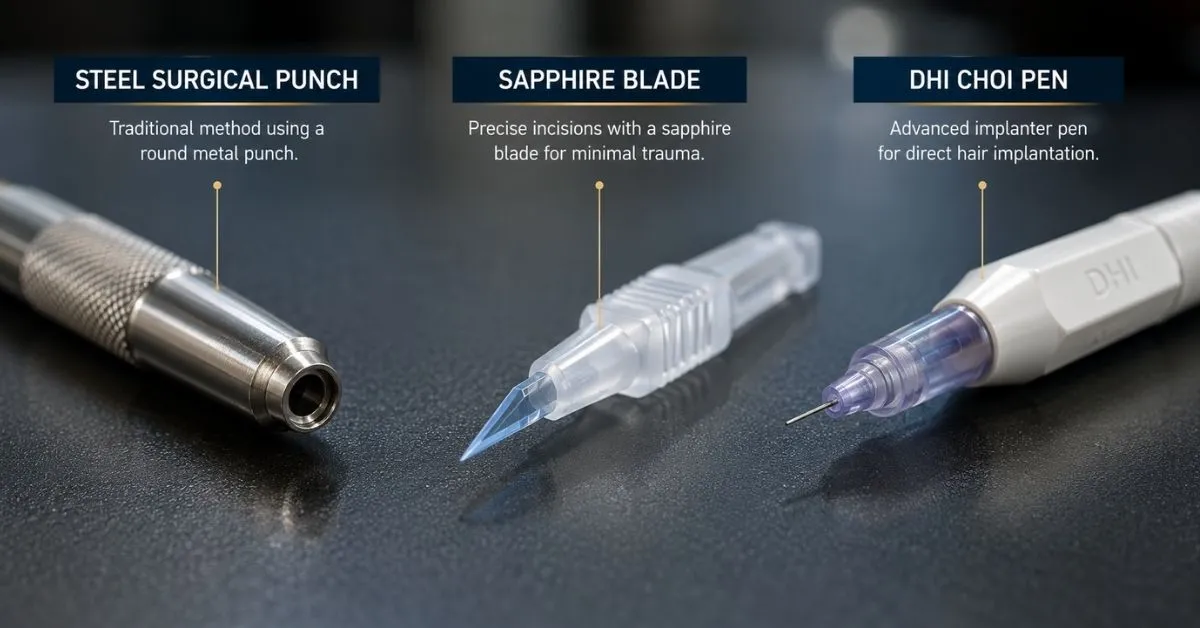
The tools your doctor uses will heavily sway the final bill. Not every scalp needs the same approach.
FUE Hair Transplant Cost in Turkey
Standard FUE (Follicular Unit Extraction) is the bread and butter of the industry. Because a good team can harvest and plant these grafts fairly quickly, this option normally sits at the lower end of the pricing spectrum. It works, it's proven, and it's efficient.
DHI Hair Transplant Cost in Turkey
DHI (Direct Hair Implantation) is a different beast. With this method, the team loads your grafts into a Choi implanter pen and injects them directly into the scalp. It takes considerably longer. It demands intense focus.
Because of the extra time and manpower, DHI almost always costs more. It is often recommended for guys who just need a dense hairline and refuse to shave their existing hair.
Sapphire FUE, Hybrid and Robotic Options
Then you have Sapphire FUE. Instead of standard steel blades, the surgeon uses synthetic sapphire to open the channels. It creates less trauma and scabs less, so clinics charge a small premium for it.
Sometimes, for a really complex case, we mix Sapphire for the big bald spots and DHI for the delicate hairline work. And what about those robotic machines? Sure, they sound incredibly sci-fi. But the machines cost a fortune to run, and that overhead gets passed directly to your wallet—often without looking any better than a procedure done by a skilled human hand.
Hair Transplant Cost per Graft vs All-Inclusive Packages
How a clinic decides to bill you changes everything. The pricing models between the US and Turkey are worlds apart.
What Is Per-Graft Pricing?
In places like the US or the UK, doctors charge by the hair. Literally. If a clinic charges $5 a graft and you need a massive 4,000-graft session, you just hit $20,000. This model punishes guys who have lost a lot of hair.
What Is Included in an All-Inclusive Package?
Turkey flipped this script years ago by introducing the bundled package. Instead of doing math for every follicle, they give you a flat rate. These packages normally cover your medical fees, the blood tests, a couple of nights in a nice hotel, private drivers to get you around the city, your first hair wash, and the meds you need for the first week.
Which Pricing Model Is Better?
If you are flying across the globe, the package model is a lifesaver. You know exactly what you'll spend before you even pack your bags. Just make sure to get the exact inclusions in writing so nobody hands you a surprise bill for anesthesia on the morning of your surgery.

Hair Transplant Cost by Graft Count: 2,000 to 5,000 Grafts
Even with a flat-rate package, the sheer amount of work you need still affects the plan.
2,000 Grafts Hair Transplant Cost
A 2,000-graft day is a breeze. It's usually for younger guys just trying to fill in some light temple recession. Quick, easy, and less demanding on your donor area.
3,000 Grafts Hair Transplant Cost in Turkey
This is the classic session. If you are wondering how much it costs to get 3000 hair grafts in Turkey, you probably have a receding hairline and some thinning up top. It fits perfectly into one day of surgery.
4,000 Grafts Hair Transplant Cost
Moving up to 4,000 grafts means we are dealing with serious baldness. We are covering the front and working our way all the way back to the crown. This takes a lot of stamina from the surgical team.
5,000 Grafts Hair Transplant Cost Turkey
A 5,000-graft job is massive. Some ethical clinics will actually refuse to do this in a single day and will split it over two consecutive days so the grafts don't die outside the body.
Is 6,000 grafts too much? Yes. Any clinic offering to pull 6,000 grafts in one afternoon is going to destroy the back of your head. It causes severe overharvesting. Don't do it.
All-Inclusive Hair Transplant Packages in Turkey
An all-inclusive package can make the whole trip easier to organize, especially if you're coming to Turkey from another country. Just keep in mind that packages can vary quite a bit. One clinic may include services that another charges separately, so always check the details before comparing prices.
What Is Included in the Package?
A typical package may include the surgery, local anesthesia, a 2- to 3-night hotel stay, airport and clinic transfers, translator support, and a basic aftercare kit with shampoo. The exact list depends on the clinic, so don't assume every package covers the same things.
Are Flights Included?
Usually, no.
It's easy to see why. A patient flying from London might spend a few hundred dollars on a ticket, while someone coming from Los Angeles could spend considerably more. Rather than building unpredictable airfare costs into the package, clinics generally leave flights to the patient. You'll need to book and pay for your own tickets.
What Is Usually Not Included?
This is where the small extra costs can catch people out. A companion may mean an additional hotel charge, for example. PRP or other optional treatments may also be offered separately. Ask for a full list of included and excluded services before you book.
Hidden Costs of a Hair Transplant in Turkey

Most of the patients only focus on the surgery itself. But have to keep in mind that's only part of the total budget. The total price can vary due to travel, accommodation, and a few unexpected extras. To avoid unpleasant surprises, before booking, plan all of these steps.
Travel, Visa, Food and Daily Expenses
Before booking, don't forget to budget for:
- flights and visas
- food outside the hotel
- travel insurance
- unexpected extra hotel nights
Adjunctive Therapies and Extra Grafts
Sometimes doctors suggest stem cell therapy or extra PRP sessions to boost your results. Find out if that is bundled or separate. What if the doctor realizes you need 300 more grafts once they start drawing your hairline? Will they charge you more on the spot? Ask before you sit in the chair.
Repair Surgery and Long-Term Maintenance
Here is a harsh truth. A cheap botched surgery is the most expensive thing you will ever buy because the repair surgery costs a fortune. Also, don't forget the long game. You'll likely need to buy Minoxidil or Finasteride for years to keep your old, non-transplanted hair from falling out.
Hair Transplant Cost Turkey vs USA, UK and India
Turkey is widely known for offering relatively affordable hair transplant treatment, but the price difference makes more sense when you compare the markets side by side. Looking at Turkey alongside the USA, UK, and India gives you a better idea of where the savings actually come from.
Turkey vs USA Cost Comparison
In cities such as New York or Miami, a 3,000-graft FUE procedure can easily cost more than $12,000. In Istanbul, advertised package prices can be considerably lower, with some clinics quoting around $2,500 to $4,500 depending on the treatment plan and what's included.
The difference isn't necessarily about the surgical tools themselves. Operating costs, staffing, clinic overhead, and the way procedures are priced all play a part.
Turkey vs UK Cost Comparison
British patients face the exact same problem. Harley Street clinics charge ridiculous premiums. It makes total financial sense for a guy from London to book a flight to Istanbul, get a nice hotel, and have the surgery for less than half the price.
Turkey vs India Cost Comparison
India has definitely become a budget player recently. You might find slightly cheaper quotes in New Delhi. But Turkey has spent twenty years building an entire medical tourism empire. The logistics, the private transportation, the hospital standards—it is just far more streamlined in Turkey.
Is a Hair Transplant in Turkey Worth It?
Cost is a major reason international patients consider Turkey, but it's not the only thing worth looking at. The more important question is whether the treatment, surgeon involvement, aftercare, and travel arrangements offer good value for the money you're spending.
Why Pricing Is More Accessible
The prices are great because the exchange rate heavily favors foreign currencies. Plus, the government actively subsidizes medical tourism to bring patients in.
Identifying Clinical Risks
But cheap can quickly turn dangerous. We see guys who went to the cheapest clinic they could find and came back with nasty scalp infections, depleted donor areas, and hairlines that look like doll hair.In some high-volume clinics, limited physician involvement and excessive daily patient numbers may increase the risk of poor outcomes.
Evaluating Value Over Price
Stop looking for the lowest number. Look for value. Find a clinic where a real doctor designs the hairline, where they promise to protect your donor area, and where the hygiene standards are spotless
Recovery Timeline and Travel Considerations
VIDEO 1 - A step-by-step patient video outlining the standard recovery timeline from Day 1 post-surgery through Month 12 full maturation.
Recovery begins as soon as your procedure is finished. While most patients are back to light daily activities within a few days, full hair growth takes much longer. Knowing what happens at each stage helps you plan your trip, manage expectations, and avoid unnecessary stress after surgery.
Typical Recovery Timeline
Day 1 is all about the surgery. Days 2 and 3 are for your first wash. Between days 7 and 10, the ugly scabs on your head will start to dry up and fall off.
Work, Exercise, and Travel Restrictions
Most guys fly home 48 hours after the procedure. If you work at a desk, you can probably log back on in about a week.
But what about the gym? When can I exercise after a hair transplant? Light cardio is okay after two weeks. Heavy lifting or boxing? Wait at least 30 days so you don't pop a graft out.
Growth Timeline and Expectations
You need serious patience. Around week 3, you will experience "shock loss." All the new hair falls out. Don't panic; it's normal. The real growth kicks in around month 4. You'll look great at month 8, but the final, matured result takes a full 12 to 18 months
How Long Does a Hair Transplant Last?
Is this a permanent fix?
The answer depends on which hairs we're talking about and how your existing hair loss progresses over time.
What Happens Long-Term?
Hair taken from the back of your head resists the hormone that causes baldness. For most patients, those specific hairs will stay there for life.
That's the good news.
The Role of Native Hair Loss
The bad news is that your original hair right behind the transplant might keep falling out as you age. Ten years from now, you might have a bald gap. This is why a lot of guys end up needing a second surgery later in life, or they get on preventative meds to stop the original hair from dying.
Risks, Downsides and Bad Candidates

Let's stop talking about cost for a second and talk about reality. Not everyone is cut out for this.
Understanding the Limitations
It is a surgical procedure. You might deal with some numbness for a few months. You could get pimples as the hair pushes through. And if the clinic is bad, they might leave visible scars on the back of your head.
Who Is Not an Ideal Candidate?
If you are 21 years old and losing hair rapidly, you should not get surgery yet. Your hair loss hasn't stabilized. Also, if the hair on the back of your head is already super thin, a surgeon simply doesn't have enough "donor paint" to cover the bald canvas on top.
Managing Expectations
Patients usually regret it for two reasons. They pick a terrible, cheap clinic or demand a teenage hairline that looks completely artificial and not age-appropriate. Before the procedure, patients' expectations and surgical outcomes have to be clear between the patient and the surgeon.
Why Is Gen Z Experiencing Early Hair Loss and Will Baldness Be Cured by 2026?
We are seeing a substantial wave of guys in their early twenties freaking out about hair loss. And this question comes up: Are they balding faster than older generations?
Genetics haven't changed. But lifestyles have. Terrible sleep, crazy stress levels, vaping (which chokes off blood supply), and highly processed diets are wrecking hair cycles. Plus, Gen Z is staring at themselves on high-def phone cameras all day. They notice a receding hairline way earlier than guys did in the 90s.
So, will someone invent a magic cure by 2026? Nope. A single-shot cure just doesn't exist yet on the commercial market. For now, young guys have to rely on proven methods like Minoxidil, Finasteride, and eventually surgery when they are older.
How to Choose the Right Clinic for Your Budget
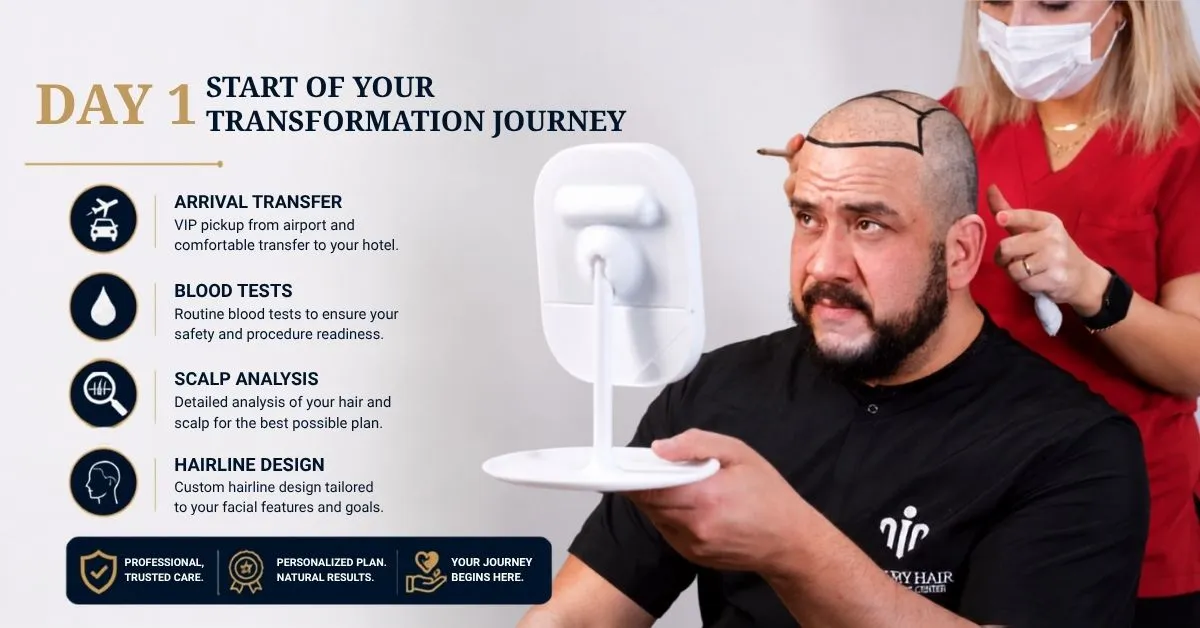
Scoring a great price means absolutely nothing if the surgery goes wrong. You need to vet the clinic before handing over any money:
Who is operating? Make sure a real doctor makes the incisions, not just a room full of rotating technicians.
What is the limit? Ask how they protect the back of your head from over-extraction.
Is everything in writing? Get all costs and package details on paper.
Can I see a video? Don't trust immediately-after photos. Ask for video results from 12 months later.
Ready to Evaluate Your Options?
Upload your photos today for a personalized graft estimate and treatment plan prepared by our partner hospital’s medical team.
Final Verdict: What Is the Real Hair Transplant Cost?
Looking only at the advertised package price rarely tells the whole story. Your real budget has to account for the graft count, the technique, the flights, and the meds you'll need for years to come.
Yes, flying to Istanbul saves money, but the highest price you can ever pay is funding a repair surgery to fix a botched operation. Do your research, ask the hard questions, and invest in a medical team you trust.
About the Author
Nazmi G. has hands-on experience in non-surgical trichological evaluation, structural graft distribution planning, and international patient consultation. His focus centers on donor area management and guiding patients through transparent, evidence-based treatment plans. He regularly contributes to patient education initiatives regarding hair preservation strategies and ethical medical travel.
Medical Review Note
This article was medically reviewed for accuracy by Dr. Tompi, M.D. Dr. Tompi is a licensed plastic and aesthetic surgeon specializing in facial reconstruction and hair restoration surgery, with over 15 years of surgical experience. The review verified the accuracy of graft estimate ranges, donor preservation guidelines, recovery timelines, and patient safety compliance. This content is intended for educational purposes and does not replace a formal medical diagnosis.
Editorial Policy & Trust
Turkey Hair Center is committed to publishing objective, medically vetted content. Pricing references provided reflect industry averages across accredited Turkish medical facilities and are subject to individual medical evaluation. We do not promote unverified medical claims, "unlimited graft" guarantees, or non-physician-supervised surgical procedures.
References and Medical Sources
Ready to restore
your natural hairline