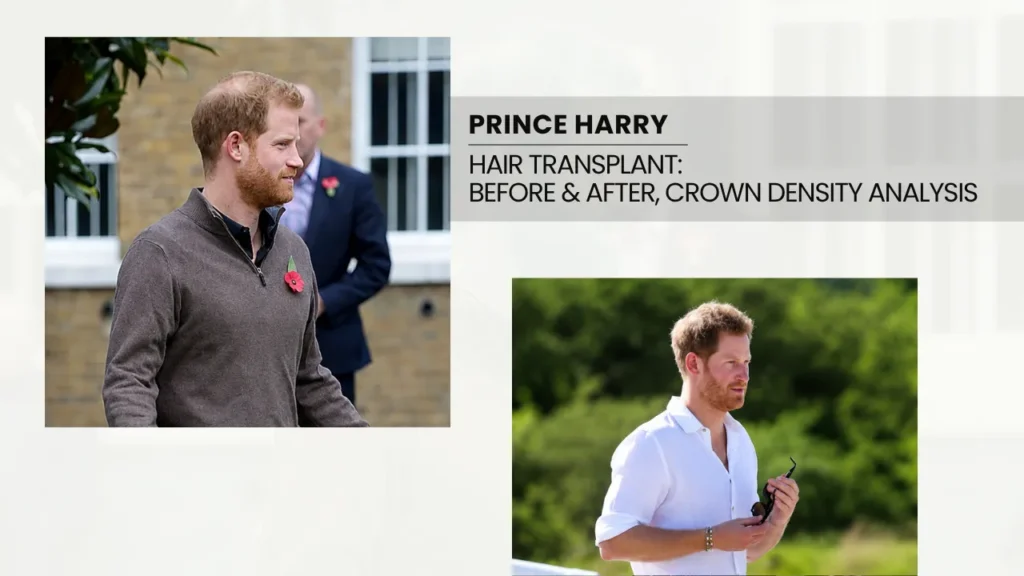
Prince Harry Hair Transplant: Before & After, Crown Density Analysis
Homapage

Blog
Prince Harry Hair Transplant: Before & After, Crown Density Analysis
Medical Reviewed By Dr. Tompi, M.D – Plastic & Aesthetic Surgeon
Written By Nazmi G, Trichologist

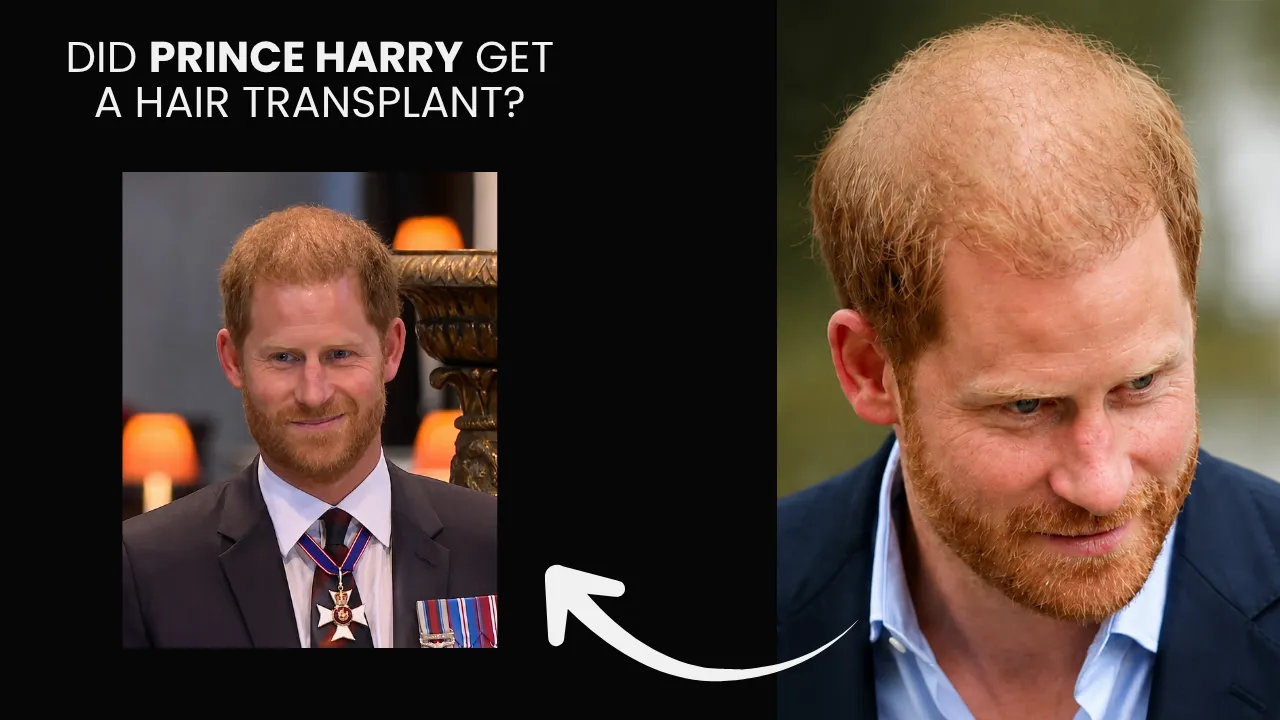
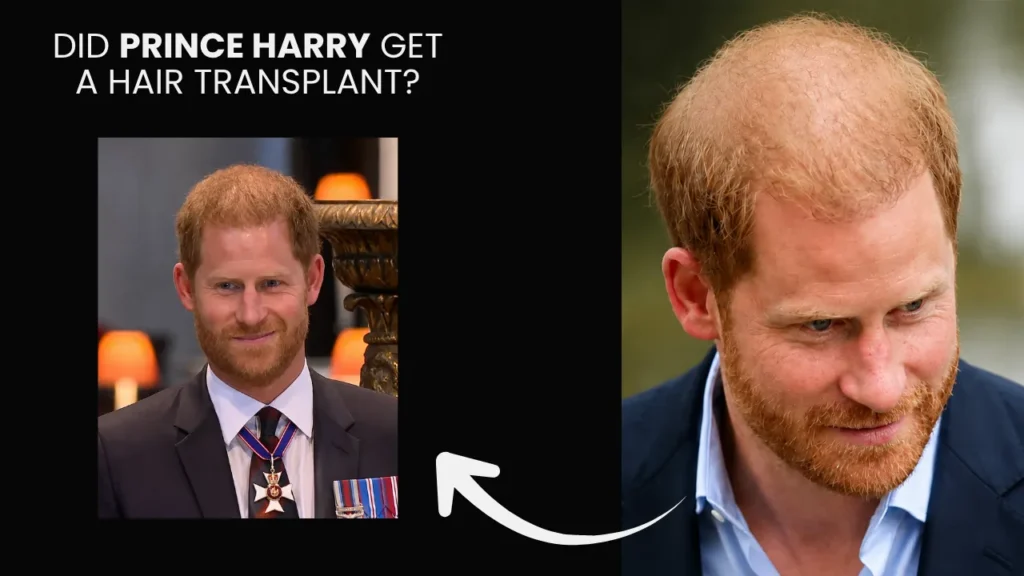
Did Prince Harry Get a Hair Transplant?
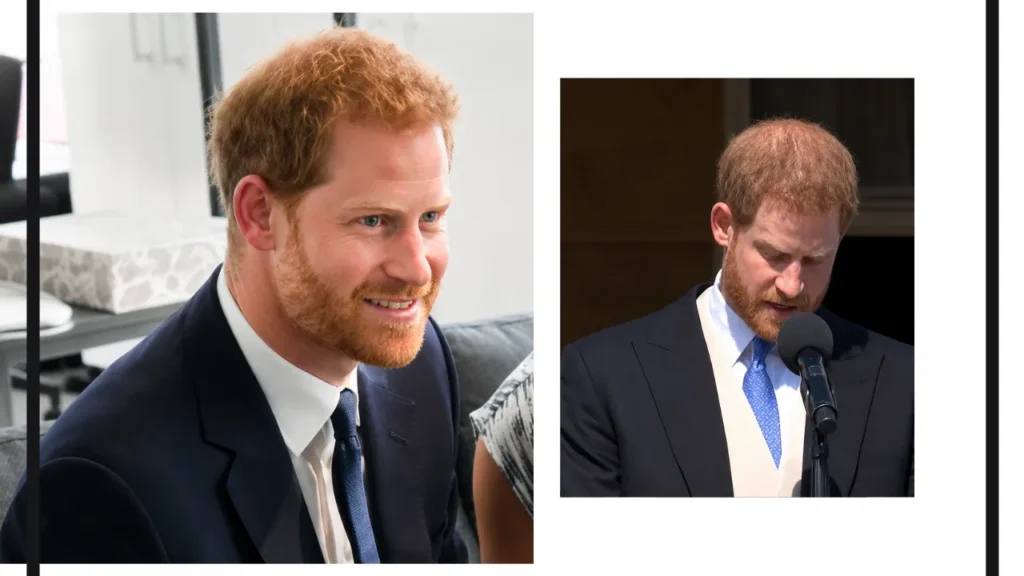
Prince Harry has never officially confirmed that he is undergoing hair transplant surgery, but photographic evidence suggests otherwise. When we review the last few years, visible changes in his crown density strongly suggest the need for clinical intervention. Top-tier aesthetic experts believe his progress is linked to a highly tailored aesthetic restoration procedure combined with topical treatment. Looking at comparative photos, fluctuating hair density in his crown proves that.
When you are born into a real kingdom, most examined things become your family. And as we know, genetics plays a significant role in your hair loss. For decades, the Duke of Sussex has lived under a microscope. People have always watched him, from his military service to his royal exit. And naturally, his aesthetic transformation became a prime target for speculation. Looking back over the decades, the first noticeable thing is that his crown hasn’t just followed a normal thinning cycle. At first, his crown area thinned aggressively, and afterward, his hair looked bushy and surprisingly revitalized. This kind of hair loss is common in genetic cases, but will the hair return? nope. The Duke of Sussex never confirmed the hair restoration surgery, fueling curiosity about possible medical procedures.
Why the Public and Experts Scrutinize the Royal Crown
As we mentioned earlier, standing continuously in the spotlight means harsh camera flashes capture what you might prefer to hide. In archival footage, the changes in Harry’s hair are highly visible during major public addresses and international tours. But trichologists notice something specific: this isn’t a simple, overnight transformation. The long-standing debate surrounding his crown baldness involves periodic fluctuations in density rather than a sudden, thick head of hair. This clinical reality suggests he may be employing advanced techniques—possibly surgery, PRP, or medication—making the audience curious about the options available to high-profile figures.
The Royal Silence: What the Duke Has Never Confirmed
Undergoing a physical transformation while living in front of the cameras always triggers rumors. People have watched his hair evolve year by year. While public consensus leans heavily toward surgery, Prince Harry remains absolutely silent on the matter.
But why do elite people always want to keep our aesthetic progress a secret? Like many other global icons, Prince Harry prefers to keep his private life secret because he wants people to talk about his Invictus Games and charitable foundations. Not his aesthetic choices. This secrecy is almost a standard with high-profile figures. This helps them maintain a public image and protect their privacy. Even if it fuels public curiosity about possible interventions, they choose to keep it secret.
Prince Harry Hair Loss Timeline – A Royal Evolution
To truly understand this aesthetic journey, we must analyze it chronologically. We have to separate temporary styling tricks from permanent surgical results. Throughout his highly publicized life, his hair went through distinct, undeniable phases. Breaking down this timeline makes the dramatic shifts in his crown density impossible to ignore.
| Year / Era | Crown Status | Scalp Visibility | Expert Observation |
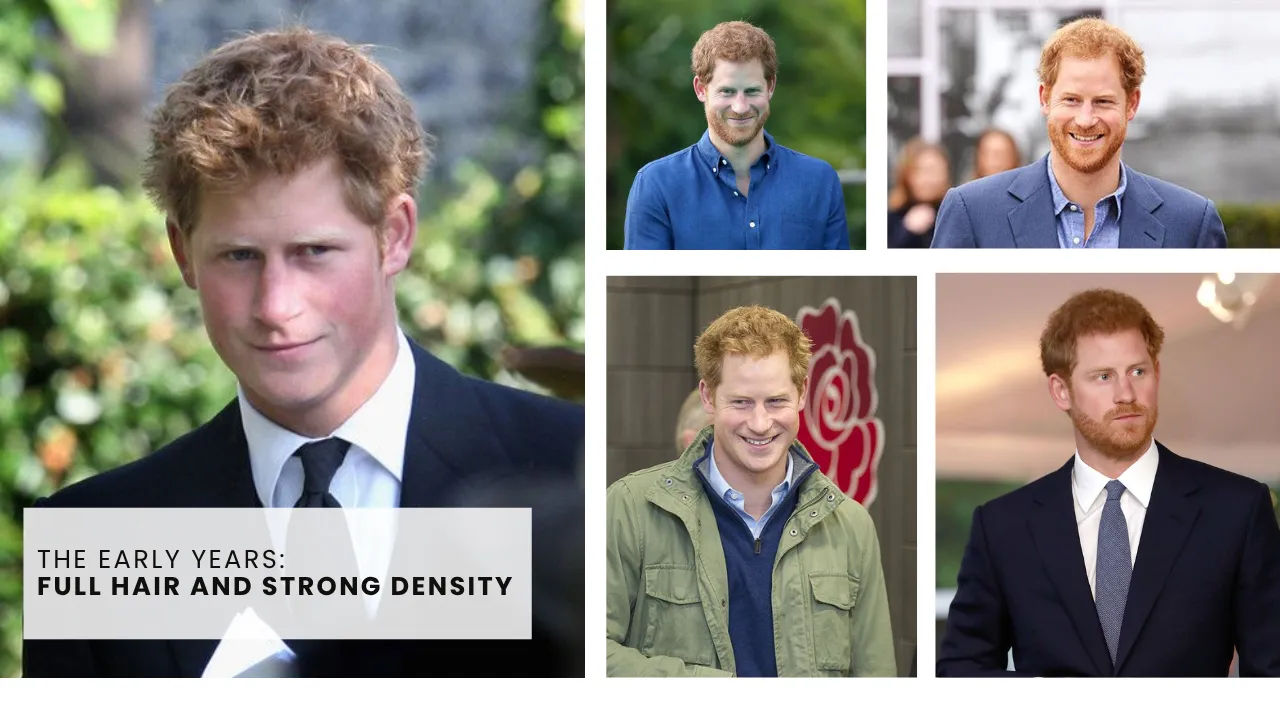
| 2005 – 2010 | Dense & Intact | Zero | Strong juvenile density |
| 2014 – 2016 | Early Thinning | Mildly Visible | First signs of genetic loss |
| 2018 – 2020 | Aggressive Loss | Highly Visible | Peak shedding, expanding bald spot |
| 2023 – Present | Revitalized | Minimal | Unnatural density improvement |
Early Adulthood: The Thick Eton Era
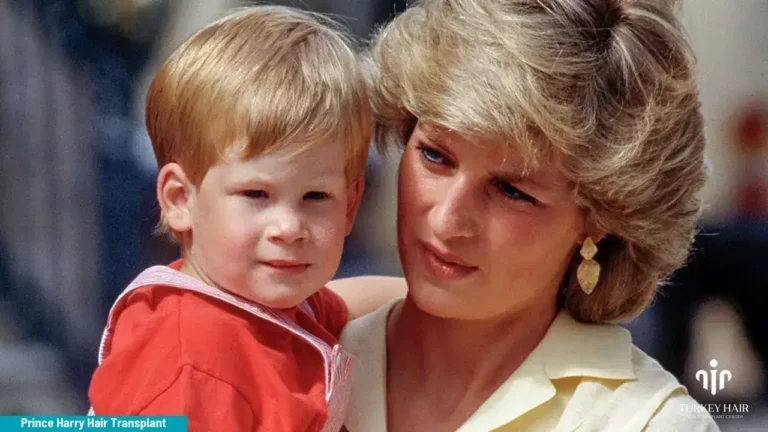
Prince Harry had a perfect hairline and an incredibly thick crown when he first entered into hidden royal duties as a young adult. His signature red hair suited a rebellious, energetic teenager in military training and a young man in his early twenties. But since then, at least from 2012, when cameras above him on royal balconies began capturing the very first flickers of recession itself at the vertex.
The Peak Thinning Phase: Royal Weddings and Global Tours
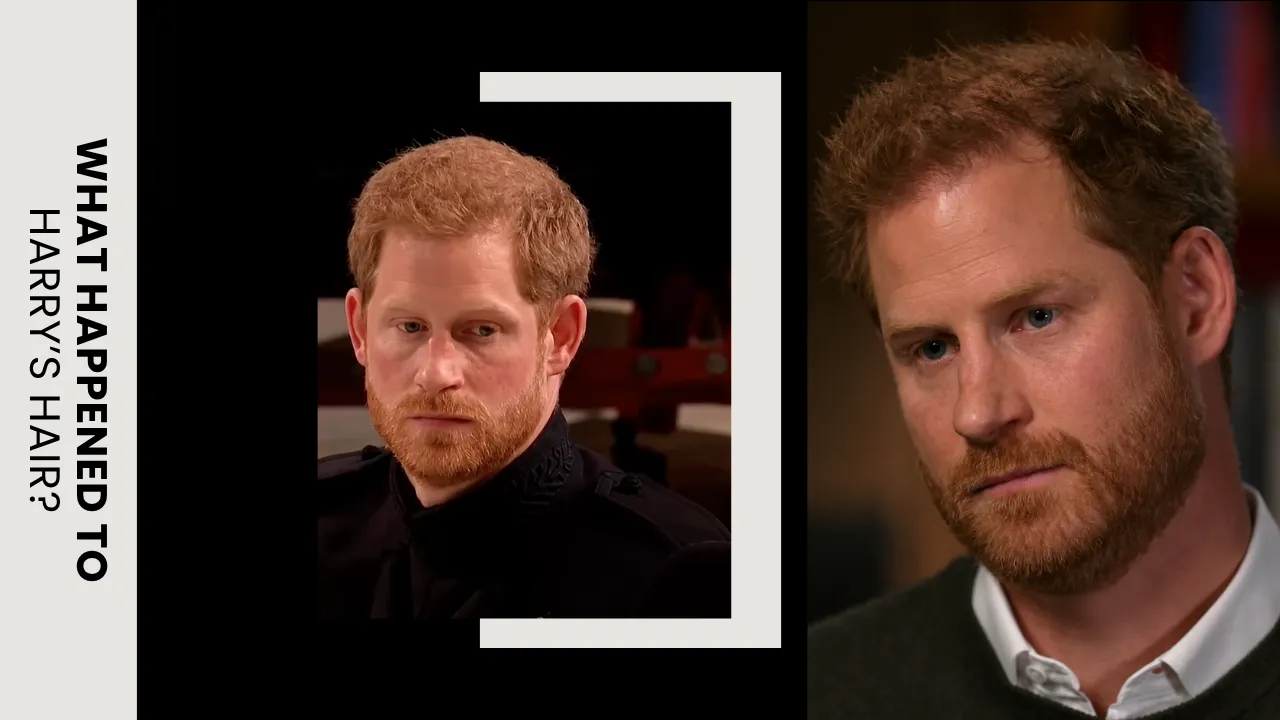
The most aggressive shedding phase occurred in his mid-to-late thirties. Around the time of his 2018 wedding, Prince Harry hit what experts call a “rapid miniaturization” phase. While his frontal hairline held its ground, his crown thinned out drastically, creating a recognizable bald spot. During these royal duties and international tours, Prince Harry’s androgenetic alopecia has an aggressive progression. And his pattern made us think it seems like the same as his older brother’s.
The Turning Point: When Did Prince Harry’s Hair Density Shift?
For someone constantly photographed, defying a genetic trait without clinical help is impossible. At a specific juncture, fans began to notice that Prince Harry’s hair was no longer following the natural Windsor balding progression. His expanding bald spot suddenly looked more defined, thicker, and cleverly covered during recent charity events. This wasn’t a sudden miracle; the steady, sustained improvement strongly resembled a surgical recovery timeline.
Major Public Milestones That Highlighted the Transformation
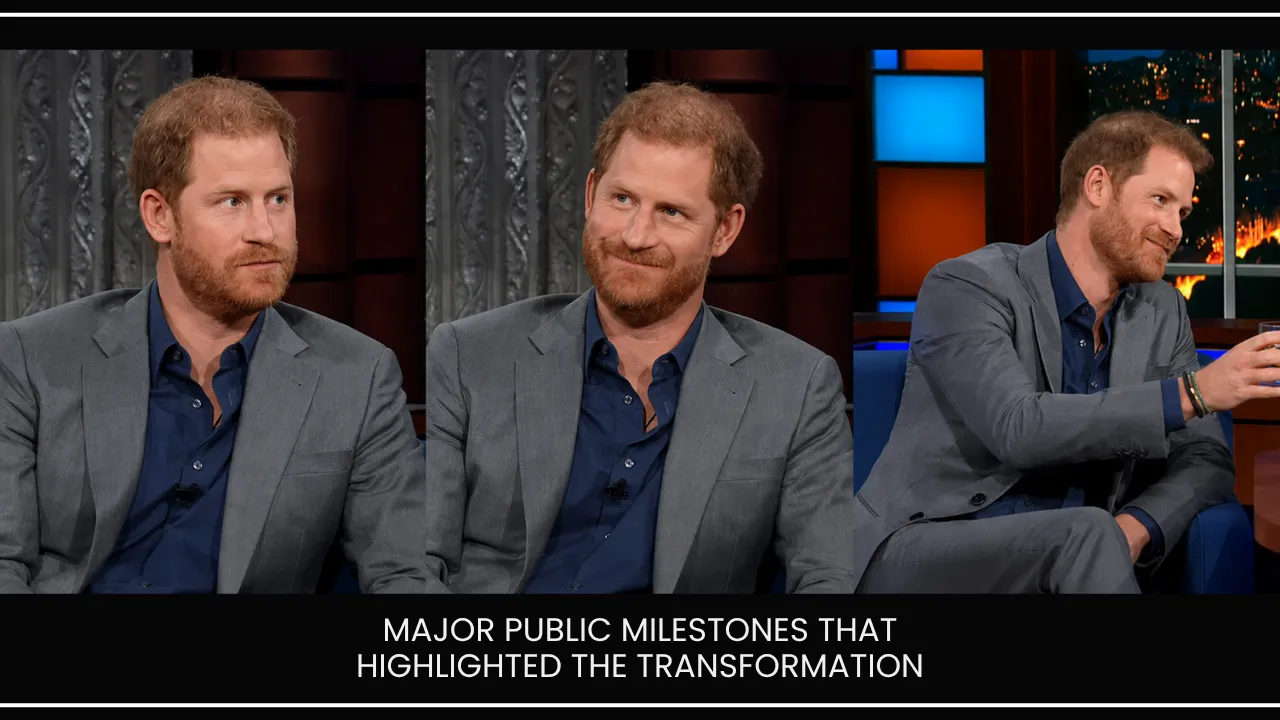
Observers pinpoint the most significant shift occurring shortly after his relocation to the United States. During recent Invictus Games appearances and high-profile televised interviews, close-up camera angles revealed a drastically different crown.
The visual contrast was striking due to a few key factors:
- Less Scalp Glare: Harsh studio lighting no longer reflected off his vertex.
- Textural Thickness: The hair strands themselves appeared thicker and more resilient.
- Consistent Coverage: Unlike hair fibers that wash out, his new density remained intact during outdoor, windy events.
- Strategic Growth: The newly acquired density perfectly matched the scalp’s native hair.
Why This Specific Change Stood Out to Clinical Trichologists
For medical professionals analyzing his scalp, the most compelling evidence wasn’t the extra hair itself, but the architecture of that hair. Restoring a crown is notoriously difficult because the surgeon must recreate the natural “whorl” (the circular growth pattern). The fact that Harry’s current crown maintains a perfect look. This kind of natural-looking whorl strongly requires masterful surgical placement rather than a temporary cosmetic fix.
What Hair Restoration Methods Did Prince Harry Likely Use?
When reviewing archived photos, we notice a cyclical pattern in his hair density. In some periods, the crown looks dense; in others, it appears slightly sparser before thickening up again. This up and down is textbook for a Hair Transplant accompanied by shock loss (temporary post-op shedding), leading to the stabilization effects of medication. Assuming he got it done, perhaps intense media pressure and the way genetic roulette works meant a series of smaller tweaks were required rather than one large facelift.
Sapphire FUE or Crown Densification: Which Technique Fits Best?
Because crown restoration requires high-density packing without leaving visible scarring, experts tend to favor the Sapphire FUE (Follicular Unit Extraction) method. This technique extracts individual follicles without a linear scalpel cut. Given that Harry sports relatively short hair at the back of his neck and shows no signs of a linear scar strip, the older FUT method is completely ruled out. If he had surgery, it was undoubtedly an elite-level FUE session.
Can Appearance Influence a Royal’s Global Philanthropic Branding?
Absolutely. Image dictates public reception. A vital, energetic appearance directly affects how a public figure is perceived at global summits and in charity campaigns.
A refined aesthetic provides several distinct advantages:
- Psychological Authority: A restored crown can subconsciously boost confidence during high-stakes public speaking.
- Modern Relatability: Taking proactive steps against hair loss aligns with modern self-care values.
- Media Diversion: By looking consistent, the media is forced to focus on his words rather than his changing physical appearance.
Is Prince Harry’s Crown Transformation Considered a Medical Case Study?
Yes, modern hair restoration clinics frequently reference his journey as a prime example of vertex baldness management.
Surgeons use his timeline to educate patients on:
- The critical importance of combining surgery with FDA-approved topical treatments to prevent further native hair loss.
- Crown transplants take longer to mature (often up to 18 months) due to blood flow.
- How to design an age-appropriate restoration rather than an unnaturally dense teenage hairline.
The Relentless Windsor Genetics Behind the Thinning
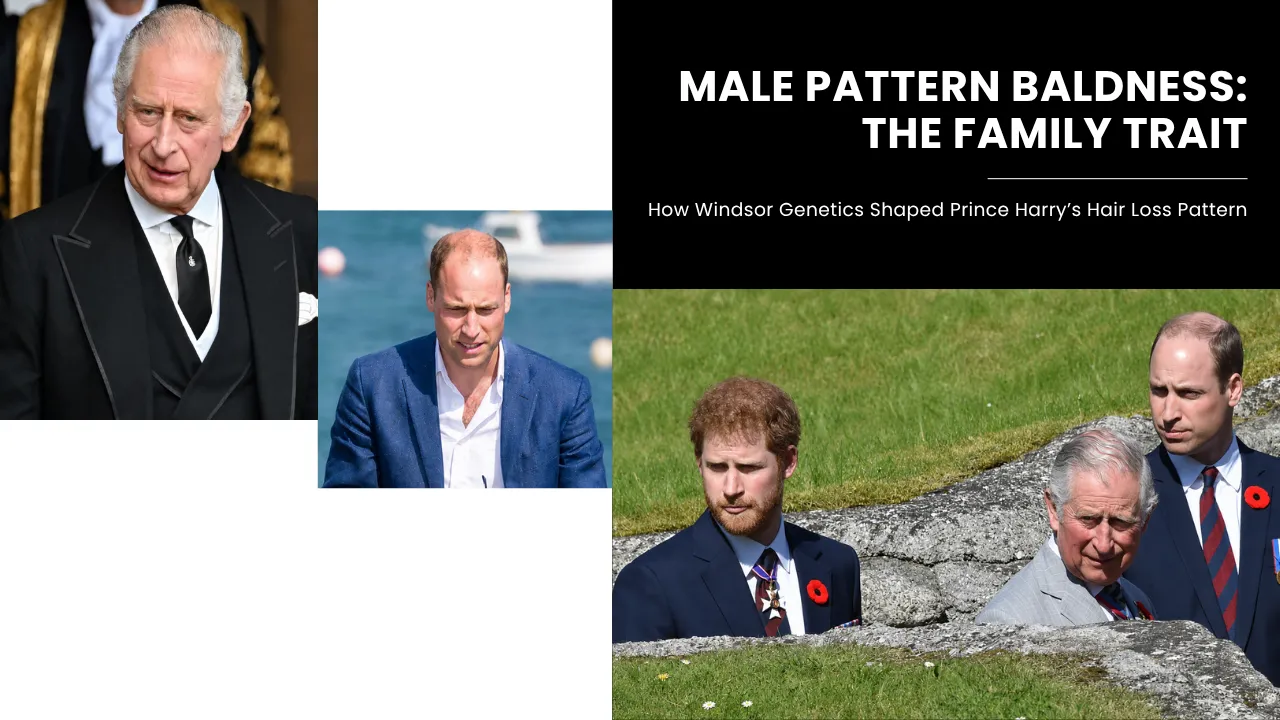
If we want to analyze Prince Harry’s hair loss pattern, we have to consider his family tree. As we know, androgenic alopecia depends on genetic factors. And unfortunately, the Windsor bloodline carries an exceptionally strong genetic predisposition for hair loss.
Male Pattern Baldness: The Family Trait
A quick look at King Charles and Prince William reveals the aggressive nature of their genetic roadmap.
This lineage confirms a few harsh clinical truths:
- Extreme DHT Sensitivity: Their follicles are highly susceptible to Dihydrotestosterone (DHT), leading to rapid miniaturization.
- Vertex-First Shedding: The thinning almost exclusively begins at the crown before moving forward.
- The Inevitable Outcome: Without clinical intervention, genetics dictated that Harry would eventually match his brother’s Norwood 6 status.
References & Medical Sources
International Society of Hair Restoration Surgery (ISHRS) – Follicular Unit Extraction (FUE) OverviewAmerican Academy of Dermatology Association (AAD) – Hair Loss: Diagnosis and TreatmentNational Institutes of Health (NIH) – Male Pattern Hair Loss and Treatment Approaches
Get a Free Hair Analysis from Our Experts
Use our free online help tool to communicate your hair loss concerns – it only takes a few minutes. We’ll provide you with a personalized, non-binding quote.
You May Be Interested In
Let’s Call You!

Popular Blogs
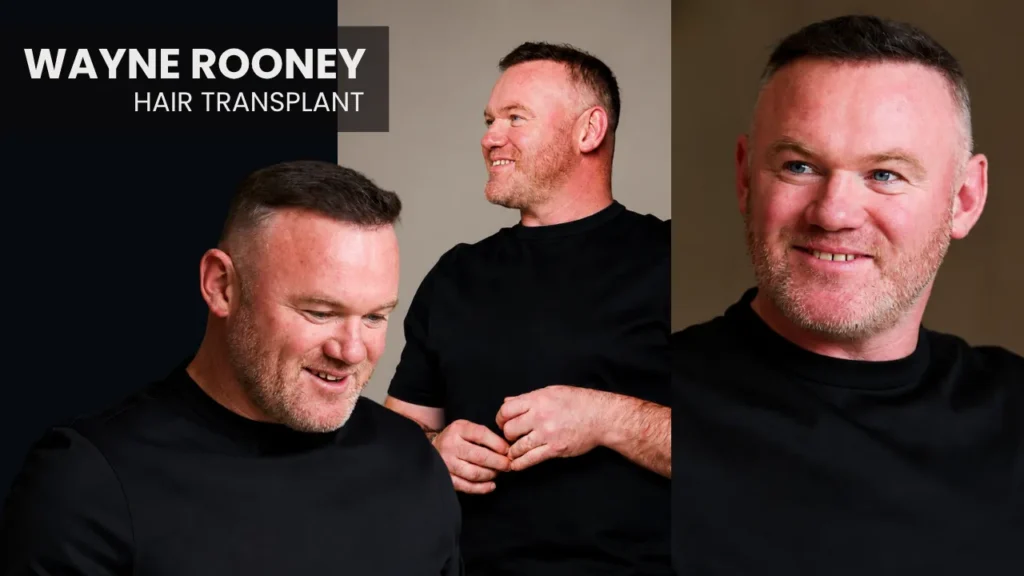
Wayne Rooney Hair Transplant: Before & After
Wayne Rooney Hair Transplant: Before & After Free Hair Analysis Homapage Blog Wayne Rooney Hair…
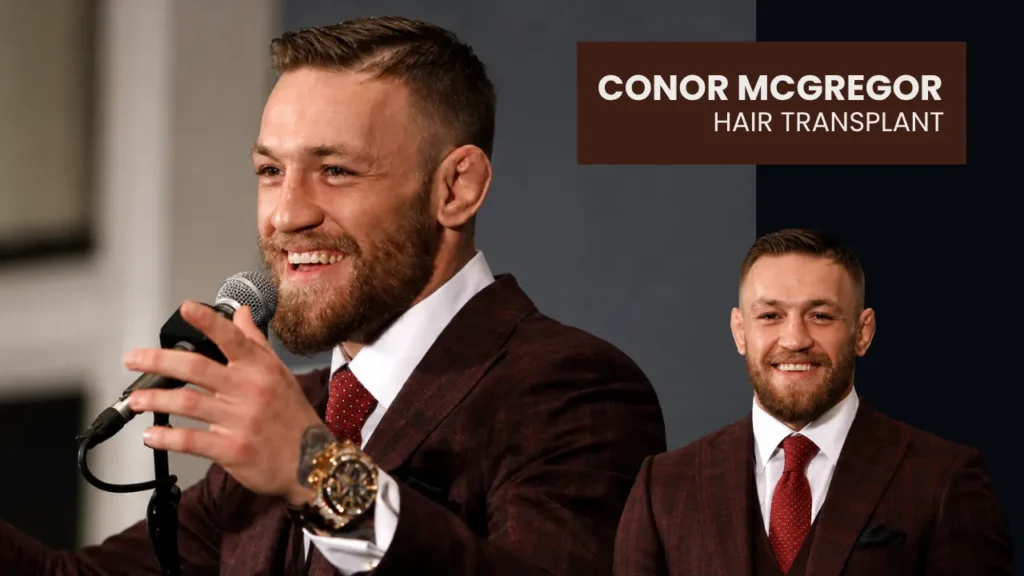
Conor McGregor Hair Transplant: Before & After
Conor McGregor Hair Transplant: Before & After Free Hair Analysis Homapage Blog Conor McGregor Hair…
Turkey Visa Requirements for Hair Transplant in Turkey
Turkey Visa Requirements for Hair Transplant in Turkey Free Hair Analysis Homapage Blog Turkey Visa…
David Silva Hair Transplant: Before & After
David Silva Hair Transplant: Before & After Free Hair Analysis Homapage Blog Discover David Silva…
David Beckham Hair Transplant: Before, After, Rumors & Hair Restoration Analysis (2026)
David Beckham Hair Transplant: Before, After, Rumors & Hair Restoration Analysis (2026) Free Hair Analysis…
Prince Harry Hair Transplant: Before & After, Crown Density Analysis
Prince Harry Hair Transplant: Before & After, Crown Density Analysis Free Hair Analysis Homapage Blog…
Ready To
Book Your Appointment?
Reach out to us or complete our simple online form
and we’ll contact you to schedule a time that works perfectly for you.



Frequently Asked Questions (FAQ)