Hair Transplant Recovery Timeline: Day-by-Day, Week-by-Week and Month-by-Month Guide
Homapage

Blog
Wayne Rooney Hair Transplant: Before & After

Medical Reviewed By Dr. Tompi, M.D – Plastic & Aesthetic Surgeon
Written By Nazmi G, Trichologist
Hair Transplant Recovery Timeline: Day-by-Day, Week-by-Week and Month-by-Month Guide
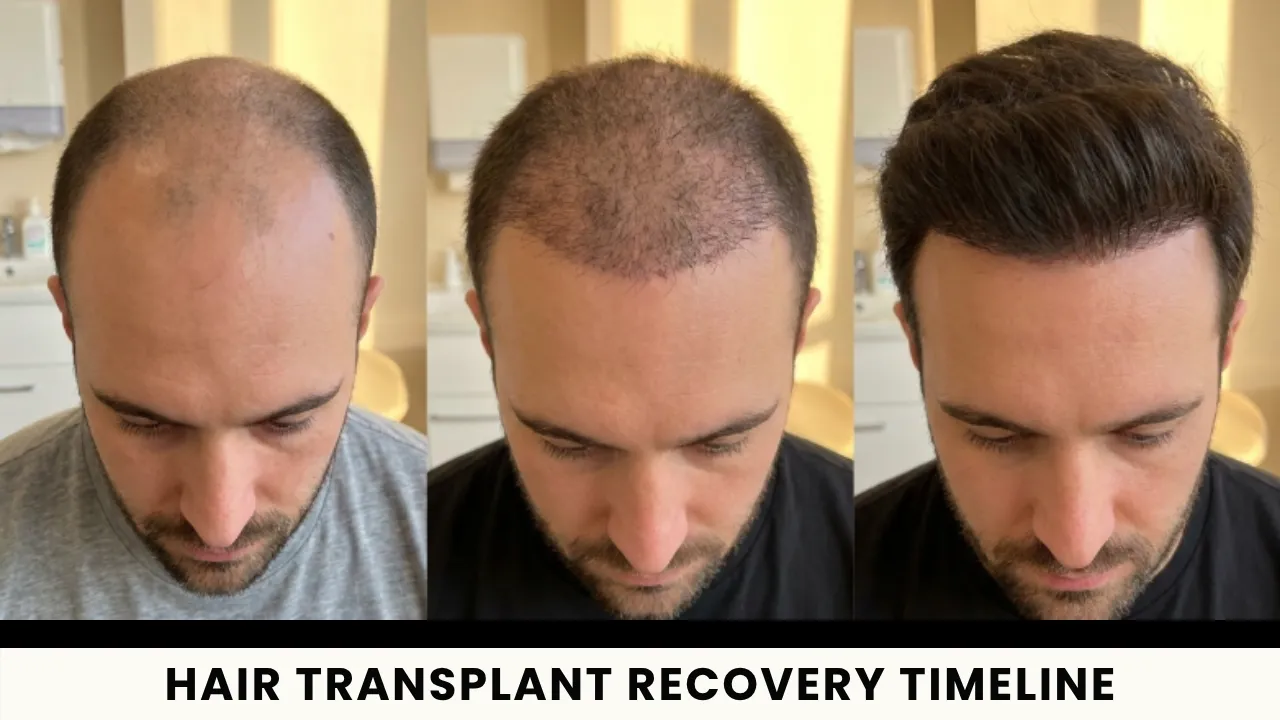

Hair transplant recovery is often much longer than most patients expect.
While the procedure itself is completed in a single day, the healing and hair growth process continues for months. Most patients recover physically within 10 to 14 days, but visible hair growth usually begins around month 3 or 4. Final results often develop between months 12 and 18.
That is the short answer.
The reality is a little more complicated.
During the first few days, your scalp may look red, swollen, or covered with tiny scabs. Then, just as everything appears to be healing, many of the transplanted hairs begin falling out. This stage, known as shock loss, causes concern for many patients even though it is usually a normal part of the recovery process.
Understanding what happens at each stage helps reduce unnecessary stress and allows you to focus on proper aftercare.
In this guide, we explain the complete hair transplant recovery timeline, from the first night after surgery to the final maturation stage. You’ll learn what is normal, what is temporary, and when you should contact your clinic.
Hair Transplant Recovery Timeline at a Glance
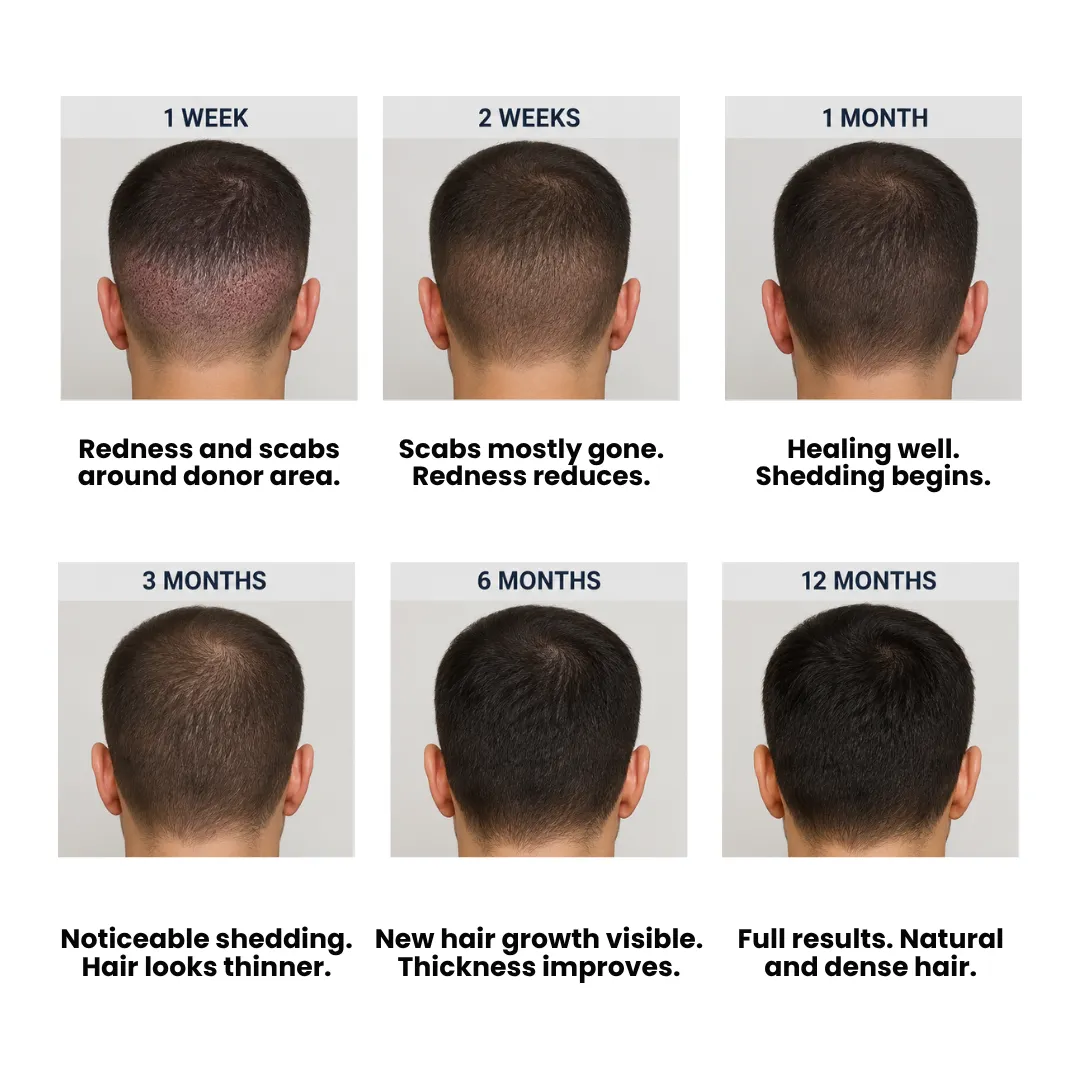
Most patients experience three major phases after a hair transplant:
- Healing Phase (Days 1–14)
- Shedding Phase (Weeks 2–8)
- Growth Phase (Months 3–18)
Here is a simplified overview:
| Timeline | What Usually Happens |
| Day 1–3 | Redness, swelling, graft stabilization |
| Day 4–7 | Scab formation and itching |
| Day 7–10 | Scabs begin falling away |
| Week 2 | Visible healing improves |
| Month 1 | Shock loss often begins |
| Month 3 | Early growth starts |
| Month 6 | Noticeable density appears |
| Month 9 | Hair looks thicker |
| Month 12 | Most patients see mature results |
| Month 15–18 | Crown areas may continue improving |
Although these milestones are common, every patient heals differently.
Factors such as graft count, donor quality, hair characteristics, age, smoking habits, medical history, scalp sensitivity, and the transplant technique used can influence recovery speed.
Use this timeline as a guide rather than a guarantee.
Hair Transplant Healing Stages Explained
Hair transplant recovery happens in several biological stages.
Understanding these stages helps patients avoid unrealistic expectations.
Stage 1: Graft Stabilization (Days 1–7)
During the first week, newly implanted grafts anchor themselves within the recipient area. Tiny crusts form around each graft while the scalp begins repairing itself.
At this stage, protecting the grafts is the primary goal.
Stage 2: Healing and Scab Removal (Days 7–14)
Scabs gradually soften and fall away through proper washing.
Most visible signs of surgery start improving during this period.
Stage 3: Shock Loss Phase (Weeks 2–8)
Many transplanted hairs shed temporarily.
This often surprises patients but is considered a normal response to surgical stress.
Stage 4: Dormant Follicle Phase (Months 2–3)
Although little visible growth occurs, the follicles remain alive beneath the skin.
They are preparing to enter a new growth cycle.
Stage 5: Early Growth Phase (Months 3–6)
New hairs begin emerging.
Growth can appear uneven because some follicles activate earlier than others.
Stage 6: Maturation Phase (Months 6–18)
Hair gradually thickens, gains texture, and blends naturally with existing hair.
This is when density improves most noticeably.
Day 1 After Hair Transplant: Protecting the Grafts
The first day after surgery is entirely focused on graft protection.
The transplanted follicles are extremely delicate during the first 24 hours.
Patients commonly notice:
- Mild bleeding
- Redness
- Tiny graft sites
- Tightness in the scalp
- Mild discomfort in the donor area
All of these are usually normal.
The recipient area may resemble a field of small dots where grafts have been implanted.
The donor area often appears red and slightly swollen.
What To Do On Day 1
- Keep your head elevated while sleeping
- Follow medication instructions carefully
- Avoid touching grafts
- Avoid scratching
- Avoid smoking and alcohol
- Stay hydrated
Many clinics recommend using a travel pillow for the first few nights because it helps prevent accidental contact with the grafts.
Can grafts fall out on day 1?
Grafts are most vulnerable during the first few days after surgery. Avoid touching, rubbing, or scratching the transplanted area to protect graft survival.
Day 2–3 After Hair Transplant: Swelling and First Wash
Days 2 and 3 often bring visible swelling.
The swelling may move from the scalp down toward the forehead and occasionally around the eyes.
Although it can look alarming, it is usually temporary.
Most swelling resolves within several days.
This is also the period when many clinics perform the first wash or teach patients how to wash their scalp at home.
Common Symptoms
- Swelling
- Mild redness
- Tightness
- Donor area discomfort
- Early itching
First Wash Guidelines
The first wash should always follow clinic instructions.
Generally:
- Use a prescribed foam or lotion
- Allow it to soften crusts
- Rinse gently
- Avoid strong water pressure
- Never use fingernails
Proper washing helps prevent excessive scab buildup while protecting newly implanted follicles.
Day 4–7 After Hair Transplant: Scab Formation Begins
By the middle of the first week, most patients notice visible scabs around the grafts.
This is completely normal.
Each graft develops a tiny crust as part of the healing process.
During this stage, patients often ask:
“Is my scalp supposed to look like this?”
In most cases, yes.
Common Symptoms
- Scabs
- Itching
- Dry skin
- Mild redness
- Sensitivity
One of the biggest mistakes patients make is picking the scabs.
Scabs should fall away naturally through proper washing.
Removing them aggressively may irritate healing tissue and increase inflammation.
Activities To Avoid
- Gym workouts
- Swimming
- Direct sunlight
- Smoking
- Alcohol
- Tight hats
- Excessive sweating
The objective is simple:
Protect the healing scalp from unnecessary trauma.
7 Days After Hair Transplant: What Should You Expect?
One week after surgery, most patients already look significantly better than they did during the first few days.
However, full healing has not happened yet.
Many patients still have:
- Scabs
- Mild redness
- Slight swelling
- Temporary unevenness around the hairline
Social comfort levels vary.
Some patients feel comfortable returning to work.
Others prefer waiting until scabs become less noticeable.
Will I look normal 7 days after a hair transplant?
Many patients look improved after 7 days, but visible scabs and redness may still be present. Most patients appear more socially presentable between days 10 and 14.
10 Days After FUE Hair Transplant
Around day 10, many FUE patients enter what is often called the “social recovery stage.”
The donor area typically looks much calmer.
Most scabs have either disappeared or become significantly lighter.
For many patients, this is the point where friends or coworkers stop noticing obvious signs of surgery.
However, healing speed varies.
Patients with:
- Sensitive skin
- Large graft sessions
- Fair skin tones
- Extensive recipient areas
may continue experiencing redness for several additional weeks.
What You May Notice
- Cleaner scalp appearance
- Reduced swelling
- Less redness
- Improved comfort
- Greater confidence in public
If you have an important event, many clinics recommend allowing 10–14 days before appearing in photographs or attending social gatherings.
Week 2 After Hair Transplant: The Scalp Starts Looking Normal
The second week often feels like a major milestone.
Most scabs have disappeared.
The donor area looks significantly better.
The recipient area begins blending into the surrounding scalp.
Patients often ask about:
- Haircuts
- Exercise
- Hats
- Returning to normal routines
Although grafts are becoming more secure, caution is still important.
Week 2 Recovery Checklist
- ✓ Scabs mostly gone
- ✓ Donor area improving
- ✓ Redness fading
- ✓ Itching reduced
- ✓ Grafts more secure
Can Grafts Fall Out After 10 Days?
In most cases, grafts are securely anchored by this stage.
Accidental loss becomes significantly less likely after the first 10 days.
However, aggressive scratching or trauma should still be avoided.
At this point, physical healing is progressing well.
The next challenge is psychological.
Many patients expect hair growth to begin immediately.
Instead, the next phase is often shock loss.
And that is where the recovery journey truly begins.
Hair Transplant Recovery Week by Week
Once the visible healing phase is over, many patients expect immediate hair growth.
Unfortunately, that is not how hair transplantation works.
During weeks 3 to 8, most of the important changes happen beneath the skin rather than on the surface.
| Period | What You May Notice |
| Week 1 | Scabs, redness, swelling |
| Week 2 | Healing improves |
| Week 3 | Shedding may begin |
| Week 4 | Shock loss becomes noticeable |
| Week 5–6 | Little visible growth |
| Week 7–8 | Dormant phase continues |
This period is often the most emotionally difficult part of recovery.
The scalp looks healed, but the hair may actually appear thinner than before surgery.
That does not mean the procedure failed.
It usually means the follicles are transitioning into a new growth cycle.
Month 1 After Hair Transplant: Shock Loss Begins
For many patients, month 1 is the most frustrating stage of the entire recovery timeline.
The transplanted area may suddenly start losing hair.
This is known as shock loss.
Shock loss happens because transplanted follicles temporarily enter a resting phase after surgery.
The hair shafts fall out, but the follicles remain alive underneath the skin.
Common Month 1 Symptoms
- Hair shedding
- Reduced density
- Patchy appearance
- Mild redness
- Anxiety about results
Many patients worry that the grafts have fallen out permanently.
In most cases, this is not true.
The follicles remain beneath the scalp and will begin producing new hair in the coming months.
Is shock loss normal after a hair transplant?
Yes. Shock loss is a common stage of recovery. Transplanted hairs may shed during the first month while the follicles remain alive beneath the skin and prepare for new growth.
Why Does Hair Look Worse Before It Looks Better?
This is one of the most common questions patients ask.
Immediately after surgery, transplanted hairs are visible.
Then many of those hairs shed.
As a result, the scalp can temporarily look thinner than it did before the procedure.
This stage is completely normal.
The visible hair is gone, but the transplanted follicles remain intact and continue progressing through their natural growth cycle.
Patients who understand this phase beforehand experience much less anxiety during recovery.
Month 2 After Hair Transplant: The Dormant Stage
Month 2 is usually quiet.
Very little visible growth occurs.
Many patients become concerned because they do not see obvious progress.
However, important biological activity continues beneath the skin.
The follicles are resting and preparing for new hair production.
Month 2 Expectations
- Minimal growth
- Reduced redness
- Stable scalp appearance
- Little visible change
This is often called the “waiting phase.”
Patience is essential.
Most patients who panic during month 2 simply do not realize that this stage is expected.
Month 3 After Hair Transplant: First Signs of New Growth
Month 3 is where recovery finally starts becoming exciting.
New hairs often begin emerging from the scalp.
However, expectations should remain realistic.
The new hairs are usually:
- Thin
- Soft
- Uneven
- Sparse
This is not the final result.
It is simply the beginning.
Some follicles activate earlier than others, causing uneven growth patterns.
What Month 3 Growth Looks Like
The frontal hairline often shows growth first.
Crown areas frequently remain slower.
This difference is completely normal.
When does new hair start growing after a hair transplant?
New growth typically begins around months 3 to 4. The first hairs are often thin and uneven before gradually becoming thicker during later stages of recovery.
Month 4–5: Early Density Development
Months 4 and 5 are often where patients begin noticing genuine improvement.
The number of visible hairs increases.
Hairlines become easier to recognize.
Styling options slowly return.
However, density remains incomplete.
Many follicles are still emerging from the scalp.
Typical Improvements
- More visible hair
- Better hairline definition
- Reduced patchiness
- Increased coverage
This is often the stage where patients stop worrying and begin trusting the process.
Month 6 After Hair Transplant: Noticeable Results
Month 6 is one of the most important milestones in hair transplant recovery.
Many patients see approximately 50–60% of their eventual result.
Hair becomes:
- Thicker
- Darker
- Easier to style
- More visible
The overall shape of the final result begins appearing.
What You Can Expect
The frontal hairline often looks dramatically improved compared with the first three months.
Density continues developing.
Texture continues maturing.
The hair may still appear slightly thinner than the final outcome.
What percentage of hair transplant results are visible at 6 months?
Many patients see around 50–60% of their final result by month 6, although growth speed varies between individuals.
Crown Hair Transplant Recovery Timeline
The crown deserves special attention because it often grows more slowly than the frontal scalp.
Many patients become concerned when their hairline improves while the crown remains thin.
This is normal.
Why Crown Growth Takes Longer
The crown area:
- Requires higher density
- Has a circular growth pattern
- Receives different blood flow dynamics
- Often contains larger treatment zones
Crown Timeline
| Timeline | Expected Progress |
| Month 1 | Shock loss |
| Month 3 | Minimal growth |
| Month 6 | Early improvement |
| Month 9 | Noticeable density |
| Month 12 | Significant maturation |
| Month 15–18 | Final refinement |
Patients who undergo crown restoration should expect a longer timeline than patients receiving frontal hairline work only.
Month 9 After Hair Transplant: Natural Appearance Improves
By month 9, the transplant usually starts feeling like part of your natural hair.
The hairs become:
- Stronger
- Thicker
- More consistent
- Easier to manage
Texture improves significantly.
The transplanted area blends better with surrounding hair.
Many patients feel comfortable judging their result for the first time around this stage.
Month 12 After Hair Transplant: Mature Results
For most patients, month 12 represents the primary endpoint of recovery.
The majority of transplanted follicles have completed their growth cycles.
Hair density becomes much more predictable.
Texture improves.
The hairline looks increasingly natural.
What Month 12 Usually Includes
- Mature density
- Improved texture
- Natural hairline appearance
- Stronger hair shafts
- Easier styling
Many patients achieve the result they envisioned before surgery by this point.
Month 15–18: Final Thickening
Although month 12 is often considered the finish line, growth may continue beyond one year.
This is especially common for:
- Crown transplants
- Curly hair transplants
- Large graft sessions
- Older patients
The remaining months are usually about refinement rather than dramatic transformation.
Hair continues thickening and maturing.
Hair Transplant Recovery Timeline by Technique (FUE vs DHI)
Many patients wonder whether recovery differs between FUE and DHI.
The answer is yes—but only slightly.
| Recovery Stage | FUE | DHI |
| Redness | 7–14 days | 5–10 days |
| Scabbing | 7–12 days | 5–10 days |
| Shock Loss | Month 1 | Month 1 |
| Growth Starts | Month 3–4 | Month 3–4 |
| Final Results | Month 12–18 | Month 12–18 |
DHI procedures may produce slightly less visible trauma immediately after surgery.
However, long-term growth timelines are generally similar.
The skill of the medical team and graft handling remain far more important than the technique itself.
Hair Transplant Recovery Timeline After 3000 Grafts
A 3000-graft procedure is considered a moderate-to-large session.
Most patients experience:
- Healing within 10–14 days
- Shock loss during month 1
- Growth beginning around month 3
- Noticeable density by month 6
- Mature results by month 12
Because graft distribution is often concentrated in the frontal area, results may become visible relatively early.
Hair Transplant Recovery Timeline After 5000 Grafts
A 5000-graft procedure usually covers a larger treatment area.
Recovery remains similar biologically, but visible healing may take slightly longer.
Patients often notice:
- More swelling
- More scabbing
- Extended redness
- Longer crown recovery
Final density improvements may continue through months 15–18.
The larger the session, the more patience is usually required.
Month-by-Month Hair Growth Expectations
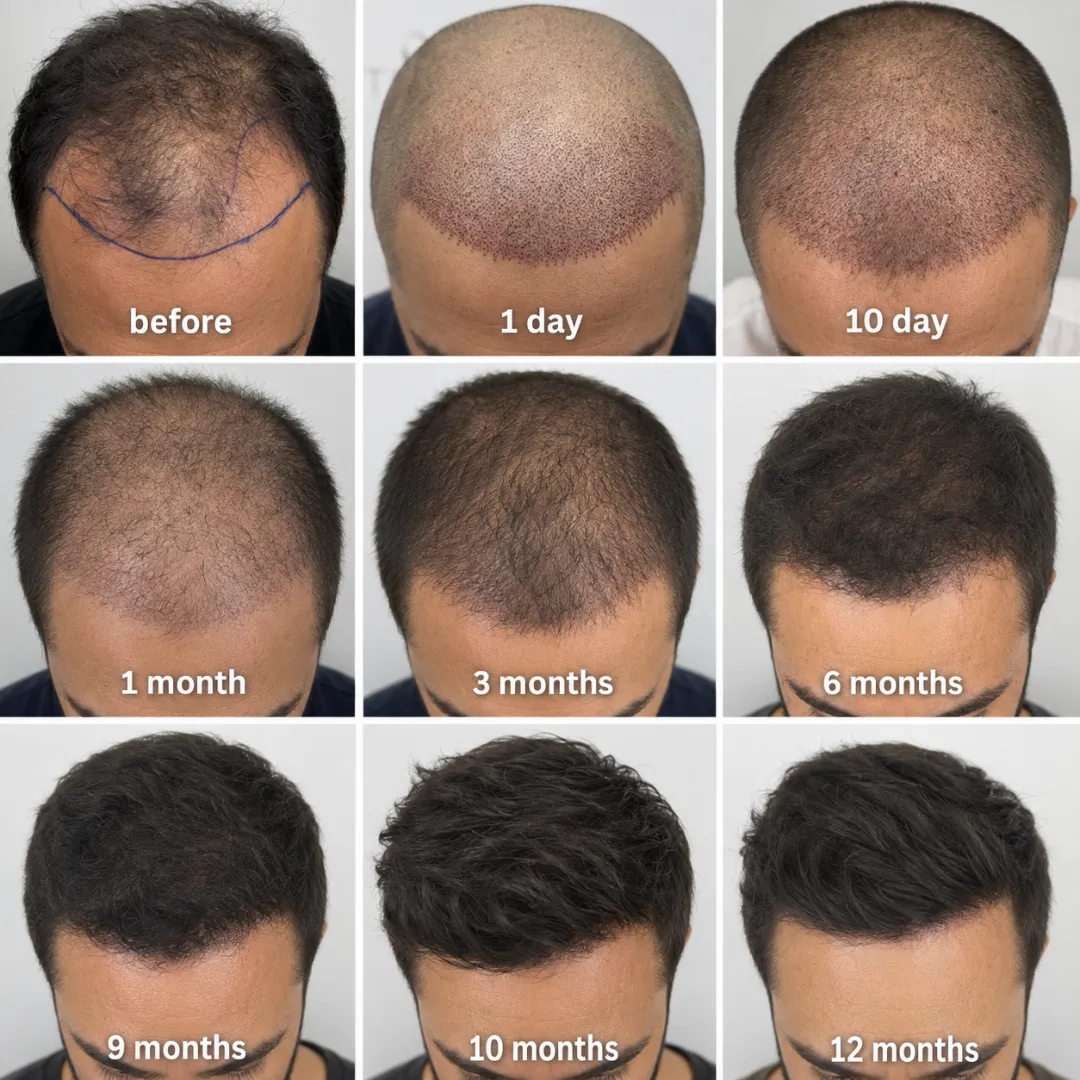
| Month | What Usually Happens |
| Month 1 | Shock loss |
| Month 2 | Dormant phase |
| Month 3 | Early growth |
| Month 4 | More visible sprouts |
| Month 5 | Increased coverage |
| Month 6 | Noticeable density |
| Month 7–8 | Thickening continues |
| Month 9 | Improved texture |
| Month 10–11 | Greater maturity |
| Month 12 | Mature result |
| Month 15–18 | Final thickening |
Understanding these milestones helps patients avoid unrealistic expectations and focus on long-term progress rather than daily changes.
How Long Does It Take to Recover Fully From a Hair Transplant?
One of the biggest misconceptions about hair transplantation is that recovery and results happen at the same time.
In reality, there are three separate recovery timelines.
1. Physical Recovery
Physical healing usually happens first.
Most patients experience:
- Reduced swelling within a few days
- Scab removal by week 2
- Significant improvement in redness within 2–4 weeks
For many patients, daily life feels normal again within 10–14 days.
2. Graft Recovery
Although the scalp may look healed, the grafts continue stabilizing beneath the skin.
The follicles must establish blood supply and adapt to their new location.
This process continues for several weeks after surgery.
3. Cosmetic Recovery
Cosmetic recovery refers to visible hair growth and density improvement.
This is the longest stage.
Most patients notice:
- Early growth around month 3
- Visible density around month 6
- Mature results around month 12
- Final thickening between months 15–18
How long does it take to fully recover from a hair transplant?
Most patients physically recover within 10–14 days. However, full cosmetic recovery and final hair growth usually take 12–18 months.
Factors That Affect Hair Transplant Recovery
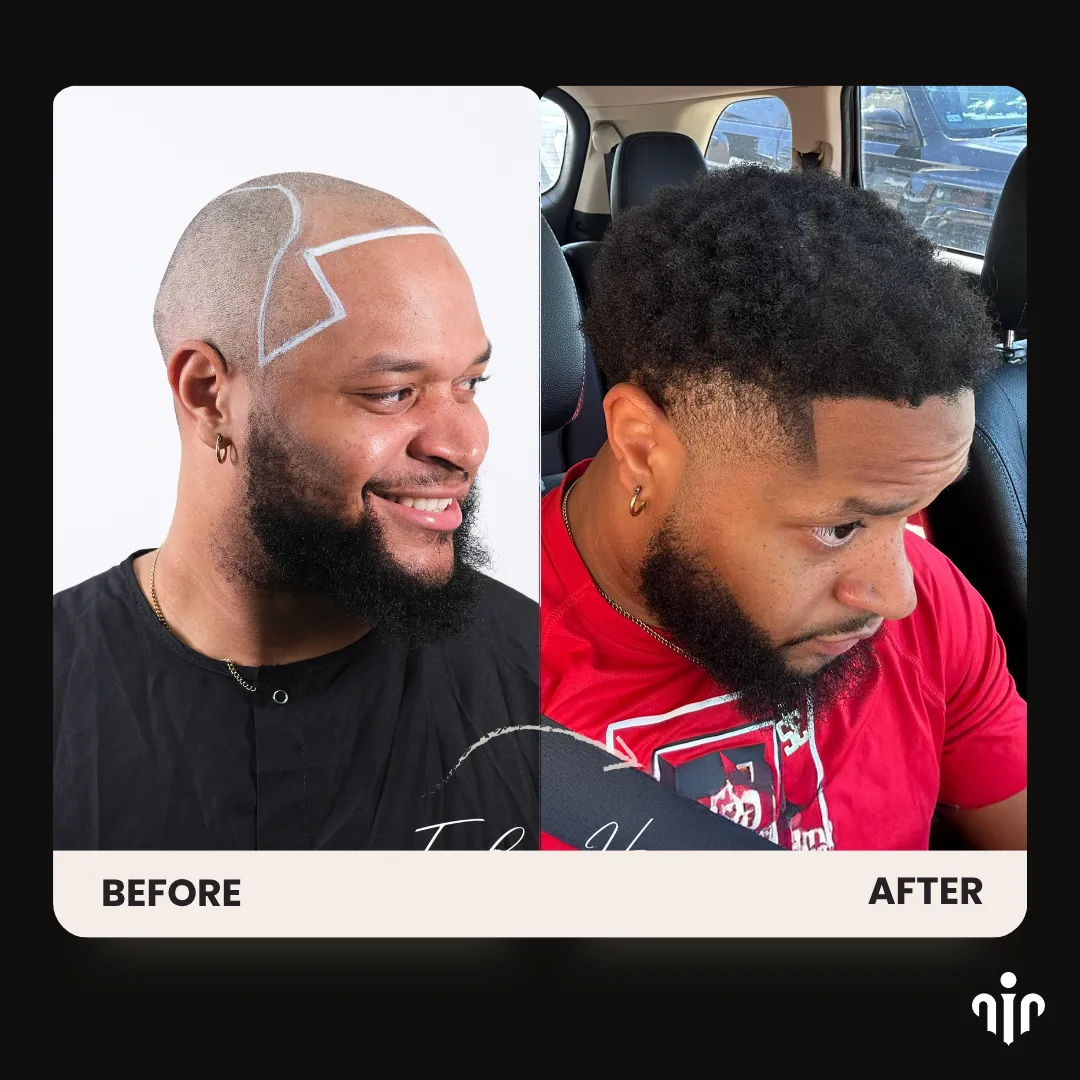
No two patients recover at exactly the same speed.
Several factors influence the healing process and growth timeline.
When Can You Use Minoxidil or Finasteride After a Hair Transplant?
Some patients use minoxidil or finasteride as part of their long-term hair maintenance plan after a hair transplant. These treatments do not replace transplanted grafts, but they may help support existing non-transplanted hair in suitable patients.
Minoxidil is usually paused during the early healing period because the scalp may still be red, sensitive, scabbed, or irritated. Applying topical products too early may increase dryness, itching, or inflammation in the recipient area. For this reason, many clinics recommend waiting until the scalp has healed before restarting topical minoxidil.
In many cases, patients may be allowed to restart minoxidil after the first few weeks, but the exact timing should always be confirmed by the medical team. Patients with sensitive skin, prolonged redness, or irritation may need to wait longer.
Finasteride works differently because it is usually taken orally and is used to slow ongoing androgenetic hair loss. Some patients may continue finasteride after surgery, while others may restart it based on their doctor’s advice. It may be especially useful for protecting native hair around the transplanted area, since transplanted grafts may be permanent but existing non-transplanted hair can continue thinning over time.
Patients should not start, stop, or restart minoxidil or finasteride without medical guidance. The safest approach is to follow the clinic’s personalized aftercare plan, especially during the first month of recovery.
Graft Count
Larger sessions often produce:
- More swelling
- More scabbing
- Longer visible healing
Hair Characteristics
Patients with:
- Curly hair
- Afro-textured hair
- Coarse hair
may experience slightly different growth timelines.
However, these hair types often create the appearance of greater density once fully matured.
Smoking
Smoking can reduce blood flow to healing tissues.
Many surgeons recommend avoiding smoking before and after surgery to support graft survival.
Age
Younger patients sometimes heal faster, but age alone does not determine transplant success.
Donor quality and overall health are usually more important.
Medical Conditions
Conditions affecting circulation, healing, or immune function may influence recovery speed.
Always discuss your medical history with your surgeon before treatment.
Hair Transplant Recovery Mistakes to Avoid
Many disappointing outcomes are not caused by surgery itself.
They are caused by avoidable recovery mistakes.
Picking Scabs
This is one of the most common mistakes.
Scabs protect healing tissue and should fall away naturally.
Returning to the Gym Too Early
Heavy exercise increases blood pressure and sweating.
This may irritate healing grafts during the early recovery phase.
Smoking During Recovery
Nicotine constricts blood vessels and can negatively affect healing.
Wearing Tight Hats
Pressure and friction should be avoided during early recovery.
Ignoring Washing Instructions
Improper washing can increase irritation and delay healing.
Excessive Sun Exposure
Direct sunlight can worsen redness and increase scalp sensitivity.
What is the biggest mistake after a hair transplant?
Picking scabs, smoking, and returning to strenuous exercise too early are among the most common mistakes that may negatively affect recovery.
Recovery Tips That Actually Matter
Patients often search for special tricks to improve recovery.
In reality, successful recovery usually comes from following simple instructions consistently.
Best Recovery Practices
- Follow your clinic’s washing routine
- Sleep with your head elevated
- Stay hydrated
- Avoid smoking
- Avoid alcohol during early healing
- Protect the scalp from sunlight
- Take medications as prescribed
- Attend follow-up appointments
A successful recovery is rarely about doing something extra.
It is usually about avoiding unnecessary mistakes.
Activities Timeline After Hair Transplant
One of the most common questions patients ask is:
“When can I get back to normal life?”
The answer depends on the activity.
| Activity | Typical Timeline |
| Desk work | 2–5 days |
| Light walking | After several days |
| Driving | 1–3 days |
| Social events | Day 10–14 |
| Loose hat | Usually after day 7–14 |
| Gym workouts | Week 2–4 |
| Weight lifting | Week 3–4 |
| Swimming | Around month 1 |
| Sauna | Around month 1 |
| Haircut | Around month 1 |
| Hair dye | Around month 2 |
| Helmet use | Around month 2 |
Always follow your clinic’s specific recommendations.
Individual recovery timelines may differ.
When Should You Call Your Clinic?
Most recovery symptoms are completely normal.
However, some signs should be evaluated by your medical team.
Contact your clinic if you experience:
- Increasing pain
- Persistent bleeding
- Fever
- Yellow discharge
- Pus formation
- Bad odor
- Severe swelling
- Spreading redness
- Significant trauma to the grafted area
Early communication can help prevent complications and provide peace of mind.
When should I worry after a hair transplant?
You should contact your clinic if symptoms worsen instead of improving, especially if you experience fever, infection signs, persistent bleeding, or severe pain.
Conclusion: Hair Transplant Recovery Requires Patience
Hair transplant recovery is not a single event.
It is a gradual process that unfolds over several months.
The first two weeks focus on healing.
The first month often includes shock loss.
Months 3 to 6 bring the first visible signs of growth.
Months 9 to 12 reveal the transformation most patients have been waiting for.
While the timeline can feel slow, each stage serves an important purpose in the journey toward a natural and lasting result.
At Turkey Hair Center, every patient receives personalized aftercare guidance, recovery monitoring, and long-term support throughout the healing process.
Whether you are considering a hair transplant or currently recovering from one, understanding the timeline can help you set realistic expectations and enjoy the process with confidence.
Book a free consultation with Turkey Hair Center to receive a personalized treatment plan and recovery roadmap tailored to your hair loss pattern and goals.
References & Medical Sources
Get a Free Hair Analysis from Our Experts
Use our free online help tool to communicate your hair loss concerns – it only takes a few minutes. We’ll provide you with a personalized, non-binding quote.
You May Be Interested In
- Hair Transplant Recovery Timeline: Day-by-Day, Week-by-Week and Month-by-Month Guide
- Justin Bieber Hair Transplant: Hairline Analysis, Before & After Photos, Rumors & Expert Opinion
- Wayne Rooney Hair Transplant: Before & After
- Conor McGregor Hair Transplant: Before & After
- Turkey Visa Requirements for Hair Transplant in Turkey
Let’s Call You!

Popular Blogs
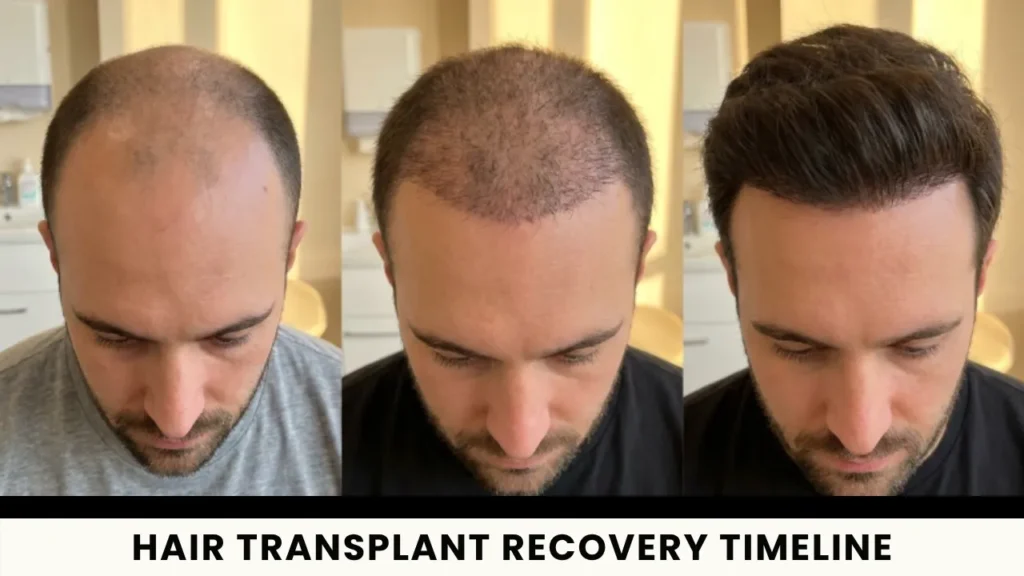
Hair Transplant Recovery Timeline: Day-by-Day, Week-by-Week and Month-by-Month Guide
Hair Transplant Recovery Timeline: Day-by-Day, Week-by-Week and Month-by-Month Guide Free Hair Analysis Homapage Blog Wayne…
Justin Bieber Hair Transplant: Hairline Analysis, Before & After Photos, Rumors & Expert Opinion
Justin Bieber Hair Transplant: Hairline Analysis, Before & After Photos, Rumors & Expert Opinion Free…
Wayne Rooney Hair Transplant: Before & After
Wayne Rooney Hair Transplant: Before & After Free Hair Analysis Homapage Blog Wayne Rooney Hair…

Conor McGregor Hair Transplant: Before & After
Conor McGregor Hair Transplant: Before & After Free Hair Analysis Homapage Blog Conor McGregor Hair…
Turkey Visa Requirements for Hair Transplant in Turkey
Turkey Visa Requirements for Hair Transplant in Turkey Free Hair Analysis Homapage Blog Turkey Visa…
David Silva Hair Transplant: Before & After
David Silva Hair Transplant: Before & After Free Hair Analysis Homapage Blog Discover David Silva…
Ready To
Book Your Appointment?
Reach out to us or complete our simple online form
and we’ll contact you to schedule a time that works perfectly for you.



Frequently Asked Questions About Hair Transplant Recovery Timeline