Understanding Hair Transplant Graft Survival Rates and Key Factors in 2026
Homepage

Blog
Understanding Hair Transplant Graft Survival Rates and Key Factors in 2026

Medical Reviewed By Dr. Tompi, M.D – Plastic & Aesthetic Surgeon
Written By Nazmi G, Trichologist

The success of a hair transplant is measured not by the number of grafts implanted, but by the percentage that survive and grow. This critical metric, known as the graft survival rate, is the true determinant of a satisfactory outcome. A patient's final hair density depends directly on how many transplanted follicles successfully integrate, establish a blood supply, and begin producing hair in their new location.
This article provides a clinical overview of the factors that influence graft survival. We will examine the entire process, from pre-operative patient assessment and surgical technique to the vital role of post-operative care. Understanding these elements allows you to partner effectively with your surgical team to achieve the highest possible survival rate for your procedure.
Understanding Graft Survival: The Cornerstone of Hair Transplant Success
In hair transplantation, a 'graft' is a follicular unit containing one to four hair follicles, extracted from a stable donor area, typically the back and sides of the scalp. These units are then meticulously implanted into recipient areas affected by hair loss. The graft survival rate is the percentage of these transplanted follicular units that successfully vascularise (connect to the blood supply), remain viable, and generate new hair growth.
A high graft survival rate is the primary objective of the entire procedure. If a significant portion of grafts fails to survive, the final density will be compromised, regardless of the initial number placed. Consequently, every step—from extraction and handling to implantation and aftercare—is optimised to protect the viability of each individual graft.
The Ideal Graft Survival Rate: What to Expect
When performed by an experienced surgical team using modern techniques such as FUE (Follicular Unit Extraction) or DHI (Direct Hair Implantation), hair transplantation can achieve consistently high graft survival rates. Reputable clinics operating at a high standard typically report survival rates in the range of 90-95%. A 100% survival rate is not a realistic biological expectation when transplanting living tissue.
This percentage can be influenced by individual patient biology, the quality of the donor hair, and strict adherence to post-operative care protocols. A professional clinic will provide a transparent assessment of your expected outcome based on these factors, managing expectations with clinical honesty rather than offering unrealistic guarantees.
Key Factors Affecting Graft Survival Before the Procedure
Optimising graft survival begins well before the day of the procedure. Several pre-operative factors are critical:
- Patient Health and Suitability: A comprehensive medical assessment is mandatory. Conditions that impair microcirculation or healing, such as uncontrolled diabetes or heavy smoking, can negatively affect graft viability and must be managed.
- Donor Area Quality: The resilience of the transplanted grafts depends on their original quality. A strong donor area with high density and robust, non-miniaturised follicles provides the best chance for successful transplantation.
- Pre-operative Instructions: Following the clinic's pre-operative guidelines is essential. This typically involves ceasing alcohol, smoking, and certain medications or supplements (like aspirin) that can increase bleeding and compromise the surgical environment.
- Scalp Health: The recipient area must be a healthy environment for the new grafts. Any active inflammatory conditions, such as severe dermatitis or folliculitis, should be treated and resolved before surgery.
Crucial Factors During the Hair Transplant Procedure
The surgical phase has the most direct impact on graft survival. The skill of the medical team and the protocols they follow are definitive:
| Factor | Impact on Graft Survival |
|---|---|
| Surgeon Expertise & Clinic Standards | An experienced surgeon and a skilled technical team minimise physical trauma to the grafts during extraction and implantation. Low transection (follicle damage) rates and strict sterile protocols are hallmarks of a high-quality clinic. |
| Graft Extraction Technique | Precision is key in both FUE and DHI methods. Using the correct size and type of micro-punch, aligned perfectly with the follicle's angle, is essential to extract the entire follicular unit intact and undamaged. |
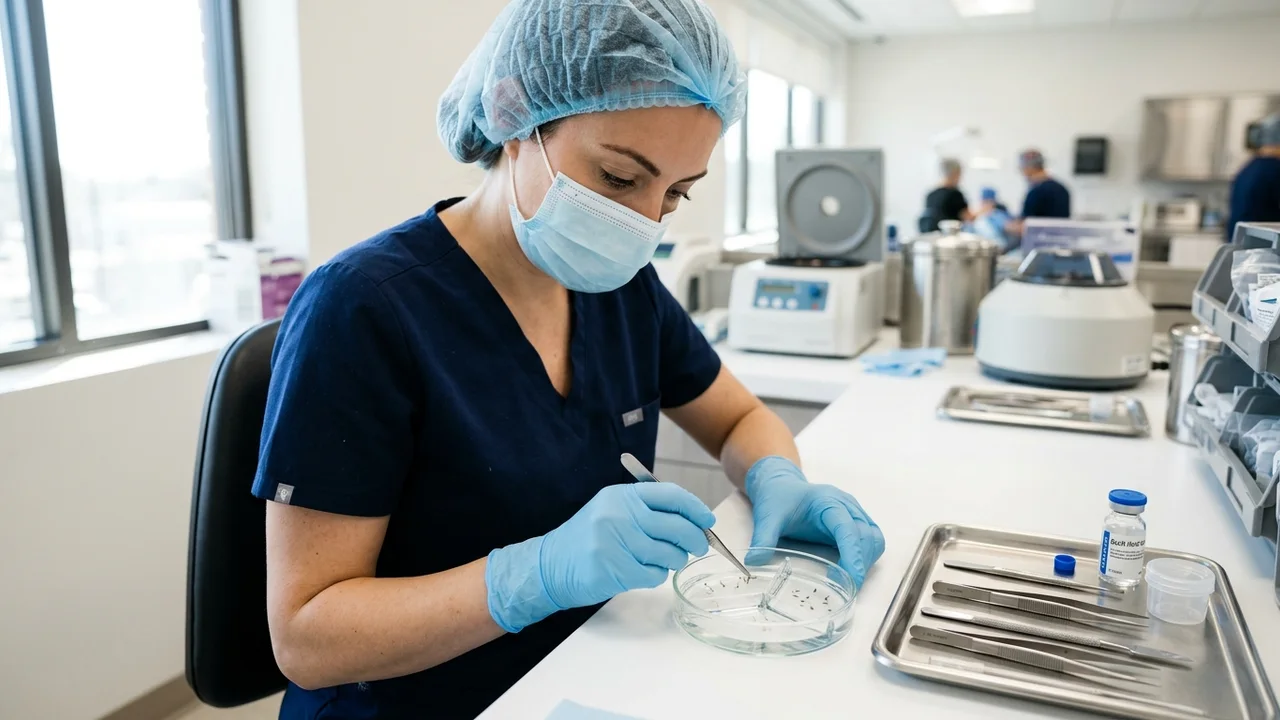
| Graft Handling & Storage | Once extracted, grafts are extremely vulnerable to dehydration and oxygen deprivation. They must be immediately placed in a chilled preservation solution (e.g., HypoThermosol or sterile saline) at 4-8°C. Minimising 'out-of-body' time is critical. |
| Recipient Site Creation | Incisions must be made at the correct depth, angle, and density to ensure a natural result and optimal blood supply. Techniques like Sapphire FUE use fine blades to create cleaner channels, potentially improving graft seating and healing. |
| Implantation Technique | Grafts must be placed gently without being crushed or bent. Whether using forceps or a DHI Choi implanter pen, the technique must ensure the graft is seated securely at the correct depth to facilitate revascularisation. |
Post-Procedure Care: Maximising Your Graft Survival
The patient's role in the weeks following surgery is just as critical as the procedure itself. Diligent aftercare directly influences the final outcome:
- Adhering to Aftercare Instructions: Your clinic's protocol for washing, sleeping, and activity is not a suggestion—it is a medical instruction designed to protect the fragile grafts during the first 7-10 days of healing. Strict compliance is essential.
- Protecting the Scalp: For the first two weeks, the recipient area must be protected from all physical trauma, including scratching, rubbing, or direct impact. Shielding the scalp from intense sun exposure is also vital to prevent inflammation.
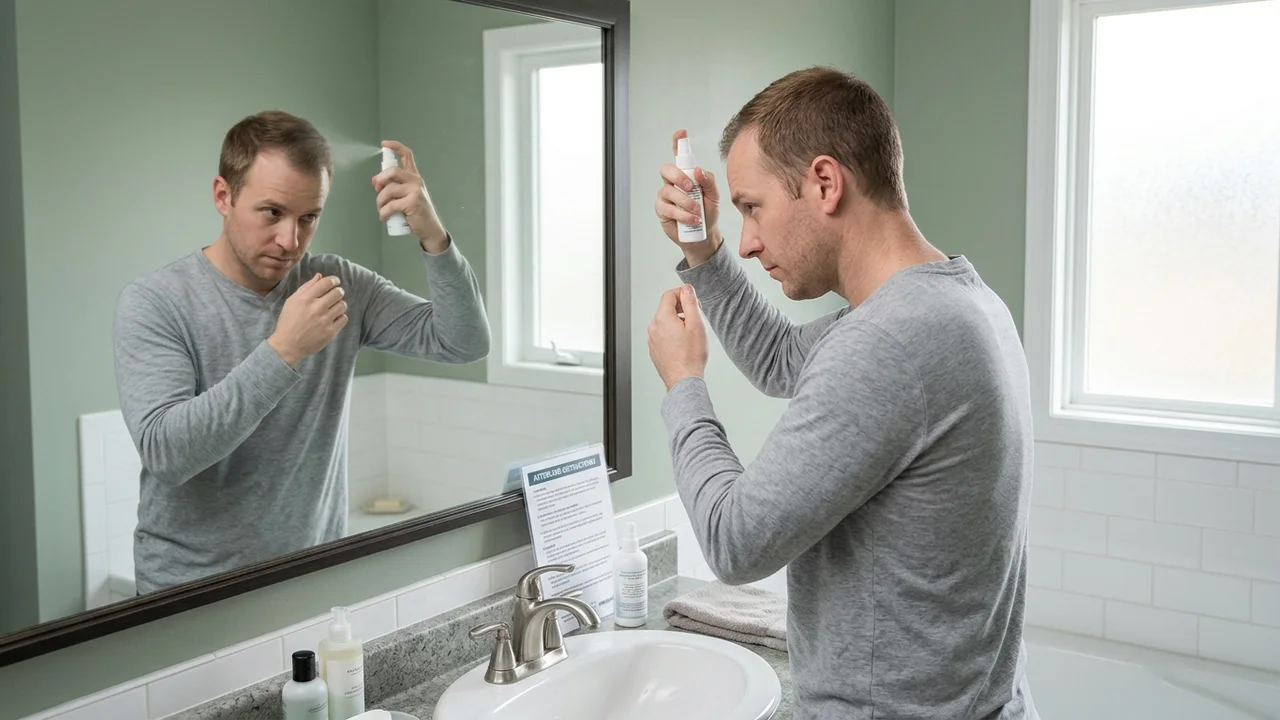
- Avoiding Harmful Habits: Nicotine is a potent vasoconstrictor that restricts blood flow and oxygen delivery to the scalp, directly impairing graft survival. Alcohol can cause dehydration and interfere with healing. Both should be avoided as advised.
- Medication Compliance: Medications like Minoxidil or Finasteride support the long-term health and growth of both native and transplanted hair, helping to manage the underlying cause of hair loss. Refer to our guide: Minoxidil and Finasteride After Hair Transplant.
Biological Factors Influencing Graft Viability
Beyond procedural control, inherent biological characteristics can also affect graft survival rates:
- Individual Healing Capacity: Each person's ability to heal and regenerate tissue varies based on age, metabolism, and general health. This influences how quickly new blood vessels form to nourish the transplanted grafts.
- Blood Supply to Recipient Area: A rich vascular network in the recipient scalp is vital. Areas with significant scarring from trauma or previous surgeries may have reduced blood flow, which must be considered during surgical planning.
- Hair Characteristics: The physical properties of the hair matter. For example, the curved nature of follicles in Afro-textured hair requires specialised extraction techniques to avoid damage and ensure high survival rates. Refer to: Afro-Textured Hair Transplants: Why Specialist Expertise is Critical.
- Underlying Health Conditions: Even well-managed chronic conditions can affect the body's inflammatory response and the microenvironment of the scalp, potentially influencing the healing process.
The Role of Technology and Innovation in Graft Survival
Continuous advancements in medical technology provide surgeons with better tools to protect and preserve grafts:
- Advanced Storage Solutions: Specialised bio-preservation media like HypoThermosol are formulated to reduce cellular stress, provide nutrients, and maintain the grafts in a healthier state while they are outside the body (ex vivo).
- Improved Instrumentation: The use of sapphire blades in FUE allows for finer, sharper incisions that may cause less tissue trauma. DHI implanter pens offer precise control over the depth, angle, and placement of each graft in a single motion.
- Magnification and Lighting: High-powered surgical loupes and microscopes are standard for quality control. They enable the surgical team to perform delicate tasks with high precision, minimising the risk of accidental damage to follicles.
Choosing a Clinic for Optimal Graft Survival
Your choice of clinic is the single most important factor determining your graft survival rate. A leading clinic in Turkey, such as Turkey Hair Center, will:
- Employ Experienced Surgeons: Look for a team whose expertise translates into low follicle transection rates and consistently high-quality results.
- Maintain High Standards of Care: This includes impeccable sterilisation, state-of-the-art equipment, and a well-trained medical team dedicated solely to hair restoration.
- Provide Comprehensive Aftercare: A quality clinic provides clear post-operative instructions and remains accessible for support and guidance throughout your recovery period.
- Prioritise Patient Education: The team will ensure you have a clear, realistic understanding of the procedure, your role in the outcome, and the expected graft survival rate for your specific case.
Prioritising clinical expertise and documented results over cost is the most reliable way to achieve the high graft survival necessary for a successful and lasting hair transplant. See our guide: How to Choose a Hair Transplant Clinic in Turkey.
Medical disclaimer: This article is for informational purposes only and is not medical advice. Individual results vary from person to person. Always consult a qualified doctor before any hair transplant procedure.
Get a Free Hair Analysis from Our Experts
Use our free online help tool to communicate your hair loss concerns – it only takes a few minutes. We’ll provide you with a personalized, non-binding quote.
Let’s Call You!

Popular Blogs
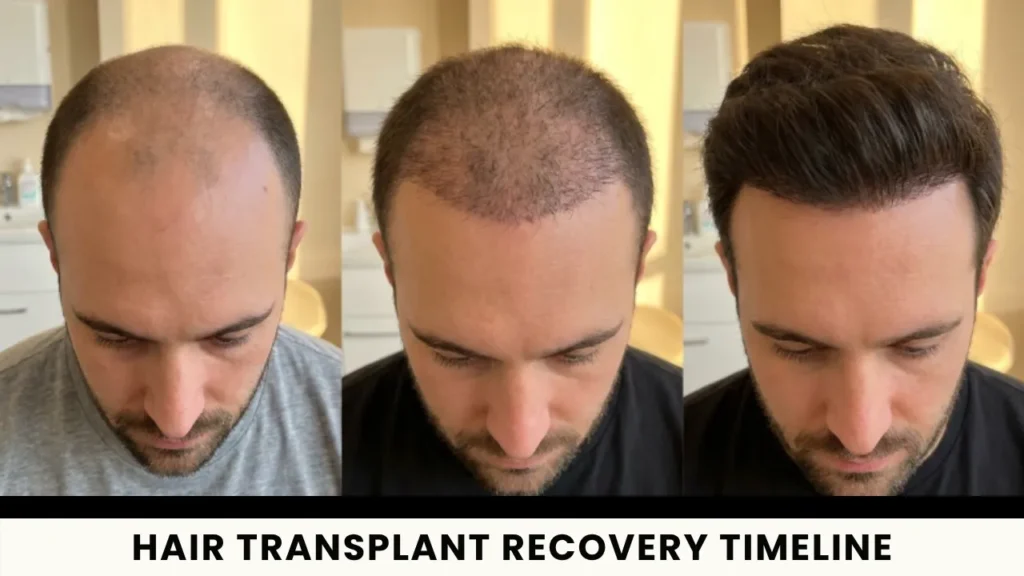
Hair Transplant Recovery Timeline: Day-by-Day, Week-by-Week and Month-by-Month Guide
Hair Transplant Recovery Timeline: Day-by-Day, Week-by-Week and Month-by-Month Guide Free Hair Analysis Homepage Blog Wayne…

Justin Bieber Hair Transplant: Hairline Analysis, Before & After Photos, Rumors & Expert Opinion
Justin Bieber Hair Transplant: Hairline Analysis, Before & After Photos, Rumors & Expert Opinion Free…
Wayne Rooney Hair Transplant: Before & After
Wayne Rooney Hair Transplant: Before & After Free Hair Analysis Homepage Blog Wayne Rooney Hair…

Conor McGregor Hair Transplant: Before & After
Conor McGregor Hair Transplant: Before & After Free Hair Analysis Homepage Blog Conor McGregor Hair…
Turkey Visa Requirements for Hair Transplant in Turkey
Turkey Visa Requirements for Hair Transplant in Turkey Free Hair Analysis Homepage Blog Turkey Visa…
David Silva Hair Transplant: Before & After
David Silva Hair Transplant: Before & After Free Hair Analysis Homepage Blog Discover David Silva…
Ready To
Book Your Appointment?
Reach out to us or complete our simple online form
and we’ll contact you to schedule a time that works perfectly for you.



Frequently Asked Questions