Who Is a Candidate?
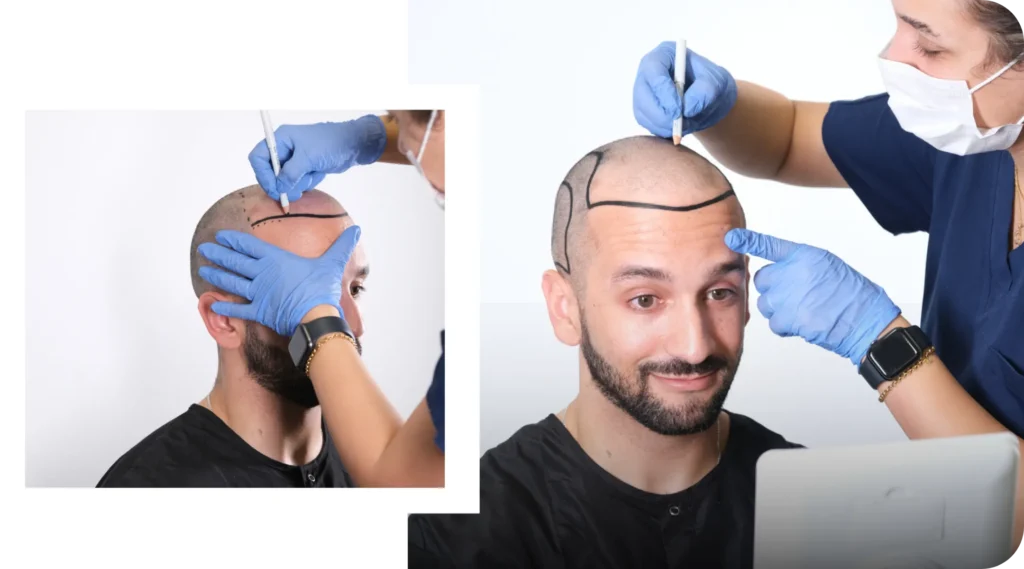
A good candidate generally has a sufficiently stable pattern of hair loss or an appropriate medical plan for managing ongoing hair loss. They also need a healthy scalp and a dense donor area. Without enough donor hair follicles, transplant surgery may not be appropriate, or surgery may only provide limited coverage.
Who Is Not a Good Candidate?
If patients have an active scalp disease or uncontrolled inflammatory conditions, surgery is not the first thing to consider. For patients with limited donor capacity, transplant surgery may not be suitable. Before thinking about hair transplant surgery, underlying conditions have to be evaluated or managed. Unrealistic expectations may also make a patient unsuitable for surgery until expectations and treatment goals can be appropriately addressed.
What Is a Hair Graft?
A graft is not a single hair. A follicular unit graft commonly contains one to several hairs, although the exact number varies by the patient's natural follicular grouping.
How Many Grafts Do You Need?
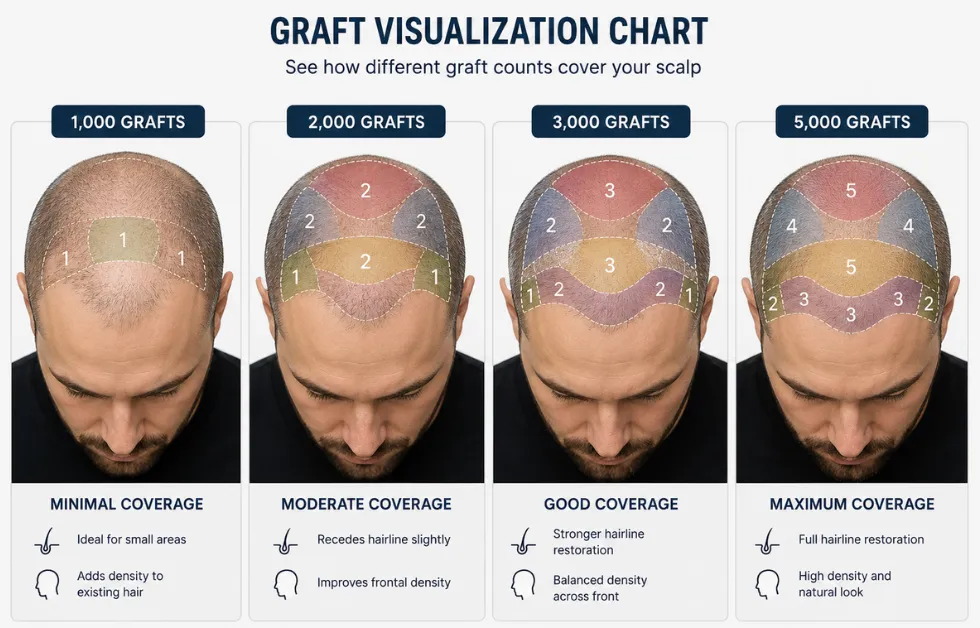
Small hairline corrections might require 1,000 to 2,000 grafts. Moderate to advanced thinning often pushes that number to 3,000 or 5,000 grafts. A doctor determines this based on your specific level of baldness and hair caliber.
How Much Do 3,000 Hair Grafts Cost in the USA?
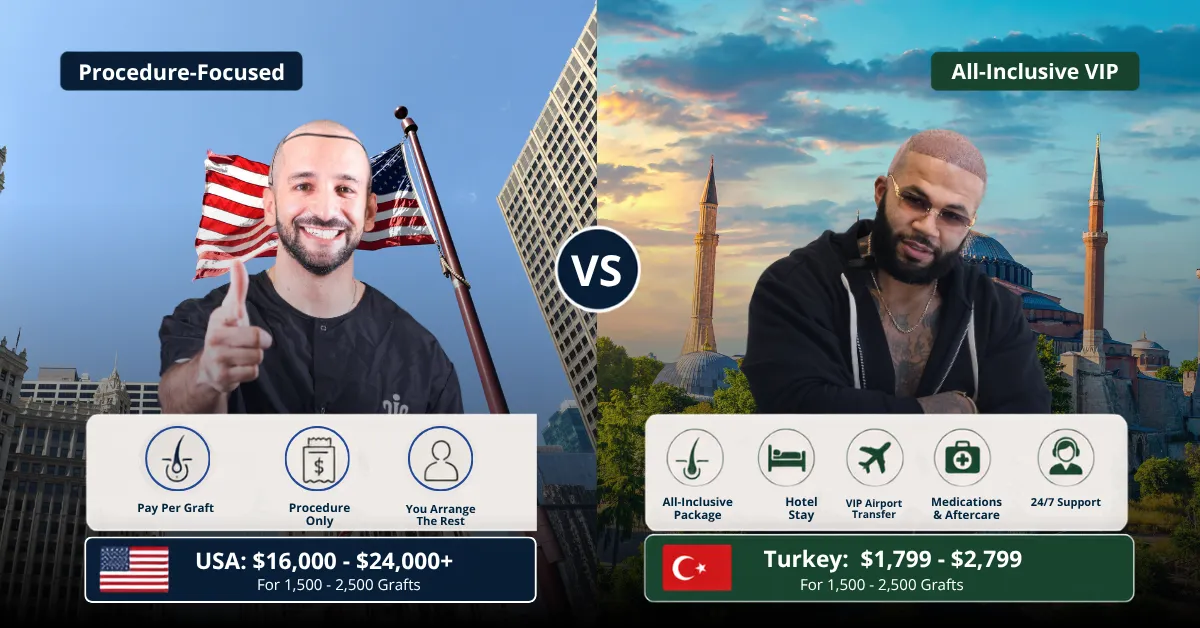
For a 3,000-graft procedure, U.S. clinics typically charge between $12,000 and $21,000 based on average per-graft pricing. This range may apply to patients requiring substantial frontal restoration and/or additional mid-scalp density.
Which Option Offers Better Value?
Affordable surgery is great, but only if it is clinically safe. When comparing costs, factor in flights, hotel stays, and the quality of post-operative care. The best value is the clinic that provides a safe, natural, and long-lasting result.
Is Hair Transplant Surgery 100% Safe?
No surgical intervention comes with a guarantee of absolute safety. Under the hands of a qualified team, hair transplantation is a remarkably safe procedure. But inherent clinical risks remain. Localized infection, bleeding, noticeable scarring, temporary numbness, substandard graft survival, and
aesthetically unnatural placement may occur.
How Painful Is Hair Transplant Surgery?
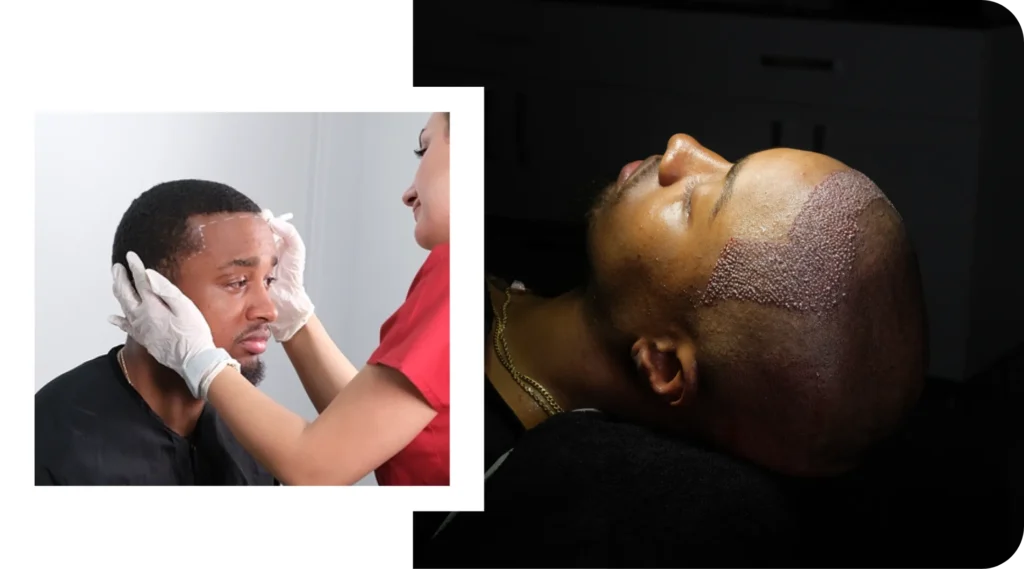
For this procedure, local anesthesia is generally enough for most patients. During the follicle collection and implantation phases, the local anesthesia blocks pain. When the numbing agents are injected, you might feel odd sensations. Like pulling, pressure, or brief stinging. But that's it. After the procedure, most patients find the post-operative soreness quite manageable with standard painkillers.
Are Hair Transplants Permanent?
In
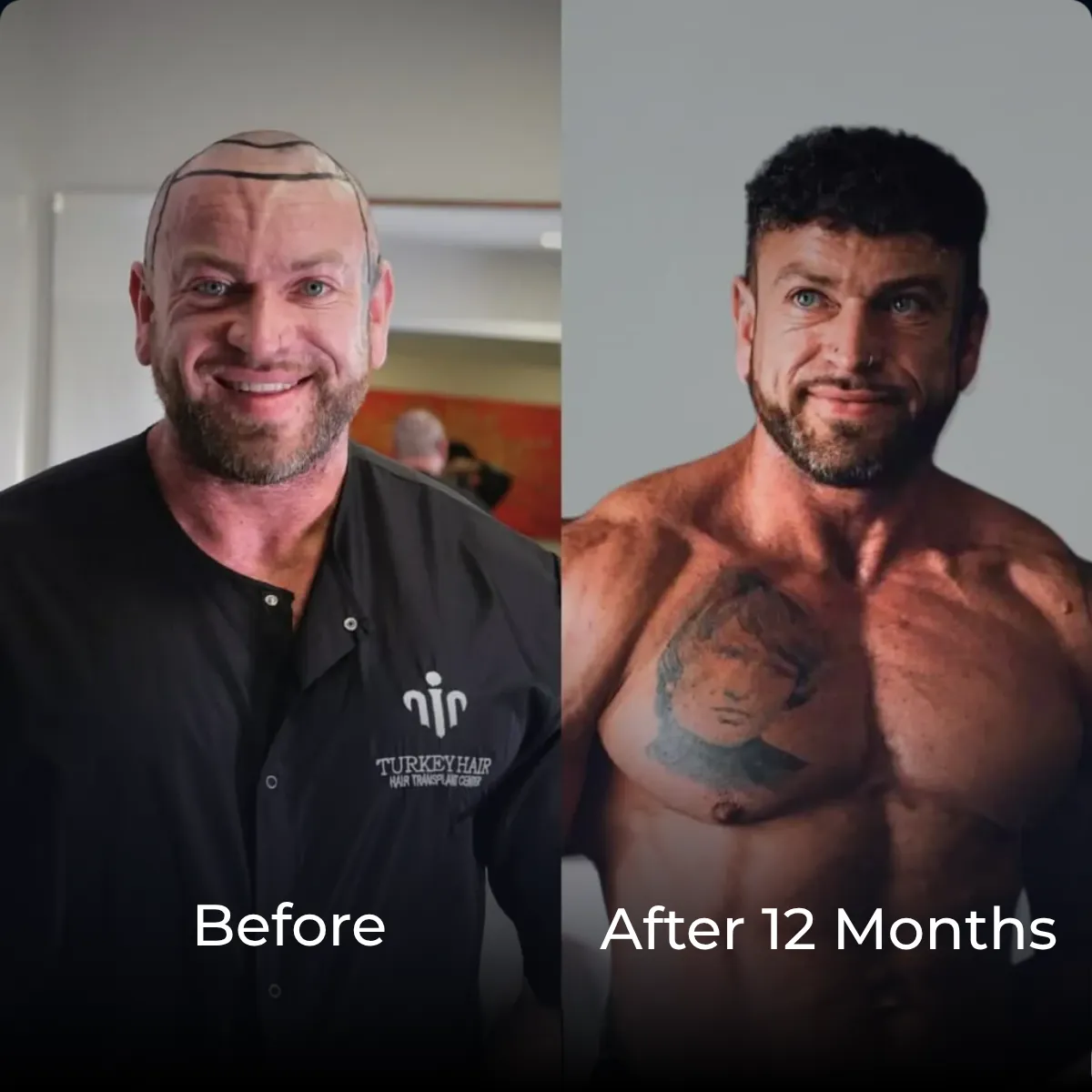
hair transplant surgery, surgeons extract the balding-resistant follicles from your donor area. So the transplanted follicles are intended to last for life. Still, the outcome relies on some variables. Like patient-unique donor genetics, the precision of the surgical plan, cellular survival rates, and whether your native hair continues to thin over time.
What Happens 10 Years After a Hair Transplant?
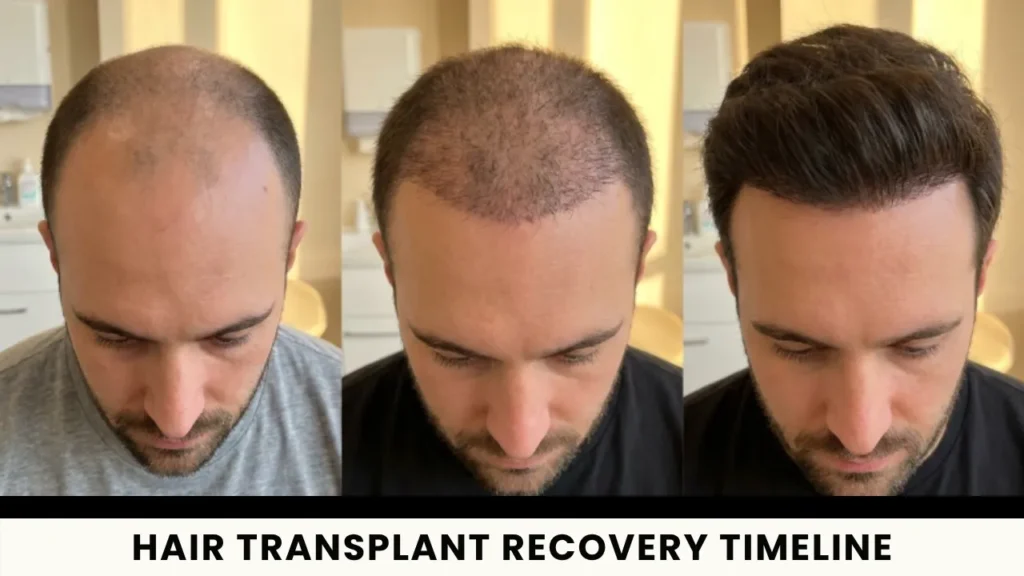
As we pointed out before, surgeons harvest the DHT-resistant (balding-resistant) follicles from your donor area. This area is usually the back or sides of your head. Because of this resistance, transplanted grafts usually stay healthy for decades. The caveat? In 10 years, your native hair may still thin or fall out. So how your hairline looks a decade later hinges heavily on your native and transplanted hair blend.
Will You Need a Second Procedure?
It remains a distinct possibility. Should your original hair recede further behind the newly reconstructed areas, you may need a follow-up session to bridge the resulting gaps.
How much is hair transplant surgery?
Across the United States, patients typically spend anywhere from $4,000 to well over $20,000. That massive range stems from variables like total graft volume, extraction methodology, clinic zip code, and the operating doctor's pedigree. Meanwhile, clinics in Turkey structure their fees around all-inclusive packages at a much lower price point, though the degree of direct physician oversight fluctuates heavily from center to center.
How much does hair transplant surgery cost in the USA?
U.S. clinics typically charge per graft. Depending on your hair loss level, total costs generally span from $8,000 to over $20,000, influenced by the clinic's state and the surgeon's reputation.
How much is hair transplant surgery in Texas or California?
Local real estate and market saturation dictate these numbers. Texas boasts a highly competitive landscape with varied pricing, whereas California operates as a premium tier. Sky-high overhead in coastal hubs inevitably pushes patient invoices far past the national median.
How much do 3,000 or 5,000 hair grafts cost in the USA?
For a 3,000-graft session in the USA, expect to pay between $12,000 and $21,000. Pushing the boundary to 5,000 grafts, the financial window is roughly $20,000 up to $35,000. 5,000 grafts may sound good. But it is a very big undertaking. Prices vary based on the required clinic resources and surgical labor.
Will insurance cover hair transplant surgery?
In large part, no. Because pattern baldness treatments are classified as elective cosmetic procedures. Standard health policies reject these claims.
Is hair transplant surgery 100% safe?
Every surgical intervention carries risk. While serious complications remain rare under an experienced medical team, patients still face some risks. Tissue infections, excessive bleeding, visible scarring, loss of sensation, and failed follicle growth are some of these.
How painful is hair transplant surgery?
Doctors use local anesthetics to numb the surgical field. The biggest discomfort hits right at the start during numbing injections. Once the scalp goes numb, pain vanishes. After the surgery, there is usually only mild soreness that responds well to basic painkillers.
How long will hair transplants last?
Transplanted follicles are generally intended to provide long-lasting growth. However, the final appearance years later also depends on the ongoing progression of your native hair loss.
Can hair transplant surgery be financed?
Absolutely. Many practices partner with medical lenders to break up the lump sum. However, approval odds, introductory interest rates, and payback terms shift drastically based on your credit profile.
Is hair transplant surgery worth it?
Assuming you pass the clinical candidacy checks, surgically restoring your hairline delivers profound psychological and aesthetic upgrades that pay dividends for decades.