Scalp Micropigmentation (SMP) vs Hair Transplant: Which Is Best for You in 2026?
Homepage

Blog
Scalp Micropigmentation (SMP) vs Hair Transplant: Which Is Best for You in 2026?
Medical Reviewed By Dr. Tompi, M.D – Plastic & Aesthetic Surgeon
Written By Nazmi G, Trichologist

Facing hair loss can be a challenging experience, and navigating the various restoration options available can feel overwhelming. For many, the choice often comes down to two prominent methods: Scalp Micropigmentation (SMP) and a traditional Hair Transplant. Both aim to address the visual impact of hair thinning or baldness, but they achieve this through fundamentally different approaches.
Understanding the distinctions between these procedures is crucial for making an informed decision that aligns with your personal goals, expectations, and lifestyle. This comprehensive guide will delve into the mechanics, benefits, drawbacks, and long-term implications of both SMP and hair transplants, helping you determine which path might be the most suitable for your unique situation in 2026.
Understanding Hair Transplants: A Permanent Solution
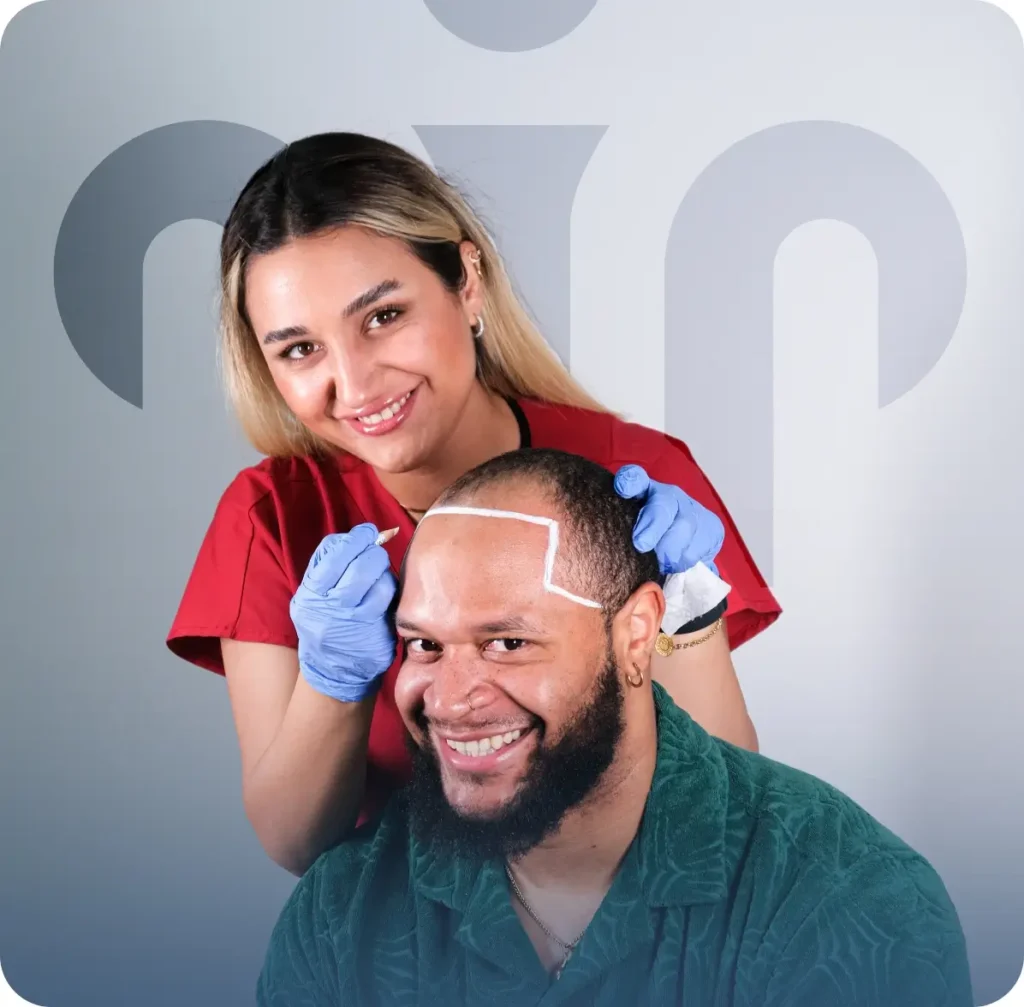
A hair transplant is a surgical procedure designed to restore natural, growing hair to areas of the scalp experiencing baldness or significant thinning. It involves harvesting healthy hair follicles from a 'donor area' (typically the back or sides of the head, where hair is genetically resistant to balding) and meticulously implanting them into the 'recipient area' where hair is desired.
The two primary techniques are Follicular Unit Extraction (FUE) and Direct Hair Implantation (DHI). Both methods ensure that the transplanted hair continues to grow naturally for life, behaving just like the hair from the donor area. This means you can wash, cut, and style your new hair as you would your existing hair. The result is a truly natural appearance and texture, offering a permanent solution to hair loss. For more in-depth information on specific techniques, you can explore our dedicated pages on FUE Hair Transplants and DHI Hair Transplants.
What is Scalp Micropigmentation (SMP)? A Cosmetic Illusion
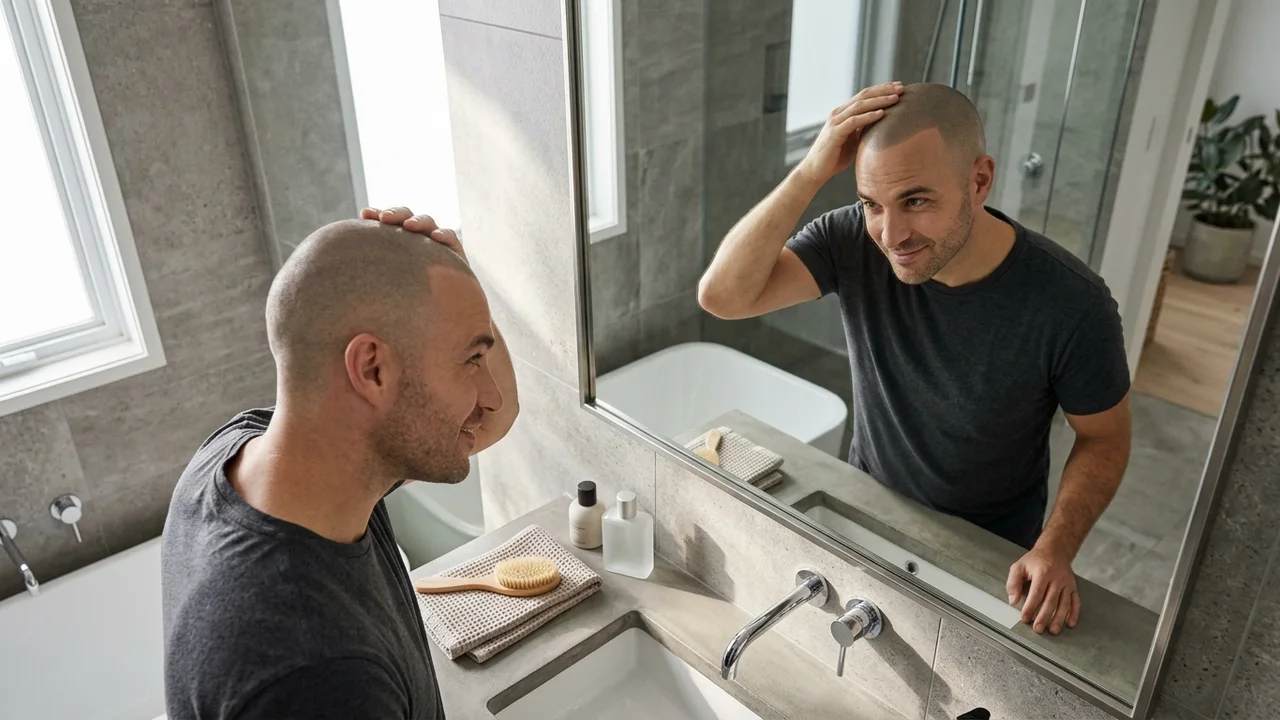
Scalp Micropigmentation, often referred to as a 'hair tattoo', is a non-surgical cosmetic procedure. It involves using highly specialised needles to deposit tiny, natural-looking pigments into the epidermal layer of the scalp. These pigments are applied in a stippling pattern, creating the illusion of hair follicles and mimicking the appearance of a closely shaved head or adding density to thinning areas.
SMP does not involve any actual hair growth; instead, it creates a visual effect of fullness. It can effectively camouflage bald spots, create a defined hairline, or reduce the contrast between the scalp and existing hair. While immediate visual results are a significant appeal, it's important to remember that SMP is a cosmetic enhancement, not a biological restoration of hair.
Key Differences: Real Hair vs. Visual Density
The core distinction between a hair transplant and SMP lies in what they deliver. A hair transplant provides genuine, living hair follicles that grow naturally, offering a permanent, tactile, and stylable solution. The transplanted hair will have its own texture, colour, and will continue to grow, requiring regular cutting and styling just like the rest of your hair.
SMP, on the other hand, provides a visual illusion of density or a shaved head. The pigments create dots that look like hair follicles but do not grow, cannot be styled, and do not offer any tactile sensation of hair. While it creates a convincing visual effect, especially for those who prefer a closely shaven look, it is not actual hair.
Suitability and Candidacy: Who Benefits Most?
Choosing between SMP and a hair transplant often depends on your specific hair loss pattern, the availability of donor hair, and your desired outcome.
- Hair Transplant Candidacy: Generally, good candidates for hair transplantation have stable hair loss, a sufficient supply of healthy donor hair (typically from the back or sides of the head), and realistic expectations about the results. It's ideal for individuals who want to regain a full head of growing hair, restore a receding hairline, or fill in thinning areas with natural hair. Factors like the best age for a hair transplant and overall health are also considered.
- SMP Candidacy: SMP is an excellent option for individuals with extensive baldness where a hair transplant might not be feasible due to limited donor hair. It's also suitable for those who prefer a closely shaved or 'buzz cut' look and want to add density to their scalp. SMP can also be used to camouflage scars from previous surgeries (including older FUT hair transplant scars) or to enhance the appearance of density for individuals with thinning hair who may not be ready for or suitable for a hair transplant.
Procedure and Recovery: What to Expect
The procedural and recovery experiences for SMP and hair transplants are quite distinct.
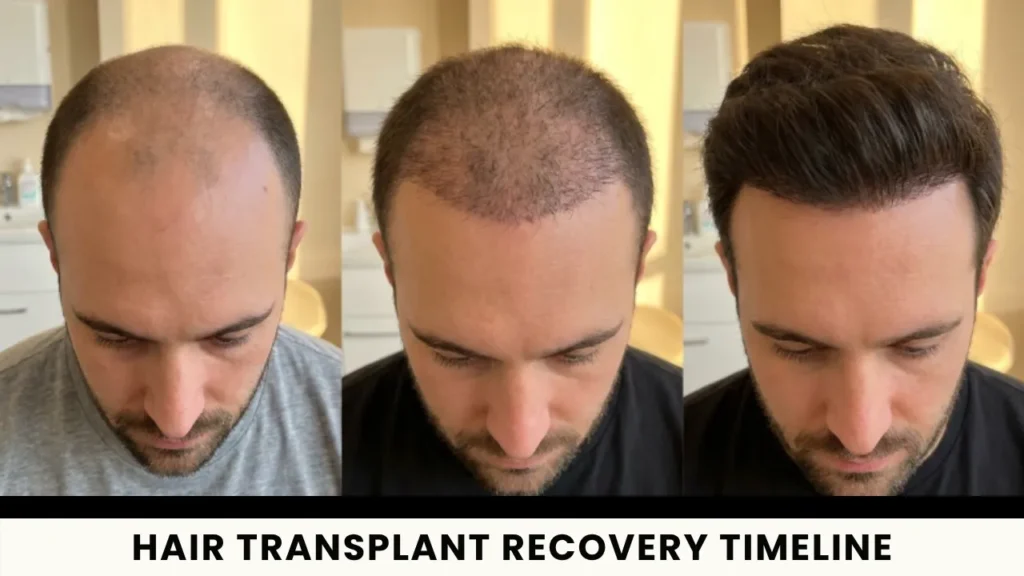
- Hair Transplant Procedure: This is a surgical procedure typically performed under local anaesthesia. It can take several hours, depending on the number of grafts. Recovery involves a period of healing, with some redness, swelling, and scabbing in the donor and recipient areas. Initial shedding of transplanted hair is normal, followed by gradual regrowth over 6-12 months. Our hair transplant recovery timeline offers a detailed day-by-day guide.
- SMP Procedure: SMP is a non-surgical procedure usually completed over 2-4 sessions, each lasting a few hours, spaced a week or two apart. It involves minimal discomfort and virtually no downtime. You can typically return to most normal activities immediately after a session. There might be some mild redness on the scalp for a day or two, but this quickly subsides.
Longevity and Maintenance: The Long-Term View
Considering the long-term commitment and maintenance requirements is vital for both procedures.
- Hair Transplant Longevity: Hair transplant results are considered permanent. The transplanted follicles are genetically resistant to the hormone that causes pattern baldness, meaning they will continue to grow for a lifetime. Routine hair care is all that's typically needed after the initial recovery and growth phase.
- SMP Longevity: While SMP is long-lasting, it is not permanent. The pigments used are designed to fade gradually over time, typically requiring touch-up sessions every 3-5 years to maintain their vibrancy and natural appearance. Factors like sun exposure, skin type, and lifestyle can influence the rate of fading.

Cost Considerations: Initial vs. Lifetime Investment
The financial aspect is a significant factor, and it's important to look beyond the initial price tag to understand the true long-term investment.
- Hair Transplant Cost: A hair transplant usually represents a higher initial investment. However, because the results are permanent and require minimal ongoing maintenance costs, it can be viewed as a one-time investment for a lifetime of natural hair. You can find detailed information on hair transplant costs in 2026.
- SMP Cost: SMP generally has a lower initial cost compared to a full hair transplant. However, the need for regular touch-up sessions every few years means there are recurring expenses over time. When considering the cumulative cost over decades, SMP can, in some cases, approach or even exceed the lifetime cost of a hair transplant.
| Feature | Hair Transplant | Scalp Micropigmentation (SMP) |
|---|---|---|
| Nature of Result | Real, growing hair | Visual illusion of hair follicles (pigment) |
| Permanence | Permanent (for transplanted hair) | Long-lasting but requires touch-ups (3-5 years) |
| Texture & Styling | Natural texture, can be styled, cut, washed | No texture, cannot be styled |
| Procedure Type | Surgical (minor) | Non-surgical (tattoo-like) |
| Downtime/Recovery | Weeks for initial healing, months for full growth | Minimal (hours to days for redness) |
| Initial Cost | Higher | Lower |
| Lifetime Cost | Generally a one-time investment | Recurring costs for touch-ups |
| Ideal Candidate | Good donor hair, desire for natural growing hair | Limited donor hair, preference for shaved look, camouflaging scars |
Potential Risks and Side Effects
As with any procedure, both SMP and hair transplants carry potential risks, though they are generally minimal when performed by experienced professionals.
- Hair Transplant Risks: Minor risks include temporary swelling, bruising, numbness, and itching. More serious, but rare, complications can include infection or poor growth. Scarring in the donor area is possible, but modern techniques like FUE minimise this significantly. You can learn more about hair transplant scars on our dedicated page.
- SMP Risks: Potential risks include allergic reactions to pigments (rare), uneven pigment fading, or an unnatural appearance if the technician lacks skill or uses unsuitable pigments. Poorly applied SMP can also discolour over time, turning bluish or greenish, which requires corrective procedures.
Making Your Decision: Which Path is Right for You?
The choice between scalp micropigmentation and a hair transplant ultimately depends on your individual circumstances, aesthetic goals, and what you prioritise in a hair restoration solution. If you desire natural, growing hair that you can style and treat as your own, and you have sufficient donor hair, a hair transplant is likely the more suitable option. It offers a permanent, organic solution to baldness.
If you have extensive hair loss with limited donor hair, prefer a closely shaved look, or are looking for a non-surgical way to add visual density or camouflage scars, SMP could be an excellent choice. It provides an immediate cosmetic enhancement with minimal downtime. The best approach is to consult with a hair restoration specialist who can assess your specific situation, discuss your expectations, and help you navigate the options to find the path that best suits you.
Medical disclaimer: This article is for informational purposes only and is not medical advice. Individual results vary from person to person. Always consult a qualified doctor before any hair transplant procedure.
Get a Free Hair Analysis from Our Experts
Use our free online help tool to communicate your hair loss concerns – it only takes a few minutes. We’ll provide you with a personalized, non-binding quote.
Let’s Call You!

Popular Blogs
Hair Transplant Recovery Timeline: Day-by-Day, Week-by-Week and Month-by-Month Guide
Hair Transplant Recovery Timeline: Day-by-Day, Week-by-Week and Month-by-Month Guide Free Hair Analysis Homepage Blog Wayne…
Justin Bieber Hair Transplant: Hairline Analysis, Before & After Photos, Rumors & Expert Opinion
Justin Bieber Hair Transplant: Hairline Analysis, Before & After Photos, Rumors & Expert Opinion Free…
Wayne Rooney Hair Transplant: Before & After
Wayne Rooney Hair Transplant: Before & After Free Hair Analysis Homepage Blog Wayne Rooney Hair…

Conor McGregor Hair Transplant: Before & After
Conor McGregor Hair Transplant: Before & After Free Hair Analysis Homepage Blog Conor McGregor Hair…
Turkey Visa Requirements for Hair Transplant in Turkey
Turkey Visa Requirements for Hair Transplant in Turkey Free Hair Analysis Homepage Blog Turkey Visa…
David Silva Hair Transplant: Before & After
David Silva Hair Transplant: Before & After Free Hair Analysis Homepage Blog Discover David Silva…
Ready To
Book Your Appointment?
Reach out to us or complete our simple online form
and we’ll contact you to schedule a time that works perfectly for you.



Frequently Asked Questions