Shock Loss After a Hair Transplant: Why It Happens
Homepage

Blog
Shock Loss After a Hair Transplant: Why It Happens

Medical Reviewed By Dr. Tompi, M.D – Plastic & Aesthetic Surgeon
Written By Nazmi G, Trichologist


Shock loss is a normal and temporary phase of recovery. Between the second and fourth week post-transplant, many newly placed hair shafts—and sometimes adjacent native hairs—will shed. This occurs as the follicles enter a temporary resting state (telogen phase) due to the stress of the procedure. The follicles themselves remain secure in the scalp. This shedding is a sign that the follicles are resetting their growth cycle, with new, permanent hair growth typically beginning around the third or fourth month.
Many patients experience a temporary shedding phase known as 'shock loss' in the initial weeks after their procedure. This shedding of both transplanted and existing native hairs can cause understandable concern about the transplant's outcome. At Turkey Hair Center, we prioritise clear patient education to set realistic expectations for the recovery period. Understanding the mechanism of shock loss—a predictable physiological response to surgery—is key to navigating this temporary stage with confidence.
What Exactly Is Shock Loss?
Shock loss, clinically termed 'post-operative telogen effluvium', is the temporary shedding of hair shafts from follicles in and around the transplant area. It is crucial to distinguish this from the normal, expected shedding of the transplanted hair shafts themselves. Shock loss specifically refers to the reaction of pre-existing native hairs that are stressed by the surgical procedure, causing them to enter the telogen (resting) phase of the hair cycle prematurely.
The body interprets any surgical intervention, including Follicular Unit Extraction (FUE) or Direct Hair Implantation (DHI), as localised trauma. This stress disrupts the normal growth cycle of nearby follicles. Once these follicles enter the telogen phase, the hair shaft they hold is released and falls out over the subsequent weeks. The follicle itself is not damaged and will later re-enter the growth phase.

The Science Behind Shock Loss: Why Does It Happen?
The human hair cycle alternates between anagen (growth), catagen (transition), and telogen (resting) phases. A hair transplant procedure introduces several physiological stressors that can prematurely shift follicles into the telogen phase, resulting in shedding.
- Trauma to Existing Follicles: The creation of recipient sites for new grafts involves making micro-incisions in the scalp. This action can temporarily disrupt the delicate micro-circulation and nerve network around adjacent native follicles. This localised shock is enough to push vulnerable follicles, especially those already miniaturised by androgenetic alopecia, into a resting state.
- Donor Area Stress: The donor area can also experience some shedding. The extraction of thousands of follicular units places stress on the surrounding tissue. While significant loss is uncommon, some temporary thinning may occur, particularly in cases of dense harvesting.
- Physiological Stress of Surgery: The overall stress of the surgical procedure, including the administration of local anaesthesia and the body's natural healing response, can contribute to a systemic condition that influences the hair cycle.
- Inflammation: The scalp's natural inflammatory response, while essential for healing, can also send signals to nearby hair follicles. This localised inflammation can be another trigger that encourages follicles to enter the telogen phase as a protective measure.
When Does Shock Loss Typically Start and How Long Does It Last?
While the timeline can differ between individuals, shock loss follows a generally predictable pattern:
- Onset: Shedding typically begins between 2 and 4 weeks after the hair transplant surgery. This timing aligns with the natural cycle of a follicle entering the telogen phase and releasing its hair shaft.
- Duration: The period of noticeable shedding usually lasts for several weeks, often peaking between the first and third month post-procedure. During this time, the hair in transplanted areas may appear thinner than it did immediately after surgery.
- Recovery: As the follicles exit the telogen phase, they re-enter the anagen (growth) phase. New, fine hairs will begin to emerge, typically starting from month 3 or 4 onwards.
This table places shock loss within the wider context of your hair transplant recovery:
| Time Post-Transplant | Key Event | Shock Loss Status |
|---|---|---|
| Days 1-7 | Initial healing, scabs form | Not yet started |
| Weeks 2-4 | Scabs fall off, transplanted hairs begin to shed | Shock loss typically begins |
| Months 1-3 | Continued shedding of transplanted and native hairs | Peak shock loss period |
| Months 3-4 | Shedding starts to decrease | Shock loss begins to subside |
| Months 4-6 | New hair growth begins | Recovering, new growth visible |
| Months 6-12+ | Hair matures, density increases | Fully recovered, established growth |
Is All Hair Loss After a Transplant Shock Loss?
No. It is vital to differentiate between two types of shedding that occur after a transplant. The first is the shedding of the transplanted hair *shafts*. This is an expected and universal part of the process; the implanted follicular unit remains dormant beneath the skin before producing a new hair. This is not shock loss.
Shock loss refers specifically to the shedding of your pre-existing, *native* hair, usually located near or between the newly implanted grafts. This shedding is a temporary reaction to the surgical stress in the recipient area. Both forms of shedding are temporary and pave the way for synchronised new growth.
Minimising the Risk and Impact of Shock Loss
While this physiological response cannot be entirely prevented, certain measures can help mitigate its severity and support a robust recovery:
- Follow Aftercare Instructions Diligently: Strict adherence to your post-operative protocol is critical. This includes using the prescribed gentle washing technique, avoiding physical strain that increases blood pressure to the scalp, and protecting the area from sun exposure. Our Complete Hair Transplant Aftercare Checklist provides detailed guidance.
- Medication Adherence: Your surgeon may advise using medications like topical Minoxidil to help shorten the telogen phase or oral Finasteride to support existing native hairs susceptible to androgenetic alopecia. Discuss these options with your medical team, as detailed on our Minoxidil and Finasteride After Hair Transplant guide.
- Maintain a Healthy Lifestyle: Proper nutrition provides the building blocks for healing and hair growth. A balanced diet rich in protein, iron, zinc, and vitamins is beneficial. Good hydration and avoiding smoking are also key to optimising blood flow and tissue repair.
- Manage Stress: High levels of cortisol, a stress hormone, are known to potentially exacerbate telogen effluvium. Employing stress-management techniques can support your body's overall healing environment during the recovery months.

What to Expect After Shock Loss Subsides
Once the telogen effluvium phase concludes around the third or fourth month, you will enter the active growth stage of your recovery. The follicles that were resting will re-enter the anagen phase, and new hair will begin to emerge from the scalp. Initially, these new hairs may be very fine and thin, almost translucent.
Patience is essential. Over the following 12 to 18 months, these hairs will progressively mature, increasing in length, thickness, and pigment. The final density and texture of your result become apparent during this maturation period. For a more detailed overview, see our Hair Transplant Recovery Timeline.
The Emotional Aspect of Shock Loss
Experiencing hair shedding after investing in a transplant can be psychologically challenging. It is entirely normal to feel concerned when you see hair falling out, as it may seem counterintuitive to the goal of the procedure. At Turkey Hair Center, we prepare our patients for this possibility from the outset.
We encourage you to view shock loss not as a setback, but as a documented and transient part of the biological process of healing and regrowth. Our team remains available to you throughout your recovery to address any concerns and provide professional reassurance. Understanding the science helps transform anxiety into anticipation for the growth to come.
Medical disclaimer: This article is for informational purposes only and is not medical advice. Individual results vary from person to person. Always consult a qualified doctor before any hair transplant procedure.
Get a Free Hair Analysis from Our Experts
Use our free online help tool to communicate your hair loss concerns – it only takes a few minutes. We’ll provide you with a personalized, non-binding quote.
Let’s Call You!

Popular Blogs
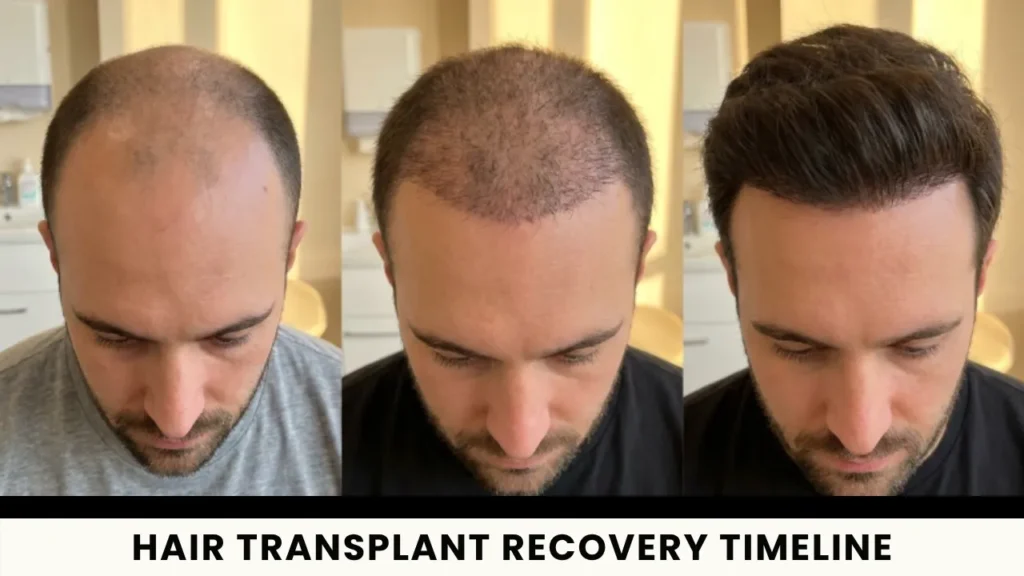
Hair Transplant Recovery Timeline: Day-by-Day, Week-by-Week and Month-by-Month Guide
Hair Transplant Recovery Timeline: Day-by-Day, Week-by-Week and Month-by-Month Guide Free Hair Analysis Homepage Blog Wayne…

Justin Bieber Hair Transplant: Hairline Analysis, Before & After Photos, Rumors & Expert Opinion
Justin Bieber Hair Transplant: Hairline Analysis, Before & After Photos, Rumors & Expert Opinion Free…

Wayne Rooney Hair Transplant: Before & After
Wayne Rooney Hair Transplant: Before & After Free Hair Analysis Homepage Blog Wayne Rooney Hair…

Conor McGregor Hair Transplant: Before & After
Conor McGregor Hair Transplant: Before & After Free Hair Analysis Homepage Blog Conor McGregor Hair…
Turkey Visa Requirements for Hair Transplant in Turkey
Turkey Visa Requirements for Hair Transplant in Turkey Free Hair Analysis Homepage Blog Turkey Visa…

David Silva Hair Transplant: Before & After
David Silva Hair Transplant: Before & After Free Hair Analysis Homepage Blog Discover David Silva…
Ready To
Book Your Appointment?
Reach out to us or complete our simple online form
and we’ll contact you to schedule a time that works perfectly for you.



Frequently Asked Questions