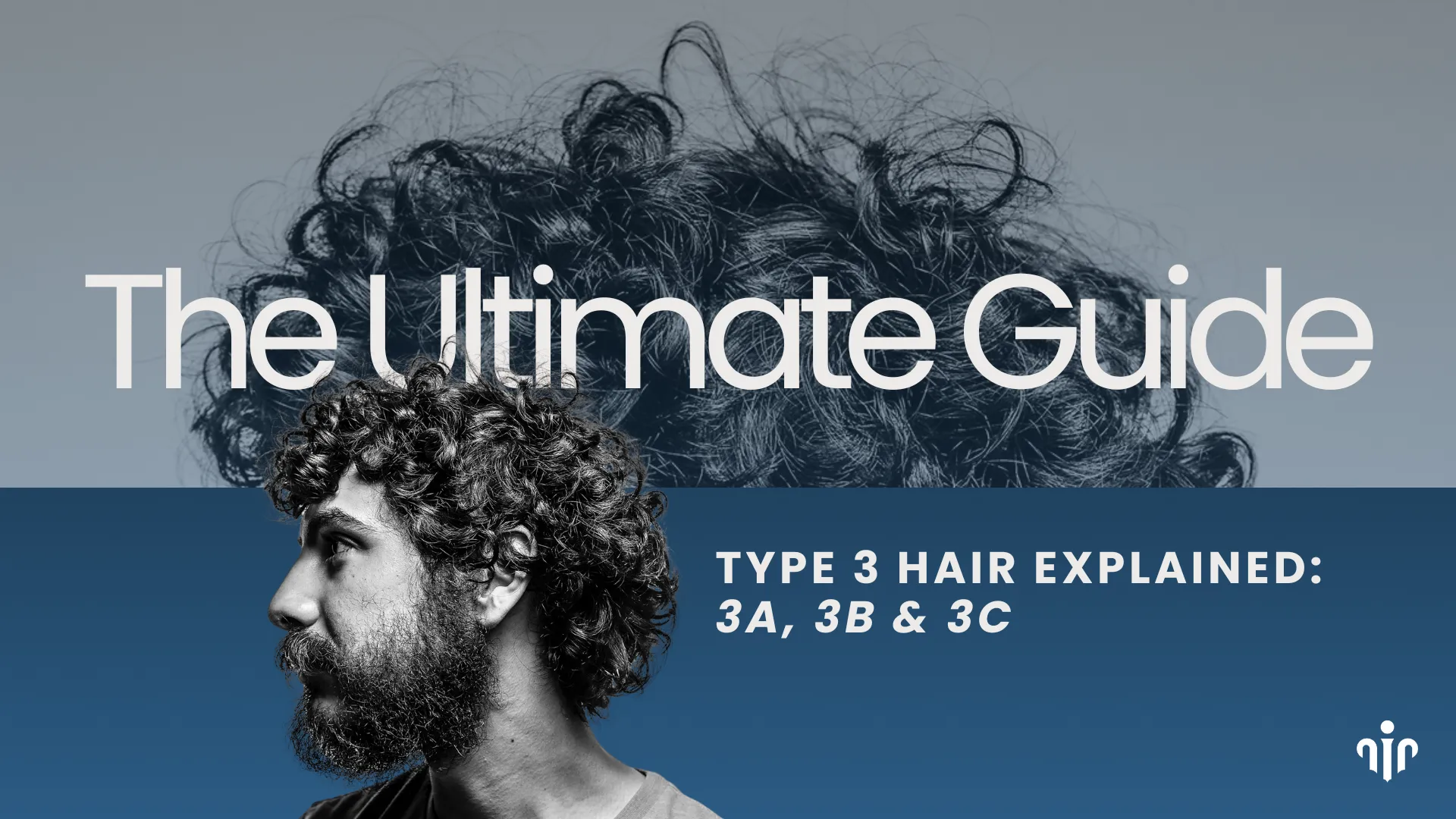
Type 3 natural curls look like clear spirals and ringlets instead of tightly curled or freely wavered hair. It has a texture that is somewhere between wavy and coily, and its curls are clear and moving. The curl design bends back and forth along the strand over and over, which makes the moisture distribution uneven. Because of this, it is important to know the structure, care needs, and behavior of curls to keep them healthy and uniform over time and in different places.Type 3 hair can have different kinds of curls, and those curls can change as the hair gets longer. Several parts on the same head can make it look like the fit is wider or tighter than it really is. Type 3 hair is very sensitive to humidity, using the wrong products, and touching it. When these things come together, curls are defined, flexible, and, with the right routine and mood, easy to take care of over time.
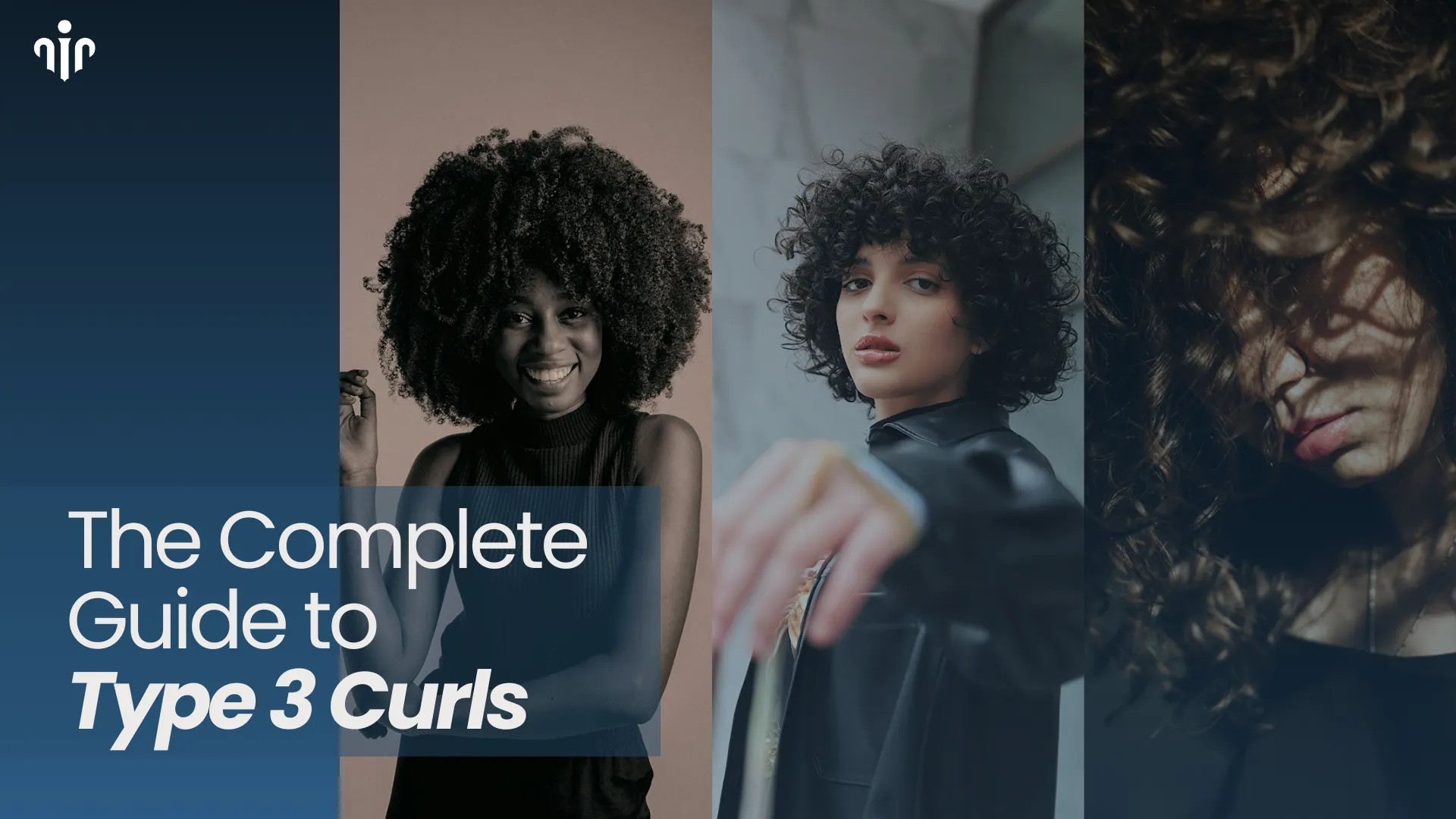
Type 3 curly hair has unique spring-like curls that look like full loops instead of soft waves. The curl design stays the same as you go down the hair shaft, which starts at the scalp. The natural oils do not sink in right away because hair is always moving. For curl definition, this structural feature makes it very important to keep the hair moist and handle it carefully.
Curls are also unique because they are elastic, which means they can stretch and shape themselves. If your type 3 curl is healthy, it will be bendy instead of stiff. Chemicals, high temps, or dryness, on the other hand, could make it less flexible. If you do not use moisture support devices and do regular maintenance, curls may lose their shape faster.
Common Characteristics of Type 3 Hair
Type 3 hair usually has curls, is thick, and is flexible. Sometimes curls are easy to spot, but if the temperature changes, they might look a little different. Hair frizz is even worse when it is humid outside. Because of these traits, keeping a sleek look requires maintaining moisture and styling with care.
Shrinkage is another common sign. This makes dried hair look shorter than it really is. People who are just starting to curl their hair may get wrong ideas about how long it is because of this. Tangling is another thing that can happen when curls meet. This is why it works best to condition and detangle hair while it is still wet.
How Type 3 Hair Differs from Wavy and Coily Hair
When compared to wavy hair, which has looser S-shaped patterns, type 3 hair has curls that are closer together and form swirls. Type 3 people end up with fuller, thicker hair on their head. To keep its shape, curly hair needs more wetness than wave hair, but the pros are greater than the cons. These differences in structure affect both how the designer works and what the customer buys.
| Hair Type | Pattern Shape | Typical Needs | Common Issues | Best Focus |
|---|---|---|---|---|
| Wavy (Type 2) | Loose “S” waves | Light moisture + hold | Frizz, flat roots | Volume + light definition |
| Curly (Type 3) | Spirals/ringlets | Balanced moisture + definition | Frizz, tangles, uneven moisture | Curl clumping + hydration |
| Coily (Type 4) | Tight coils/zig-zag | Deep moisture + protection | Shrinkage, breakage, dryness | Protective styling + moisture sealing |
Type 3 curls are bigger and less tightly packed than coily hair. A bigger density and more shrinkage are two things that define coily textures. Most of the time, type 3 hair makes the differences between curls, and their meanings stand out more. Because of these differences, care instructions made for coily hair might not work as well on Type 3 hair.
Type 3A Hair Overview
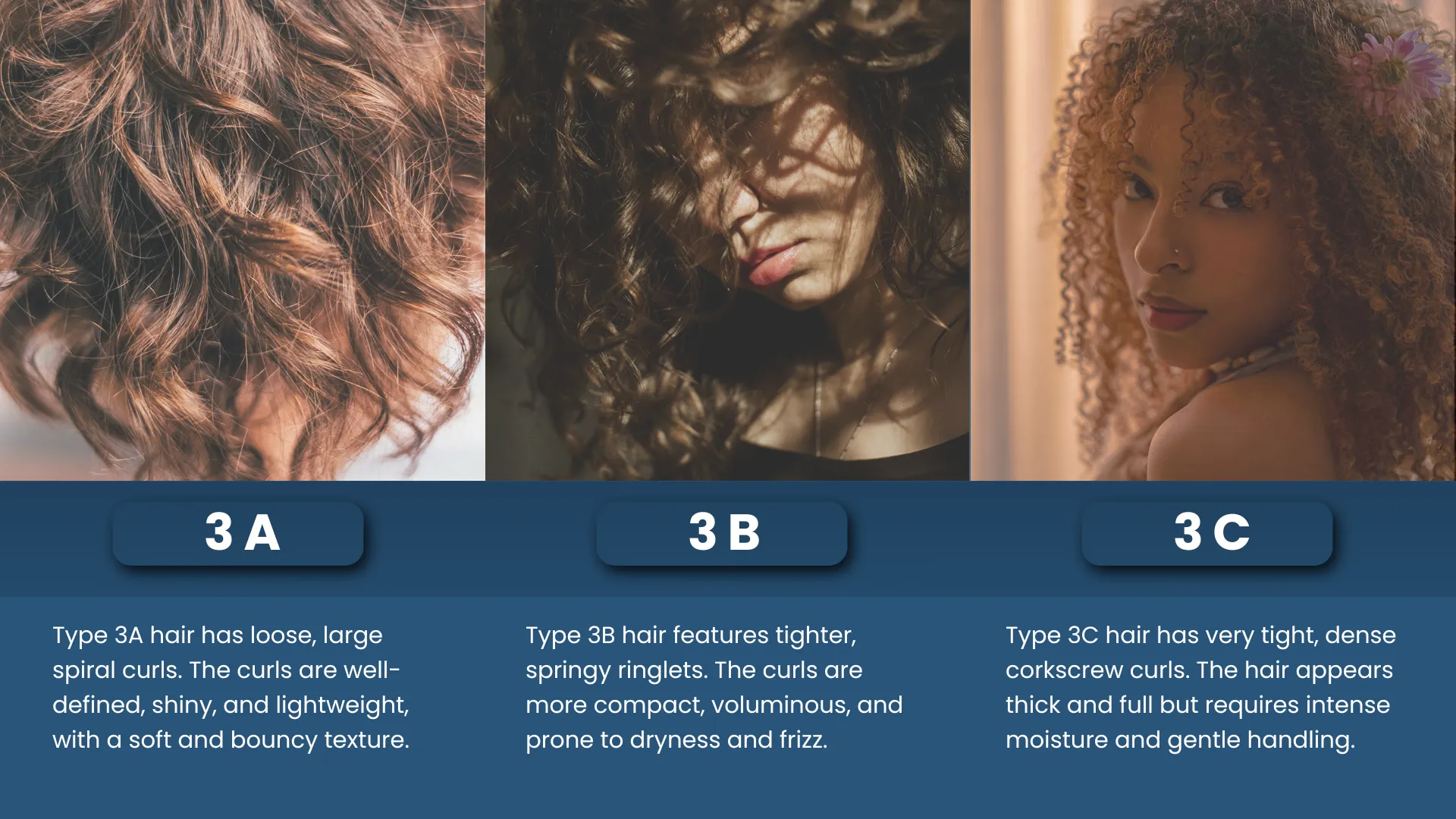
Type 3A hair curls are loose but well-defined, and they spread out into big, wide swirls. The tighter shape of these curls lets the hair’s natural oils flow more easily, making it look like the hair is smooth and shiny. Even though Type 3A hair is usually light and airy, it can still have trouble keeping its moisture balance steady. Understanding its structure is important if you want to understand how strongly it responds to things, styling methods, and changes in its surroundings.
| Subtype | Curl Size / Look | Typical Strand Feel | Key Challenges | Best Product Weight |
|---|---|---|---|---|
| 3A | Large, loose spirals | Fine–medium | Losing definition, frizz in wind/humidity | Lightweight (gel/foam, light leave-in) |
| 3B | Springy ringlets (marker/finger-sized) | Fine–medium | Dryness, tangles, shrinkage | Medium weight (cream + gel combo) |
| 3C | Tight corkscrews, very full | Fine–medium but looks dense | High dryness, knots, breakage risk | Rich moisture (leave-in + cream + sealant) |
Type 3A curls still need care, but they are generally easier to take care of than types with tighter curls. Its texture is soft, so heavy products could quickly make curls look unclear. If you do not give your hair enough water, it can get dry and frizzy at the same time. For this hair type, it is important to find the right balance between shaping the hair and letting it move and bounce.
Texture and Curl Pattern Of 3A Hair
Most of the time, 3A hair is fine to medium in thickness and has curls that make big puffy loops. The hair looks smooth and loose because you can see the curls, but they are not so tight. This is why healthy 3A curls have a natural shine and look great when they reflect light. But because they are loose, they are more likely to get buildup and style products.
How curly your 3A hair is will depend on how long it is and how you take care of it. Most of the time, curlier hair is shorter, but longer hair can loosen up the curls and make them bigger. It is also possible to ruin the design by brushing or moving it with too much force. Most people like haircuts that bring out the natural curls because of this.
Common Challenges With 3A Hair
It is normal for 3A hair to have trouble keeping its curls defined during the day. When it is windy or rainy, the curls will flatten out quickly because they do not have any structure. If the temperature is too low or if you stroke your hair too much, frizz can happen. To get regular results, it is important to use light hydration and handle things as little as possible.
The last task is to find the right amount of volume. You can not have curls if the cream is too thick or too thin. Too thick and the curls will fall out. Also, thinner strands can clump together more quickly. If you choose the right items and wash your 3A hair often, it will always look great.
Ideal Hair Lengths For 3A Curls
Shoulder-length hair or longer is best for this hair type so that the 3A curl pattern can form correctly without too much stress. Depending on how short or long the cut is, curls may stand out more or less. With matched lengths, it is easier to keep your shape, flexibility, and movement.
Type 3B Hair Overview
Ringlets, which are tighter and springier curls, are what type 3B hair is known for. These smaller curls are better than 3A curls because they give the whole head more volume and shape. Natural oils have a harder time getting into the hair when the curl pattern is tighter. So, to keep Type 3B hair soft, defined, and flexible in different settings, you may need to be more deliberate about how you handle moisture.
People with type 3B curly hair think it holds its shape better than other types, even though it can feel dry if it is not moisturized. Because curls are so tight, they are more likely to get tangled, even though they generally have a noticeable bounce. Changes in humidity and dryness are two examples of environmental factors that can have an instant effect on definition. If you know about these traits, you can choose styles and care methods that will keep their hair healthy and regular over time.
Texture and Curl Pattern Of 3B Hair
With 3B hair, the curls usually form tight, bouncy loops about the size of a finger or a marker. The hair can have a fine or medium thickness. There is no doubt that these curls are noticeable, and they usually stay in place without needing continuous style. With this style, the hair looks heavier and thicker than with styles that do not have and clear pattern. The layout makes the volume look bigger.
If you wet or touch 3B hair, the curl pattern might not stay the same. Curls keep their shape and form after the right kind of moisturizing. Too much friction or brushing, on the other hand, could break up groups of curls. So, when you style your hair, choose ways that do not require much care to keep the natural pattern and cut down on frizz.
Common Challenges With 3B Hair
It is harder for natural oils to spread through 3B hair because the curls are usually tighter. This makes the hair dry more often. If you do not condition your curls enough, they might become stiff or even stop being able to bend. Plus, frizz can show up quickly after a lot of treatment or when it is wet outside. So, the key to taking care of this type of hair is to keep it moist.
The fact that curls get tangled so easily adds to the problem. Dry detangling can hurt or change the shape of curls. It is also possible for heavier creams to build up on the hair, which is not good. Using a gentle method to detangle hair and a complete cleaning practice can fix these issues.
Shrinkage and Definition In 3B Hair
People with 3B hair often have problems with shrinkage, which can make dry hair look much shorter than it is. Even though shrinking means that something is flexible, it can change how long something seems. If you style and moisturize your hair the right way, your curls will stay defined and not lose their shape.
Type 3C Hair Overview
Type 3C hair is known for being very thick and tightly curled, making it look like a corkscrew. Since these curls are tighter and smaller than 3B curls, they make the hair look bigger and fuller. When you twist your hair very tightly, it is hard for natural oils to get to the ends. So, keeping Type 3C hair from drying out should be your top priority.
Type 3C hair might look thick and luxurious, but it is actually very weak. Handling tightly curled hair roughly, especially without care, makes it more likely to dry out and break. Put your hair and style away first and make sure they are safe from the weather. If you take care of your Type 3C curls the right way, you can define, thicken, and texture them.
Texture and Curl Pattern Of 3C Hair
This type of 3C hair is usually fine to medium in thickness, but the thick curls make it look thicker than it is. Curls add a lot of volume because the loops are tightly packed and springy. This structure gives 3C hair its unique look and shape. However, the chance of knotting and sticking grows.
How well the curl pattern stays in 3C hair depends a lot on how humid it is. When you give your hair enough water, the curls stay in place and look clear. Curls can look dead and fuzzy if they do not get enough moisture. Gentle brushing methods that encourage curls to group together will help keep the pattern defined while doing the least amount of damage to the hair.
Common Challenges With 3C Hair
Due to its tightly curled nature, 3C hair tends to get dry. Natural oils may not be able to cover the whole strand, especially the ends. You may find that your hair stays dry after a short wash because of this. Conditioning your hair regularly is important for keeping it soft.
Damage from tangling and shrinking is another problem. To keep from damaging the hair, you need to be patient and gentle when untangling fine hairs. Another thing that might bother some people is that shrinkage makes length less noticeable. To get past these problems, you need to use a mix of moisture, protection, and very little styling.
Density and Volume Management For 3C Hair
If you want to control the volume and texture of 3C hair, do not flatten the curls and keep them separate. To spread volume out evenly, you need to layer your hair, use the right amount of wetness, and style it gently. Hair can get more dry and frizzy if it is not hydrated enough, and using too many heavy products can make it harder to style.
Hair Styling Tips for Type 3 Hair
When you style Type 3 hair, you need to find a way to make the curls stand out more while not damaging the pattern too much. If you want to style this type of curl, you should find a balance between tightening the hair and letting it move around. If you don’t, the curls will look messy. Most of the time, better curl grouping leads to more reliable results. But if you style it too much, it will quickly fall flat and no longer hold its shape. For any type of hair, a focused, low-interference style works best to keep curl definition.
| Goal | 3A Best Method | 3B Best Method | 3C Best Method |
|---|---|---|---|
| Define curls | Light gel/foam + scrunch | Cream + gel layering | Leave-in + curl cream + gentle raking |
| Control frizz | Diffuse on low + don’t touch | Section styling + controlled diffusion | Protective styles + satin bonnet/pillowcase |
| Keep volume | Root clipping + light product | Balanced moisture (avoid heavy buildup) | Layering + avoid overloading roots |
| Refresh between washes | Water mist + small gel | Curl refresher + light cream | Rehydrate + seal ends (oil/butter lightly)hair care |
It is also possible for type 3 hairstyles to change depending on the setting. Curls can behave differently depending on the temperature, humidity, and friction from clothes, among other things. In this way, styling is based on three things: materials, timing, and skill. It is easier and more even to curl hair when you use curling irons on wet hair. When you style your hair to bring out its natural curls, they get stronger.
Styling Tips For 3A Hair
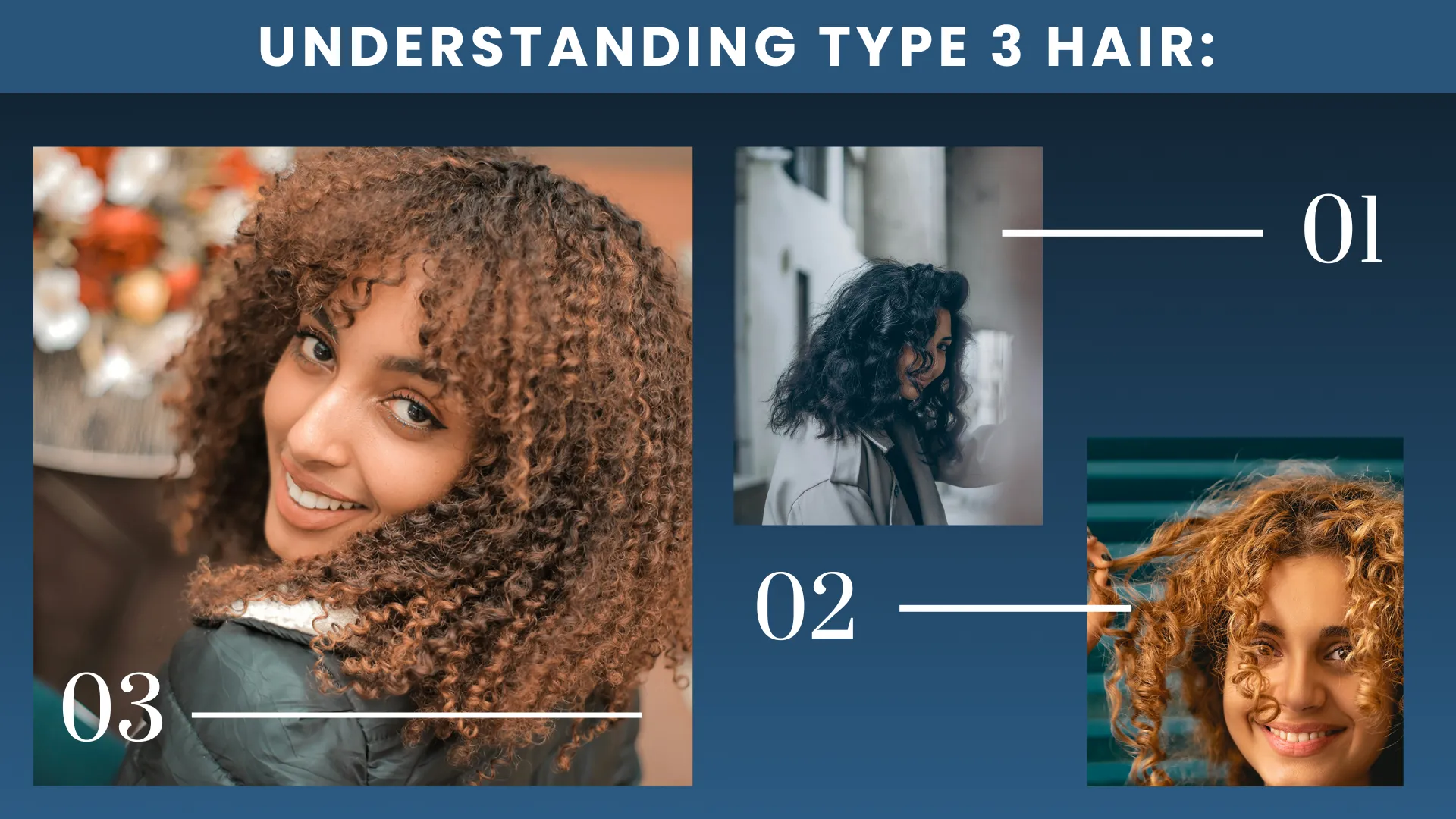
The point of a good hairstyle is to bring out the curls that are already there. Lighter treatments generally work better than heavy creams on this type of curl because the spirals are bigger. You should use methods that help curls form while still letting your hair be somewhat flexible so that it looks natural and delicate. Too much styling makes curls easy to smooth or stretch out. Because of this, you can expect better clarity and volume with less work.
A steady balance between being rigid and being flexible is another important factor. If you scrunch up wet hair, the curls will come out. But if you add too many layers, your things will not bounce as much. For 3A hair, it is best to let it air dry or use a diffuser gently. With simple curls, they tend to stay in place better.
Enhancing Loose Curl Definition
When styling 3A hair, it is best to use products that are light and spread them out evenly. Scrunching helps make curls without squeezing the pattern too hard. One way to keep pliability is to stay away from heavy waxes and oils. The use of low-heat diffusion makes clarity better without taking away natural volume or softness.
Styling Tips For 3B Hair
It is important to use products that smooth out frizzy ends and make curls stronger when styling 3B hair. The products that work best for these tightly wound hairstyles are those that moisturize while still giving a good grip. To get a uniform coat, use the styling products in parts. This method makes curls look better by making them group together and stand out more. Doing so with care is important so as not to cause any problems.
Another thing to remember is to keep your springiness without getting too stiff. The best way to style curly hair is to scrunch it instead of running things through it. To keep the curl form, diffuse using controlled airflow. With a 3B cut, you can show off the curl structure and get bigger, more defined curls. Following a set plan will lead to better outcomes in the long run.
Maintaining Bounce and Shape
To maintain its shape and thickness, curly hair requires styling products; nevertheless, using an excessive amount of these products can be detrimental to the hair. Lotions and creams with a flexible grip can assist curls maintain their softness and bendability without adding any additional weight. These products, when applied to damp hair, assist in the distribution of curls more uniformly and to the general growth of stronger curls. A controlled breeze and low heat throughout the diffusion process are beneficial to the growth of the roots. When your curls are drying, you should avoid touching them too much so that they maintain their shape and flexibility throughout the day.
You should also pay attention to the manner in which you freshen your hair in between washes. To restore the hold of the product without altering the pattern’s flatness, you can use a curl refresher or a gentle spray of water to do so. If you lay on material that is smooth or satiny, you can prevent your curls from becoming flattened out while you are sleeping. If you give your curls a gentle rehydration and protection, they will continue to look wonderful for a longer period of time, which will allow you to style them less frequently. Additionally, they will have a greater bounce.
Styling Tips For 3C Hair
The main goals of the 3C hairdo are to keep curl patterns tight and stop dryness and breakage. Because curls are so thick, they sometimes need moisturizing lotions. By adding style products in layers, you can keep the hair’s shape all the way through. Handling hair that is already weak is easier when you are gentle. Protective style is a very important job.
It is also important to avoid contact and over-styling. For the most part, combing with your fingers is kinder than brushing. Putting the ends of your hair in a protective style might help keep the moisture in. When styling 3C curls, it is important to keep them moist and protected so they keep their shape and last a long time. Regular care for curls makes them look better in the long run.
Protective Styling and Curl Preservation
It is the main goal of protective style for 3C hair to cut down on daily handling and drying out. Hairstyles that control curls might make it easier to avoid damage. Use a leave-in conditioner to seal in moisture before you style your hair. If you protect your curls the right way, they will keep their shape and strength for a long time.
Hair Care Tips for Type 3 Hair
To take good care of Type 3 hair, you need a routine that keeps it moist and supports the structure of its curls. Curly hair can make dry hair worse, even if the hair is healthy otherwise, because it slows the flow of oil through the hair shaft. Because of this, you should not pull on your hair too hard. Instead, wash it gently and condition it often. How you take care of your curls and the items you use will also affect how long they last. It is easier to keep curls defined and flexible when the way you care for them matches how they behave.
| Routine Step | Recommended Frequency | Why It Matters | Pro Tip for Type 3 |
|---|---|---|---|
| Shampoo (gentle) | 2–3x per week | Removes buildup without stripping | Focus on scalp; let suds rinse through lengths |
| Conditioner | Every wash | Slip + moisture + reduced breakage | Detangle with conditioner in sections |
| Deep condition | 1x per week | Restores softness + elasticity | Use heat cap/steam gently if tolerated |
| Clarify (stronger cleanse) | Every 3–4 weeks | Resets product buildup | Follow with deep conditioner |
| Detangle | Only on wet hair | Prevents snapping + frizz | Start at ends → move upward; wide-tooth comb or fingers |
Type 3 hair also does better with stability instead of intensity. If you wash your hair too much or switch products too often, it can throw off the balance of the curls. Not adding enough moisture can cause breaking and frizz. Changes in temperature, water quality, and the seasons are all environmental factors that can affect how curls react. Because of this, hair care habits should be both flexible and set in stone. A balanced method makes it more likely that curls will stay firm and easy to manage.
Washing and Conditioning Routine for Curly Hair
Make sure the skin is healthy and the curls are still there before you wash Type 3 hair. Most people find that washing their hair twice or three times a week works best. Shampooing your hair too often can remove its natural oils. If you use harsh detergents to clean buildup, be careful not to dry out your hair too much. It is important to condition your shoes after every wash because it returns moisture and makes them slip-free. For balancing the head and making curls stand out, this move is great.
Conditioners are important because they smooth the surface of the hair and reduce friction. Let the conditioner sit on your hair for a few minutes. This is especially important if your curls are tight. Also, conditioner works best when spread out evenly so that everything dries evenly. Rinse well but softly to keep the skin soft and free of residue. Better shape retention happens when you style and wash your curls at the same time.
Moisture Retention and Deep Conditioning
Curls lose moisture faster than straight hair, so it is especially important for Type 3 hair to keep the moisture in. Regularly moisturizing hair can help keep it from getting dry or wavy, but everyone has a different hair type. There are a lot of leave-in conditioners that can give your hair daily wetness without making it heavy. Use of gentle oils to keep in moisture is another way to cut down on evaporation. Curls stay flexible with this method’s various layers.
Conditioning hair deeply strengthens its protection against damage from heat or stress. Once a week, use a deep conditioner to make your hair soft and strong again. If you use heat or steam carefully, it can help things get deeper. Keeping up with a deep conditioning routine makes curls bounce and be easier to handle. Curls will look better in the long run if you take care of them by keeping them fresh.
Detangling Techniques for Type 3 Hair
Because type 3 hair’s curls naturally tangle itself, it is notoriously hard to separate. Use a conditioner or detangler on wet hair to make it easier to style. You can use your fingers or a small tool with wide teeth to ease the strain to detangle the hair. Furthermore, to keep it from breaking, you should start with the ends and work your way up. This method keeps curls’ shape while putting less stress on the hair.
Most of the time, dry detangling is not a good idea because it harms hair and messes up curl patterns. Also, pulling on hair quickly repeatedly will make it weaker. It is easy to use parts to get more done and improve control. Instead of seeing detangling as a separate task, add it to your normal maintenance routine. If you know what to do, you can keep your curls looking long and defined.
Heat Styling and Diffusing Precautions
You should not use heat tools on your Type 3 hair too often, as it will lose some of its curl flexibility. Putting on a heat protectant will lessen the damage that heat does. Spread out wavy hair in a cool, draft-free space to keep its shape and cut down on frizz. Stay away from direct, harsh heat if you want your curls to stay healthy and properly moist over time.
Celebrities with Type 3 Hair
A lot of famous people with Type 3 hair have talked about how versatile and attractive naturally wavy hairstyles are. Through their haircuts, you can see examples of natural, stylish, or casual curly hairstyles. No matter what they do to style their hair, the curls on the hair of famous people stay the same. These examples can help you learn how to set reasonable goals. But the end result will always depend on the type and quantity of your hair.
A lot of famous people have type 3 curls, which has helped to standardize hair textures in a number of fields. It is possible to look stylish with curls, even if you do not style them. In fact, if you take good care of your hair and style it right, it will move better. Instead of being used as standards, famous people can be used as visual aids. Hair works in different ways for each person.
Celebrities With 3A Hair
A number of well-known people show how 3A hair behaves in loose, curly styles. A lot of famous people like the way long, free curls look, like Beyoncé, Blake Lively, Gisele Bündchen, Julia Roberts, Sarah Jessica Parker, and Jennifer Lopez. As you can see from these pictures, 3A curls usually look shiny, lively, and soft.
These styles look great on 3A hair because they bring out the looser curl pattern. Because curls feel softer, the hair’s natural oils can get deeper into the shaft more easily. This keeps the shine and smoothness. Organically styling 3A hair in this way often makes it look lighter and softer. For readers to get the same results, they do not need heavy treatments or regular styling. All they need are lighter products and kinder care.
Celebrities With 3B Hair
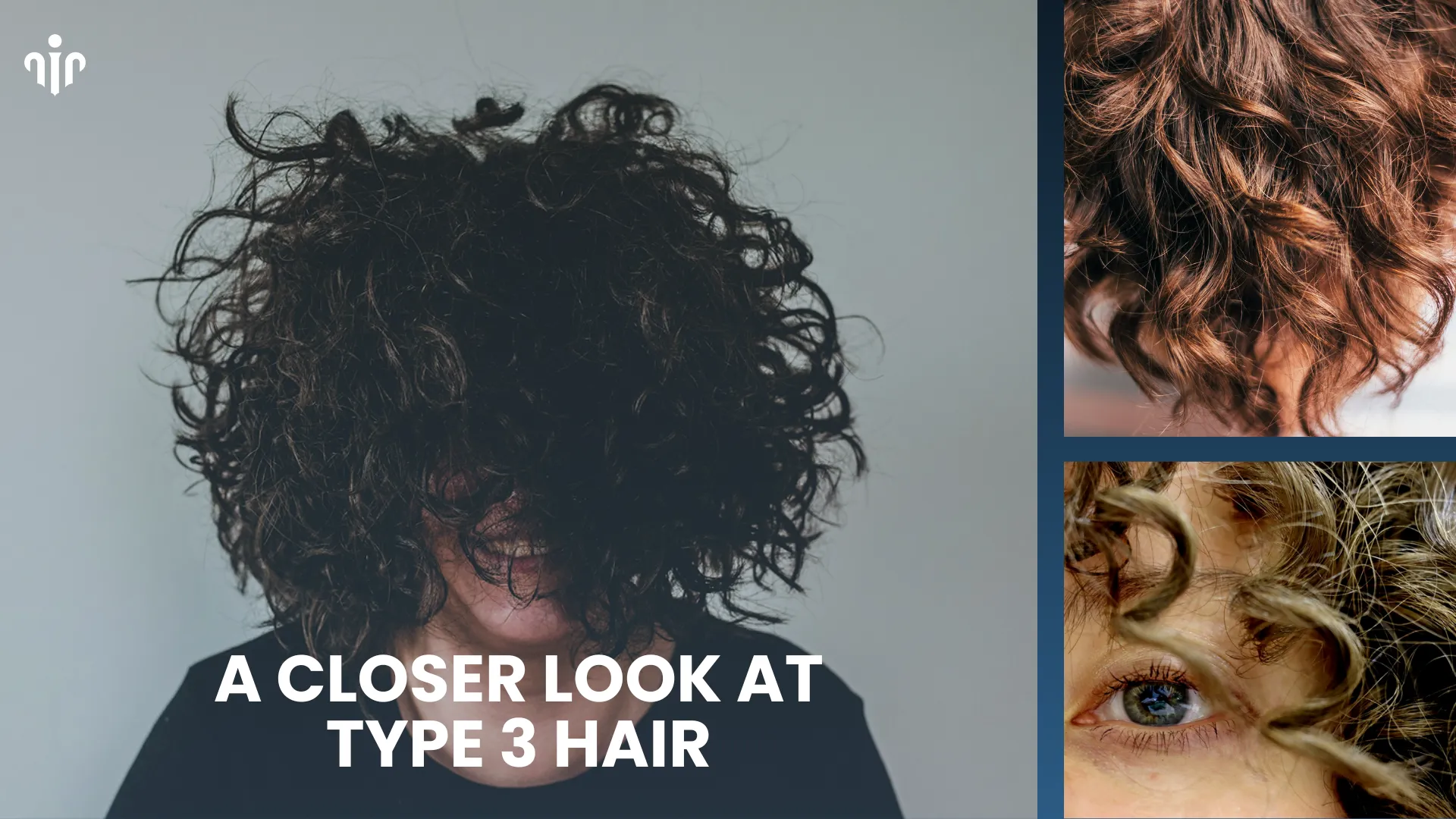
The celebrities with 3B hair can teach you everything you need to know about making your curls tighter and more flexible while still giving them shape and bounce. Zendaya, Taylor Swift, Shakira, Rihanna, Vanessa Hudgens, and Alicia Keys are some popular women whose hair has defined ringlets that look like the classic 3B curl pattern. These 3A curls look fuller than the bigger ones because the curls are smaller and closer together.
These examples will show you how to deal with the curls in your 3B hair and explain why it needs more moisture. The tighter structure makes the hair look bigger, but it also dries it out and makes it frizzy. The curls react quickly to changes in humidity and handling, but they do a great job of keeping their shape. If you want to keep your 3B curls healthy, do not use too many techniques that break curl groups. Instead, focus on making your curls more flexible by adding moisture.
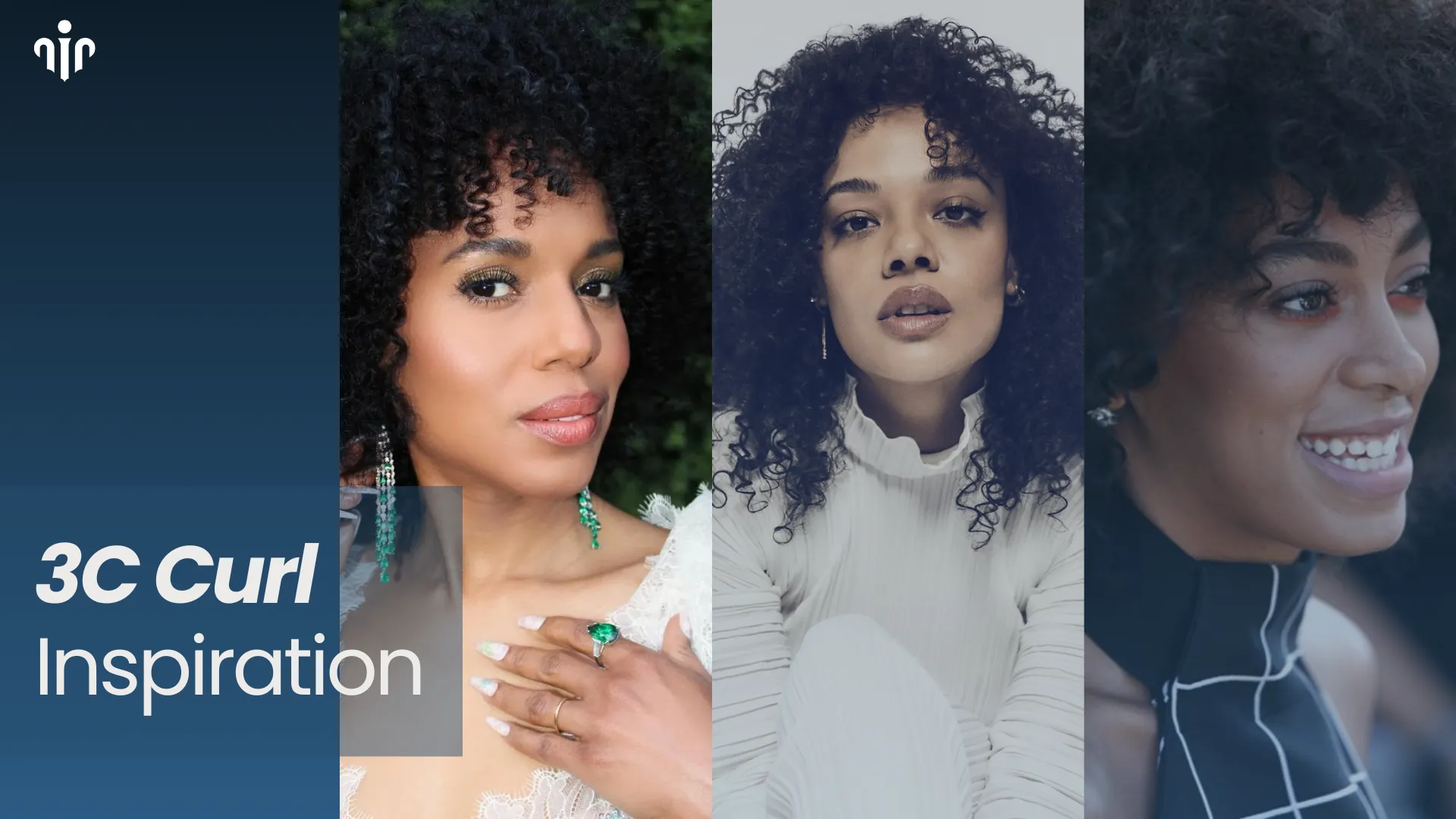
People who are already famous who have also been famed for their 3C hairstyles usually wear their hair naturally, highlighting the strength and depth of the curls itself. Some of the best samples for this type of hair style are respectively Yara Shahidi, Lupita Nyong’o, Janelle Monáe, Tracee Ellis Ross, Solange Knowles, and Viola Davis. You can see them among the celebrities who style their hair to highlight the density of their curls rather than the length of their hair.
As an example, these pictures show you how to keep your 3C hair at its normal density, which is important for its health and growth. If you want to learn more about this, click here. Because the tight curl structure makes it hard for oil to spread, the hair needs a lot of moisture and protection. As you will see, fullness and straight curls, not length, are what make 3C hair healthy. These well-known haircuts show that adding texture and taking care of it properly is better than cutting it off.
Preparation Tips Before Hair Transplant for Type 3 Hair
Preparing for a Type 3 hair transplant requires extra care because the curl structure affects both the planning and the results. For curly hair, preoperative evaluations need to go above and beyond normal evaluations because curly hair behaves differently during extraction and implantation. The doctor will choose what to do based on whether the person has thick, curly hair or thin, straight hair. It is important to know how bending changes the yield and look of a graft because it is important to be ready. It is best to make a plan before things go wrong so that everyone knows what to expect.
Making sure that the patient and the medical team can talk to each other clearly is another important part of being ready. Have Type 3 hair? Think about the way you curl it, how you style it, and what you want to do with it in the future. Curls can make hair look thicker than it is, so it is important to pay close attention to exact transplant data. Get ready in your mind and heart for the chance that the plan can change. The main point of preparing is to get health and beauty to work together.
Is Type 3 Hair Suitable for Hair Transplant?
Type 3 hair is usually a good choice for a transplant, and the curls can even be a fashion plus. Curly hair might cover more area with each transplant because the curls in the hair shaft make it look thicker. Type of curve is an important thing to think about, but it is not the only thing. Still, the state of the donor, the pattern of hair loss, and the quality of the scalp are very important things to think about.
Because the structure is curvy, there are more technical problems in the operating room. To get hair out of curved cells under the skin, you need to be very careful and skilled. Many hair salons do not know how to properly handle wavy hair, which is a shame. Individual opinions, not generalizations, decide what is appropriate. If you take good care of your Type 3 hair, it can really be helpful.
Assessing Curl Density and Donor Area
For Type 3 hair donor area evaluations, it is important to carefully separate perceived and real follicle densities. The donor area might look thicker than it really is because of the curls’ natural shape and volume. Because of this, surgeons depend on exact measurements and close observation rather than how someone looks. Preventing overharvesting requires accurate evaluation.
Depending on how dense the donor’s curls are, there is a safe amount of grafts that can be taken out without hurting the donor’s look. Curly hair generally needs fewer grafts to give great results because it covers better. But it will get thinner over time, so do not think too little of the bulk. A long-term strategy that meets the needs of both extraction and preservation must include carefully evaluating donors.
Choosing the Right Hair Transplant Technique
People who are losing their hair in Type 3 should be very careful before choosing to get a hair transplant. What takes place during follicle harvesting and implantation is based on the curve of the head below the scalp. Follicle safety steps should be based on how the follicle naturally curves. Because of this, the skill of the surgeon with curly hair often matters more than the method.
What makes one way better over another depends on how much hair loss there is and how the donor area looks. Some methods aim to improve the accuracy of extraction, while others try to increase the number of grafts. For Type 3 hair, keeping the roots healthy is the most important thing. Finding the best method means matching how safe, how efficient, and how nice something looks.
FUT Vs FUE For Curly Type 3 Hair
When you compare FUT and FUE for Type 3 curly hair, you need to take into account the natural curve of the follicles under the head. Because of the higher risk of transection with bent follicles, FUE is a very specialized method for removing follicles. Although FUE hair transplant does not leave scars that are straight, it does make donor cutting more flexible. These smooth movements are what make FUE so appealing to patients when done by skilled teams.
Unlike other procedures, FUT can protect curly hair follicles from damage by taking out a small piece of scalp from the donor spot and cutting the follicles open while the surgeon watches. With this process, you get a straight scar and can not style your hair as much as you would like. When people are choosing if they want to get FUT, scarring and donor density are two things that they often think about.
The third thing to think about is the patient’s long-term goals, especially if surgery is planned for the future. FUE lets more hair be taken from the donor area than FUT, which stops cutting at a certain point. When taking out Type 3 hair, it is best to be careful most of the time because it usually covers well. Before making a decision, you should think about the skills of the surgeon, the characteristics of the donor, and how they live their life. Not how popular the process is.
FREQUENTLY ASKED QUESTIONS ABOUT TYPE 3 HAIR
Can Type 3 Hair Lose Curl Definition Over Time?
Damage from chemical treatments, heat style tools, getting older, or not taking care of your hair can change the way curls look. Curls will stay in place if you handle them gently, keep the moisture in, and use low heat.
Is Type 3 Hair Naturally Dry?
Sebum has a harder time moving down the hair shaft when hair is curly, which is why people with Type 3 hair often feel dry. You can keep your level of wetness steady by conditioning and moisturizing your hair regularly.
How Often Should Type 3 Hair Be Washed?
People who wash their hair three times a week on average are Type 3 hair washers. Because you do not wash your hair enough, it can get dry and cause buildup and problems with your head.
Should Type 3 Hair Follow the Curly Girl Method?
Type 3 hair might benefit from Curly Girl, but it is not necessary. There are enough basic ideas that many people can change them to fit their own hair and way of life.
What Haircuts Work Best for Type 3 Curls?
Layered cuts and styles that focus on shape are great for Type 3 curls because they outline the curls, reduce bulk, and let the curls grow naturally without pulling the hair down.
Does Humidity Affect Type 3 Hair?
Because humidity causes an excess of moisture, Type 3 hair is more likely to frizz. Controlled styling methods, sealing agents, and good moisture make it much easier to deal with changes in humidity.
Can Type 3 Hair Be Relaxed or Chemically Treated Safely?
If you use chemicals on your curls, they can get dry and break. Professional use and care after treatment are necessary for long-term harm reduction.
How Do I Reduce Frizz Without Flattening Curls?
Some easy ways to stop frizz in its tracks are to use a lightweight hold product, keep hair wet, and cut down on friction. Use treatments on wet hair to keep curls in place and frizz away.
Are Sulfate-Free Shampoos Essential for Type 3 Hair?
Many people swear by shampoos without sulfates because they are kinder to your hair and do not dry it out as much. But sometimes you need stronger cleaners to get rid of deposits that will not come off.
Can Type 3 Hair Shift Between 3a, 3b, And 3c?
Changes in length, changes in hormones, accidents, and the way you style your hair can all change the way curl patterns look. Many people have skin that has all three types of layers.
Referances
Integumentary Surgery – Follicular Unit Extraction Techniques for Curly & Afro-Textured Hair
ISHRS – Ethnic & Curly Hair Considerations in Hair Transplantation
American Academy of Dermatology – Hair Types, Curl Patterns & Care Needs
Healthline – Hair Types Explained: Wavy, Curly & Coily Structures
NCBI – Hair Shaft Structure, Elasticity & Curl Formation