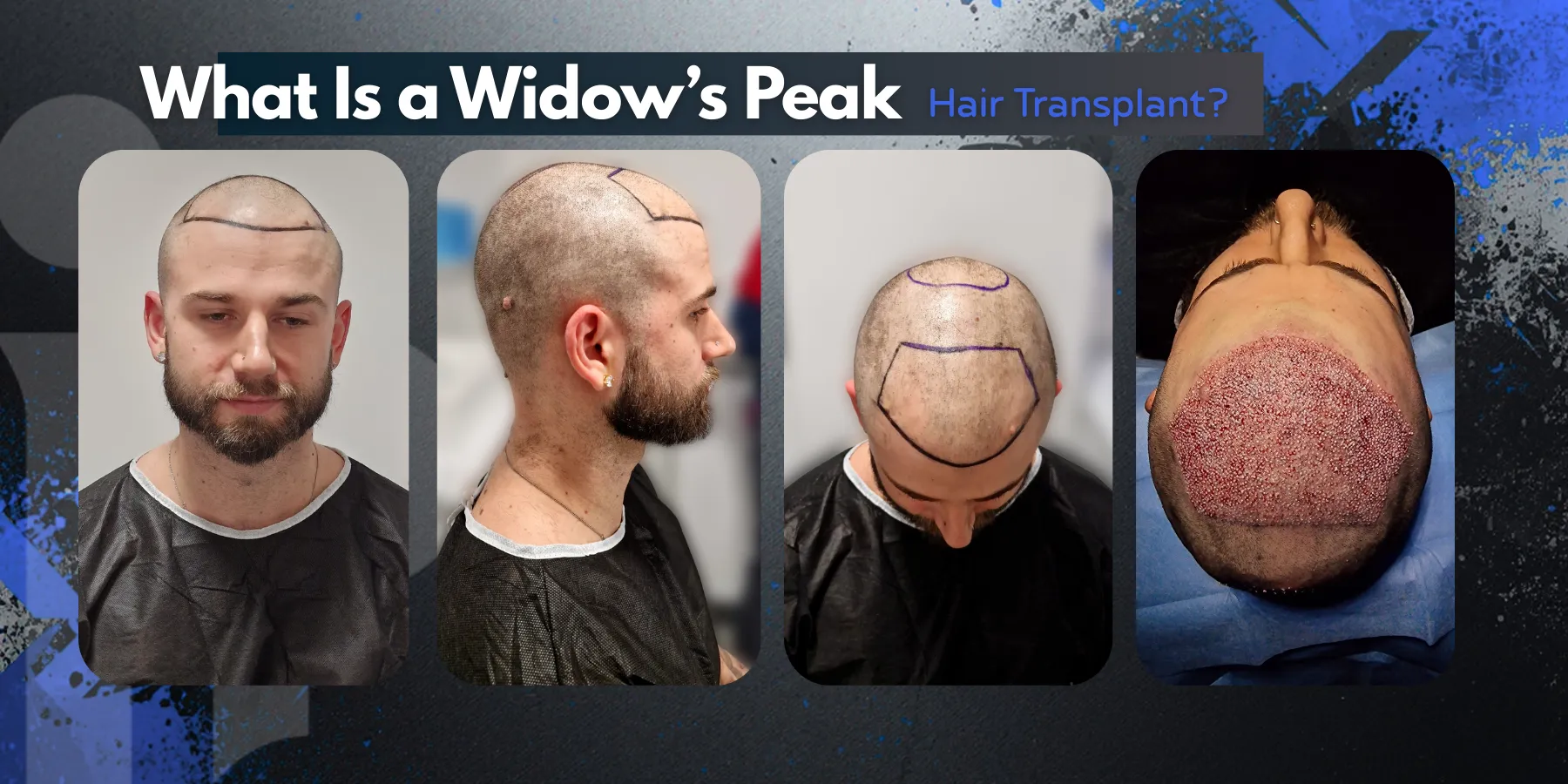
What Is a Widow’s Peak Hair Transplant?
A widow’s peak hair graft can help change the shape of a V-shaped hairline in the middle of the forehead. Instead of trying to keep the density the same, the goal is to make a smooth shift that fits with the wearer’s face shape and hairstyle. People who want a hair transplant need to know about their body, hair type, and how long they think their hair loss will last before the graft fails.
People in Turkey are more likely to get this treatment as part of a bigger hairline design than to get it done on its own for cosmetic reasons. When making a therapeutic choice, it is important to put donor area quality first, keep future options open, and be ready for what might actually happen. Not all the time is removing a widow’s peak the best thing to do. Sometimes it is better to leave the natural feature alone.
Understanding the Widow’s Peak Hairline
The widow’s peak is a common design that happens naturally in hairlines. It has a center that dips lower than the rest of the hairline. Genetics play a big role in this problem, which can affect both men and women equally. Because it happens to a lot of people all the time, they do not think of it as a sign of illness or hair loss.
It is very important for doctors to know if widow’s peaks are normal skin traits or if they change over time. Because thinking of a naturally stable widow’s peak as a flaw can lead to needless surgery, it is very important to do thorough exams and teach patients so they can make safe choices.
Difference Between Natural Widow’s Peak and Hair Loss
Hair loss is one of the many things that can lead to widow’s peaks. In contrast to a natural widow’s peak, which usually stays the same over time, changes caused by hair loss usually show up as temples that recede, density that thins, or unevenness. To tell the difference between these patterns, you need to look at more than just the hair. You also need to look at the patient’s family history, scalp health, and hair history.
| Point | Natural Widow’s Peak | Hair Loss–Related Change |
|---|---|---|
| Stability over time | Usually stable | Often worsens progressively |
| Typical pattern | Central “V” stays consistent | Temples recede + thinning density |
| What to assess | Genetics, long-term photos | Family history, scalp health, miniaturization |
It is possible to mistake hair loss for a physical problem and treat it that way. This difference between permanent and temporary changes helps keep controlled therapeutic settings from over-treating people and makes sure that each intervention meets a real medical or cosmetic need.
How Hair Transplant Reshapes a Widow’s Peak
By strategically putting grafts in appropriate spots, a hair transplant can partially repair a widow’s peak, decrease its appearance, or alter its shape when determined to be necessary by a medical professional. Instead of focusing on achieving a seamless integration of the hairline with the facial hair and structure that surrounds it, our major objective should be to create an appearance that is more natural.
| Goal | What’s possible | Key limitation |
|---|---|---|
| Soften the “V” | Yes (most common) | Needs conservative design |
| Reduce prominence | Often | Depends on donor quality |
| Full removal | Sometimes | Not always advisable/natural |
Before reviewing outcomes such as hair growth, graft survival, and postoperative care, it is normal to wait several months before doing so. This is in contrast to the previous practice of evaluating these outcomes immediately. Although it is common practice for hair transplants to be effective, there is no guarantee that the treatment will be successful. The establishment of realistic goals, the development of an all-encompassing strategy, and the attentive adherence to the orders of the physician are the main variables that contribute to the success of the surgical procedure and the long-term satisfaction that it provides.
Widow’s Peak Hair Transplant Cost in Turkey
Depending on the patient’s financial status and special medical criteria, the cost of a widow’s peak hair transplant in Turkey might range from $2200 to $5000 euros. This variety of clinical charges rather than a fixed price for cosmetic procedures is due to the increased level of precision required for widow’s peak surgeries. Compared to hair transplants, this procedure requires far more meticulous planning of the head and placement of the grafts. Finally, the level of technical difficulty directly affects the total transaction cost.
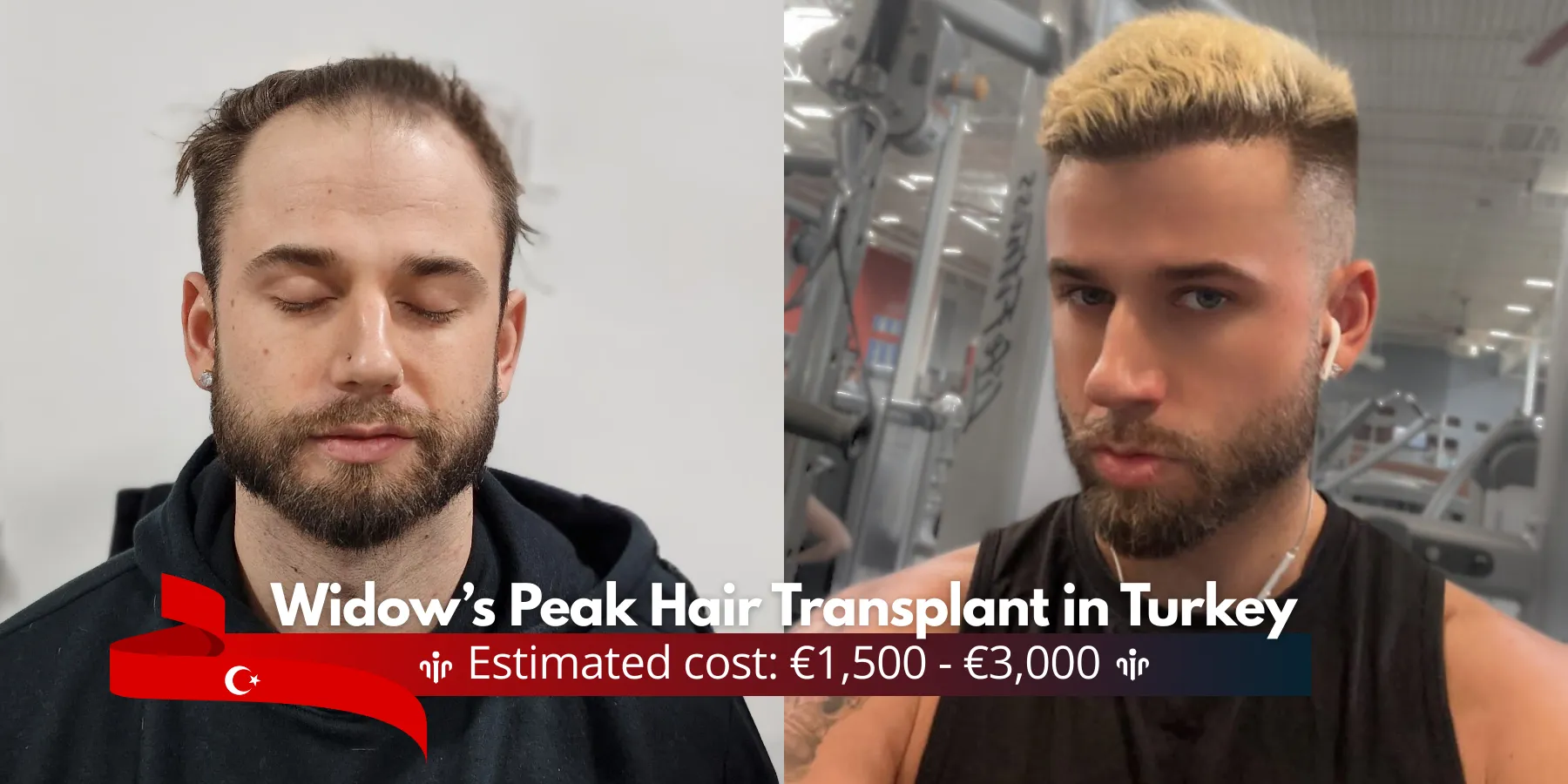
The overall cost is determined by a number of criteria, including the quantity of patches that are necessary, the degree of difficulty of the hairline, and the quality of the donor hair. All of these elements make a contribution to the overall cost. The protocols for postoperative care, the level of experience possessed by the surgeon, and the quality of the clinic are all additional essential considerations that must be taken into consideration. On the other hand, when it comes to essential medical treatments, saving money does not necessarily mean gaining more value, regardless of how appealing a reduced price can be. Instead, it could signify that you are able to obtain a better offer. Taking all of this into consideration, it is abundantly evident that it is of the utmost importance to honestly prepare and carefully evaluate everything.
In addition to the cost of the operation, there are a number of other factors that influence the overall cost; thus, the safety of the patient should always come first when making decisions regarding finances. In the majority of instances, the charges include not only the surgical procedure itself, but also the procedures of anesthesia, clinical monitoring, and after care. In spite of the fact that the prices of medical care in Turkey are not very high, it is still essential to perform a comprehensive examination and ensure that everyone is aware of what to anticipate. When a procedure is well-thought-out, it takes into consideration a variety of factors, including the convenience of access, the long-term benefits, and the minimum acceptable standards for healthcare.
Average Cost of Widow’s Peak Hair Transplant in Turkey
The average cost of a widow’s peak hair transplant in Turkey can range anywhere from $ 2,200 to $ 5500, depending on individual factors such as the individual’s anatomy, the number of grafts that are necessary, and the level of design complexity. As a result of the fact that the widow’s peak is a conspicuous facial feature, it is necessary to design the surgery with caution and conservatism. Because of this, the pricing is not based on the total area of the treated region; rather, it is based on the surgical expertise, hairline symmetry, and graft placement precision that are involved with the surgery.
The amount of experience of the surgeon, the standards of the clinic, the anesthetic, and the post-operative monitoring are all additional factors that contribute to the final cost of the procedure. When it comes to medical care, it is essential to be aware that even though some clinics advertise lower charges, these prices might not contain services that are vitally important for the treatment of medical conditions. Patients should examine the components that are included in the treatment plan rather than focusing solely on the total cost of the therapy. This is because of the fact that the treatment plan includes these components.
Widow’s Peak Hair Transplant Cost Compared to Other Countries
Costs are often lower in Turkey than in Western Europe or North America, where the same things could cost €4,000 to €8,000. Not technique, but practical costs, the number of procedures, and the state of the healthcare system are mostly to blame for these differences.
Another thing that just because a center has a lower price tag does not mean they provide poor care. Patients who are thinking about getting treatment abroad should also think about how the rules are enforced, how long the care lasts, and how easy it is to get follow-up care.
Factors Affecting the Cost of Widow’s Peak Hair Transplant
Several things can make the final cost of a widow’s peak hair transplant very different. Things like the number of grafts needed, the thickness of the hair, the condition of the donor area, and the level of doctor participation are all things to think about. Most of the time, a high level of hairline customization takes more time and planning.
| Cost factor | Why it changes price |
|---|---|
| Graft count | More grafts = more work/time |
| Hairline complexity | Higher precision in the midline |
| Surgeon involvement | More doctor time = higher fee |
| Aftercare/monitoring | Follow-up and meds may be included/excludedresults |
Evaluations before surgery, tracking after surgery, and planning for expected hair loss are some other costs that might come up. Different people may have very different prices, even for hairline patterns that look pretty much the same. All of these factors play a part in that.
What’s Included in Widow’s Peak Hair Transplant Packages in Turkey
In Turkey, a hair transplant package generally includes a consultation before the procedure, the therapy itself, the usual medicines, and a quick check-up after the procedure. Along with medical care, patients from other countries may also get help with planning their trip by providing housing and local transportation.
Patients should read the fine print on their goods to know the difference between therapy and services that are just for convenience. Instead of focusing on parts that have to do with travel, full treatment should put medical control and continuity of care at the top of the list.
Widow’s Peak Hair Transplant Before and After Results
If you look at pictures of people who have had a widow’s peak hair transplant before and after, you can see how the shape and density of your hairline might change. Do not jump to conclusions based on these similarities; results may be different for each person depending on their body type, hair type, and how quickly their hair loss is progressing. It is not always easy to tell what the steps of decision-making, healing, and result maturation look like.
Using before-and-after tests in a hospital setting makes both patient safety and decision-making better. If you do not want to have unrealistic hopes, remember the what, why, and under what circumstances of any changes you may have seen. Not all improvements that only look good on the outside lead to long-term happiness or satisfaction.
Widow’s Peak Hairline Appearance Before Transplant
Before a transplant, a widow’s peak hairline may be noticeable, uneven, or lopsided because of genetics or long-term hair loss. Some people do not see uniform decline when the center point stays the same and the areas around it get smaller. Instead, they see visual imbalance.
It is very important to tell the difference between signs of a healthy hairline and signs of a thinning hairline when figuring out if someone is losing their hair. It might not be necessary to fix the hairline pattern if it is stable and normal, but if the evaluation is wrong, the operation will not change the structure in the right way.
Immediate Changes After Widow’s Peak Hair Transplant
The most common reasons for noticeable changes right after a widow’s peak hair transplant are the site of the transplant grafts and short-term effects of the surgery. Normal side effects include redness, swelling, and scabs forming on the face. These will not change how the end result looks, though.
It is possible for the hairline to look longer or more defined than it really is. Since these changes are more related to the surgery incision than to real growth, they usually happen over the next few weeks as the body heals.
Widow’s Peak Hair Transplant Results After 3, 6, and 12 Months
It is common for early hair growth to begin in the region of the widow’s peak around the third month of pregnancy; however, progress may feel slow and inconsistent until it is ultimately evident. New hairs typically have a finer texture, a lighter hue, and an overall appearance that is lighter. This is because the follicles are still in the early phases of the regeneration process. There is a possibility that the density may still appear to be constrained at this moment, and the contour of the hairline may not yet represent the final design. Furthermore, rather than being considered an outcome, this phase ought to be considered a period of transition rather than a conclusion.
| Time | Typical changes | Notes |
|---|---|---|
| 0–4 weeks | Redness, scabs, swelling | Visual “sharpness” can be temporary |
| 3 months | Early growth starts | Texture may be fine/light |
| 6 months | Clearer density + shape | More consistent coverage |
| 9–12 months | Mature result | Thickening and better blending |
After six months of the transplanted zone being in place, the hair growth becomes more noticeable and consistent throughout the area. With an increase in hair density, the widow’s peak takes on a more defined shape and starts to blend in with the surrounding hair. There is a simultaneous occurrence of all these changes. The hair becomes thicker, more manageable to style, and has a more stable texture between the ages of nine and twelve months. There is always the chance that some maturation will occur beyond the first year, even if most of the outcomes are apparent by then.
Realistic Expectations From Before and After Results
When you compare the results from before and after, it is important to keep your goals realistic. Visuals can show some successes, but they might not show the full range of outcomes. People are different in three ways: density, symmetry, and the rate at which they grow and change.
The goal of a widow’s peak graft is not to achieve perfection, but to improve balance. In the end, a patient will be happier if they know what the limits are, are patient with the slow changes, and think about how the results will affect their hair’s natural features.
Why Widow’s Peak Hair Transplant Is Important
When someone is hairline starts to look weird because of thinning hair or any other reason, a widow’s peak hair transplant can actually save their life. The areas around a widow’s peak may shrink, which can make the contrast stronger and throw off the balance of the face. If this is the case, a well-planned transplant can fix both skeletal and cosmetic changes, as long as it is medically necessary.
So, it is not logical to think that everyone is important. When widow’s peaks show up, it is normal and sometimes does not need any kind of treatment. Changing the hairline through surgery is a good idea if it will help with psychological, functional, or physical problems that would be hard to solve without medical help and careful planning.
Improving Facial Balance and Symmetry
If you do not like how your hair falls in that area, a widow’s peak hair transplant might be the answer to your hair problems. If you have a badly shaped face with an uneven receding chin, the hairline might get more attention than the features.
By carefully moving grafts around, doctors hope to make changes less noticeable and create a sense of continuity. It is more important to aim for a balanced proportion that makes the wearer’s hair and face look better than to aim for perfect harmony.
Restoring Confidence and Self-Image
Because of the link between the widow’s peak and getting older or losing hair, changes to your hairline may have an effect on your self-esteem. The change in how someone feels about themselves and their social security may be much more important than any change in how they look.
If someone wants a hair transplant for a good reason, it might be good for their mental health. The process is not a magic bullet for low self-esteem because it can lead to a lot of different results that boost confidence.
Preventing Further Hairline Recession
For some, taking care of widow’s peak is only one part of a bigger plan to stop hair loss. You can take steps to make transplanted hair blend in with your normal hair patterns. This will make future hair loss less noticeable. However, a transfer does not completely remove the chance of genetic hair loss. Due to the fact that hair changes over time, keeping things under control takes time, medical care, and planning ahead.
Best Applicable Areas for Widow’s Peak Hair Transplant
The best applicable and which parts of the head are best for a widow’s peak hair transplant depend on how the hairline looks with the rest of the face, that means harmony in the facial area, and how it has changed over time. It is not just the widow’s peak that clinicians treat; they also look at how the frontal, central, and temporal areas connect with each other. This method helps with graft implantation by putting long-term stability and smooth changes ahead of short-term cosmetic improvements.
Remember that not every person who gets a donation has the same good results. Where to successfully step in depends on things like the number of donors available, the density of the hair, and how likely it is that the hair will fall out again in the future. It is important to carefully choose the target area to protect the patient and lower the risk of getting results that do not look natural. Also, this will help people know what to expect before the surgery.
Central Widow’s Peak Restoration Area
A neatly shaped hairline always has a widow’s peak in the middle. When this area thins or recedes, even small changes can stand out and draw attention to the middle of the forehead. In this area, repair is mostly about adding small supports instead of making big cuts. By carefully placing the grafts, the goal is to make the hair look more like it naturally blends in with the rest of the area and to avoid an overly pointed widow’s peak.
Frontal Hairline Reconstruction
If hair loss goes past the widow’s peak and into the wider forehead zone, reconstructing the hairline might be the best option. Ignoring everything but the most important parts of the situation is not likely to help solve the problem.
Clinicians can add the widow’s peak to a design that looks good by carefully copying the facial hairline. It is possible to tell the difference between natural and transferred hair after a while because the density distribution is proportional.
Temporal Recession Correction
If you change the widow’s peak and then move the temporal lobes back, you can mess up the natural balance of the face profile. If you do not go to treatment, your thin temples might not look like they belong with your fixed core.
Taking care of temporal recession is a great first step toward a more even hairline and face symmetry. People need to be very careful in this area because too much adjustment or too many people could mess up normal growth patterns.
Blending Widow’s Peak With Existing Hairline
When trying to blend a widow’s peak with the existing hairline, transition zones are something that must be carefully considered. This is because drastic changes can give the impression of being artificial. The progressive incorporation of new grafts enables them to conform to the surrounding hair in a natural way. Therefore, in order to maintain a smooth and natural appearance, density is gradually added, and sharp edges are carefully avoided.
It is also important to consider the patient’s natural hair growth pattern while determining the spacing, direction, and angle of the hairstyle. Even quite modest changes can cause visual discord, and the middle of the hairline is especially susceptible to this kind of discord. Surgeons frequently strive to achieve a subtle asymmetry rather than an exact symmetry in their patients. Rather than standing out from the rest of the structure, the peak of the widow should blend in with the rest of the building.
Who Is the Right Candidate for Widow’s Peak Hair Transplant
Before going through with a widow’s peak hair transplant, you should make sure that the donor hair is in good condition and that you have acceptable expectations for your new hairline. People who believe that their widow’s peak is extremely sharp, uneven, or out of proportion with their face may find that refining it rather than radically altering it is the best option for them. As a result of the significant nature of the widow’s peak, candidates should give priority to gradual and balanced adjustment rather than hasty and aggressive alteration.
In addition, individuals who are qualified typically display a consistent pattern of hair loss or go through a predictable pattern of hair thinning. As a consequence of this, the transplanted widow’s peak may eventually blend in with the hair that is around it at the natural ageing process. The facial structure, hair thickness, skin tone, and texture of a person are all carefully evaluated. It is vital to have a full medical consultation in order to determine whether or not the surgery would enhance the natural appearance of the patient without generating any future cosmetic disturbances.
Genetic Hairline Suitability
In the end, genetics determines whether someone gets a widow’s peak hair transplant. In some people, the area around the widow’s peak gets smaller over time, while in others, it stays the same no matter what.
By looking at trends of hair loss in families, doctors can most accurately guess what will happen in the future. When you know that hair around your hairline will continue to fall out over time, it is easier to plan carefully and avoid getting an unnatural-looking hairline.
Donor Area Quality and Density
The quality of the source area is a big part of deciding who can get the transplant, because the hair needs to come from places that do not lose hair. You need to have a healthy scalp and hair that is thick enough and dense enough to look real.
Because there are not enough donors right now, it might be hard to make big changes without putting future requests at risk. Evaluation of donors is necessary to keep people from using available grafts carelessly or on purpose for physical reasons.
Age and Hair Loss Stability
Age is not the only thing that determines qualifying; the amount and length of hair loss are also factors. Because hairlines change all the time for younger people, it might be harder for them to choose a fixed hairline. When hair loss happens in stable trends, it is easier to plan for and guess what will happen. If you want to keep things stable over time and avoid having to have multiple treatments to fix problems that are not getting better, it might be best to put off the transplant or go with a more conservative plan.
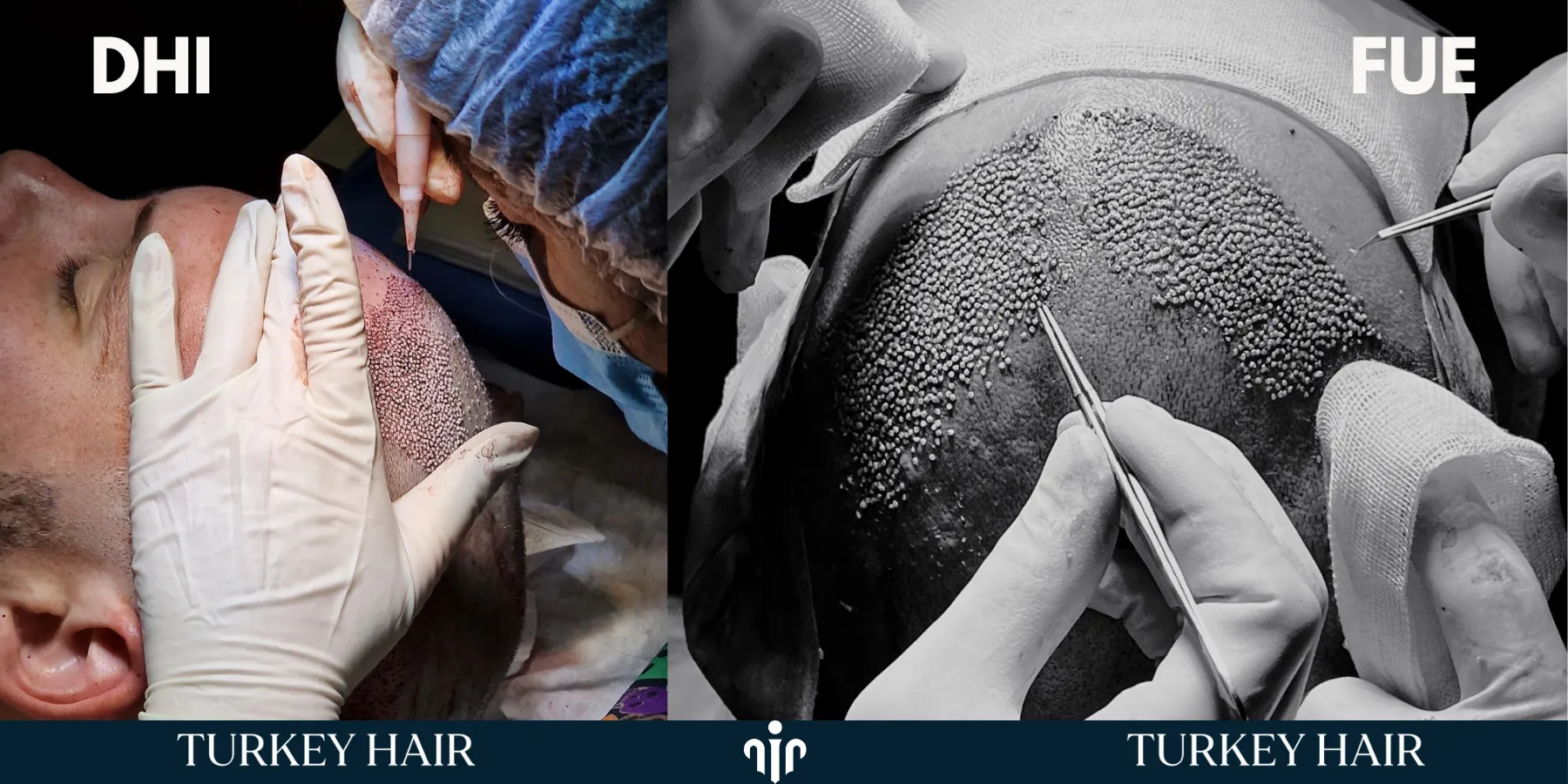
Techniques Used for Widow’s Peak Hair Transplant in Turkey
When choosing a method for widow’s peak hair transplantation in Turkey, accuracy and long-term survival are very important things to think about. The widow’s peak stands out so much that even small technical changes could have a big effect on the end result. So, the choice about treatment is based on things like the donor’s characteristics, the shape of the hairline, and the future risk of hair loss. Not the procedure volume or speed.
It has been shown that no one method is better than any other at keeping people safe. Every plan has pros and cons, and the question of whether or not it works depends on the person. To get balanced, long-lasting effects, a careful treatment plan puts controlled graft placement, natural angulation, and preserving donor resources at the top of the list.
FUE Technique for Natural Widow’s Peak Design
As a result of its versatility, Follicular Unit Extraction (FUE) is the chosen method for widow’s peak transplantation. Because any problem would be instantly noticeable in the middl
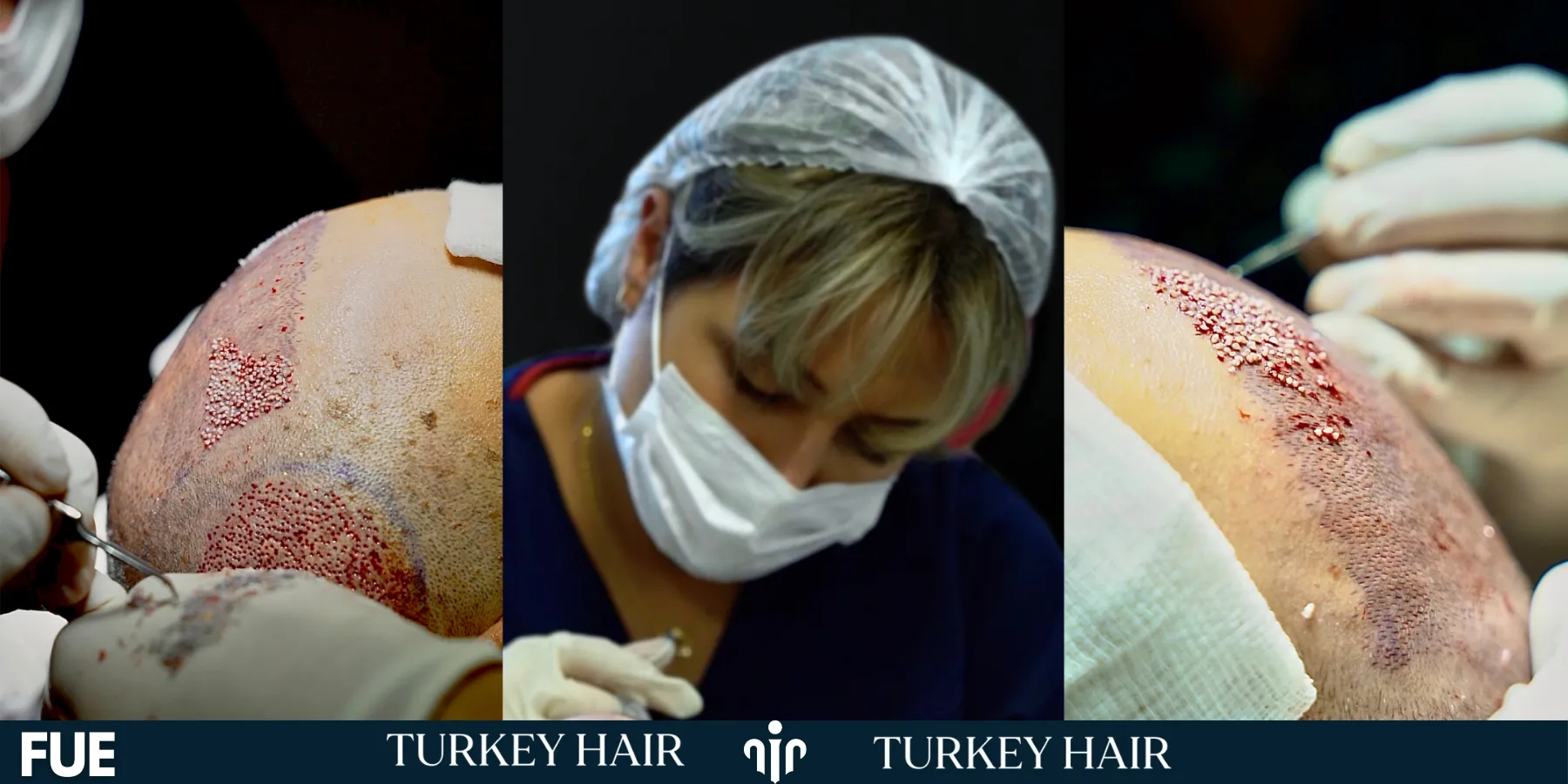
e of the scalp, being able to rearrange individual follicular units in a way that mimics how hair normally grows is especially important there.
To help stop an overly sudden or widow’s peak even more, FUE also lets you make small changes to the density. The treatment depends on how skilled and well-planned the surgical team is, because small mistakes in angulation or spacing can make the operation look less natural than it really is.
DHI Technique for Precise Hairline Control
As a result of the fact that it enables the surgeon to fine-tune the hairline, the DHI method is utilized in a considerable percentage of hair transplants that are performed on widow’s peak. It is feasible to surgically implant grafts directly into the cranium by making use of a specialized implanter pen. This eliminates the requirement to first build channels in order to accomplish this medical procedure. The surgeon is able to make fast adjustments to the angle, direction, and depth of the incision, particularly in the middle of the hairline, which is the area where the surgeon has the best view. This allows the surgeon to make quicker and more accurate adjustments.
To add natural defects and seamless transitions into the design of a widow’s peak feature, it is simple to use DHI because it simplifies the process. Due to the accurate placing of each graft, it is possible for the density to develop gradually rather than rapidly. This is due of the accuracy of the positioning. The meticulous attention to detail ensures that the widow’s peak blends in with the hairline that surrounds it, preventing it from being visible as something that was added by a professional. This reduces the likelihood that the widow’s peak will be noticed.
Furthermore, due to the fact that it lessens the amount of handling that the grafts are subjected to, DHI may be able to improve the protection of the follicles. When the skull experiences less damage, it is able to heal more rapidly and keep its consistency. This allows the head to function normally. In order to offer widows with the best possible outcomes that are balanced, polished, and long-lasting, the DHI approach gives surgeons the latitude and control they need to accomplish their jobs effectively. Even yet, the experience of medical professionals continues to be of the utmost importance.
Custom Hairline Planning for Widow’s Peak
At the beginning of the process of creating a widow’s peak hairline, it is necessary to take precise measurements of the client’s forehead, face, and the natural growth patterns of their hair. Because it is located in the middle of the face, the widow’s peak has a significant impact on the facial expression and composition of the face. To bring about changes that occur gradually rather than all at once, plans make an attempt to bring about these improvements. The goal outcome is to achieve an appearance that is more put together and does not appear to be overly bright.
The curly pattern, the difference in colors, the density of the hair, and the diameter of the shaft are all examples of variables that fall under this category. These factors have an impact on the appearance of the widow’s peak density when fresh hair begins to grow in. We also thought about hair loss in the future to make sure the pattern would last. Many people choose to have hairlines that are not perfectly straight so that they do not look too fake.
A well-thought-out widow’s peak also takes into account the style and way of life of the user. The way the patient styles or parts their hair can affect how they feel about it in the future. Effective planning is based on working together and being flexible, not on sticking to rigid plans. The widow’s peak’s custom design makes it suitable for a wide range of current hairstyles as well as a wide range of possible future changes to facial hair and features.
Why Turkey Is a Top Destination for Widow’s Peak Hair Transplant
Turkey is a famous place for widow’s peak hair transplants because of its clinical skill, infrastructure, expertise, and overall success in the hair transplant procedure. The country’s hair transplant or restoration experts are known all over the world for their skilled and meticulous work affairs. They especially excel at complicated hairline treatments which need personalized approaches and close attention to each and every detail that you can imagine. This setting makes it much easier to learn about different hairline patterns, create habits, and work together with people from different fields.
However, you should exercise caution when selecting a location. Just because a clinic has a “great location” does not mean it is the best option. Priorities should include patient safety, regulation compliance, and the establishment of attainable objectives. When combined, these variables can create an atmosphere in Turkey where individuals can make educated choices, not merely influenced by cost.
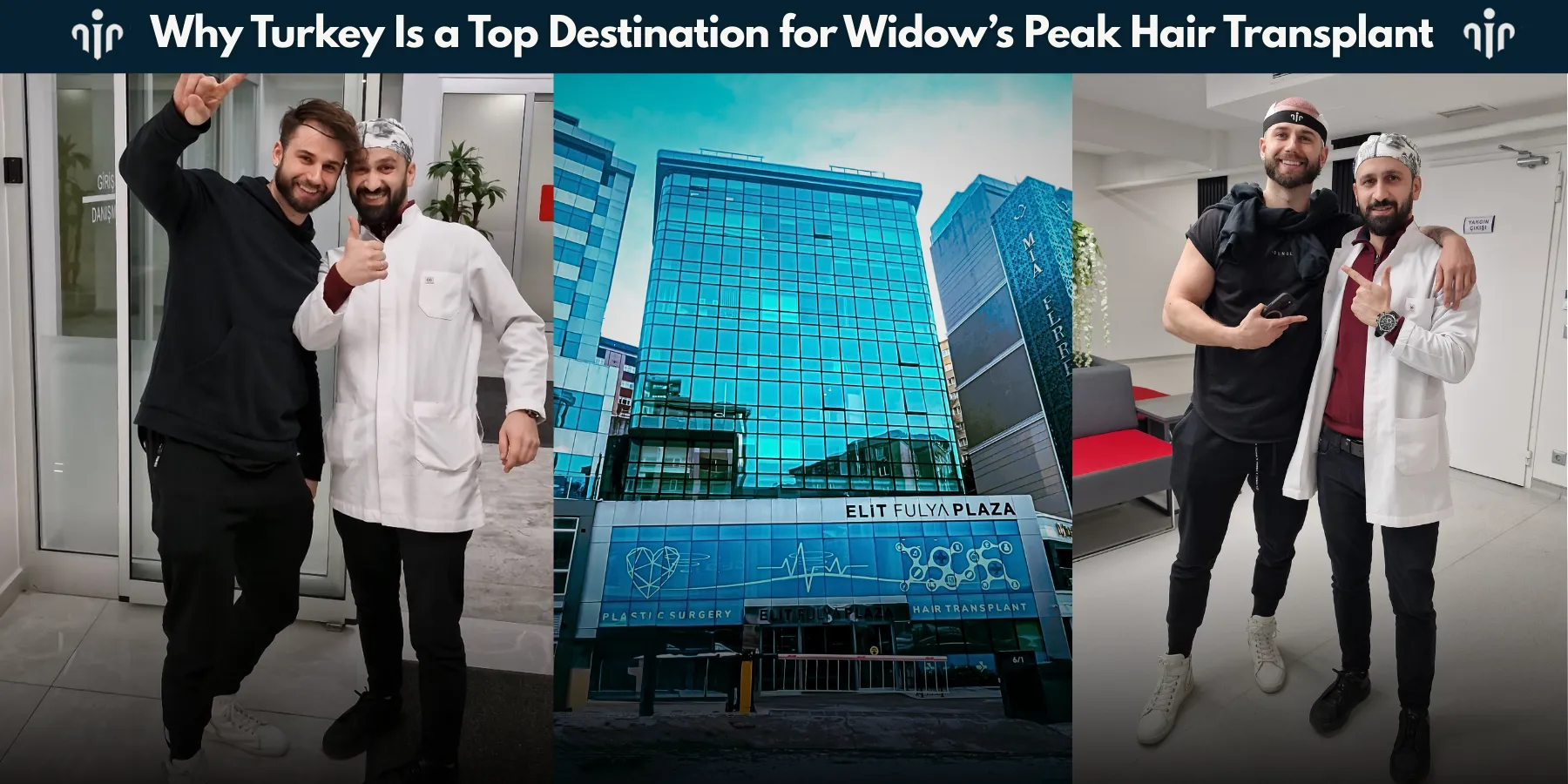
Experienced Hair Transplant Surgeons in Turkey
Hair transplant experts conducting widow’s peak hair transplants in Turkey are required to have comprehensive training through their lives. This is due to the fact that attaining these outcomes demands considerable time and effort. Surgical outcomes generally rely more heavily on the surgeon’s expertise than on the procedure itself. This is because working in this profession often necessitates a high level of accuracy and thorough preparation. This is the manner in which affairs operate, as the result holds greater significance than the procedure. Prior to initiating the hairline design procedure, a qualified local surgeon must assess the patient’s individual characteristics, hair density, and patterns of ongoing thinning. Prior to initiating the hairline planning procedure, it is essential to complete these preparatory measures. If we utilize this comprehensive research to achieve our objectives, we will be less likely to face significant repercussions.
Numerous highly skilled medical experts in Turkey have supported individuals worldwide in attaining their aesthetic goals and addressing diverse hair types. These physicians are renowned for their exceptional patient treatment. These physicians provide excellent care to their patients. Individuals become more adaptable and make more informed decisions as a result of this exposure, which is especially advantageous for procedures requiring careful planning, such as widow’s peak transplants. Expert medical professionals recognize that subtlety, precise angle control, and density regulation are essential factors that influence the realism of their devices.
Technical proficiency is not the sole attribute appreciated by experienced surgeons. They also aim to establish ethical protocols and actively engage patients. They not only aid patients in setting realistic goals but also provide comprehensive explanations of any prospective concerns. By promoting less invasive treatment alternatives, supporting an incremental recovery process, and emphasizing long-term well-being over transient cosmetic improvements, this evidence-based methodology prioritizes sustained health. The method is effective as it encourages each of these factors.
Advanced Clinics and Medical Technology
In Turkey, hair transplant centers usually have state-of-the-art surgical equipment and special rooms. In these regulated settings, clinical teams can work together more effectively because this infrastructure can support set protocols.
Tech is more of a help than a hindrance when it comes to getting things done. Maintenance, clinical judgment, and enough training are the building blocks of safe and successful use. Using complex devices in a meaningful way needs careful medical supervision.
High Patient Satisfaction and Success Rates
Patients are usually very happy with the results when hair transplant clinics in Turkey have good follow-up methods and ways for patients to talk to each other. Standardized treatment paths are also based on the experiences of patients from other countries.
It is very important to be careful when looking at satisfaction statistics. How things turn out varies on many things, like what the patient wants, how well they heal, and how long they have to wait for results. The most true way to show success is to look at medical outcomes, openness, and help after the procedure as a whole.
Affordable Treatment Without Quality Compromise
People say that hair replacement surgeries in Turkey are less expensive than in some Western countries. It is not because of lower medical standards; it is mostly because of higher running costs and a lack of healthcare infrastructure.
But you should never let low prices get in the way of a good review. Patients should carefully look into the surgeon’s experience, the length of their treatment, and the plan for how to handle complications so that they do not have to skimp on quality to save money.
Traveling to Turkey for Widow’s Peak Hair Transplant
Planning a voyage to Turkey for a widow’s peak hair transplant involves more than merely scheduling the procedure date. Patients from other countries should prioritize obtaining high-quality consultations, maintaining comprehensive medical records, and ensuring that their travel arrangements and clinical planning are well-coordinated. A clearly organized process facilitates informed decision-making and minimizes confusion prior to reaching the desired outcome. Conducting a comprehensive medical examination and developing a tailored treatment plan prior to ensuring flight comfort are always prudent measures.
Concerns have been raised regarding the continuity of care when a patient receives treatment at multiple locations. Patients should be informed of the available tools, understand how to utilize them, and be aware of the appropriate actions to take if issues arise before, during, or after a remote assessment. To ensure the safety of patients during travel, it is essential to communicate explicitly and adhere to reasonable schedules.
Consultation Process for International Patients
Obtaining core medical information is often the first step that physicians take when dealing with international patients. This is the case even before deciding whether or not the patient intends to travel. Standard ways for determining whether or not a patient is a good candidate for a widow’s peak hair transplant include video consultations, medical history questionnaires, and visual aids among other things. At this early point, it is beneficial to have an understanding of what to anticipate; nonetheless, this mostly constitutes an initial evaluation rather than a definitive medical judgment.
Although it can be beneficial, remote advising has well-defined limitations. It may be challenging to determine definitively the hair texture, grade of the donor area, and scalp flexibility without a comprehensive physical examination. This provides a sufficient rationale to verify or modify treatment plans following a direct clinical assessment upon your arrival.
Travel, Hotel, and Transfer Arrangements
For international patients getting a widow’s peak hair transplant, it is normal to arrange for their travel, lodging, and transportation costs ahead of time. Part of these services could be getting you to and from the airport, to and from nearby hotels, and to and from your treatment days. Medical tourists who are going on their first trip should plan ahead so they do not have to worry about as many useful things.
But this framework is more of a way to get help from other people than a medical one. Patients should still look into travel insurance, flexible scheduling choices, and accommodation standards in case they have to wait for medical reasons. It is very important to put honesty over speed when talking about postoperative care and treatment plans.
Length of Stay for Widow’s Peak Hair Transplant
For a widow’s peak hair transplant, most people only need to stay in the hospital for three to five days. This is a typical time frame for a consultation before surgery, the surgery itself, and the first evaluation after surgery before the patient is released.
It may be easier to plan for shorter stays, but you still need to be careful. Because patients are more responsible for their own self-care after going home without on-site follow-up, it is important that they have detailed aftercare instructions and fully understand any activity restrictions.
What to Expect During Your Medical Trip
For a widow’s peak hair transplant to go smoothly, patients must stick to a strict routine. This includes things like tests before surgery, the day of surgery, and directions for the first few hours after surgery. A lot of people just want to relax and refuel, so they do not want to go to any sites.
The method may not work the same way for everyone, so the results may be different. It is even more important to plan realistically when you know you might have edema, mild pain, or tiredness. It is helpful to keep expectations in check with the professional staff by talking to them openly.
Recovery and Aftercare After Widow’s Peak Hair Transplant
After getting a widow’s peak hair transplant, you need to take it easy and do what your doctor tells you. Due to the grafts still being in place, the treated area is very sensitive for the first two to three days after a transfer. If you carefully follow the aftercare guidelines, the swelling, mild redness, and temporary sores should go away on their own.
When it comes to aftercare, taking care of the cosmetic results for the long run is just as important as fixing the damage right away. The graft will last longer and keep its natural shape if you wash the area properly, wear sunscreen, and make other changes to your lifestyle. These steps might not seem to have any instant effects, but in the long run, they will change the density, direction of growth, and symmetry of the widow’s peak.
First Week Recovery Guidelines
The survival of the grafts during the first seven days following a widow’s peak hair transplant is of the utmost importance. To avoid causing any damage to the area that has been transferred, it is essential to refrain from touching, rubbing, or scratching it. It is possible to limit swelling and the likelihood of moving the graft by accident by following the cleaning recommendations, sleeping with your head raised, and avoiding overworking yourself.
In the case of using prescription medications or applying topical solutions, it is of the utmost importance to adhere to all of the recommendations with great care. Pain that is not severe, tightness, or itching are frequent symptoms that typically disappear on their own. It is imperative that you contact the medical personnel as soon as possible if you observe any odd fluid, a worsening of the discomfort, or an excessive amount of redness.
Healing Timeline for Widow’s Peak Area
Within the first 7 to 10 days, the widow’s peak area generally starts to heal as the scabs fall off and dry out. Because it is close to the forehead hairline, this area may show signs of redness or mild irritation for a little longer than others. Do not worry; if you give it enough time and care, it will usually go away on its own. At this point, it is very important to wash gently without rubbing.
Most transferred hairs lose their hair in shock between weeks 2 and 4. Even though the hairs are coming out, the follicles below the epidermis are still working. After a transfer, the body needs to rest for a short time. After the adjusting process is over, follicle growth starts up again.
Hair Growth Stages After Transplant
About three to four months after the treatment, hair should start to grow back. The first locks that babies grow out may be very thick and coarse, or they may be very thin and easily broken. This stage does not show the final shape or mass; instead, it shows how living things renew themselves. It is possible that the widow’s peak still does not look complete at this point.
Your hair will get thicker and stronger between six and twelve months. The widow’s peak gets sharper and more evenly spread out as density rises. Plus, the hairline will look more realistic now that the direction of growth is stable. Small changes may keep happening after the first year.
Long-Term Care for Permanent Results
In the aftermath of a widow’s peak hair transplant, it is of the utmost need to carefully preserve the hair of both the donor and the receiver. In order to maintain the stability of the graft, it is important to use shampoos that are soft, reduce the amount of heat styling equipment you use, and prevent pulling on the hairline too much. Additionally, make it a daily routine to protect your hair, particularly the head, from the sun. This is especially important for the head. All of the processes are responsible for everything running properly and without any damage.
As people get older, the decisions they make regarding their lifestyle have a significant impact on the outcomes. To maintain healthy hair, it is essential to maintain a healthy diet, consume a enough amount of water, and learn how to effectively manage stress. Even after a permanent hair follicle transplant has been performed, there is still a possibility that hair loss will continue. In order to preserve the harmony and density in the widow’s peak region, it is important to follow the advice of your physician and to lead a healthy lifestyle.
It is well-documented that regular follow-up sessions have long-term advantages for patients. You will be able to monitor the state of your scalp and identify any changes in the hair that is around it if you undergo clinical examinations on a regular basis. Should the thinning continue, it may be necessary to seek medical attention as soon as possible. As a consequence of this, when it comes to maintaining the widow’s peak in a manner that is balanced, natural, and suitable for the age group, a professional touch is essential at all times.
Risks, Limitations, and Design Considerations
Due to the fact that it is located in the front of the head, where it is most noticeable, a hair graft at the widow’s peak is considered to be extremely dangerous. Due to the fact that even minor errors in the design can have a negative impact on the outcome, planning is of utmost significance. Therefore, it is essential to exercise extreme caution. When you make the curves too sharp, when you reduce the peak too much or too little, or when you do not pay attention to how the nose and mouth go together, you run the risk of giving the wrong impression. When it comes to design, it is more important to consider adaptability, balance, and smooth transitions than it is to focus on how something appears at first glance.
When it comes to determining what the desired outcomes are, biological restrictions are also a very significant factor to consider. What is actually achievable is contingent upon a great number of factors, such as the degree of flexibility of the skin, the quality of the donor hair, the amount of blood that is accessible, and the rate at which the hair loss is occurring at the present time. It is impossible to reverse the effects of genetic hair loss or hair loss that will occur in the future, regardless of how extensive the operation may be. Managing expectations, being respectful of one’s physical limitations, and making preparations for the effects of aging are all essential components in achieving results that are long-lasting and provide a natural appearance.
Over-Lowering or Over-Sharpening the Widow’s Peak
If you lower the widow’s peak too much, it could make your face look small. A lot of people end up with hairlines that are thick or stiff because of this, which does not look realistic. Another possible effect of sharpening the peak too much is a distorted sense of balance. Sometimes, small mistakes are the key to results that make sense.
After implantation, it might be hard or even impossible to fix a bold design. There are more risks and costs involved in taking out and moving grafts. Because it has a low crown, it can fit people with different hair thicknesses and face shapes. The goal of nature design is long-lasting beauty, not short-term beauty.
Importance of Natural Hair Angle and Direction
The position and direction of your hair at the widow’s peak are very important because it draws attention to that area. If the position is wrong, the graft might look like it is out of place or even standing up. That makes it harder to style the hairline because light does not bounce off of it as easily. If the orientation is wrong, even dense results could look off.
Instead of sudden angle changes, the widow’s peak needs steady ones. For a finished look, match your hairstyle to the rest of your frontal hairs. For this task, you need to know a lot about technology and be very accurate. Long-term, getting the right viewpoint leads to more patience, realism, and harmony in the way things look.
Managing Expectations for Density and Shape
Because the widow’s peak has a small surface area, we need to do the density numbers again. Too much pressure on a graft could stop it from healing properly. When densities are moderate, the effect on the eye is usually more subtle and modest. The meaning of form definition is greater than the meaning of raw graft amount.
Hair density, skin tone, and color difference are some other factors that can change the outcome. Some face shapes and ages do not look good with a thick, pointed peak. Normal and expected are small, gradual improvements. If you let yourself down sometimes, you will be happy and more successful in the long run.
FAQs – Widow’s Peak Hair Transplant
How many grafts are needed for a widow’s peak hair transplant?
A widow’s peak treatment will usually need between 150 and 500 grafts. The exact amount varies on how dense you want your hair to be, how thick it is, how big the peak is, and whether you want to soften or reshape it.
Is widow’s peak hair transplant permanent?
Follicular transplants are known to be permanent because the donor spots used to get the follicles are genetically stable. But it is important to think about how likely it is that surrounding natural hair will keep falling out as part of long-term plans.
Can a widow’s peak be softened instead of fully removed?
Most people who have widow’s peak surgery choose to have it reduced in size instead of having it completely removed. This method often makes a hairline that looks more natural because it keeps the hair’s natural structure.
Does widow’s peak hair transplant look natural?
With the right density and curves, along with careful planning, widow’s peak transplants can look very natural. Often, the peak will produce strange effects when it is either set too high or too low.
Can women get a widow’s peak hair transplant?
No risks are involved in the process of a widow’s peak hair transplant for women. Because hairlines for men and women are different, this method works on making the hairline thinner instead of thicker, taking into account things like hormones and getting older.
How long does it take to see full results?
During the third or fourth month of pregnancy, signs of growth start to show. You can see some growth after six months, and the full development of density, structure, and shape should happen between nine and twelve months.
Is the Widow’s peak procedure painful?
Because of the local sedative, the surgery will not hurt. It is normal to feel some pain, tightening, or soreness after surgery. However, this usually goes away on its own after a few days of taking over-the-counter painkillers.
Can widow’s peak transplant be combined with other hairline procedures?
I can say for sure that it works with both forehead and temple hairline repair. It is important to carefully plan combined procedures to protect the donor supply and get balanced, long-lasting effects in terms of looks.
Are before and after results guaranteed?
There is no promise that surgery will have a certain outcome. The process can work or not depending on things like the transplant success rate, the patient’s immune system, and other biological factors. The pictures of before and after only show the usual outcome, not the guaranteed one.
Can i have an online consultation to make sure if i am right fit for Widow’s peak procedure.
People often use online advice when they are first evaluating and making plans. A scalp check in person, on the other hand, is generally the best way to get a full picture of suitability.
How soon can I return to work after the procedure?
After a week, most people can go back to their desk jobs. In order to make sure that grafts heal properly and stay safe, one may need to lengthen the recovery time for tasks that require a lot of physical effort.
Referances
International Society of Hair Restoration Surgery (ISHRS) – Patient education on hair restoration
American Academy of Dermatology (AAD) – Hair transplant basics, expectations, and safety
Cleveland Clinic – Hair transplant overview, recovery timeline, and results guidance