

Hair loss among individuals with Afro-textured hair has become an increasingly discussed topic across North America. In recent years, Canada Afro Hair Transplant searches have surged as Afro-Canadian men and women look for permanent and natural-looking solutions.
While Canada offers advanced healthcare infrastructure, Afro hair transplantation requires highly specialized expertise that remains limited locally. As a result, Turkey has emerged as the global leader for Afro hair restoration, combining experience, technology, and affordability.
This comprehensive guide explores Afro hair loss in Canada, the challenges of local treatment, and why thousands of Canadian patients now choose Turkey for Afro hair transplant procedures.
Afro Hair Loss in Canada: A Growing Concern Among 3C–4C Hair Types
Afro-textured hair types (3C–4C) are genetically different from straight or wavy hair. In Canada’s diverse population, Afro hair loss is becoming more visible due to both genetic and lifestyle-related factors.
- Rising awareness of traction alopecia
- Increased diagnosis of androgenetic alopecia
- Limited access to Afro hair specialists in Canada
These factors have pushed many patients to explore Canada Afro Hair Transplant alternatives abroad—most notably in Turkey.
Understanding Afro Hair Structure
What Makes Afro Hair Transplants More Complex?
Afro hair transplants are considered one of the most technically demanding procedures in hair restoration. The complexity lies beneath the scalp, where Afro hair follicles grow in curved and spiral patterns.
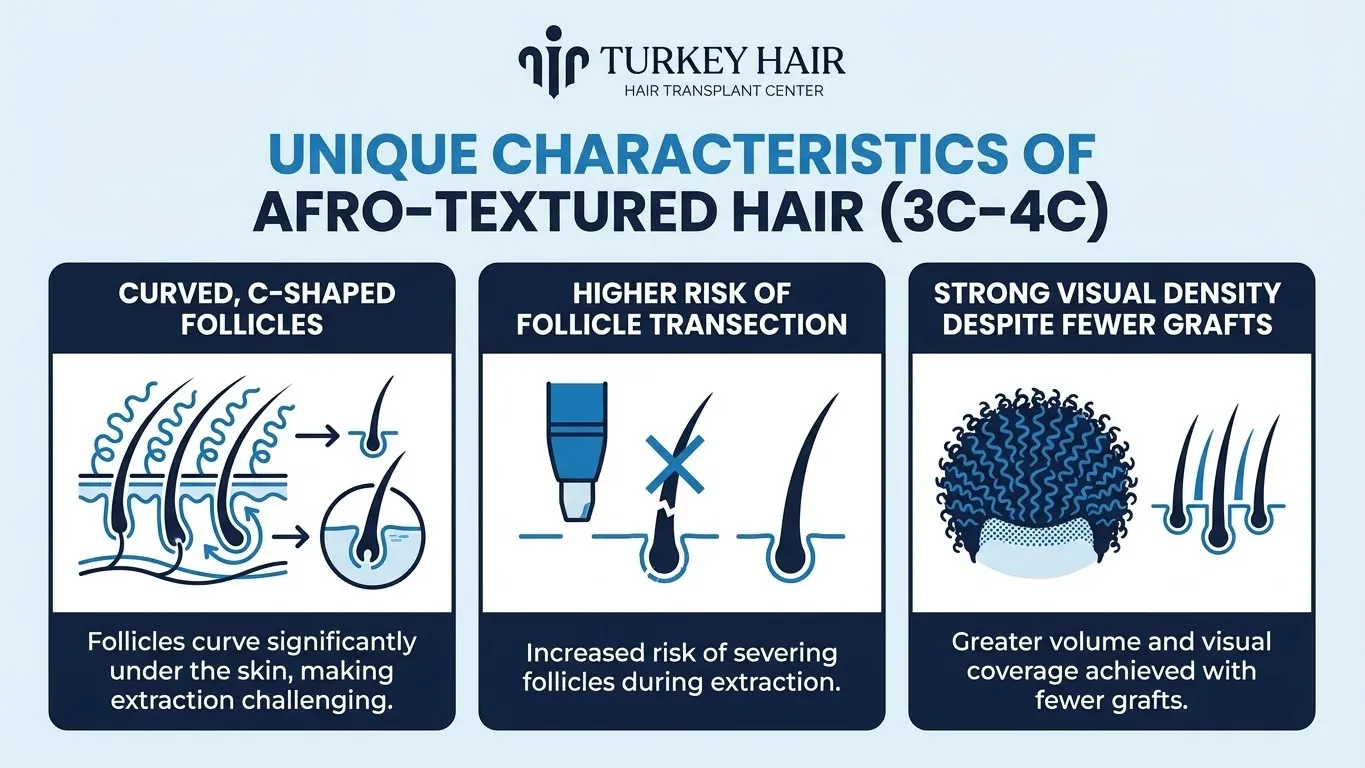
Unique Characteristics of Afro-Textured Hair (3C–4C)
- Curved, C-shaped follicles under the skin
- Higher risk of follicle transection during extraction
- Strong visual density despite fewer grafts
Why Afro Hair Requires Specialized Techniques
Unlike straight hair, Afro follicles cannot be extracted using standard FUE angles. Surgeon experience, customized punches, and precise implantation angles are essential for success.
Afro Hair Loss in Canada
Why Is Afro Hair Loss Common Among Afro-Canadian Patients?
Hair loss among Afro-Canadian patients is influenced by a combination of genetic predisposition and external factors related to lifestyle and hair care habits.
Genetic Hair Loss Patterns
Androgenetic alopecia affects both Afro men and women in Canada. While the pattern may appear similar to other ethnic groups, progression and visual impact differ significantly.
Lifestyle & Hair Practices in Canada
- Tight braids, cornrows, and locs
- Extensions causing traction alopecia
- Chemical relaxers and heat styling
Male vs Female Afro Hair Loss in Canada
Men typically experience frontal recession and crown thinning, while women often suffer from diffuse thinning and traction-related hair loss.
Canada Afro Hair Transplant Challenges
Why Afro Hair Transplant Options in Canada Are Limited
Although Canada has modern clinics, Afro hair transplantation remains a niche field with limited practitioner experience.
Limited Number of Afro Hair Specialists
Only a small number of surgeons in Canada regularly perform Afro-textured hair transplants, leading to limited availability.
High Treatment Costs in Canada
The average Canada Afro Hair Transplant cost is significantly higher than global standards, often excluding aftercare and accommodation.
Long Waiting Times and Conservative Graft Planning
Due to healthcare regulations and surgeon workload, patients may wait months for procedures, often receiving fewer grafts than needed for optimal density.
Why Turkey Is the Best Alternative
Why Canada Afro Hair Transplant Patients Choose Turkey
Turkey has become the world’s leading destination for Afro hair transplants, treating thousands of international patients annually.
Turkey’s Expertise in Afro Hair Transplant Surgery
- High-volume Afro hair cases
- Dedicated Afro hair medical teams
- Surgeons experienced with curved follicles
Advanced Techniques for Afro Hair
- Modified FUE for curly follicles
- Sapphire FUE implantation
- Customized punch technology
Higher Graft Survival & Natural Results
Thanks to experience and advanced techniques, graft survival rates in Turkey are consistently higher, producing natural and permanent results.
Cost Comparison
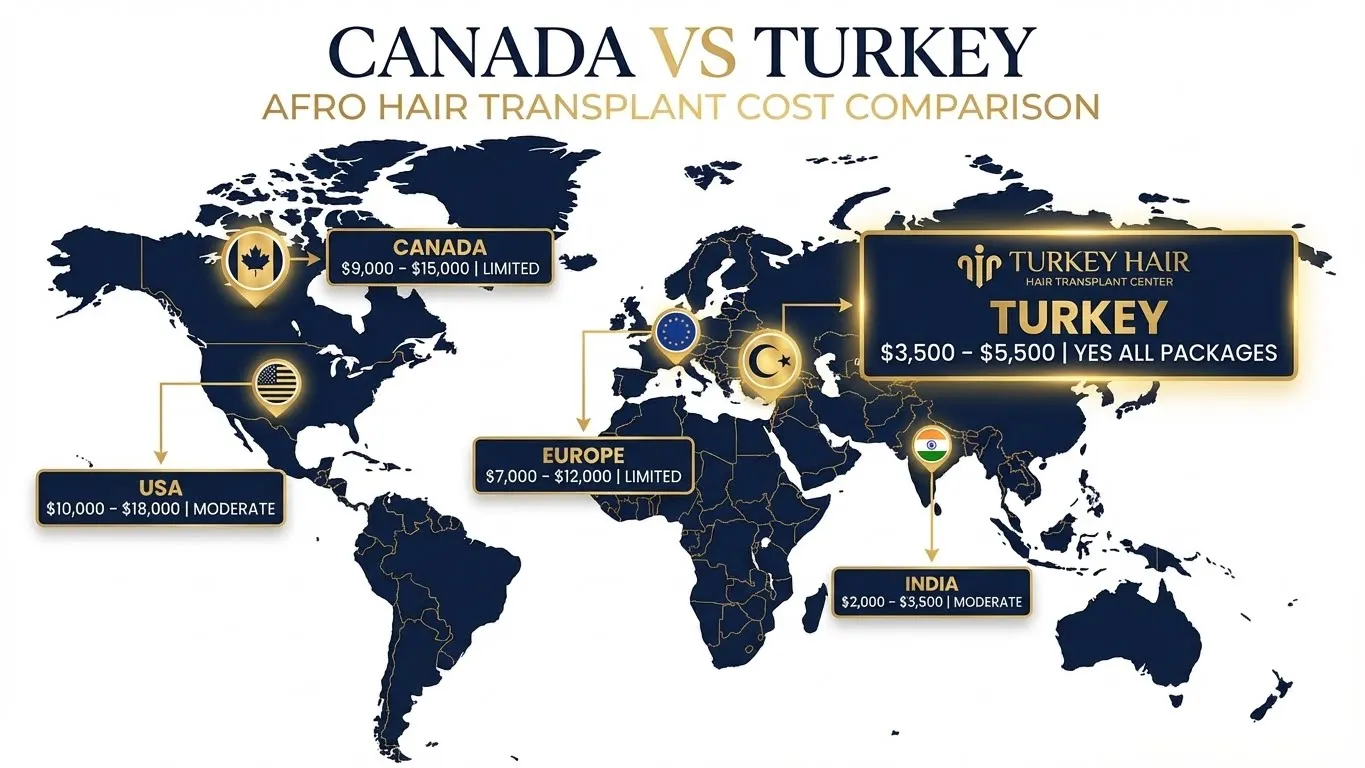
Canada vs Turkey Afro Hair Transplant Cost Comparison
| Country | Average Cost | Includes Hotel & Transfers | Afro Hair Expertise |
|---|---|---|---|
| Canada | $9,000 – $15,000 | No | Limited |
| Turkey | $3,500 – $5,500 | Yes | All Packages |
| USA | $10,000 – $18,000 | No | Moderate |
| Europe | $7,000 – $12,000 | No | Limited |
| India | $2,000 – $3,500 | Partial | Moderate |
All-Inclusive Afro Hair Transplant Packages in Turkey
- Hotel accommodation
- VIP airport & clinic transfers
- English-speaking coordinators
- Post-op care & medication
Afro Hair Transplant Procedure Explained
How Is an Afro Hair Transplant Performed in Turkey?
The Canada Afro Hair Transplant process in Turkey follows a highly personalized medical approach, designed specifically for curved and coiled Afro-textured follicles.
Online Consultation for Canadian Patients
The journey begins with an online consultation. Patients from Canada submit scalp photos for medical evaluation, density planning, and graft estimation.
- Digital hair analysis
- Personalized graft calculation
- Procedure suitability confirmation
Curved Follicle Extraction Process
Modified FUE techniques are used to safely extract curved follicles without damaging the root structure. This step is critical for Afro hair success.
Implantation Angle & Curl Preservation
Implantation is performed at precise angles to preserve curl direction, density illusion, and natural hairline appearance.
Natural Results & Permanency
Are Afro Hair Transplant Results Permanent and Natural?
Yes. When performed correctly, Canada Afro Hair Transplant procedures in Turkey deliver permanent and natural-looking results.
Does Transplanted Afro Hair Stay Curly?
The curl pattern remains intact because the genetic structure of the follicle does not change during transplantation.
When Do Results Become Visible?
- 1–3 months: shedding phase
- 4–6 months: new growth begins
- 9–12 months: full results visible
Long-Term Success Rate for Afro Hair
Clinics in Turkey report success rates exceeding 90% for Afro-textured hair transplants when proper techniques are used.
Recovery & Aftercare
Afro Hair Transplant Recovery Process
Recovery after an Afro hair transplant is typically smooth when patients follow aftercare instructions carefully.
Healing Timeline for Afro Hair Patients
| Timeframe | What to Expect |
|---|---|
| First 3 Days | Mild swelling and redness |
| 7–10 Days | Scabs fall off naturally |
| 1 Month | Temporary shedding phase |
| 6–12 Months | Permanent hair growth |
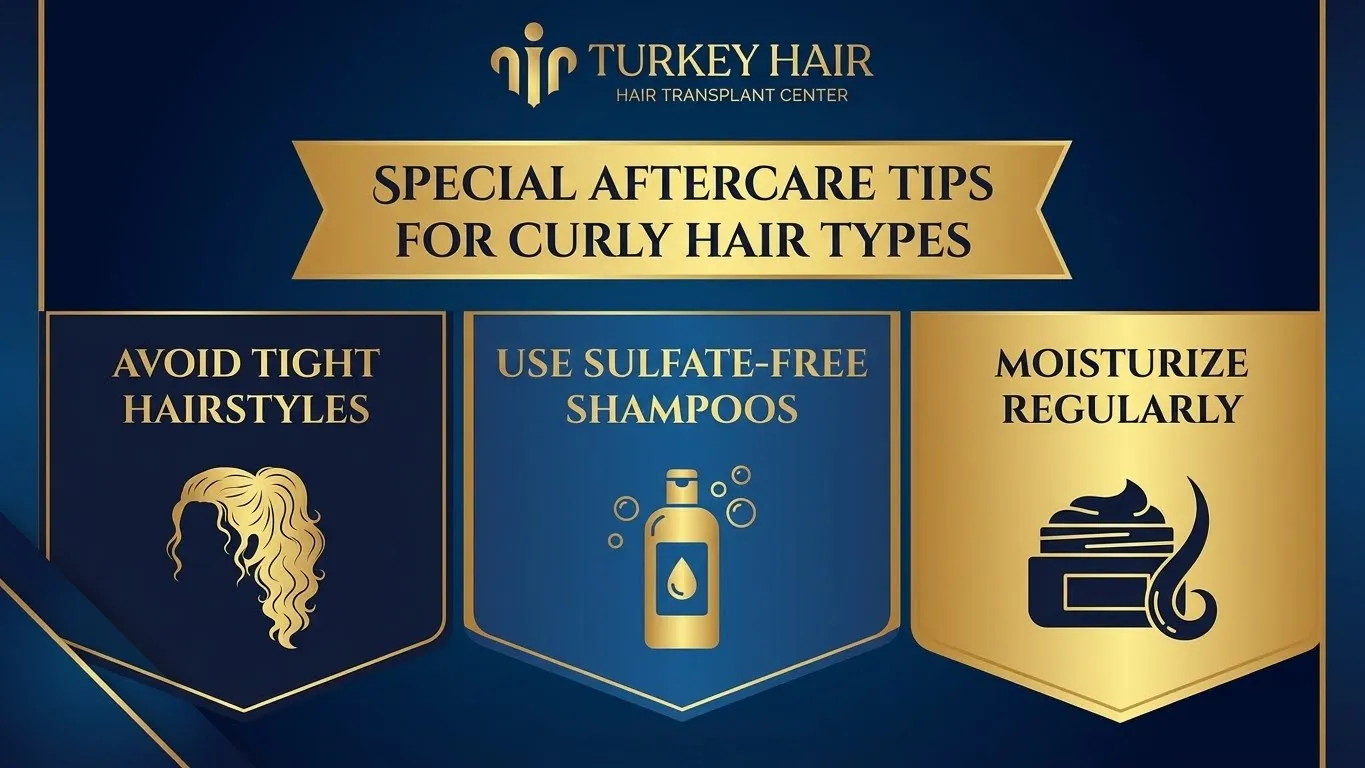
Special Aftercare Tips for Curly Hair Types
- Avoid tight hairstyles
- Use sulfate-free shampoos
- Moisturize regularly
Will you feel pain after a hair transplant? All the details are in the article “Pain After Hair Transplant“.
Canada to Turkey Medical Travel Experience
Afro Hair Transplant Journey from Canada to Turkey
Turkey offers a seamless medical travel experience for Canadian patients seeking Afro hair restoration.
Travel Process from Canada to Turkey
- Flight duration: 9–11 hours (with connections)
- Major departures: Toronto, Montreal, Vancouver
- Airport pickup and hotel transfer included
English-Speaking Coordinators
Dedicated coordinators assist patients throughout their entire stay, ensuring comfort and clarity at every step.
How Long Should Patients Stay in Turkey?
Frequently Asked Questions – Canada Afro Hair Transplant
| Question | Professional Answer |
|---|---|
| Is Afro hair transplant painful? | No. Local anesthesia ensures a pain-free procedure. |
| How many grafts are needed? | Usually fewer grafts due to visual density of Afro hair. |
| Is shaving mandatory? | Partial shaving is often sufficient. |
| Can women undergo Afro hair transplant? | Yes. Female patients are ideal candidates. |
| Is Turkey safe for medical travel? | Yes. Turkey is one of the world’s top medical tourism destinations. |
| When can I return to Canada? | Usually within 2–3 days after the procedure. |
References
International Society of Hair Restoration Surgery (ISHRS)
National Center for Biotechnology Information (NCBI)
Global Medical Tourism Statistics
