

An Afro hair transplant is a specialized hair restoration procedure designed for tightly curled hair types, typically classified as Type 3C to Type 4C. These hair types have spiral or zig-zag curl patterns and curved follicles beneath the scalp, which require different extraction angles and implantation techniques than straight or wavy hair.
Type 3C hair features dense, corkscrew curls with strong volume, while Type 4A–4C hair has tighter coils, higher fragility, and a more complex root structure. Because the follicle curves under the skin, standard methods can increase transection risk if not performed by experienced surgeons.
A Colombia Afro Hair Transplant plan must consider curl direction, follicle curvature, and visual density to achieve natural-looking results. When performed correctly—often in Turkey, where clinics specialize in Afro-textured hair—the transplanted hair retains its natural curl pattern permanently.
Why It Requires Special Expertise?
A Colombia Afro Hair Transplant refers to hair restoration procedures researched by individuals in Colombia who have Afro-textured or curly hair. Afro hair transplant is fundamentally different from standard hair transplant procedures due to the unique structure of curly follicles beneath the scalp.
Afro hair follicles grow in a curved and spiral shape under the skin. This makes extraction, preservation, and implantation far more complex. As a result, Afro hair transplant requires specialized medical expertise, advanced techniques, and extensive experience to achieve natural and permanent results.
- Afro hair transplant explained in medical terms
- Afro hair transplant for curly and kinky hair types
- Afro-textured hair transplant differences
Understanding Afro-Textured Hair Loss in Colombia
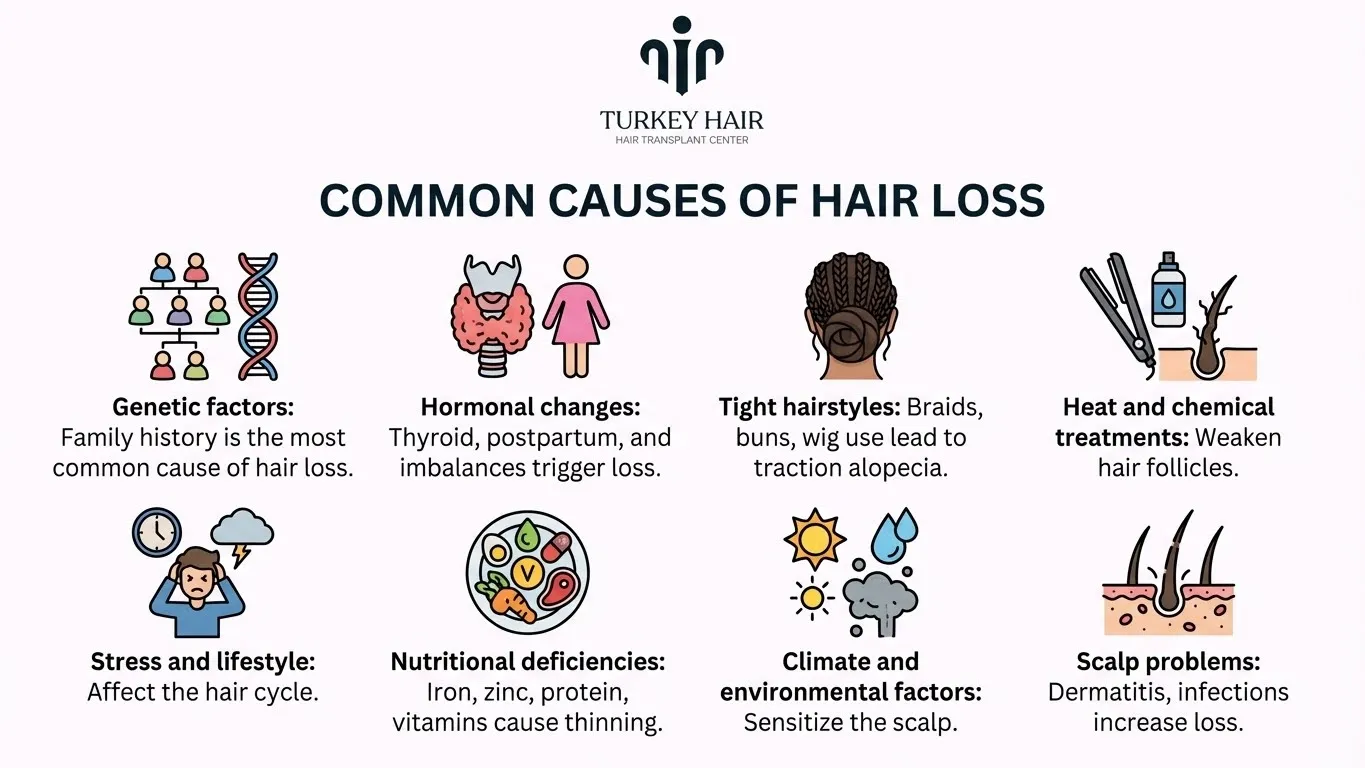
Hair loss among individuals with Afro-textured hair in Colombia is influenced by both genetic and lifestyle-related factors. Understanding these causes is essential before considering a Colombia Afro Hair Transplant.
Common Causes of Hair Loss in Afro-Textured Hair
- Genetic predisposition (androgenetic alopecia)
- Traction alopecia caused by tight hairstyles
- Scalp inflammation and follicle damage
- Improper hair care routines
Genetic Hair Loss Patterns in Afro Hair
Afro hair genetic hair loss often starts at the temples or crown. Because Afro hair creates visual density, early thinning may go unnoticed until hair loss becomes advanced.
Traction Alopecia and Tight Hairstyles
Braids, cornrows, dreadlocks, and tight ponytails are common contributors to traction alopecia. Long-term tension damages hair follicles permanently if not addressed early.
Why Afro Hair Follicles Are Different
Afro hair follicles are thicker, curved, and more fragile during extraction. This is why Afro hair transplant procedures require slower extraction speed and precise handling.
Why Afro Hair Transplant Is More Complex Than Standard Hair Transplants
A Colombia Afro Hair Transplant is technically more demanding than straight-hair transplants due to several anatomical challenges.
Curved Follicles Under the Scalp
The curved growth pattern increases the risk of follicle transection if the medical team lacks Afro hair experience.
Higher Risk of Graft Damage Without Experience
- Improper punch angle may damage grafts
- Over-harvesting reduces donor survival
- Poor implantation affects curl pattern
Importance of Correct Angle and Direction
Afro hair must be implanted at precise angles to preserve natural curl direction and density.
Density Planning for Natural Afro Hair Results
Density planning focuses on strategic placement rather than excessive graft numbers, ensuring a natural Afro hair appearance.
Best Hair Transplant Techniques for Afro Hair
Choosing the right technique is one of the most important factors in achieving successful results in a Colombia Afro Hair Transplant. Afro-textured hair requires specialized methods that respect the curved structure of the follicles and preserve natural curl patterns.
Modern techniques such as FUE, DHI, and Sapphire FUE are commonly used for Afro hair, each offering specific advantages depending on hair characteristics, donor quality, and desired density.
FUE Afro Hair Transplant: How It Works
FUE is the most commonly used technique for Afro hair. Each follicle is extracted individually with specialized punches designed for curved roots.
DHI Afro Hair Transplant: Is It Suitable?
DHI can be used selectively for Afro hair, especially for hairline refinement, but requires highly experienced surgeons.
Sapphire FUE for Afro Hair
Sapphire blades allow precise channel opening, reducing trauma and improving healing for Afro-textured hair.
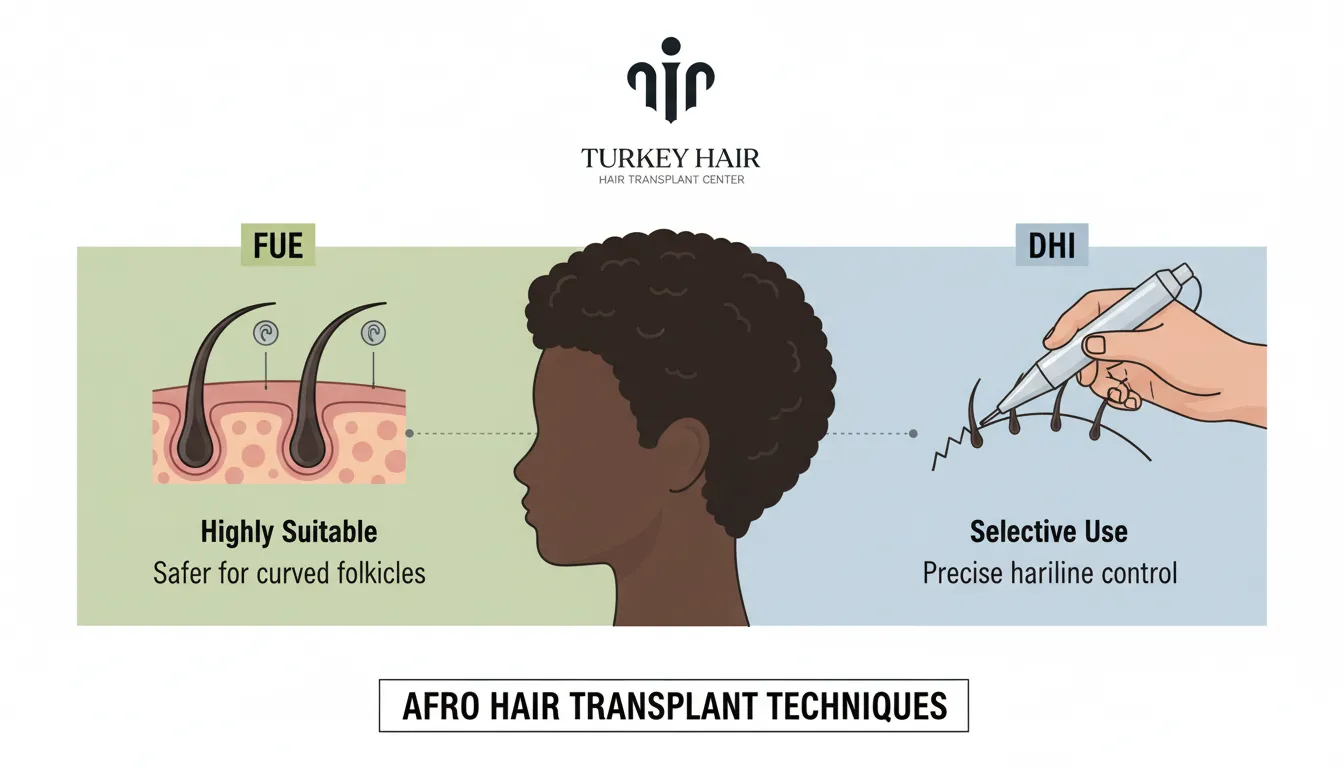
FUE vs DHI for Afro Hair
| Technique | Suitability for Afro Hair | Main Advantage |
|---|---|---|
| FUE | Highly Suitable | Safer for curved follicles |
| DHI | Selective Use | Precise hairline control |
Who Is a Suitable Candidate for Afro Hair Transplant?
What Results Can You Expect from an Afro Hair Transplant?
After a Colombia Afro Hair Transplant, new hair growth typically begins between the third and fourth month, while full and mature results become visible around 12 months. Afro-textured hair creates greater visual density with fewer grafts, allowing for fuller-looking coverage.
Natural results are achieved through slightly irregular hairline design that matches the unique characteristics of Afro hair. Once transplanted, the follicles used in a Colombia Afro Hair Transplant are permanent and continue to grow for life.
Afro Hair Transplant Recovery Timeline
Understanding the recovery process is essential for anyone researching a Colombia Afro Hair Transplant. Afro-textured hair heals similarly to other hair types, but proper aftercare is critical to protect the transplanted follicles.
First 7 Days After Afro Hair Transplant
- Mild swelling and redness are normal
- Small scabs form around grafts
- Sleeping position is important to protect grafts
Shock Loss in Afro Hair: Is It Normal?
Shock loss is a temporary shedding phase that usually occurs within the first month. It is completely normal and does not affect the final outcome.
When Can You Wash Afro Hair After Transplant?
Gentle washing typically begins after day 3–5 using medical shampoo provided by the clinic.
When Can You Return to Normal Hairstyles?
Most patients can return to protective or loose hairstyles after 2–3 months, once follicles are securely anchored.
Afro Hair Transplant in Colombia vs Abroad
Many patients initially search for a Colombia Afro Hair Transplant locally. However, limited availability of Afro hair specialists leads many to consider international options.
Availability of Afro Hair Specialists in Colombia
Afro hair transplant requires niche expertise. In Colombia, only a small number of clinics have hands-on experience with Afro-textured hair.
Technology and Experience Comparison
High-volume international clinics often perform hundreds of Afro hair procedures annually, increasing success and consistency.
Cost vs Expertise Dilemma
Choosing solely based on cost can compromise results. Experience and technique are more critical factors for Afro hair.
Why Patients from Colombia Choose Turkey for Afro Hair Transplant
Turkey has become a global hub for Afro hair restoration, attracting patients from Colombia, Brazil, the USA, and Europe.
Specialized Afro Hair Transplant Experience
- Dedicated Afro hair teams
- Customized extraction tools
- Natural curl pattern preservation
High-Volume Clinics with Proven Results
Clinics performing thousands of procedures annually develop superior technical consistency.
Advanced Technology & Medical Standards
Use of Sapphire FUE, advanced microscopes, and sterile surgical environments improves graft survival.
International Patient Coordination
From online consultation to airport pickup, the process is fully coordinated for international patients.
Afro Hair Transplant Cost: Colombia vs Turkey
Cost is a major factor for those researching Colombia Afro Hair Transplant options. Pricing varies significantly depending on expertise and services included.
What Affects Afro Hair Transplant Pricing?
- Surgeon experience with Afro hair
- Number of grafts required
- Technology used
- Included travel and aftercare services
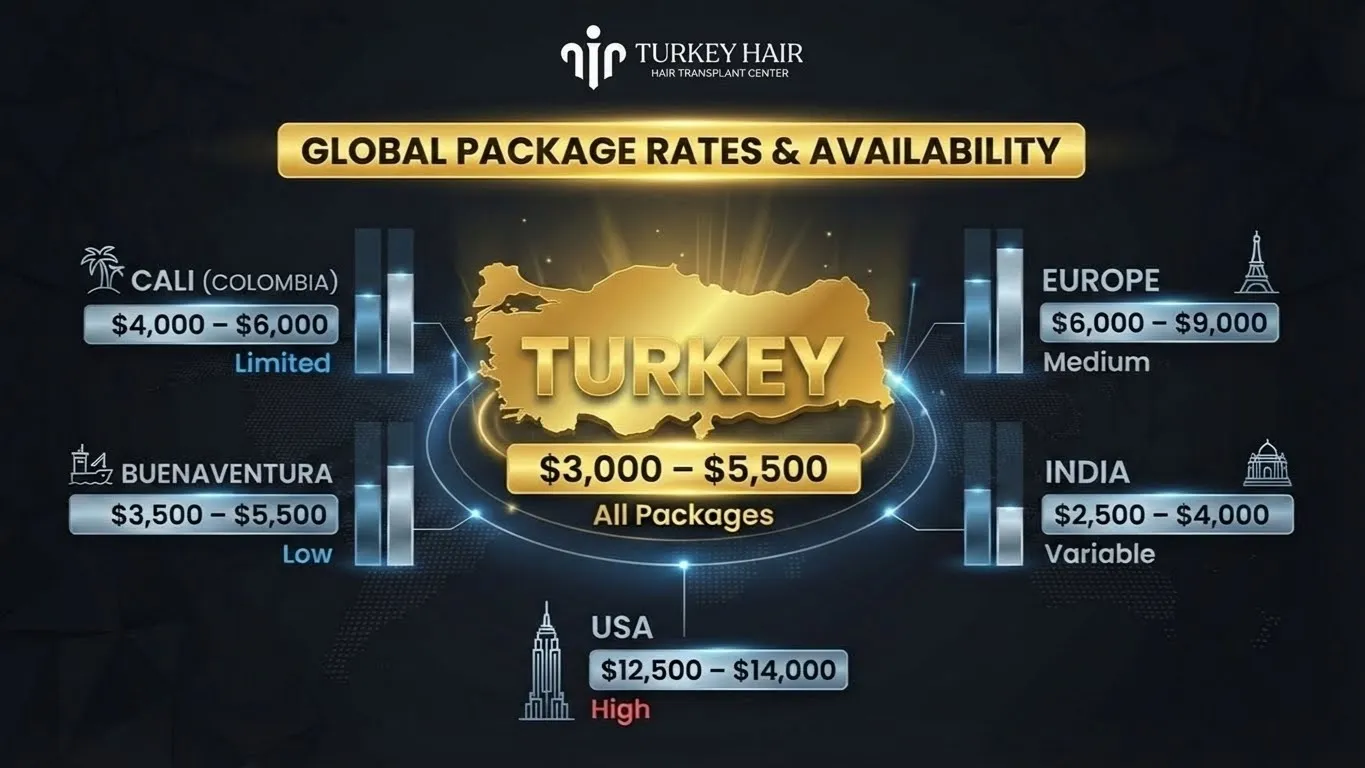
Cost Comparison Table
| Location | Average Cost (USD) | Afro Hair Expertise |
|---|---|---|
| Turkey | $3,000 – $5,500 | High |
| Cali (Colombia) | $4,000 – $6,000 | Limited |
| Buenaventura | $3,500 – $5,500 | Low |
| Europe | $6,000 – $9,000 | Medium |
| India | $2,500 – $4,000 | Variable |
Traveling from Colombia to Turkey for Afro Hair Transplant
For patients researching a Colombia Afro Hair Transplant abroad, understanding the process before traveling is essential. A structured and transparent approach helps patients feel confident and well prepared at every stage.
The journey begins with an online consultation, where patients submit photos of the scalp and donor area for a personalized medical evaluation. Based on hair type, donor capacity, and hair loss pattern, an individualized treatment plan is created before confirming any travel for a Colombia Afro Hair Transplant.
Once the plan is approved, travel and clinic coordination are managed seamlessly, including airport transfers, nearby hotel accommodation, and support from a dedicated patient coordinator. Multilingual staff and long-term aftercare guidance ensure clear communication, proper healing, and consistent follow-up throughout and after the Colombia Afro Hair Transplant process.
Afro Hair Transplant FAQs for Colombian Patients
Is Afro hair transplant permanent?
Yes, an Afro hair transplant is considered permanent when performed correctly. In a Colombia Afro Hair Transplant, healthy follicles are taken from genetically resistant donor areas and transplanted into thinning or balding regions. Once these follicles establish blood supply, they continue to grow naturally for life.
Can curly hair be transplanted safely?
Yes, curly and Afro-textured hair can be transplanted safely, but only when handled by experienced specialists. A successful Colombia Afro Hair Transplant requires advanced knowledge of curved follicles beneath the scalp to avoid graft damage and ensure high survival rates.
Will my curls look natural after the transplant?
When implantation is done at the correct angle, depth, and direction, curls retain their natural pattern. Proper planning in a Colombia Afro Hair Transplant ensures that transplanted hair blends seamlessly with existing hair and maintains its original curl structure.
Is Turkey safe for hair transplant procedures?
Turkey is internationally recognized for hair transplant treatments and follows strict medical and hygiene standards. Clinics serving Colombia Afro Hair Transplant patients operate under international protocols, using modern technology and experienced medical teams.
How many grafts are needed for Afro hair transplant?
Afro hair often requires fewer grafts compared to straight hair because curl volume creates greater visual density. During a Colombia Afro Hair Transplant, graft numbers are carefully calculated based on coverage needs rather than maximum extraction.
Can women undergo Afro hair transplant?
Yes, Afro hair transplant is commonly performed on women. Female patients seeking a Colombia Afro Hair Transplant are evaluated for hair loss patterns such as traction alopecia or thinning, and treatment plans are customized to preserve natural hairlines and density.
Online consultation available.
References
National Center for Biotechnology Information (NCBI)
American Academy of Dermatology
International Society of Hair Restoration Surgery
Start Your Afro Hair Transplant Journey with Expert Guidance
Choosing the right clinic is the most important step in a successful Colombia Afro Hair Transplant journey. Expert evaluation, transparent planning, and realistic expectations lead to natural and lasting results.
