


The demand for USA hair transplant procedures continues to rise every year, especially among men aged 25 to 55. Although American clinics offer modern technology, high costs and long waiting times push many to consider alternatives in Turkey. Today, choosing a USA hair transplant abroad has become common, and thousands of U.S. residents trust clinics in Turkey for better density, affordable packages, and experienced surgeons.
This guide offers everything U.S. readers need: a complete comparison of America and options in Turkey, real cost data, benefits, state-by-state clinic analysis, and the key reasons why a USA hair transplant often delivers better density, natural hairlines, world-class surgeons, and far more affordable treatment.
I am text block. Click edit button to change this text. Lorem ipsum dolor sit amet, consectetur adipiscing elit. Ut elit tellus, luctus nec ullamcorper mattis, pulvinar dapibus leo.
What Is a Hair Transplant?
A hair transplant is a medical procedure designed to restore lost or thinning hair by relocating healthy follicles from the donor area to balding regions. Whether someone is researching a USA hair transplant due to rising domestic costs or exploring advanced and affordable options in Turkey, this modern treatment offers permanent, natural-looking results for both men and women experiencing hair loss.
How Does a Hair Transplant Work?
A hair transplant is a minimally invasive surgical procedure that relocates healthy hair follicles from the donor area—typically the back or sides of the scalp—to bald or thinning regions. Modern techniques ensure natural-looking results and high graft survival rates. For patients considering a USA hair transplant, understanding this process is essential before comparing international alternatives such as Turkey.
What Are the Main Differences Between FUE and DHI?
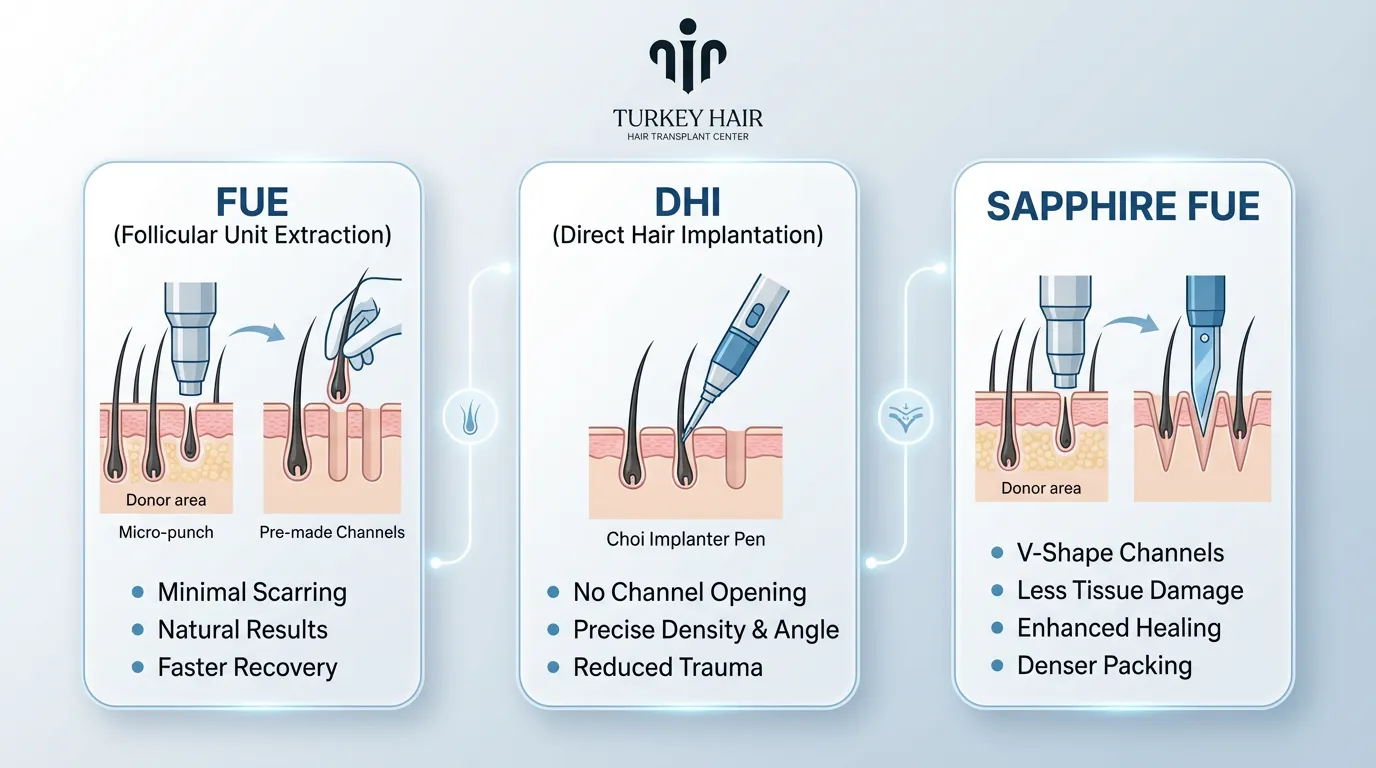
FUE (Follicular Unit Extraction) involves individually extracting hair follicles and implanting them into the recipient area. In contrast, DHI (Direct Hair Implantation) uses a specialized implanter pen that allows direct placement of follicles without creating prior incisions.
DHI often enables faster healing, more precise implantation, and higher density results, which is why it has become a preferred technique for many USA hair transplant patients who choose to undergo the procedure abroad.
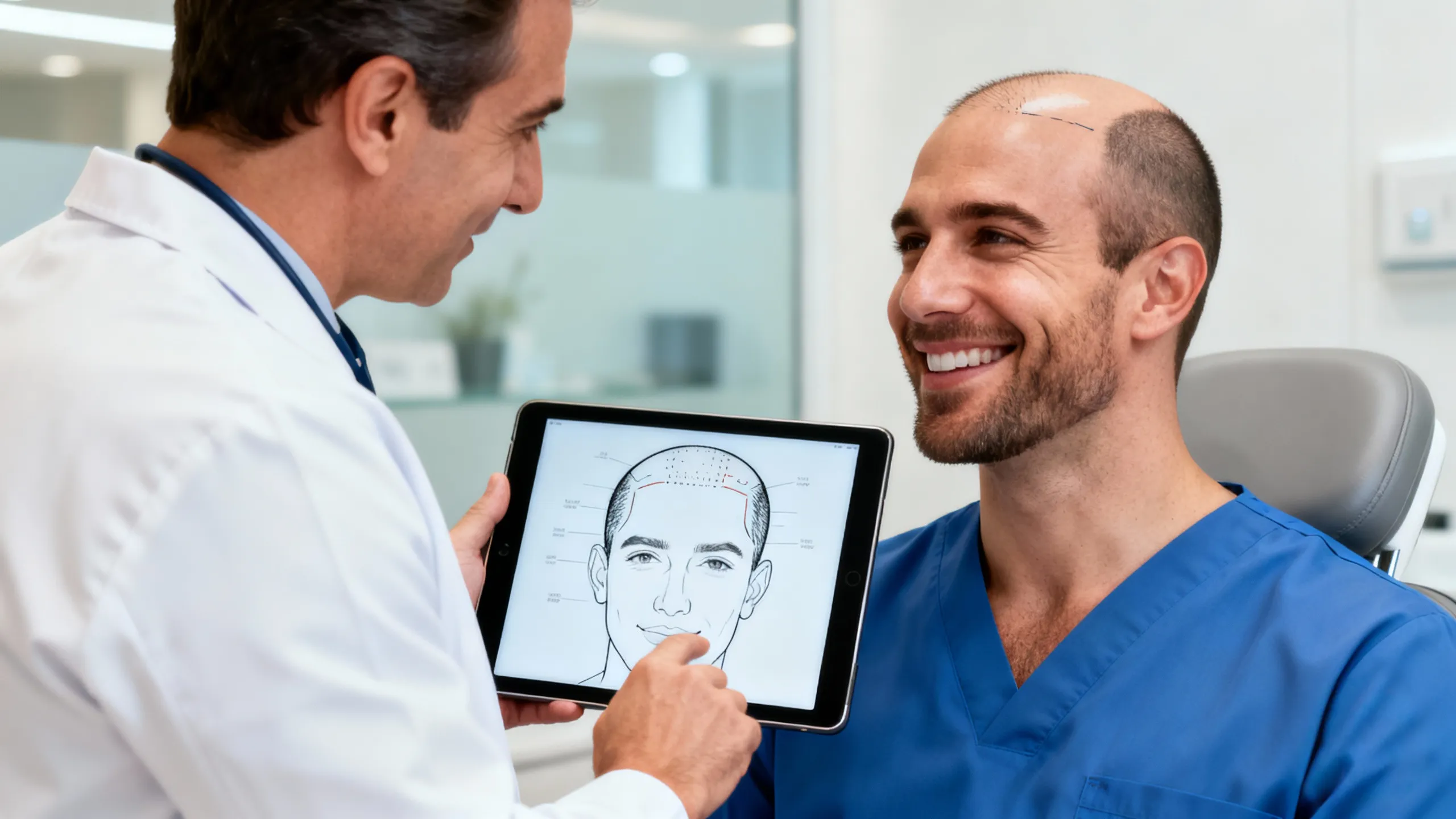
Which Hair Transplant Technique Is Best for American Patients?
For most USA hair transplant patients, DHI is ideal for frontal refinement and natural hairline design, while FUE is better suited for full scalp coverage. Turkish clinics specialize in both techniques and perform large graft sessions daily, resulting in higher success rates compared to many clinics in the United States.
Is a Hair Transplant Permanent?
Yes. Transplanted hair follicles are resistant to DHT, the hormone responsible for pattern baldness. Once implanted, these follicles continue to grow naturally and provide permanent results for a lifetime.
Who Is a Good Candidate for Hair Restoration?
- Individuals with male or female pattern baldness
- Patients with a stable and healthy donor area
- Adults between the ages of 20 and 65
- People seeking natural, long-term hair restoration results
Why Do People in the USA Experience Hair Loss?
Hair loss affects millions of Americans each year due to genetics, chronic stress, lifestyle habits, and medical factors. Many individuals considering a USA hair transplant seek permanent solutions, while others explore high-quality and more affordable alternatives in Turkey to restore density and achieve natural-looking results.
Does Stress Cause Hair Thinning in the USA?
Yes. Stress-related hair shedding is extremely common in the United States due to long work hours, financial pressure, and lifestyle imbalance. Conditions such as telogen effluvium are frequently diagnosed by U.S. dermatologists and often push patients to consider a USA hair transplant or advanced treatment options abroad.
How Do Genetics Affect Hair Loss Among U.S. Men and Women?
Genetics account for more than 70% of hair loss cases among American men and women. If baldness runs in the family, visible thinning may begin as early as the late 20s or early 30s.
Do Lifestyle, Diet, and Medications Increase Hair Shedding?
Poor nutrition, rapid weight loss, thyroid disorders, antidepressants, and processed diets can accelerate hair thinning. These factors contribute to the growing demand for USA hair transplant procedures each year.
Why Is Turkey the #1 Destination for USA Hair Transplant Patients?
The combination of affordable pricing, experienced surgeons, advanced techniques, and all-inclusive medical tourism packages makes Turkey the top destination for Americans seeking a USA hair transplant alternative with superior value and results.
- Affordable, high-quality care with international standards
- Cost–quality advantage offering higher density at lower prices
- Trusted by thousands of U.S. patients every year
- Natural hairlines & better density thanks to experienced teams
- Up to 80% savings compared to U.S. clinics
Why Does Turkey Offer Better Density and Natural Hairlines?
Turkish surgeons perform an average of 400–600 hair transplant procedures per year, far exceeding the volume of most U.S. surgeons. This hands-on experience leads to more refined, artistic, and natural-looking hairline designs.
What Makes Turkish Surgeons More Experienced?
Turkey is the world’s leading medical tourism hub for hair transplantation. High patient volume allows surgeons to continuously refine their techniques and achieve consistently superior outcomes.
Why Are U.S. Patients Flying to Istanbul Instead of Choosing Local Clinics?
While American clinics often limit graft numbers at very high prices, Turkish clinics provide full-coverage procedures at a fraction of the cost—typically including hotel accommodation, transfers, medication, and aftercare.
Are Turkish Clinics Accredited and Safe?
Yes. Many clinics operate under international standards such as JCI and ISO, featuring fully sterilized operating rooms and strict patient safety protocols.
Why Is Patient Satisfaction Higher in Turkey?
Customized treatment plans, higher graft counts, and natural-looking results lead to exceptionally high satisfaction rates among U.S. patients traveling to Turkey.
USA vs Turkey Hair Transplant Cost Comparison
Comparing the cost of a USA hair transplant with treatment options in Turkey reveals a major price difference without sacrificing quality. Turkish clinics offer all-inclusive packages and world-class surgeons at a significantly lower total cost.
Why Are Hair Transplant Prices So High in the USA?
High labor costs, insurance limitations, and limited surgeon availability make USA hair transplant procedures expensive. Most clinics charge per graft, causing unpredictable and often excessive final costs.
How Much Does a Hair Transplant Cost Across U.S. States?
Prices vary by location. States such as New York and California are the most expensive, while Texas and Florida are slightly more affordable—but still far costlier than Turkey.
Why Can Turkey Offer the Same Quality for 70–80% Lower Costs?
Lower operational expenses, high surgical volume, and government support for medical tourism enable Turkish clinics to deliver premium quality at dramatically reduced prices.
Cost Comparison Table: Turkey vs USA
| Location | Average Cost (3,000 Grafts) | What’s Included |
|---|---|---|
| USA (Average) | $8,000 – $18,000 | Procedure only |
| New York | $12,000 – $22,000 | Procedure only |
| California | $13,000 – $25,000 | Procedure only |
| Texas | $8,000 – $16,000 | Procedure only |
| Florida | $9,000 – $17,000 | Procedure only |
| Turkey | $3,000 – $5,500 | All-inclusive (hotel, transfers, meds) |
U.S. State-by-State Comparison: Local Clinics vs Turkey
A state-by-state comparison shows major differences in cost, surgeon experience, and results. Patients from high-cost U.S. states increasingly choose Turkey for better density, advanced techniques, and significantly lower overall expenses.

New Jersey Hair Transplant – Why Do NJ Residents Prefer Turkey?
New Jersey is one of the most expensive states in the U.S. for hair restoration. High clinic fees and per-graft pricing lead many residents to save up to 80% by choosing hair transplant treatment in Turkey.
New York Hair Transplant – Is It Worth Paying the Premium?
New York clinics charge premium prices, but higher costs do not always guarantee better results. Many patients prefer Turkey’s all-inclusive packages, which offer experienced surgeons and superior value.
Florida Hair Transplant – Why Is Availability Limited?
Florida clinics often have long waiting lists due to high demand and limited surgeon availability. As a result, many patients opt for Turkey, where immediate scheduling is commonly available.
California Hair Transplant – Why Are Hollywood Patients Flying to Istanbul?
Even celebrities and high-profile patients choose Turkey for its advanced surgical expertise, refined hairline design, and high-density natural results.
Texas Hair Transplant – Are Turkey Packages More Affordable?
Yes. Although Texas offers relatively lower prices than other U.S. states, Turkish clinics still provide significantly better value through all-inclusive hair transplant packages.
Illinois Hair Transplant – How Do Prices Compare?
Hair transplant clinics in Chicago typically charge between $9,000 and $16,000. In comparison, Turkey delivers similar or better quality at a much lower total cost.
Washington Hair Transplant – Why Are Wait Times Longer in the U.S.?
Limited surgeon availability and high demand lead to extended wait times in Washington state, prompting many patients to seek faster treatment options in Turkey.
Before & After Results
Viewing real USA hair transplant transformations helps patients understand achievable outcomes. Thousands of individuals who traveled to Turkey have documented impressive before-and-after results featuring natural hairlines, increased density, and long-lasting improvements.
Transformations From U.S. Patients
Leading Turkish clinics publish thousands of verified before-and-after photos demonstrating consistently natural hairlines and high-density outcomes for American patients.
What Density Can U.S. Patients Expect?
Depending on donor area quality, Turkish clinics commonly achieve 40–55 grafts per cm², which is significantly higher than the average density achieved in the United States.
How Long Until Results Are Visible?
Initial hair growth begins around the third month. Noticeable improvement appears by month six, with full results visible between 9 and 12 months.
Patient Reviews & Testimonials
Patient feedback provides valuable insight into the effectiveness of hair restoration abroad. Many Americans report high satisfaction after traveling to Turkey, highlighting natural results, professional care, and the convenience of all-inclusive treatment packages.
What Do American Patients Say About Turkey?
Most U.S. patients praise the exceptional hospitality, detailed medical care, and dramatically lower overall costs compared to local clinics.
Are Results Consistent Among U.S. Visitors?
Yes. Consistency is one of Turkey’s strongest advantages due to high surgical volume and refined techniques used by experienced teams.
Do U.S. Doctors Recommend Turkey?
Many American dermatologists acknowledge Turkey’s leadership in hair transplantation while advising patients to choose accredited and certified clinics.
Localized Pain Points for U.S. Patients
Americans seeking a USA hair transplant often face high prices, long waiting periods, and limited surgeon availability. These challenges make Turkey an attractive alternative for timely, affordable, and high-quality hair restoration.
Does Insurance Cover Hair Transplant Surgery in the USA?
No. Hair transplant surgery is classified as a cosmetic procedure in the United States and is not covered by health insurance. This significantly increases out-of-pocket expenses for American patients.
Why Are Waiting Times Long at U.S. Clinics?
Many U.S. clinics have waiting periods ranging from 2 to 6 months. In contrast, Turkish clinics typically offer:
- Immediate scheduling
- Flexible surgery dates for U.S. patients
- Dedicated international patient coordinators
Why Are American Surgeons Less Specialized?
Most U.S. clinics perform fewer procedures per week than high-volume Turkish centers. This difference often impacts graft survival, density, and hairline design—leading many Americans to choose Turkey instead.
Travel Package Benefits for U.S. Patients
What Is Included in an All-Inclusive Turkey Hair Transplant Package?
- 5-star hotel accommodation (2–3 nights)
- VIP airport and clinic transfers
- Personal medical translator
- Blood tests and medical screening
- FUE or DHI hair transplant procedure
- Medications and post-op care kit
- PRP treatment
- Lifetime surgeon follow-up support
These inclusions make Turkey the top destination for patients comparing USA hair transplant options with international alternatives.
How Long Is the Flight From Major U.S. Cities to Istanbul?
| Departure City | Average Flight Time |
|---|---|
| New York / New Jersey | 9–10 hours |
| Chicago | 10 hours |
| Los Angeles | 13 hours |
| Miami | 11 hours |
Direct daily flights from major U.S. cities make traveling to Istanbul fast and convenient.
What Is the Weather Like in Istanbul?
Istanbul has a mild climate year-round, making it ideal for medical tourism and post-operative recovery after a hair transplant procedure.
How Easy Is Local Transportation in Istanbul?
- Clinics located 20–40 minutes from Istanbul Airport
- Proximity to major tourist and medical districts
- Easy access via taxi, Uber, and metro systems
Step-by-Step Hair Transplant Process in Turkey
Understanding the full procedure helps U.S. patients prepare confidently for hair transplantation abroad and ensures a smooth experience from arrival to recovery.
Day 1 – Consultation & Planning
- Airport pickup and hotel or clinic transfer
- Medical tests and scalp analysis
- Customized natural hairline design
- Final graft count and treatment planning
Day 2 – Surgery
- Local anesthesia only
- FUE or DHI graft extraction
- Channel opening or direct implantation
- Comfort breaks and monitoring
- Procedure completion within 5–7 hours
Day 3 – Aftercare & Return
- First wash demonstration
- Medication and aftercare instructions
- Guidance for return flight
How Long Is the Healing Process?
Initial healing takes 7–10 days. Redness fades within a few weeks, and full hair growth becomes visible between 9 and 12 months.
When Can U.S. Patients Fly Back Home?
Most patients return home within 48–72 hours after surgery, offering a major advantage over local USA hair transplant clinics that require multiple visits.
Medical & Safety Standards
Ensuring high medical and safety standards is crucial for anyone considering a USA hair transplant. Clinics in Turkey follow international certifications, strict sterilization protocols, and work with experienced surgical teams, offering U.S. patients safe, reliable, and world-class hair restoration results.
Are Turkish clinics internationally accredited?
Top hair transplant clinics in Istanbul comply with globally recognized medical standards and hold certifications such as:
- JCI (Joint Commission International)
- ISO 9001 Quality Management Certification
- Turkish Ministry of Health Licensing
What sterilization and safety protocols are used?
- Single-use medical tools for each patient
- Hospital-grade sterilization systems
- Dedicated infection control procedures
- Experienced anesthesia and medical support teams
Why is Turkey considered one of the safest destinations for hair surgery?
High patient volume, advanced medical tourism infrastructure, and strict healthcare regulations make Turkey one of the most trusted destinations for USA hair transplant alternatives.
Frequently Asked Questions (FAQ)
Is a hair transplant painful?
Only mild discomfort is felt during the initial local anesthesia injections. The procedure itself is generally painless.
How many grafts do I need?
Most U.S. patients require between 2,000 and 4,000 grafts for full coverage, depending on hair loss severity and donor area density.
Can I work after the procedure?
Yes. Most patients return to remote or office work within 2–3 days.
How soon can I see results?
Visible hair growth usually begins around the third month. Final results are seen between 9–12 months.
Does Turkey provide follow-up after returning to the USA?
Yes. Clinics provide long-term follow-up through WhatsApp or email, offering lifetime patient support after the procedure.
Why Turkey Is the Smart Choice for U.S. Patients
For Americans seeking hair restoration, choosing a USA hair transplant abroad often means better results at significantly lower costs. Clinics in Turkey combine experienced surgeons, advanced techniques, and all-inclusive packages that deliver higher density, natural hairlines, and overall patient satisfaction.
How much can American patients save overall?
By choosing Turkey instead of a USA hair transplant, patients can save up to 70–80%, including accommodation, transfers, surgeon fees, and post-operative care.
Why does Turkey offer the best cost-quality ratio in the world?
- Highly experienced hair transplant surgeons
- High-density FUE and DHI techniques
- Advanced medical technologies
- Lower operational and healthcare costs
- VIP medical tourism services
How to get a free online consultation?
Patients can receive a full medical evaluation by sending clear photos of the front, top, sides, and donor area of the scalp.
Get Your Free Hair Loss Diagnosis
- U.S.-friendly appointment times
- Photo-based medical assessment
- Guaranteed natural hairline design
- Transparent pricing with no hidden fees
- Complete USA hair transplant comparison
Contact us today and start your transformation.
References
- American Academy of Dermatology – Hair Loss Resources
- International Society of Hair Restoration Surgery (ISHRS)
- European Hair Transplant Association
Why are New Jersey, New York, and California patients choosing Turkey the most?
Patients from New Jersey, New York, and California increasingly choose Turkey because the overall value of a USA hair transplant cannot match the combination of affordability, density, and surgical expertise offered in Turkey. Lower prices and superior outcomes make it the most logical option for U.S. patients.
