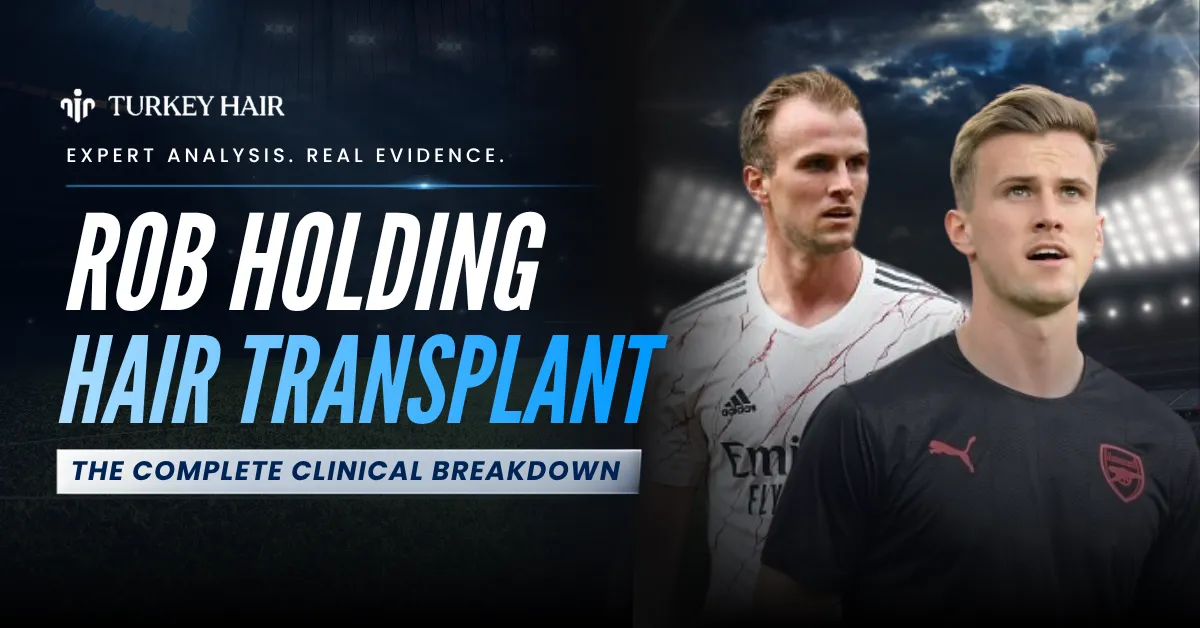
Rob Holding Hair Transplant FUE Procedure, 2,600 Grafts, Cost & Results
For patients and fans seeking immediate facts regarding the footballer's hairline restoration, the details are publicly documented rather than speculative.
Performed at authorized partner hospitals Turkey Hair Center is a Ministry of Health authorized health-tourism intermediary, not a clinic.
Quick Answer: Did Rob Holding Get a Hair Transplant?
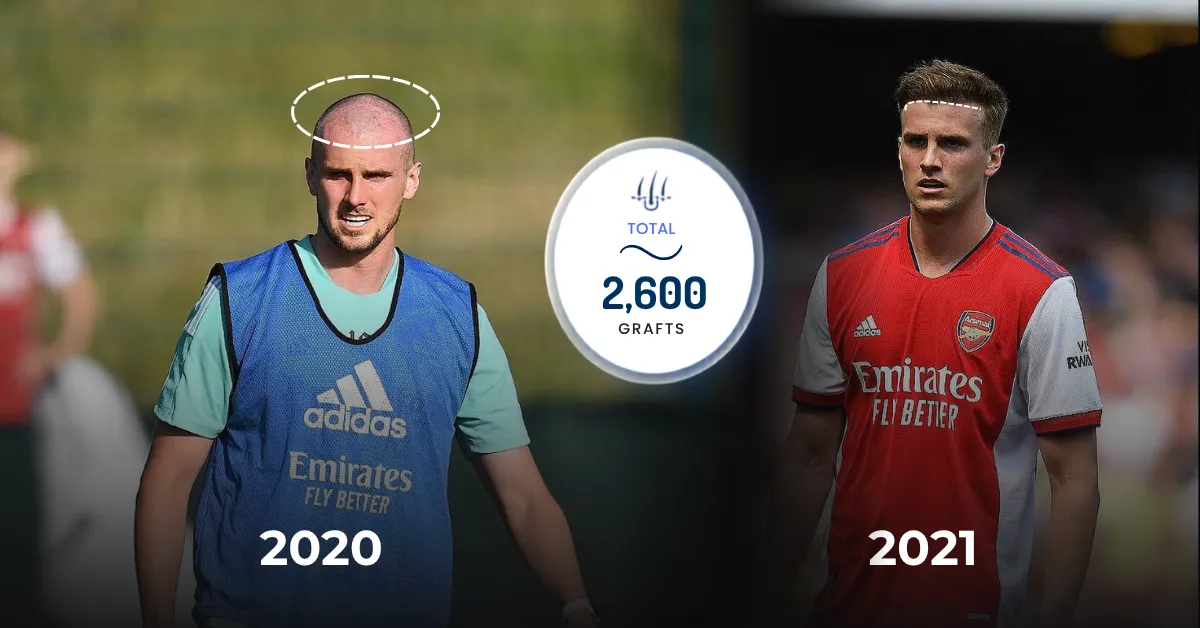
Rob Holding, a professional English footballer, underwent a Follicular Unit Extraction (FUE) hair transplant. He received approximately 2,600 grafts to restore his frontal hairline. The procedure was performed at the Wimpole Clinic in London under the care of Dr. Luciano Sciacca.
Before examining the technical aspects of his surgery, here is a breakdown of the core clinical facts.
What Is Publicly Confirmed?
Holding's clinical journey is fully documented. In October 2021, he openly discussed how early hair loss impacted his psychological well-being and self-confidence. He verified his visit to the Wimpole Clinic for professional medical intervention. His surgeon, Dr. Luciano Sciacca, also publicly detailed the clinical approach, confirming the exact extraction method and graft count used to rebuild the hairline.
Quick Facts Overview
Having a clinical snapshot of the surgery helps to understand the scale of the operation. Here are the specific parameters of his procedure.
Clinical Parameter
Verified Details
Patient
Rob Holding (Professional Footballer)
Surgical Technique
FUE (Follicular Unit Extraction)
Estimated Graft Count
Approximately 2,600 Grafts
Specialist / Clinic
Dr. Luciano Sciacca / Wimpole Clinic
Primary Focus
Frontal Hairline & Temporal Corners
Why His Result Became So Popular
The surgical outcome garnered significant attention due to its highly natural aesthetic. Poorly planned surgeries often result in a rigid, straight line across the forehead. In contrast, Holding received a soft transition zone that seamlessly frames his craniofacial structure. For young men dealing with early balding, his open testimonial proved that modern surgical techniques can remain undetectable even under HD television cameras.
Understanding the patient's professional background provides necessary context regarding the aesthetic demands placed on Premier League athletes, which often drive the decision to undergo early hair restoration.
His Football Career
As a central defender for Arsenal FC and later Crystal Palace, Holding spent years competing at the highest level of English football. Playing center-back means constant camera focus during set-pieces, tackles, and post-match interviews, putting physical presentation under constant public evaluation.
Why Footballers’ Hairlines Are Closely Watched
Athletes experience significant visual pressure. High-intensity physical exertion under harsh stadium floodlights, combined with heavy perspiration and short athletic haircuts, makes follicular thinning highly visible. For an athlete in his mid-twenties, that level of visual scrutiny can create a substantial psychological burden.
Rob Holding’s Hair Loss Journey
Did Rob Holding Get a Hair Transplant? Before & After Analysis | FUE Results Explained
Genetic predisposition to hair loss affects individuals regardless of their physical fitness or profession. Examining Holding's progressive shedding timeline highlights the importance of early medical evaluation.
Early Signs of Hairline Recession
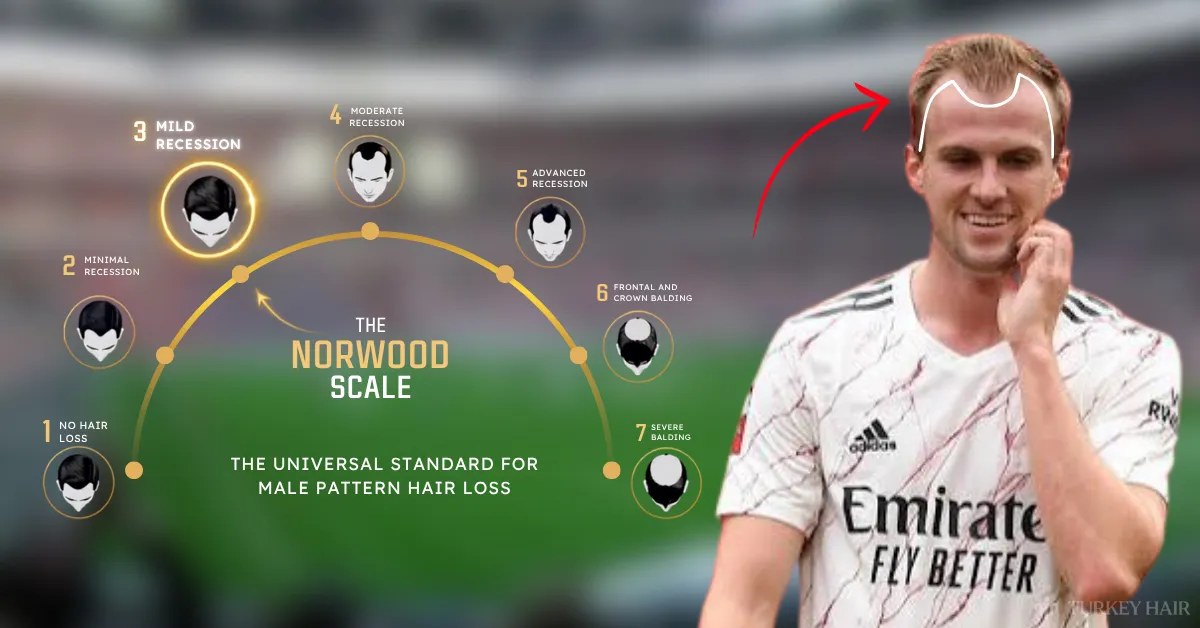
During his early twenties, initial signs manifested as classic temporal recession. The hair above his temples started retreating backward, creating a deep V-shape across his forehead. While his donor area at the back of his head remained dense, the frontal band was actively losing structural integrity.
Male Pattern Baldness and Footballers
Holding's visible pattern of recession appeared consistent with a pattern commonly associated with androgenetic alopecia, the most common form of male pattern hair loss. Combining that genetic trigger with the physical stress of professional sports and daily locker-room washing accelerates the visual appearance of thinning. Surgically restoring that frontal boundary offered a long-term restoration option.
Does Age Matter for Hair Restoration?
Undergoing a Rob Holding hair transplant equivalent in one's mid-twenties requires conservative long-term planning. If a physician aggressively lowers a hairline on a young patient without considering future shedding, the result will appear unnatural as the patient ages. A conservative, age-appropriate design is highly recommended by international medical guidelines.
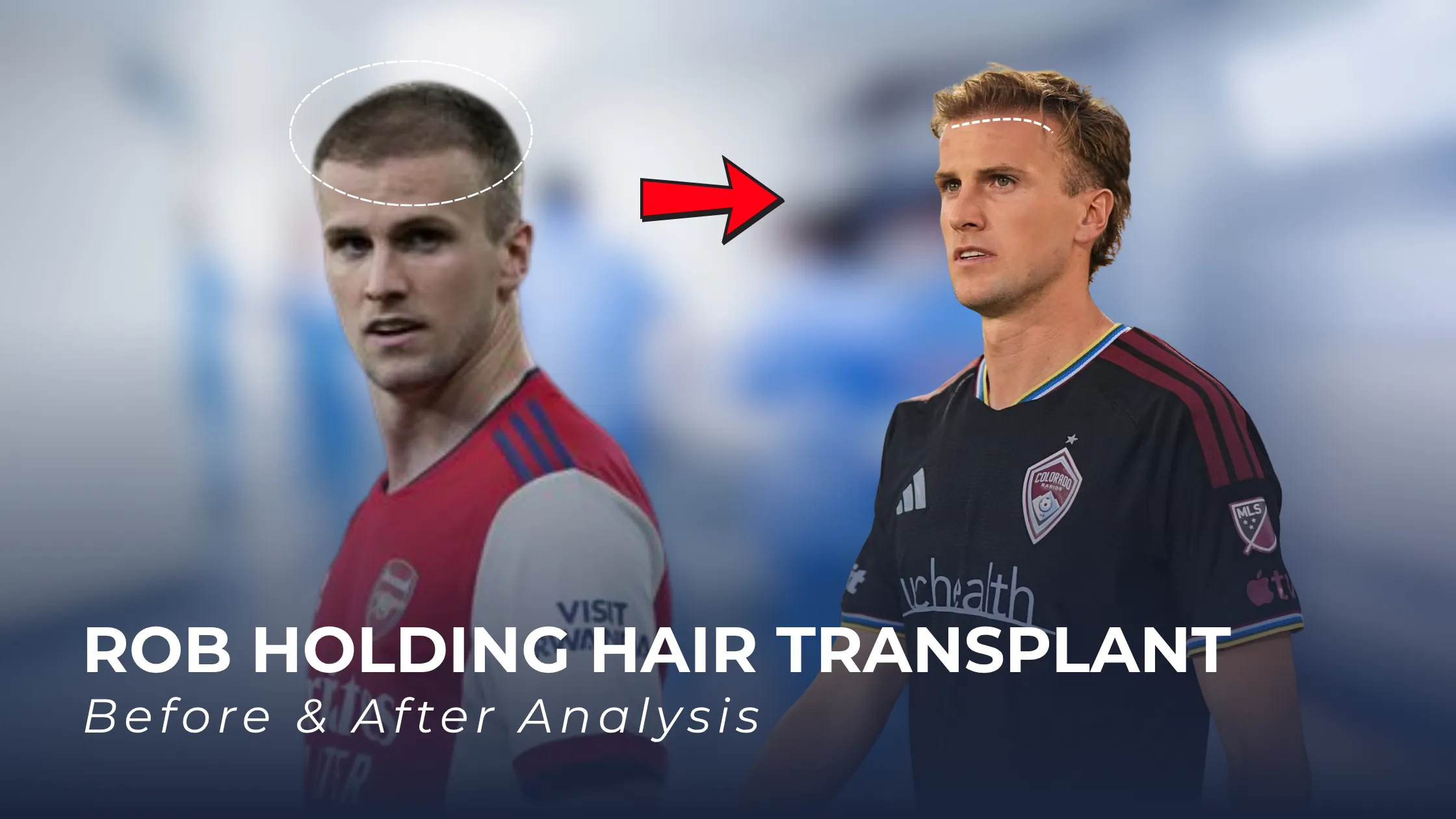
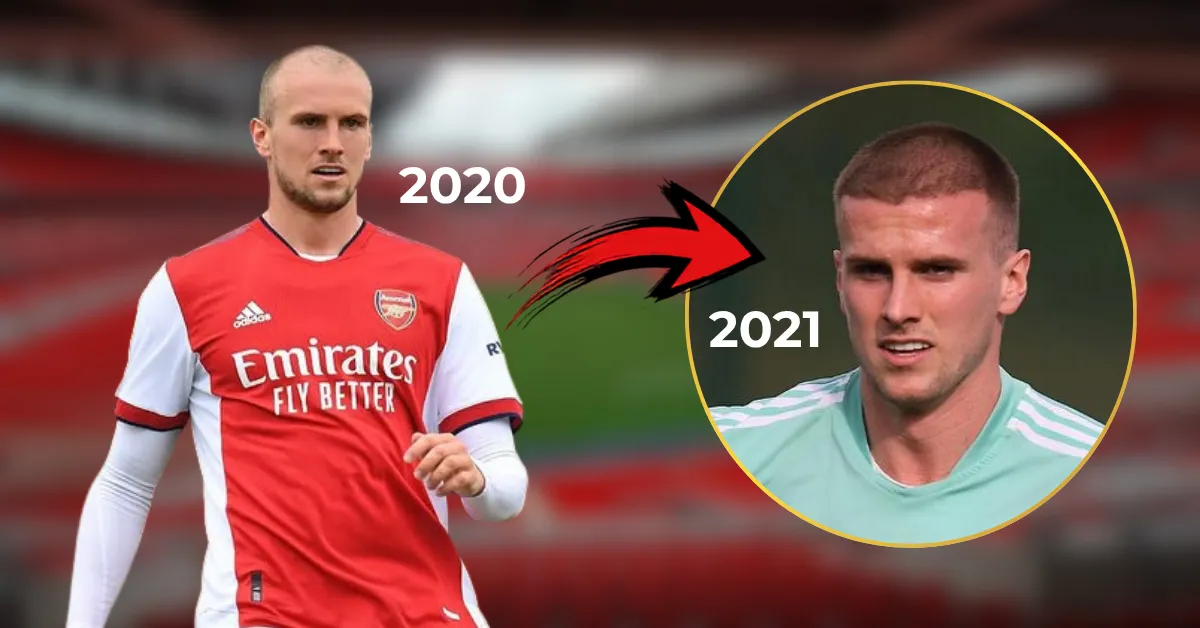
Rob Holding Hair Transplant Before and After Transformation
Clinical evaluations of aesthetic transformations require analyzing more than just graft density; the artistry of follicle placement plays a critical role in achieving a seamless result.
Before the Surgery
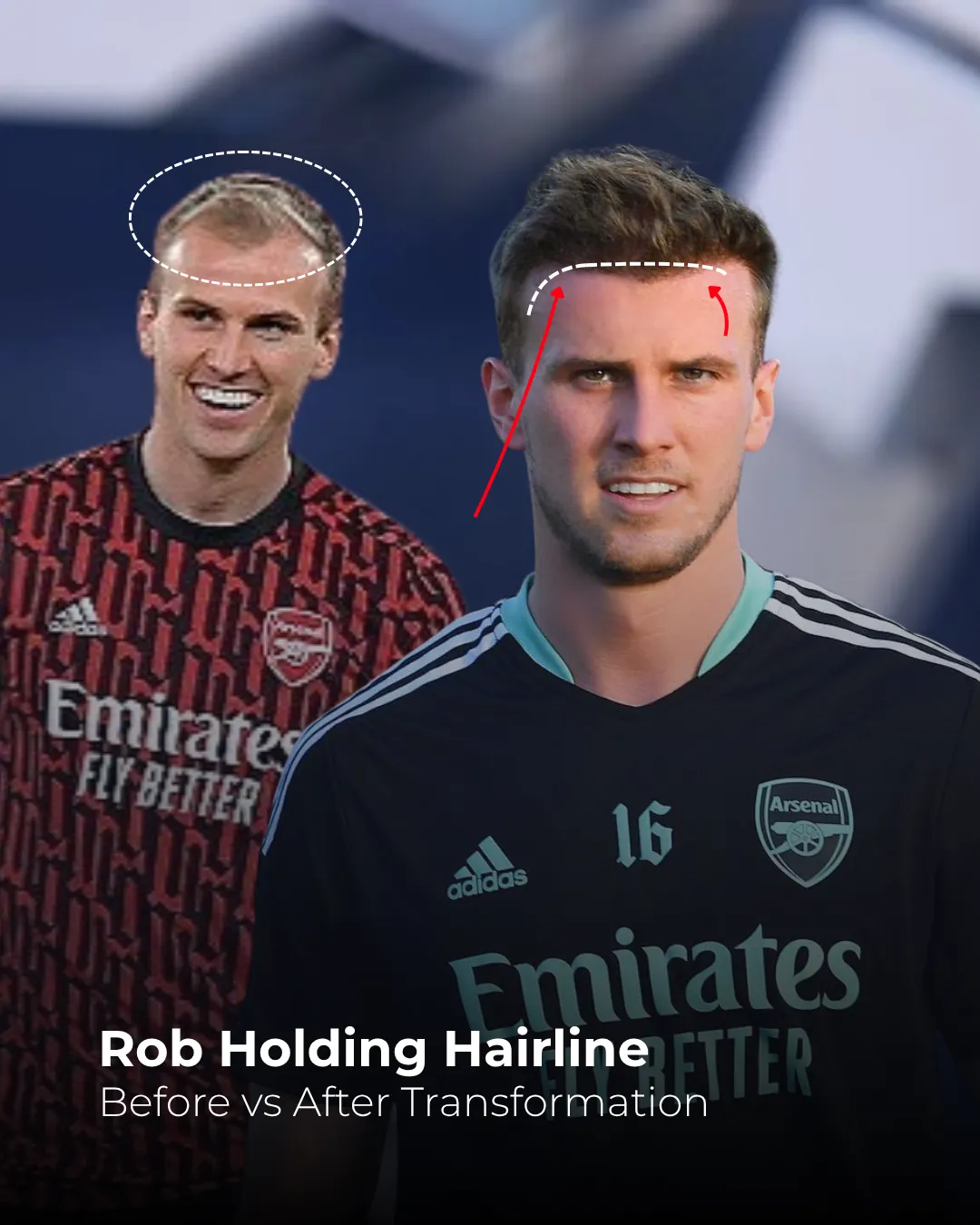
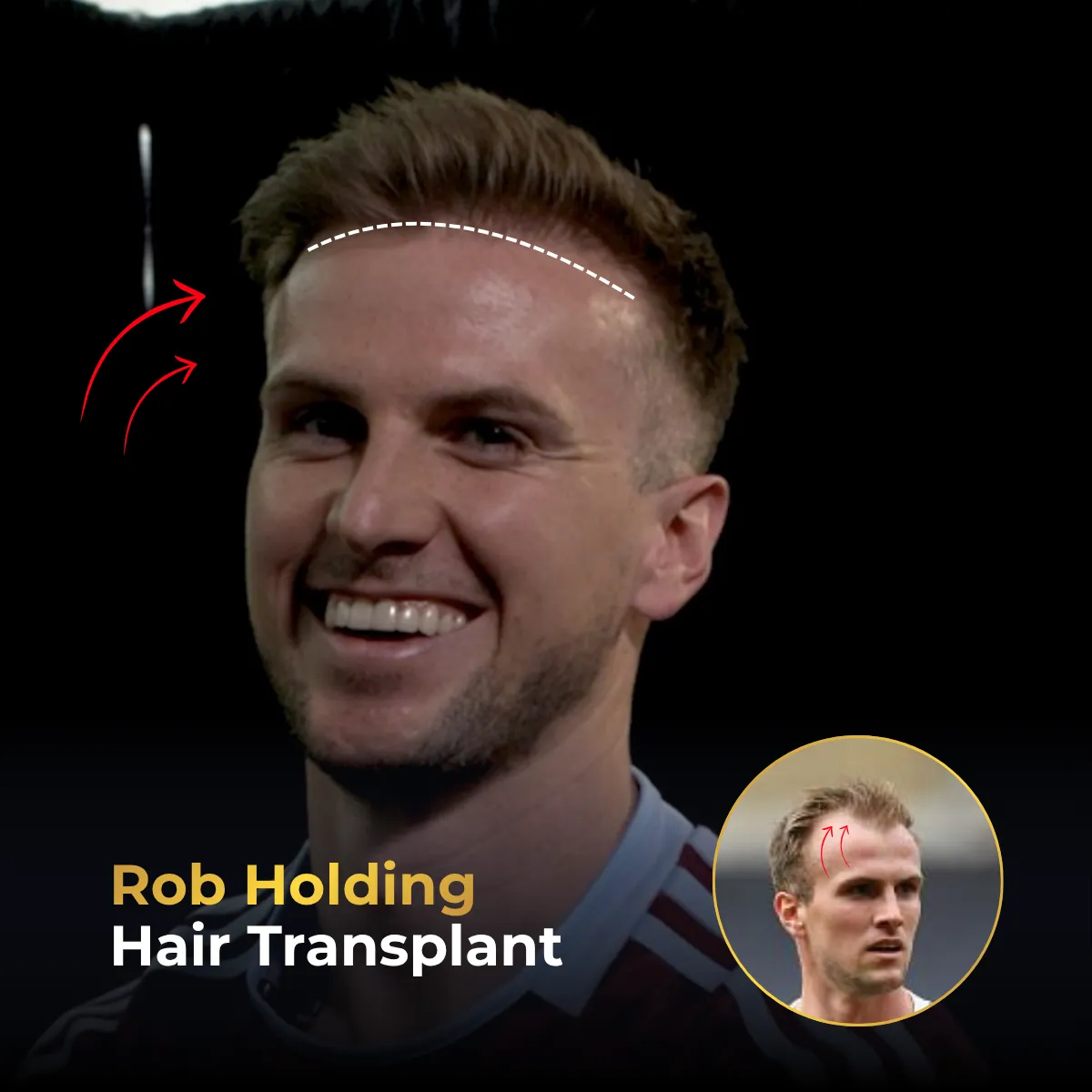
Prior to the intervention, his frontal third exhibited deep temporal hollows. The miniaturized hairs along his frontal border offered minimal scalp coverage, often requiring specific styling techniques to temporarily conceal the receding corners.
After the Recovery
Following the standard physiological healing phase, the transplanted area demonstrated a significantly improved frontal boundary. The temporal hollows were properly filled, establishing a structured aesthetic frame. Based on publicly available images, the transplanted hair blends naturally with his existing native hair in both texture and exit angle.
What Makes the Result Look Natural?
A natural appearance relies heavily on micro-irregularity. Rather than implanting grafts in a linear formation, the surgeon feathered single-hair follicles along the very front edge. Subsequently, thicker follicular units containing two or three hairs were placed further back to build solid structural volume.
Rob Holding Hair Transplant Technique: FUE Explained
Selecting an appropriate extraction method is vital for professional athletes who require minimal post-operative downtime and discreet, virtually undetectable scarring.
FUE Method Explained
Publicly available information indicates that he underwent a Follicular Unit Extraction (FUE) procedure. In this surgical method, individual follicular units containing 1 to 4 hairs are harvested one by one from the back of the head using microscopic punches. The medical team then meticulously implants these grafts into microscopic recipient incisions at the front of the scalp.
Why FUE Was Suitable for His Hairline
For an active athlete, older strip surgery (FUT) is rarely recommended because it leaves a prominent linear scar across the back of the scalp. The FUE technique typically leaves microscopic circular scars that are far less visible, allowing athletes to maintain shorter haircuts without revealing surgical marks.
Dr Sciacca and Wimpole Clinic
Public medical reports tie the operation directly to Dr. Luciano Sciacca at the Wimpole Clinic. Dr. Sciacca is recognized for utilizing single-hair grafts at acute angles along the frontal rim, which accurately mimics the physiological growth patterns of natural hair.
Rob Holding Hair Transplant Cost and 2,600 Graft Breakdown
Precise graft estimation ensures adequate frontal density without unnecessarily depleting or over-harvesting the occipital donor zone.
No confirmed cost has been published for Rob Holding, so we do not put a figure on it.
For a comparable plan through Turkey Hair Center, all-inclusive packages range from $2,550 to $4,500. We do not charge per graft: the technique (Sapphire FUE, DHI or Afro-textured FUE) and the graft plan set by the medical team decide where you fall in that range. Each package includes the procedure, hotel stay, VIP airport transfers, medication with an aftercare kit, and a dedicated patient coordinator.
Clinic prices in the UK and USA vary too widely for a single average to be meaningful, so we do not quote one. When you compare, ask every clinic for a written quote that states the graft count and what is included. See the full package breakdown.
Rob Holding’s 2,600 Graft Allocation
Public clinic information describes a highly strategic session utilizing approximately 2,600 grafts. Instead of scattering those follicles thinly across the entire scalp, the surgical team focused strictly on the anterior region. They meticulously rebuilt the frontal edge and densely packed the deep temporal corners.
Is 2,600 Grafts Enough for a Full Hairline?
A graft count in this range is clinically standard for restoring moderate frontal recession (Norwood Stage 3), depending heavily on the patient's native donor density and hair caliber. It provides the surgeon exactly the volume needed to pack 40 to 50 grafts into every square centimeter, helping maintain a fuller appearance under demanding lighting conditions.
What a Similar 2,600-Graft Plan Costs in Turkey
Hair restoration is a major medical investment, with total expenses varying significantly based on geographic location and clinical expertise.
Was Rob Holding’s Surgery Successful?
Rob Holding's Hair Transplant Transformation!
Determining clinical success requires monitoring long-term graft survival rates and overall aesthetic integration into the patient's daily life. This case has attracted attention as an example of modern hair restoration in a high-visibility professional athlete.
Natural Hairline Design
A primary clinical advantage of this result is the conservative hairline placement. The newly established border sits comfortably above his upper forehead muscles, helping avoid an artificially low or overly dense appearance
Density and Long-Term Results
His public appearances after recovery suggest that the transplanted area achieved visible density and natural integration. The transplanted follicles are generally considered permanent once successfully established.
Does He Now Have a Full Head of Hair?
While the frontal zone displays high density, trichologists emphasize that a Rob Holding hair transplant is effectively a surgical redistribution of existing follicles, not the creation of new hair. He maintains a full visual appearance because his healthy donor supply was efficiently relocated to restore coverage in areas affected by visible hair loss.
Finasteride and Maintenance
Surgical intervention corrects historical hair loss, but it does not halt the underlying genetic progression of androgenetic alopecia. Post-operative medical maintenance is critical.
Why Maintenance Matters After Surgery
Follicles harvested from the donor area are generally highly resistant to DHT-related miniaturization and are expected to provide long-term growth following successful transplantation. However, the original native hair located directly behind the transplanted zone remains actively susceptible to genetic shedding. Without a preventative routine, that native hair will continue to recede.
Finasteride, Minoxidil and PRP
Many physicians consider pharmacological therapies such as finasteride or minoxidil when clinically appropriate. Finasteride acts by blocking the systemic conversion of testosterone to DHT, while minoxidil is thought to support hair growth through multiple mechanisms affecting follicular activity. Furthermore, Platelet-Rich Plasma (PRP) treatments are frequently utilized to stimulate scalp tissue regeneration.
What Is Publicly Known About His Routine?
Holding has not publicly disclosed a specific pharmacological regimen. Nevertheless, within standard clinical practice, a young male undergoing an FUE session is routinely advised to maintain medical therapy to protect the remaining native hair envelope.
Frequently Asked Questions
Ready To Book Your Appointment?
Reach out to us or complete our simple online form and we’ll contact you to schedule a time that works perfectly for you.
Did he actually get surgery?
Yes. Rob Holding publicly confirmed undergoing a hair transplant and openly discussed its positive impact on his personal confidence and mental health.
Who performed the operation?
The surgical restoration was managed by Dr. Luciano Sciacca at the Wimpole Clinic in London. The medical team utilized advanced FUE techniques to meticulously rebuild his frontal border.
How many grafts were extracted?
Publicly available clinic information reports that approximately 2,600 grafts were used. They were concentrated heavily on the temporal hollows and the frontal band to ensure maximum visual density.
How much did the Rob Holding hair transplant cost?
A surgical session of that size at a premium UK clinic typically ranges between £7,000 and £11,000. Through Turkey Hair Center, all-inclusive packages range from $2,550 to $4,500.
Is hair loss common among professional footballers?
Yes, hair loss affects people worldwide and footballers are no exception; several Premier League players have addressed it. Public image pressures in elite sport make restoration an increasingly common choice.
Can You Replicate This Result?
While high-profile success stories offer aesthetic inspiration, hair restoration protocols are never universally applicable. As in Holding’s case, every hair restoration plan requires an individual evaluation. At Turkey Hair Center, specialists assess donor capacity, hair loss pattern, and aesthetic goals before recommending suitable techniques like FUE hair transplant or DHI hair transplant .
Donor Area Suitability
The occipital donor region has a finite supply of harvestable units. If a patient presents with weak donor density or excessively fine hair caliber, attempting an aggressive hairline drop may significantly reduce available donor reserves, leaving inadequate reserves for potential future thinning.
Personalized Hairline Design
A qualified surgeon designs a shape tailored specifically to the patient's face anatomy and structure, age progression, and hair texture. Attempting to replicate a celebrity's hairline identically on a different anatomical structure frequently yields an unnatural aesthetic.
Realistic Expectations Before Surgery
Understanding the physiological recovery timeline is crucial for managing post-operative expectations and ensuring patient compliance.
Phase
Timeline
Clinical Expectation
Shock Loss
Weeks 2-8
Newly transplanted hairs may shed temporarily before entering a new growth cycle.
Resting
Months 2-3
Roots remain dormant beneath the skin; scalp appears thin.
Early Growth
Months 4-6
Fine new hair shafts break through the epidermal surface.
Final Density
Months 12-18
Full structural thickness and final cosmetic result achieved.
Final Verdict: What the Rob Holding Hair Transplant Teaches Patients The defender's surgical journey offers an excellent clinical example of how careful anatomical planning and natural hairline design influence the overall success of hair restoration. By selecting a targeted 2,600-graft FUE procedure, he achieved significant visual density while preserving future donor availability
Early clinical evaluation is often more effective than waiting for advanced stages of baldness. A personalized surgical plan, conservative aesthetic design, and a strict commitment to ongoing medical maintenance are essential for achieving long-term, sustainable aesthetic results.
About Turkey Hair Center Operating across multiple international locations, Turkey Hair Center specializes in advanced FUE, DHI, and personalized hair restoration planning. Our partner hospitals’ medical teams focus on age-appropriate, natural-looking hair restoration tailored to each patient's unique facial structure and donor capacity.
About the Author
Nazmi G. is a Senior Trichologist and Hair Restoration Consultant with experience in scalp analysis, graft planning, and hair restoration education.
Editorial Note
This content is for educational purposes and does not constitute a formal medical diagnosis. Medical treatments such as finasteride require a prescription and an individualized physician evaluation.
Editorial Policy & Trust
Our partner hospital’s clinical reviews strictly separate publicly verified medical facts from speculative aesthetic analysis. Case details regarding the FUE method and graft counts are based on verified public statements and clinical case studies provided directly by the treating medical clinic.
Sources and medical review
The clinical statements on this page draw on the following published literature and professional body guidance:
Written by Nazmi Güldeş— Certified Trichologist·Last reviewed:
This page is informational and does not replace an in-person medical assessment.
Medical disclaimer: This article is for informational purposes only and is not medical advice. Individual results vary from person to person. Always consult a qualified doctor before any hair transplant procedure.
Send three photos: front, top and sides. You get a technique recommendation, a graft range and a straight answer about what is achievable, before anyone talks about price.
Your details are with the team
A patient coordinator will get back to you shortly. If you would like to send your photos now, WhatsApp is the fastest way to do it.
We respond quickly, day or night, in your language.
Multilingual team, no obligation
Data protectedKVKK and GDPR compliant, 100% confidential
Authorized Health Tourism Intermediary
Turkey Hair Center is the hair-restoration brand of Healthy Way Tourism, an authorized international health-tourism intermediary. All medical procedures are performed by licensed medical professionals at authorized healthcare facilities in Turkiye, in accordance with the regulations of the Ministry of Health.