

Beard Transplant in Turkey
Beard transplant in Turkey offers affordable cost, natural-looking results, and fuller facial hair with advanced techniques.
Homapage
Tratments
Beard Hair Transplant
Beard Transplant in Turkey – Cost, Before and After
A Path to Confidence and Renewal

Beard transplantation is beyond just transferring hair.
It is a comprehensive procedure. So, the surgeon must be expert in biology, technical precision and facial aesthetic. Turkey is one of the leading destinations for beard transplant providing all inclusive costs with travel and hotel.
If you want to have a natural beard design and density, clinics in Turkey will be best for you! In this blog, beard transplant techniques, cost and before&after results will be explained.
Beard Transplant Before and After Results
Beard transplantation achieves the natural results after the first 6 or 9 months. After the shock loss within several weeks, new beard follicles define the face shape and provide a more masculine appearance.
Who Is a Good Candidate for a Beard Transplant
A good candidate for a beard transplant is generally any man who experiences patchy growth, thinning, or a total lack of facial hair due to genetics, scarring, or hormonal imbalances. To ensure a successful and natural-looking outcome, candidates should meet the following criteria:
- Overall Health: Candidates should be in good physical condition to ensure proper healing after the FUE or DHI procedure.
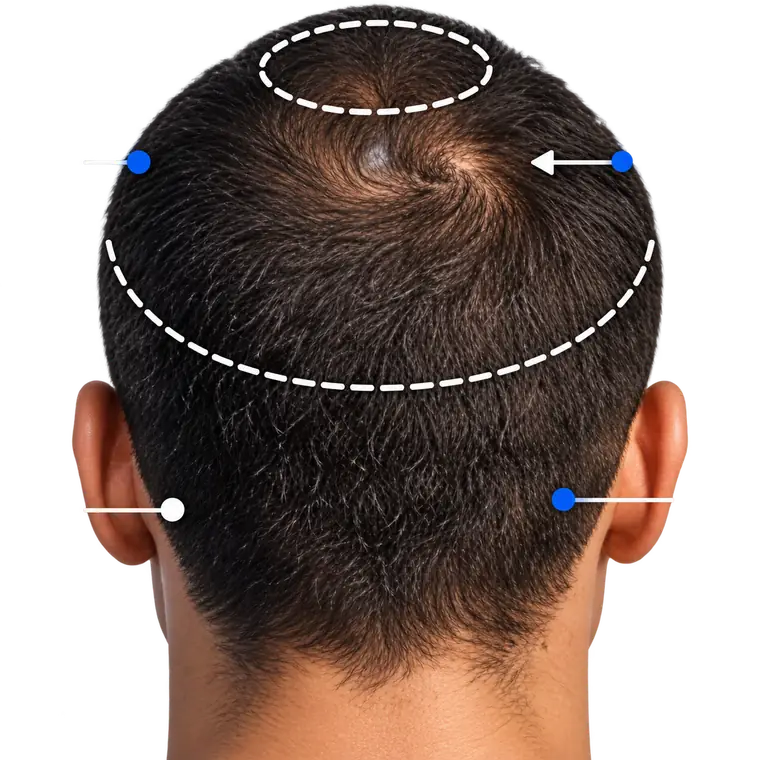
- Adequate Donor Hair: Sufficient hair follicles must be available, typically harvested from the back or sides of the scalp.
- Healthy Skin: The recipient area should be free of active infections or severe inflammatory skin conditions.
- Realistic Expectations: Understanding that full density takes 12 months to achieve is crucial for patient satisfaction.
Specialized Technique & Expertise
What is Beard Transplant?
One of the most important plastic surgery procedures, beard transplant involves the transplantation of hair follicles from a donor area to the facial beard region, addressing issues like patchy or sparse beard growth and providing individuals with a fuller and more aesthetically pleasing facial hair appearance.
- Enhanced Aesthetic Appearance
- Filling Sparse Areas
- Boost in Personal Confidence
- Unique Personal Style
- Natural-Looking Results
- Permanent Solution
- Easy Maintenance
It is important to remember that it is very important to find the appropriate beard transplant option for you. You can entrust yourself to our experts at Turkey Hair Center.
Beard Transplant in Turkey Package Prices
Happy Afro Patient Testimonial Videos
See real Afro hair transplant results at Turkey Hair Center.
Our patient testimonials demonstrate natural hairlines, high graft sessions, and expert techniques developed specifically for Afro-textured hair.
Ready To
Book Your Appointment?
Reach out to us or complete our simple online form
and we’ll contact you to schedule a time that works perfectly for you.
Why Choose Turkey Hair Center: 5 Compelling Reasons
Learn what makes Turkey Hair Center a trusted choice for patients worldwide. Our commitment to medical excellence,
safety, and refined results defines every treatment we provide.
International Standards of Hair Transplantation
Beard Transplant FAQ

Cost of Beard Transplant in Turkey
The cost of a beard transplant in Turkey is approximately between 1.500$ and 4.500$ in 2026.
| Region / Country | Average Starting Price (USD) |
| USA | 6,000 – 7,000 |
| Europe (UK, Germany, France, etc.) | 6,500 – 7,000+ |
| Turkey | 1,500 – 2,000 |
However, the prices can change based on techniques (FUE or DHI), the number of grafts and packages including things like travel and accommodations.

Cost Beard Transplant in Turkey by number of Grafts
Grafts for beard transplantation can be listed according to the patient’s density need.
- Light / Patchy Beard: 1,800 – 2,200 grafts
- Medium Density Full Beard: 2,200 – 2,800 grafts
- High Density / Thick Beard: 2,800 – 3,500 grafts

Average Beard Transplant cost comparison with Turkey to other countries
Turkey offers advantages in all-inclusive packages for beard transplants compared to other countries. Yet, it is a highly competitive area and prices can change based on the procedure requirements.
You can check the list below for average costs.
Beard Transplant Cost Comparison (Average Starting Prices)
| Region / Country | Average Starting Price (USD) | Typical Price Range (USD) |

| USA | 6,000 – 7,000 | 5,000 – 15,000 |
| Europe (UK, Germany, France, etc.) | 6,500 – 7,000+ | 6,500 – 16,000 |
| Turkey | 1,500 – 2,000 | 1,500 – 7,500 |
Techniques Used for Beard Transplant in Turkey
Techniques FUE and DHI are typically preferred for beard transplantation. In both techniques, hair follicles are extracted from the scalp and implanted into the beard follicles one by one.
However, although DHI is able to be used in some special procedures, FUE is the commonly preferred technique for beard transplants.
FUE Method For Beard Transplant
Among modern transplantation techniques, FUE is considered the most suitable one to achieve a strong, natural-looking beard.
Here is why FUE is commonly preferred:
Step 1: Donor Area Planning
Primarily the nape of the neck and suitable donor area are carefully evaluated and then the beard is designed.
Step 2: Extracting Graft One By One
The healthy hair follicles are extracted from the donor area by using FUE technique one by one.
Step 3: Preparation of the Grafts
Extracted grafts are separated under the microscope and prepare for beard transplantation.
Step 4: Channel Opening and Angle Planning
Microchannels are opened in the beard area according to facial anatomy and natural beard growth angles.
Step 5: Graft Placement in the Beard Area
The prepared grafts are implanted into the beard based on the planned density and angles.
10 Important Truth About Beard Transplantation
- Permanent Results: Transplanted hair follicles are harvested from DHT-resistant donor areas, ensuring lifelong beard growth.
- Natural Direction: Success depends on the surgeon’s ability to implant grafts at the correct angle to match natural facial hair.
- Shock Loss Phase: It is perfectly normal for the newly implanted hairs to fall out within the first month before permanent growth begins.
- Donor Source: The back of the scalp is the primary donor site, so a healthy supply of head hair is usually required.
- No Scarring: Modern techniques like FUE and DHI allow for graft extraction and implantation without leaving visible linear scars.
- Local Anesthesia: The procedure is virtually painless as it is performed under local anesthesia, often with sedation options for comfort.
- Growth Timeline: Patients must be patient, as the final density and texture typically take 12 full months to materialize.
- Shaving Schedule: You can usually perform your first light trim after 10 to 14 days, following the clinic’s specific post-op instructions.
- Custom Design: The beard line is custom-tailored to fit the patient's facial structure and aesthetic preferences for a balanced look.
- High Success Rate: When performed by experienced specialists in sterile conditions, beard transplants boast a success rate of over 95%.
Preference for Single Grafts in Beard Transplantation
In beard transplantation, single grafts are preferred because natural beard hairs are mostly single-rooted, and control over natural angle, direction, and density in the facial area can only be achieved with single grafts.
Reasons Why Not All Clinics Can Perform Single Grafts Procedure
Transforming multiple grafts into a single graft:
- It is time-consuming.
- It requires high expertise.
- It creates additional personnel and equipment costs.
Therefore, some centers prefer to implant multiple grafts as they are or force them into the implanter pen. This approach is technically flawed in terms of beard transplantation and leads to artificial results.
Implant Pen for Beard Transplantation Is Not Always an Advantage
The implant pen may not be ideal for every case in beard transplantation, and angle control can be difficult in some situations. While the implant pen alone offers the right to be an independent method, it is not always suitable for beard transplantation.
The risk of root trauma and directional errors may increase, especially in cases with curly, thick grafts or multiple grafts.
Many clinics and techniques offer universal solutions to this problem.
Beard Density is Determined by Visual Perception, Not Graft Count

The goal of beard transplantation is not to implant as many grafts as possible, but to create the illusion of natural density. A natural beard is not homogeneous and excessively dense.
The same number of grafts can yield completely different results on different face types, but this aesthetic reality is not mentioned in most pages.
Touch-up Needs Don't Mean Failure
The need for touch-ups after a beard transplant doesn't mean the procedure is unsuccessful; it's a natural part of aesthetic planning.
In some cases, beard transplants are intentionally planned with lower density, and aesthetic balance is achieved over time.
Touch-up sessions can be part of a controlled and planned approach and don't mean failure.
However, most clinics don't openly explain this to patients. Therefore, you should have a consultation before choosing a clinic, speak with the surgical team, and thoroughly learn every detail before the procedure.
5 Facts Clinics Don't Write About But Patients Need to Know
Beard transplantation can lead to permanent aesthetic problems if the right patient selection and proper technical planning are not done.
Beard transplantation is a highly precise procedure and is not suitable for every patient. Without honest information, proper planning, and realistic expectations, the results can be disappointing. These facts are often ignored due to marketing concerns.
Beard transplantation is not suitable for everyone.
Every face, every skin type, and every donor area is different.
Promises of excessive density that push scientific boundaries can lead to long-term aesthetic problems. Therefore, beard transplantation should be planned individually and based on scientific principles, and may not be suitable for everyone.
Beard Transplantation May Change Facial Expression

Planning the beard line and density directly affects facial expression, potentially making a person look harsher or older.
Beard transplantation is not just hair transfer; it's a procedure that impacts facial aesthetics. Incorrect density or faulty beard line planning can make facial expressions appear harsher. Therefore, beard transplantation should be planned taking facial anatomy into account.
Grafts Taken from a Donor Area May Not Behave Like Beard Grafts
Hair taken from the donor area may not exhibit the exact same characteristics as beard hair.
Even if donor hair adapts to the beard area, the growth rate, perceived stiffness, and thickness may change over time. This is normal, but most patients are not informed about this difference beforehand. Proper expectation management is crucial for patient satisfaction.
Incorrectly Performed Beard Transplantation Often Leads to Irreversible Results
Beard transplantation performed at the wrong angle or direction can lead to permanent aesthetic problems and is often irreversible.
Problems in direction, angle, or graft selection during beard transplantation can lead to consequences that are difficult to reverse. Incorrectly oriented beards appear harsh, artificial, and uneven. Correcting such errors is much more difficult than hair transplantation, and in some cases, laser hair removal may be the only solution.
Therefore, it is crucial that the team performing the beard transplant is experienced, that all planning is done professionally before the operation, and that the beard line meets the patient's expectations.
Beard Transplantation Does Not Guarantee 100% Success
The success rate of grafts in the beard area can be more variable compared to the scalp.The success rate of beard transplant grafts is affected by factors such as skin structure, circulation, facial expressions, and smoking.
Partial graft loss is considered normal in some areas. However, this is not mentioned in most information sheets, giving patients the impression of a definitive outcome.

The growth along Kyle Christie’s jawline and cheeks has become denser and more defined, showing that his beard is getting longer.
Well-planned graft placement is what gives the hair a more natural look and a more balanced shape. It also gives the hair more coverage.
James Harden Beard Transplant Before and After

James Harden’s unique beard has stayed thick and well-shaped even in all of his public appearances over the years.
For this steady fullness and defined shape, people often use words like beard repair planning, regular maintenance, and careful grooming.

Let’s disscuse make
something unique together