

Body Hair Transplant In Turkey:
Cost, Procedure & Before-After
Body hair transplant in Turkey offers an alternative donor solution with affordable cost, advanced procedure, and natural-looking before and after results.
Homepage

Tratments
Body Hair Transplant


Body Hair Transplant In Turkey
A Path to Confidence and Renewal
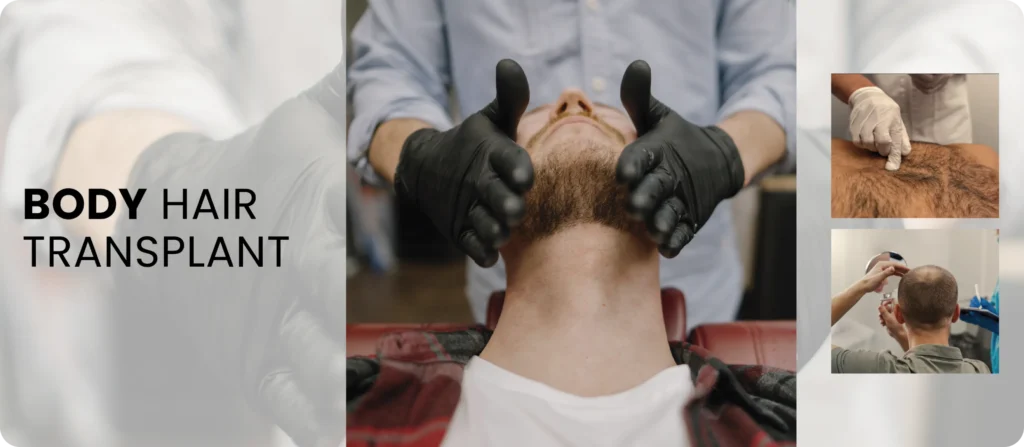
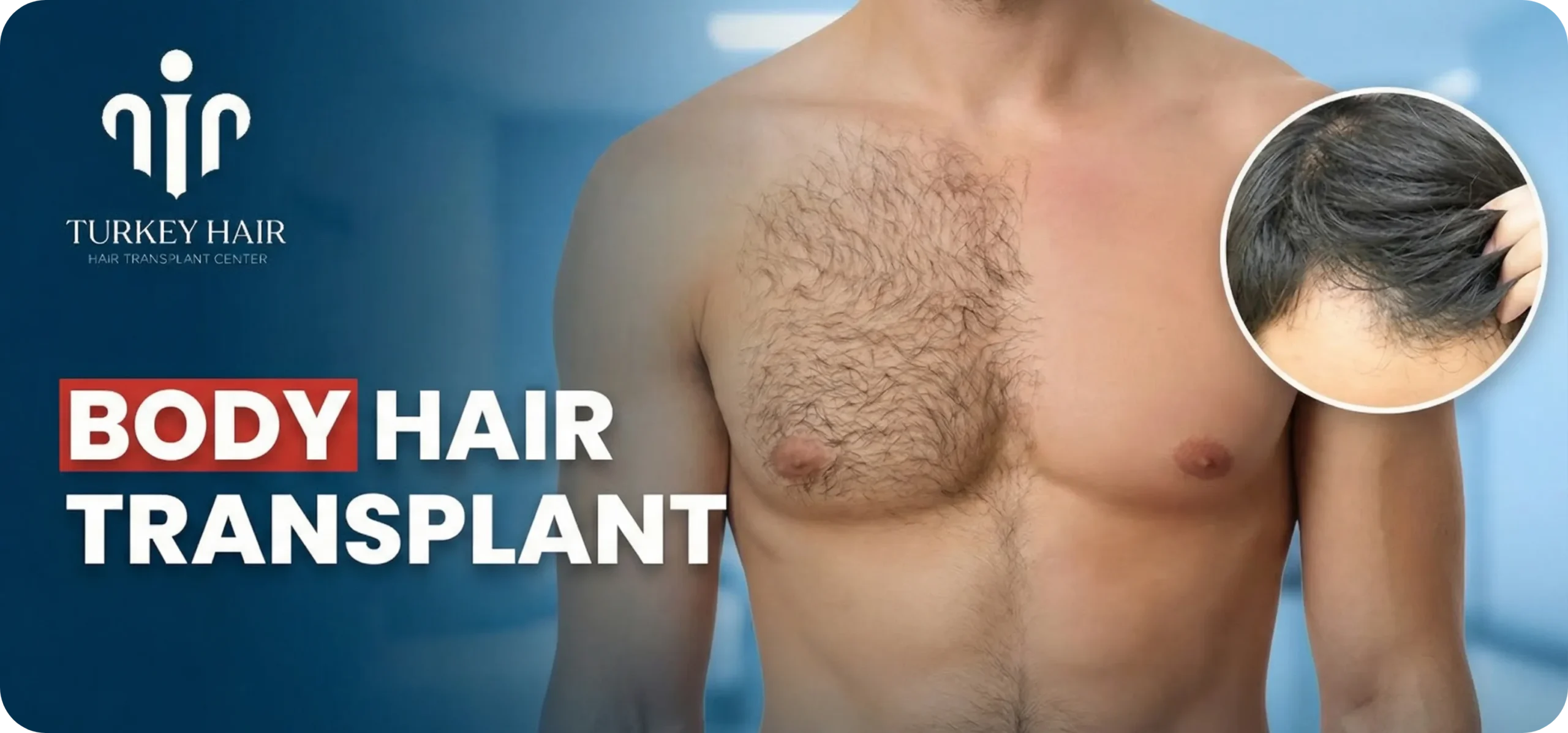
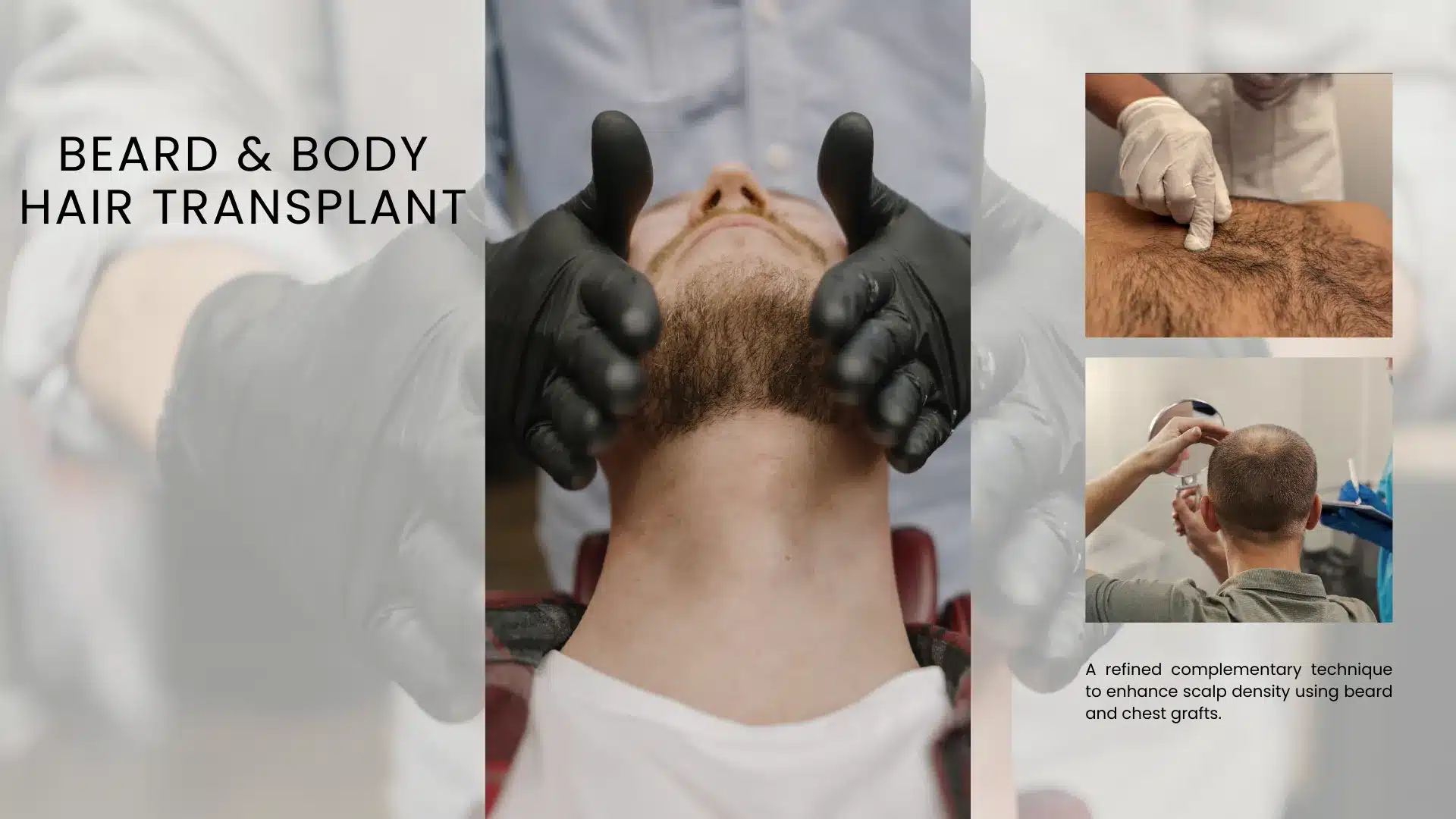
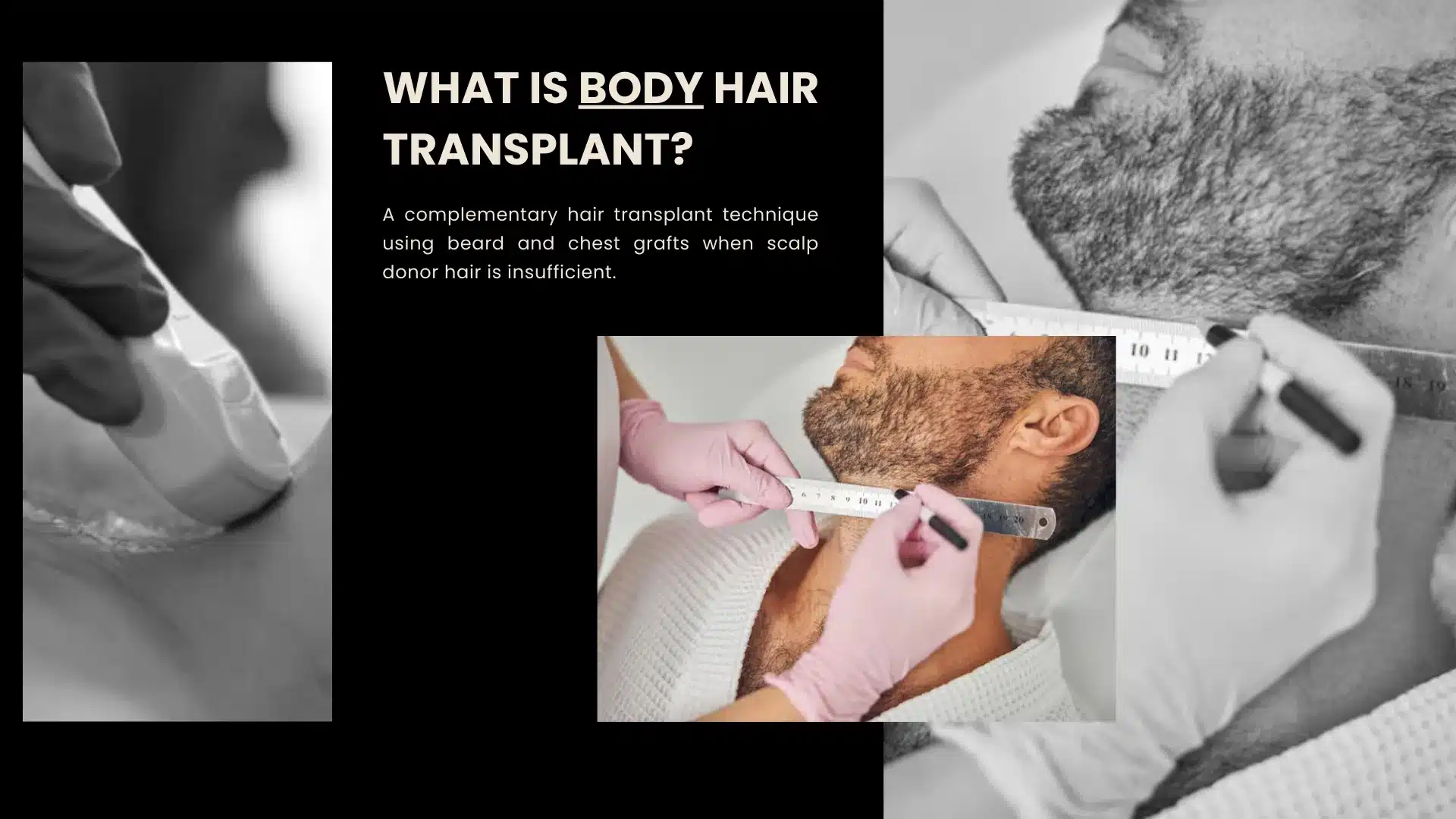
Body hair transplant in Turkey is the solution for patients with limited scalp donor hair.
It is used as a complementary technique to increase density and improve coverage.
If it is needed in some cases- typically Norwood scale 5,6,7- grafts can be taken from the beard area or chest. Therefore, the density and overall coverage will be boosted.
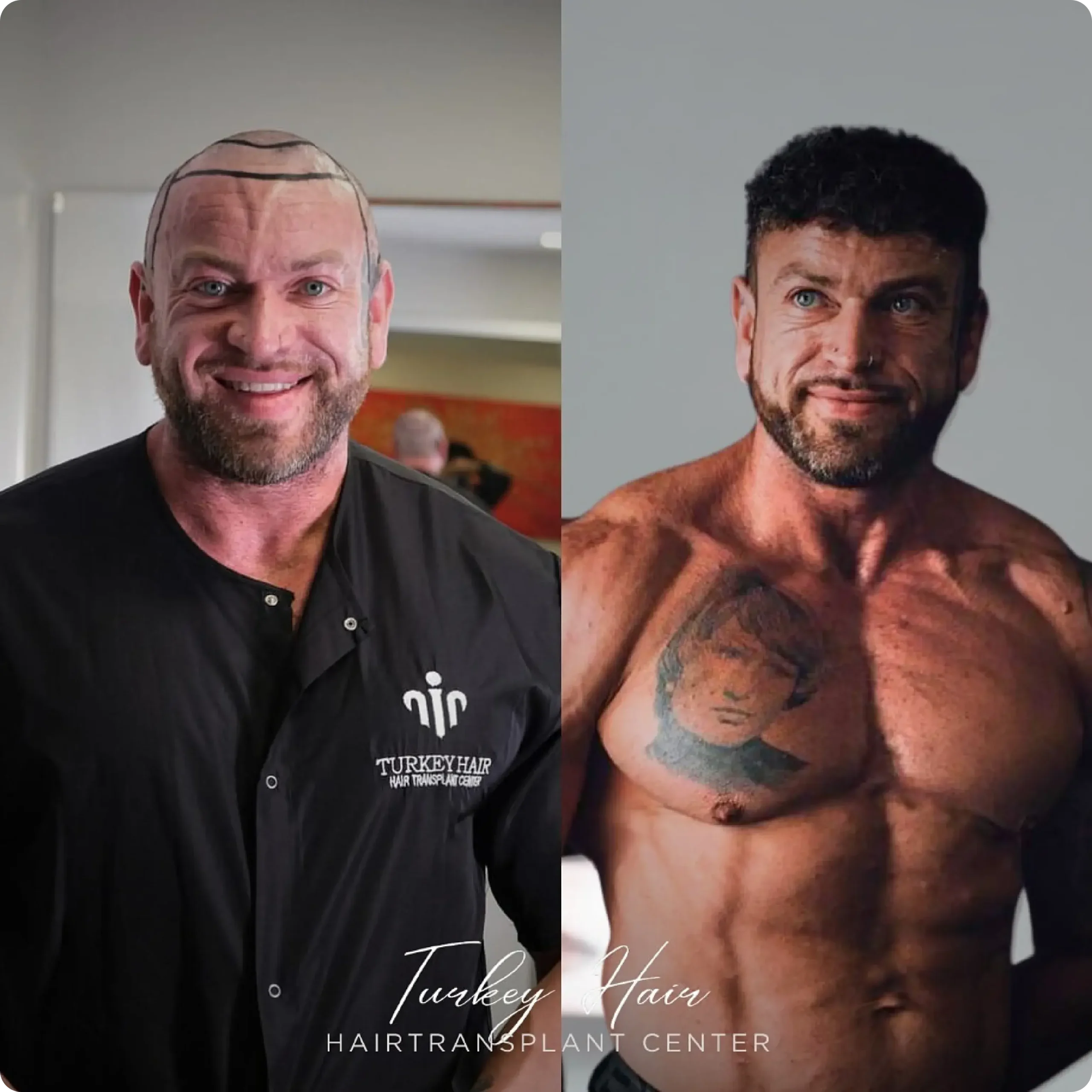
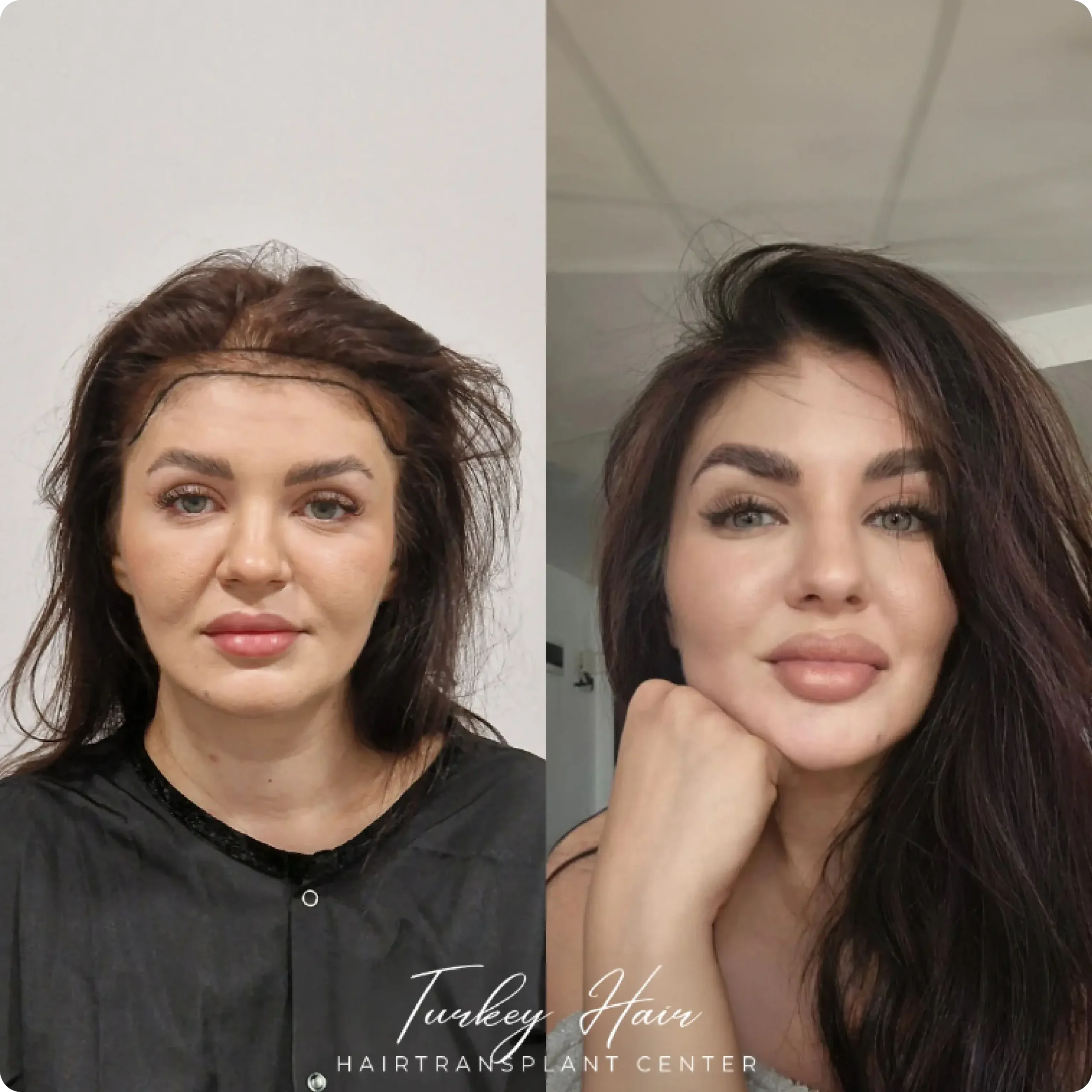
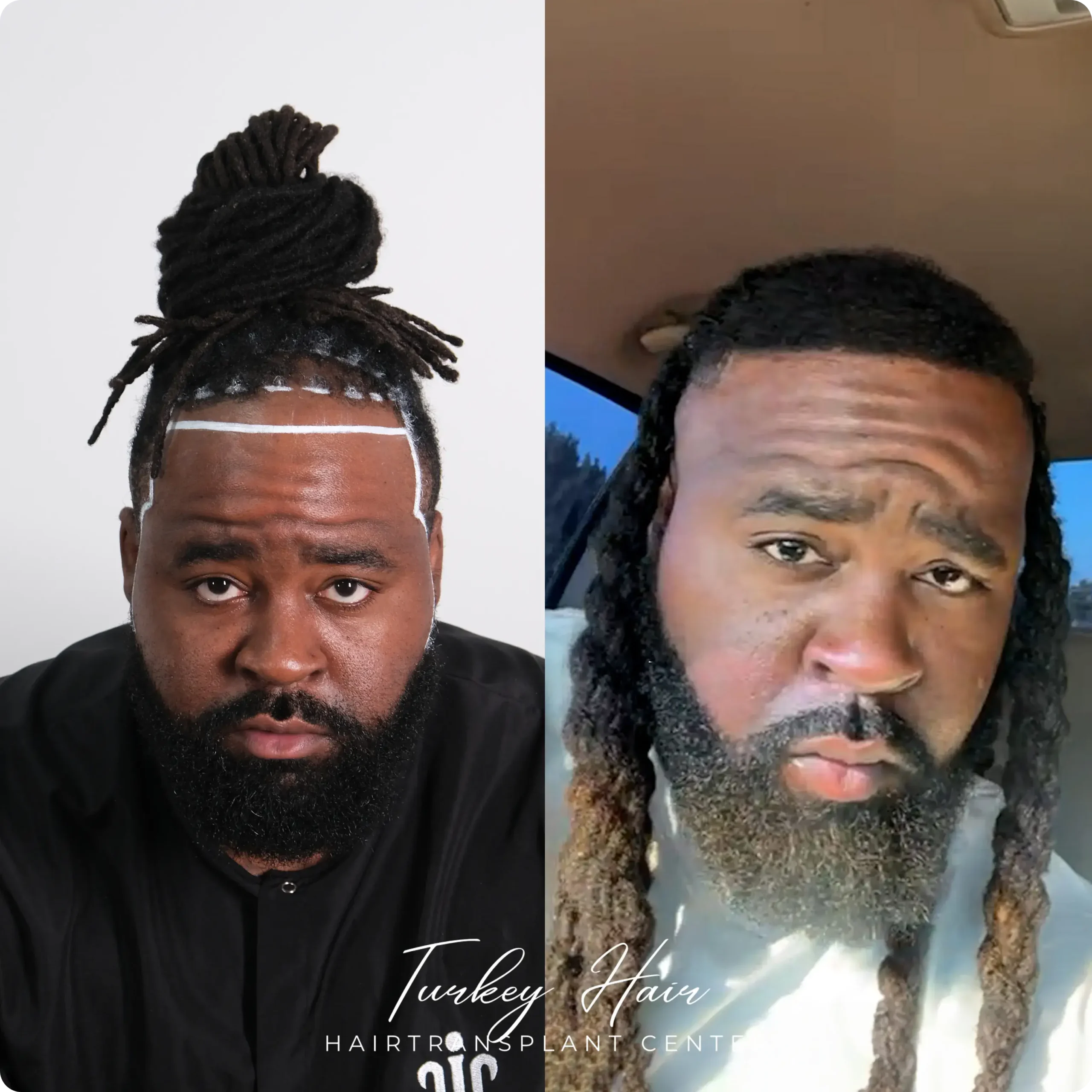
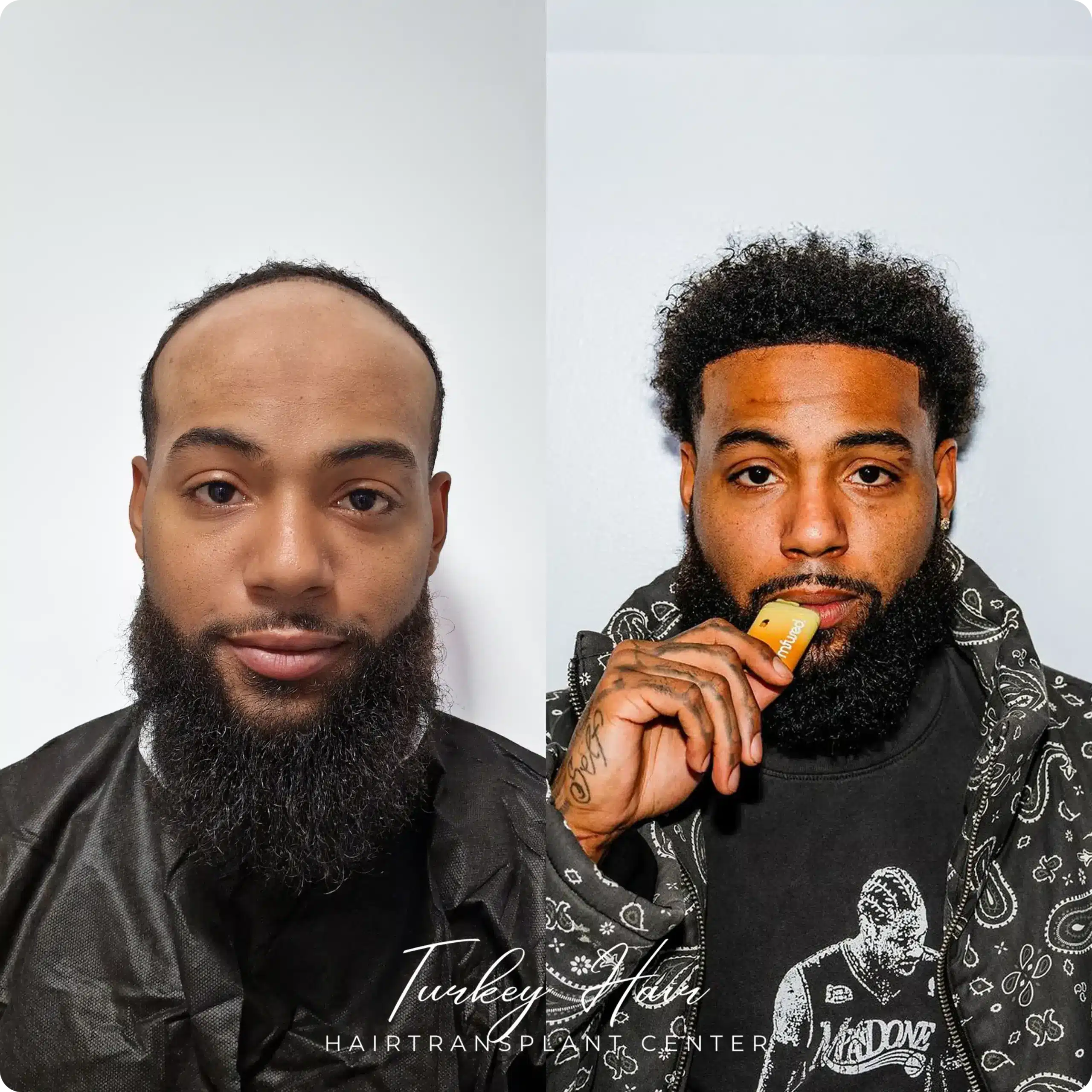
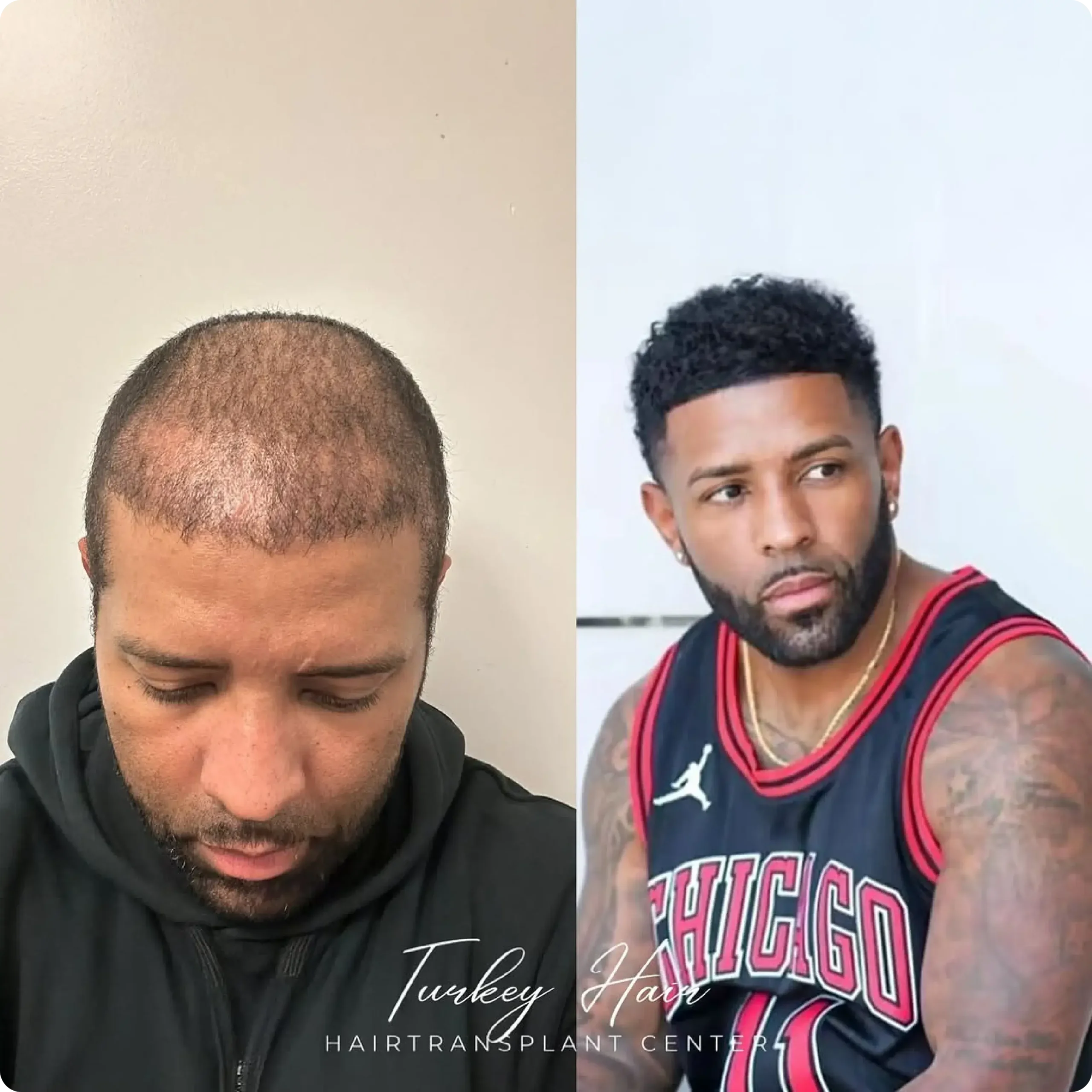
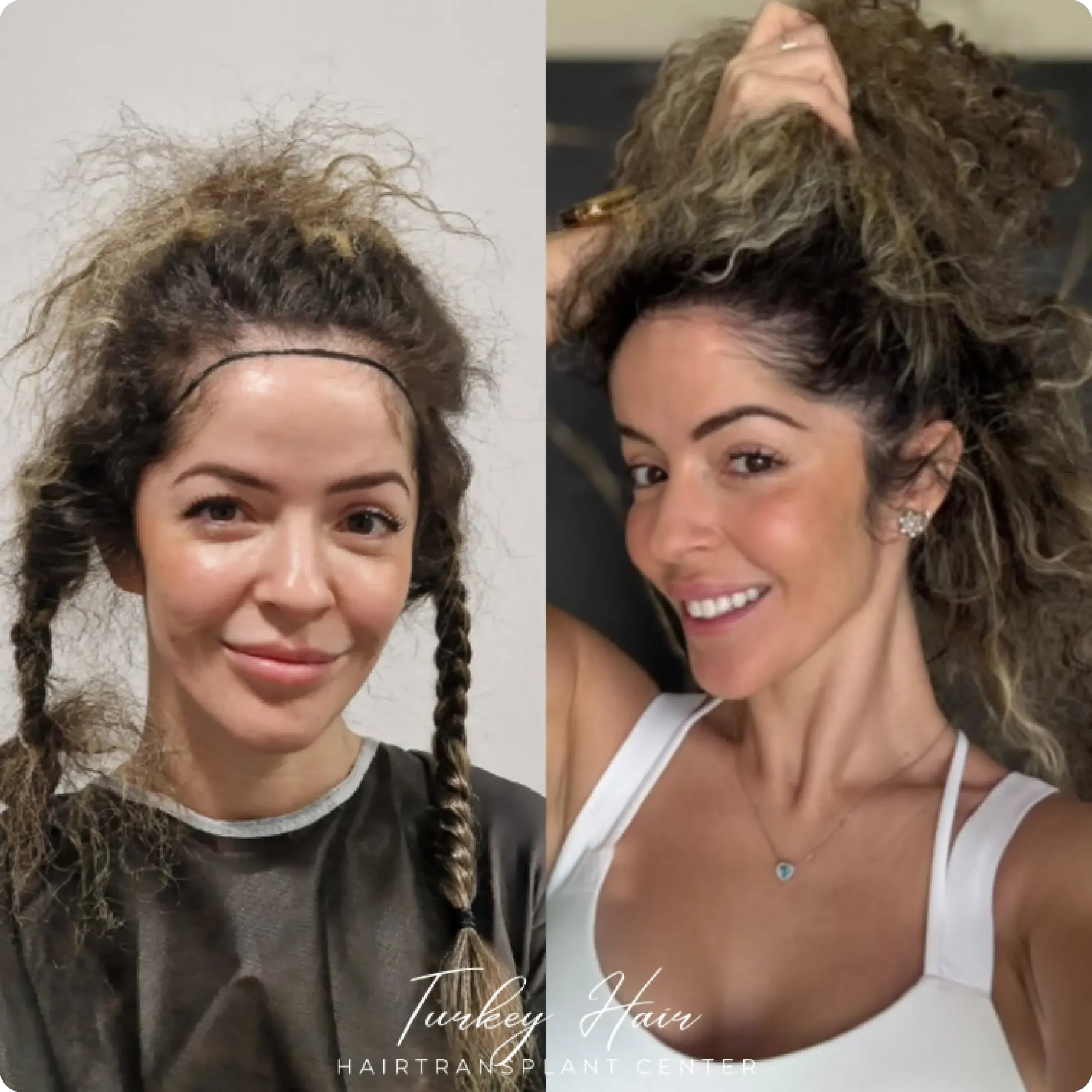
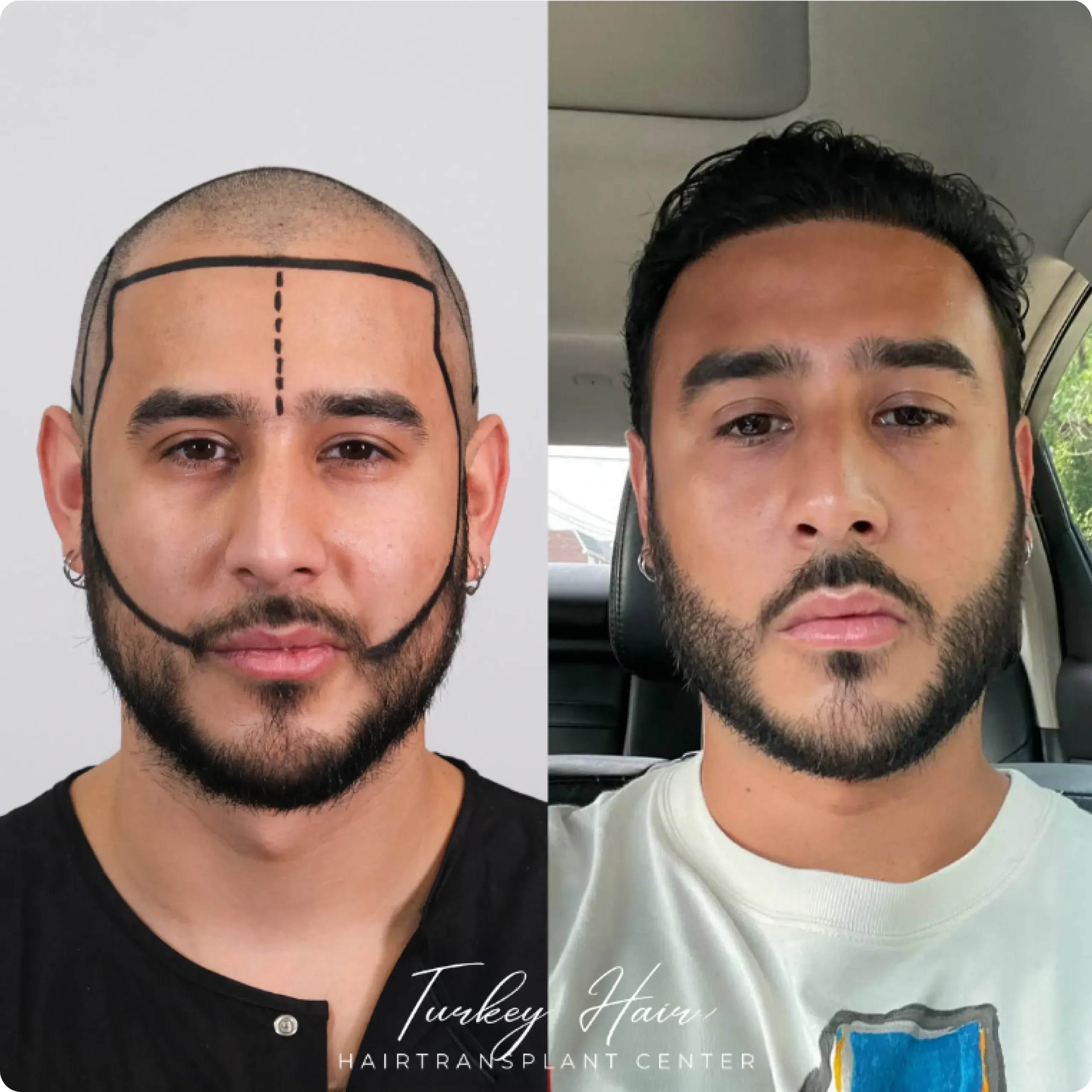
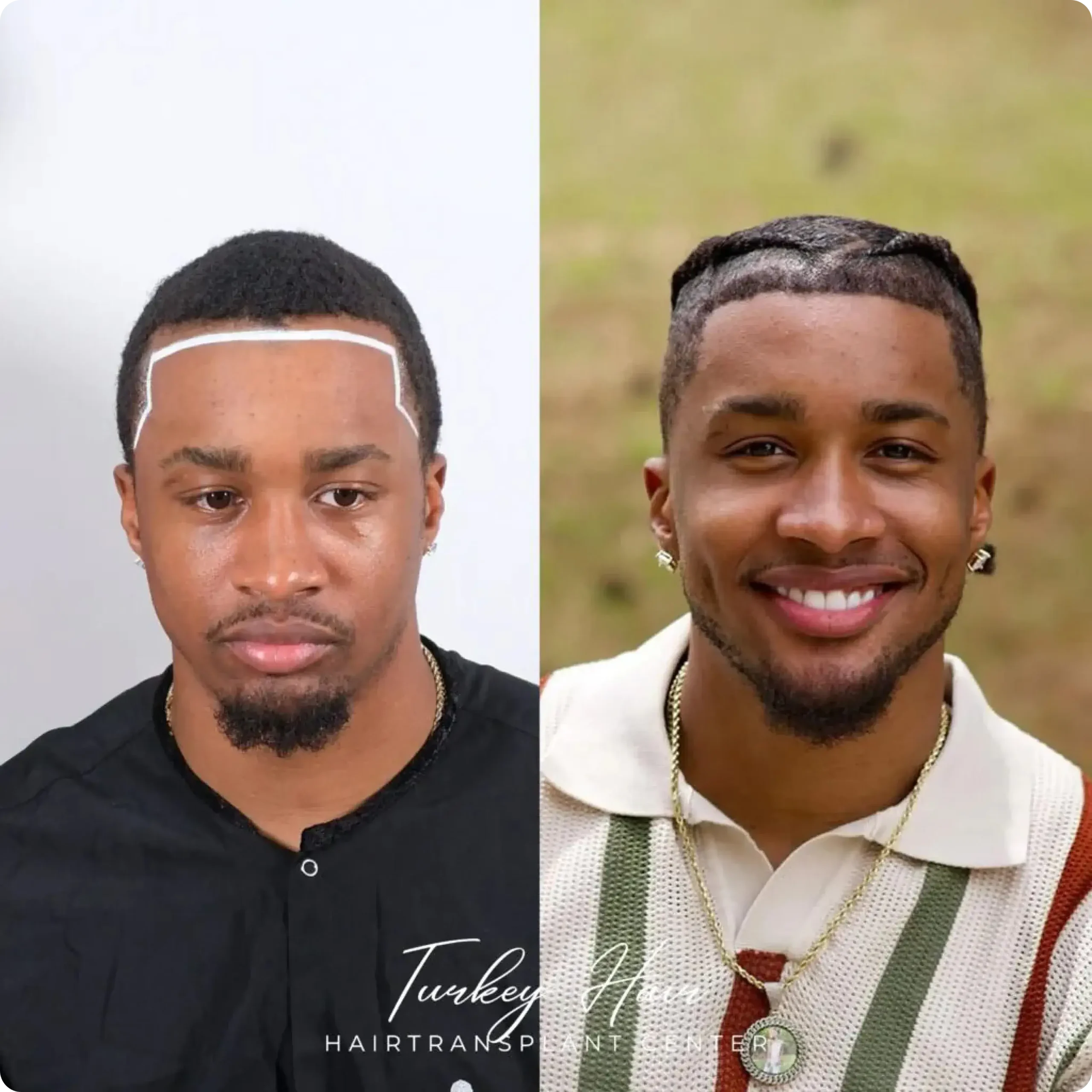
Body Hair Transplant Before and After Results
Turkey hair center provides natural density and perfect donor integration. Before and After results showcase the expertise in using advanced hair transplant techniques and ensuring life-changing outcomes.
Who Is a Good Candidate for Body Hair Transplant?
If you are struggling with some cases below, you are the right candidate for body hair transplant.

Specialized Technique & Expertise

Specialized Technique & Expertise

Specialized Technique & Expertise

Specialized Technique & Expertise
Advanced Hair Loss (Norwood Stage 5, 6, 7)
Body hair provides the extra volume needed for those with extensive baldness that scalp donor areas cannot cover alone.
Body Hair Transplant Package Prices
Happy Afro Patient Testimonial Videos
See real Afro hair transplant results at Turkey Hair Center.
Our patient testimonials demonstrate natural hairlines, high graft sessions, and expert techniques developed specifically for Afro-textured hair.
Ready To
Book Your Appointment?
Reach out to us or complete our simple online form
and we’ll contact you to schedule a time that works perfectly for you.



Why Choose Turkey Hair Center: 5 Compelling Reasons
Learn what makes Turkey Hair Center a trusted choice for patients worldwide. Our commitment to medical excellence,
safety, and refined results defines every treatment we provide.
International Standards of Hair Transplantation
Body Hair Transplant FAQ
Cost of Body Hair Transplant in Turkey
The cost of a body hair transplant in Turkey typically changes between $2,000 to $5,000 depending on the technique (FUE or DHI) and graft count.
Cost of Body Hair Transplant in USA vs Turkey
| Graft Count | USA Estimated Cost (USD) | Turkey Estimated Cost (USD) |
|---|---|---|
| 1,000 grafts | $5,000 – $12,000+ | $1,000 – $1,500 |
| 2,000 grafts | $8,000 – $18,000+ | $1,600 – $4,000 |
| 3,000 grafts | $10,000 – $20,000+ | $2,000 – $4,000 |
Cost of Body Hair Transplant in UK vs Turkey
| Graft Count (Approx) | UK Estimated Cost (GBP) | Turkey Estimated Cost (GBP) |
|---|---|---|
| 1,000 grafts | £3,000 – £6,000+ (UK clinics often charge per graft)* | £800 – £1,800 (all-inclusive packages common)* |
| 2,000 grafts | £4,000 – £10,000* | £1,600 – £2,500* |
| 3,000 grafts | £7,000 – £12,000+* | £2,000 – £3,200* |
Cost of Body Hair Transplant in EUROPE vs Turkey
| Region | 1,000 Grafts (EUR) | 2,000 Grafts (EUR) | 3,000 Grafts (EUR) |
|---|---|---|---|
| Europe | €4,000 – €12,000 | €5,000 – €15,000 | €6,000 – €15,000+ |
| Turkey | €900 – €1,500 | €1,500 – €3,500 | €2,000 – €4,500 |
How Body Hair Transplant Works – Step by Step
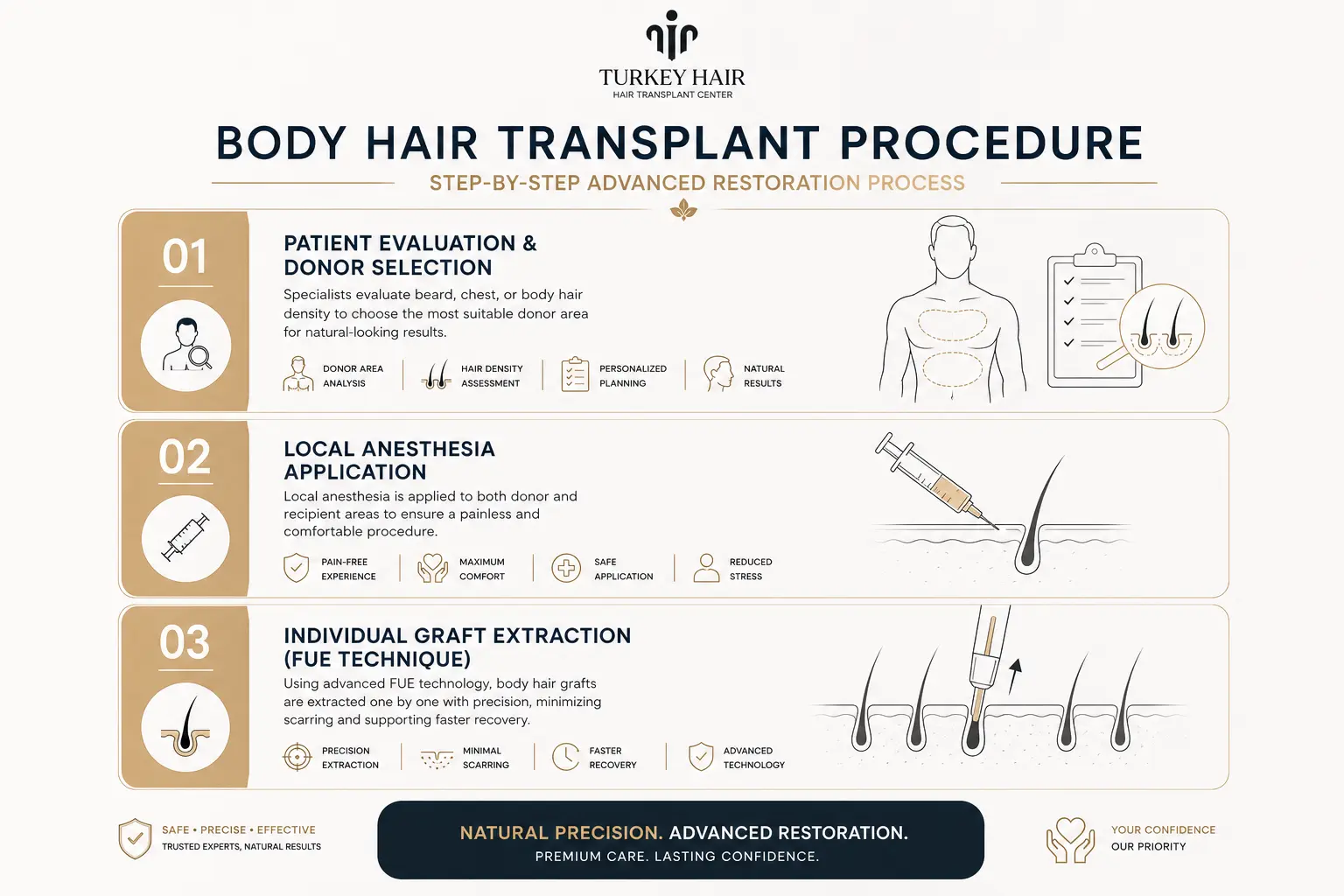
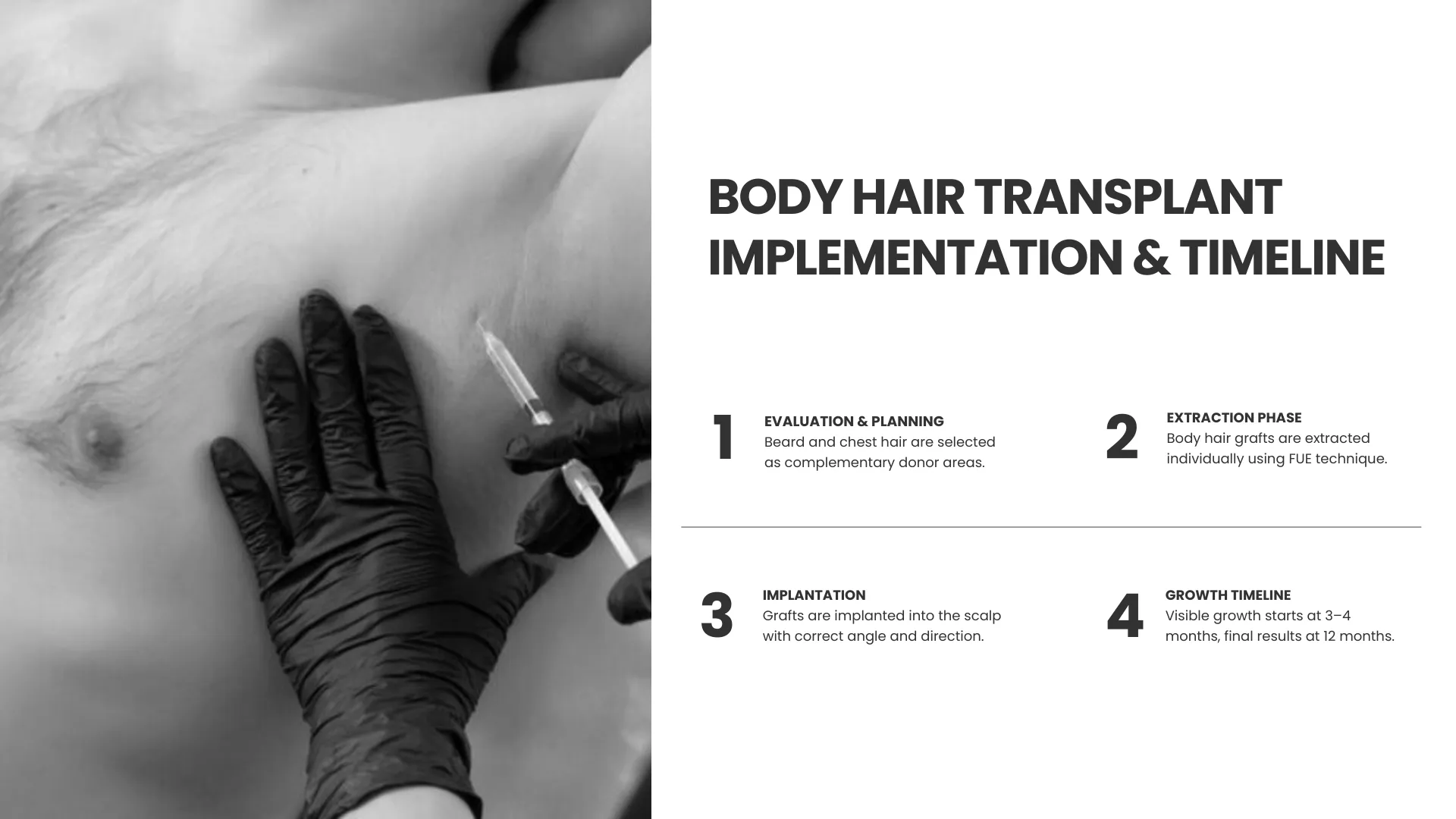
Patient evaluation and donor area selection (beard, chest, body)
Experts carefully assess hair density and quality in areas like the beard or chest to ensure the best match for your scalp.
This selection process is crucial for achieving a natural look and ensuring the long-term survival of the transplanted hair.
Local anesthesia is applied to donor and recipient areas
To ensure a completely painless experience, local anesthesia is administered to both the extraction and implantation sites. This allows you to remain comfortable and relaxed throughout the entire duration of the surgical procedure.
Body hair grafts are extracted individually (usually with FUE)
Using the advanced FUE technique, hair follicles are harvested one by one from the body with high precision. This minimally invasive method prevents linear scarring and promotes faster healing in the donor regions.
Grafts are sorted and preserved carefully
Once extracted, the grafts are meticulously sorted and kept in a specialized cooling solution to maintain their vitality. This careful preservation step is vital for ensuring the highest possible success rate once they are implanted.
Recipient sites are created on the scalp
The surgeon creates tiny, strategic incisions on the balding areas of the scalp, planning the layout for the new hair. These sites determine the overall density and hair pattern, serving as the blueprint for your final transformation.
Body hair grafts are implanted at correct angle and direction
Each graft is placed into the recipient sites with a focus on the natural exit angle and growth direction of your existing hair. This technical precision is what creates a seamless, undetectable transition between the body hair and the scalp.
Post-procedure care and recovery instructions are given
After the surgery, you will receive a comprehensive guide on washing, medication, and activities to protect the new grafts. Following these professional recovery steps ensures optimal healing and the best possible aesthetic outcome.
Who is the right Candidate for Body Hair Transplant
If you are struggling with some cases below, you are the right candidate for body hair transplant.
Advanced Hair Loss (Norwood Stage 5, 6, 7)
Body hair provides the extra volume needed for those with extensive baldness that scalp donor areas cannot cover alone.
Insufficient Scalp Donor Area for Required Grafts
When the back of the head lacks enough hair, body grafts offer a reliable alternative to complete your restoration.
Need for Higher Density in Large Bald Areas
Supplementing scalp hair with body follicles is a great way to boost overall density and achieve a much fuller look.
Weak or Poor-Quality Scalp Donor Hair
If your scalp hair is too thin, using thicker beard or chest hair ensures a more durable and visible result.
Availability of Strong Body Hair (Beard, Chest, etc.)
Ideal candidates have healthy, thick hair on the beard or chest that can mimic the characteristics of scalp hair.
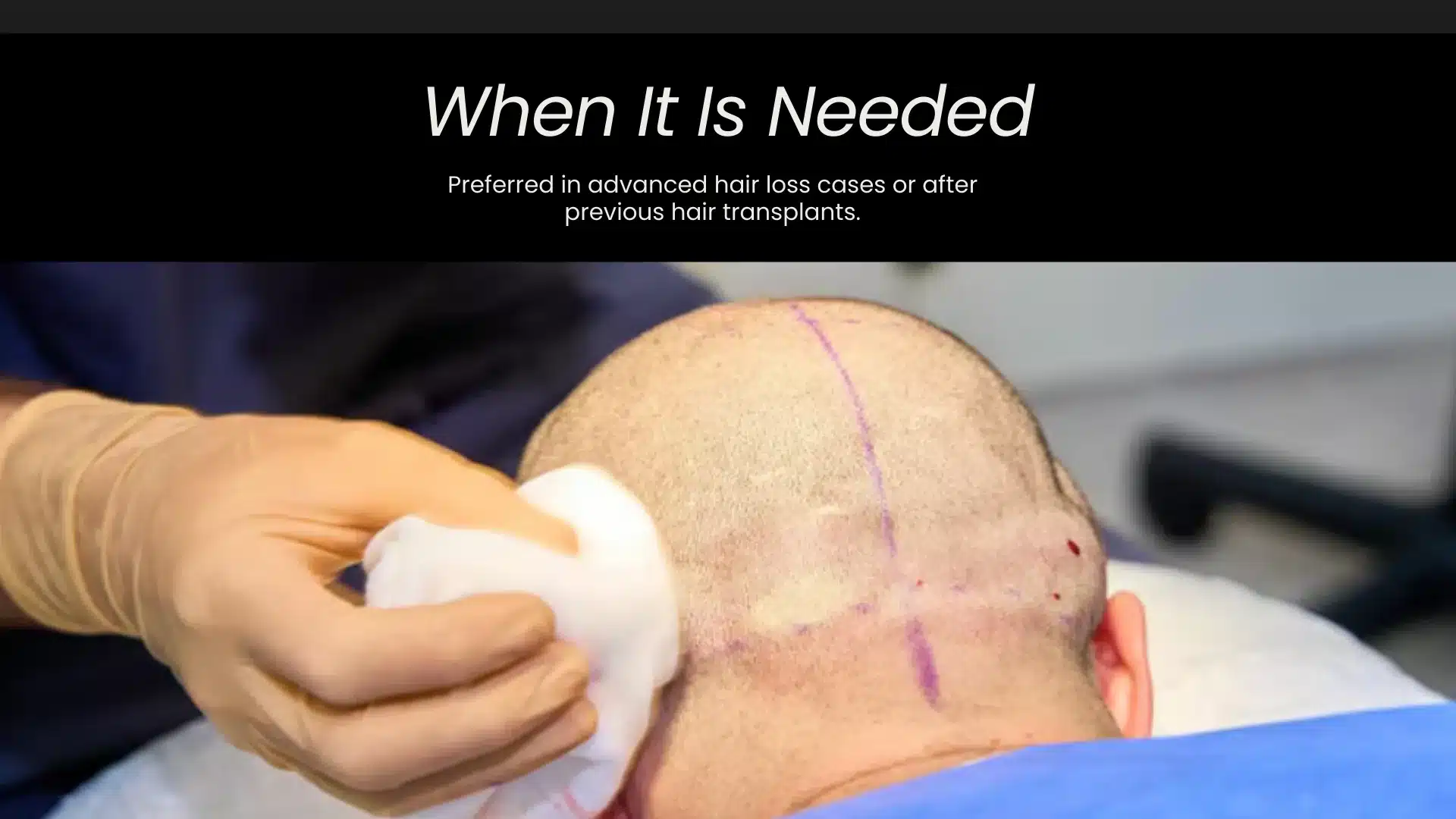
Previous Hair Transplant with Depleted Scalp Donor
This is a perfect solution for patients who have already used their scalp donor capacity in past procedures.
Realistic Expectations About Texture and Growth Differences
Successful candidates understand that body hair has unique growth cycles and textures compared to original scalp hair.
Suitable Overall Health and Healing Capacity
Being in good health ensures your skin heals quickly and the transplanted grafts thrive in their new location.
Body Hair Transplant Growth Timeline
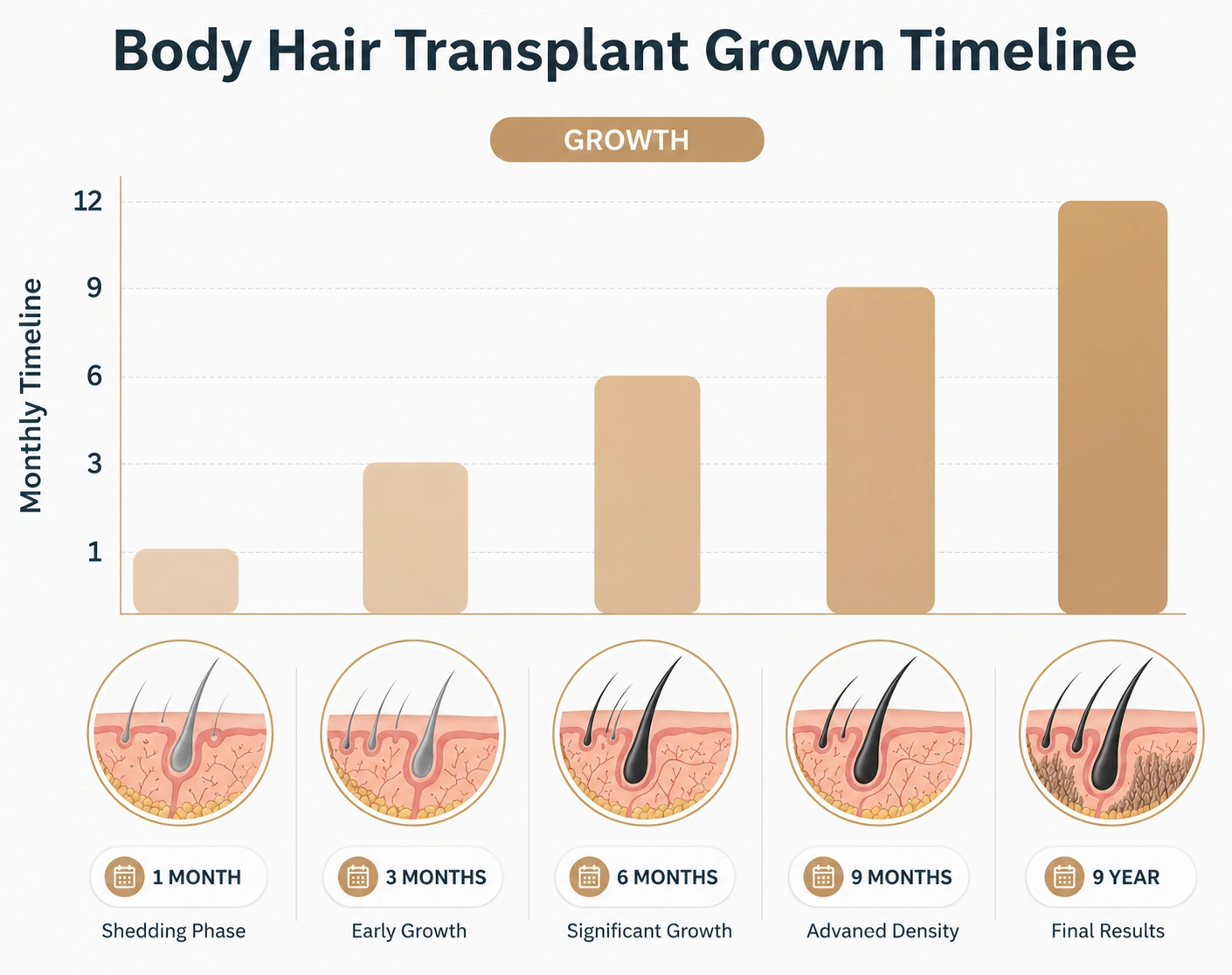
Shedding Phase, 1 Month:
Temporary loss of transplanted hair shafts as follicles enter the resting stage.
Early Growth, 3 Months:
New, fine hairs begin to emerge from the skin as the growth cycle starts.
Significant Growth, 6 Months:
Noticeable increase in hair length and thickness with improved coverage.
Advanced Density, 9 Months:
Hair becomes much denser and the texture continues to mature significantly.
Final Results, 1 Year:
The transplant reaches its full potential with maximum density and natural texture.
5 Important Risks under Body Hair Transplant Procedures
Body hair transplant is a reliable technique. However, it might have some disadvantages like different growth cycles, orientation issues, thickness and curl mismatch, scarring risk in the donor area and limited density. That is why the procedure must be planned by an expert team.
Risk 1: Different Growth Cycles (Anagen Phase Duration)
While scalp follicles stay in the growth phase for years, body hair has a much shorter cycle. So:
- Implanted follicles might not grow as long as natural hair
- Growth rates can change
- Perception of density can change over time
These circumstances stem from biological structure and they are dermatologically normal.
Risk 2. Hair Thickness and Structure Mismatch
Body hair can differ from scalp hair in the following aspects:
- It may be thicker or thinner
- The degree of curl may be different
- Pigment density may vary
Therefore, body hair is generally preferred for mid-area or crown support transplants rather than for the front hairline.
Risk: 3. Angle and Direction Problems
Body hairs have different angles relative to hair follicles as they emerge from the skin.
If this natural structure is not taken into account during transplantation:
- The direction of hair growth may be disrupted
- Natural appearance may decrease
- Combing may become difficult
This risk is minimized by experienced surgeons with micro-angle planning.
Risk 4. Limited Donor Capacity and Density
In body areas:
- Graft density is low compared to the hair donor area
- Not every root is suitable for transplantation
- It may not be sufficient on its own to cover a large area
So, body hair transplant is often a supporting technique combined with a hair donor.
Risk 5. Scarring and Healing Time in Donor Area
After graft harvesting from the body area:
- Point scars may occur
- Healing time may be slightly longer than in the nape of the neck
- Temporary discoloration may be seen in some areas
These risks can be greatly reduced with modern micro-punch techniques.
Conclusion
Body hair transplant is a complementary procedure to increase density and natural appearance. Therefore, the surgeon needs to make a plan before the surgery based on the quality of the donor area to achieve visible and long-term results.
If you need to benefit from such a surgery, Turkey will be a great option having skilled surgeons and providing all-inclusive medical packages.
Let’s make
something unique together