Performed at authorized partner hospitals Turkey Hair Center is a Ministry of Health authorized health-tourism intermediary, not a clinic.
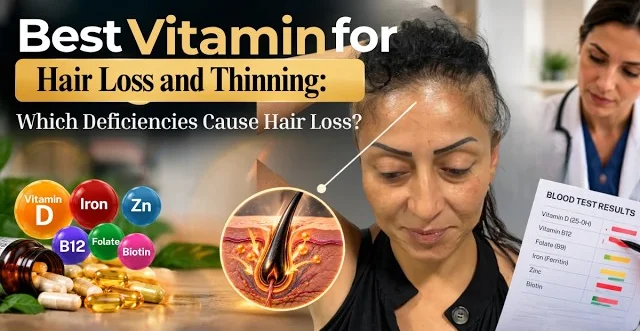
There is no single 'best vitamin' for hair loss. Iron deficiency and low vitamin D are among the most studied nutritional factors associated with hair shedding, while zinc, vitamin B12, folate, and biotin may matter when a true deficiency is present. If nutrient levels are normal, taking extra vitamins is unlikely to reverse common genetic hair loss.
Hair loss is frustrating. You notice extra strands in the shower and instantly start Googling. Next thing you know, you're staring at a dozen expensive supplement ads. Certain nutritional gaps can definitely trigger shedding. But popping a random multivitamin isn't a magic cure. Fixing the problem means finding out exactly what your body is missing-if anything is missing at all.
Key Takeaways:
A lack of essential nutrients can trigger shedding in some people.
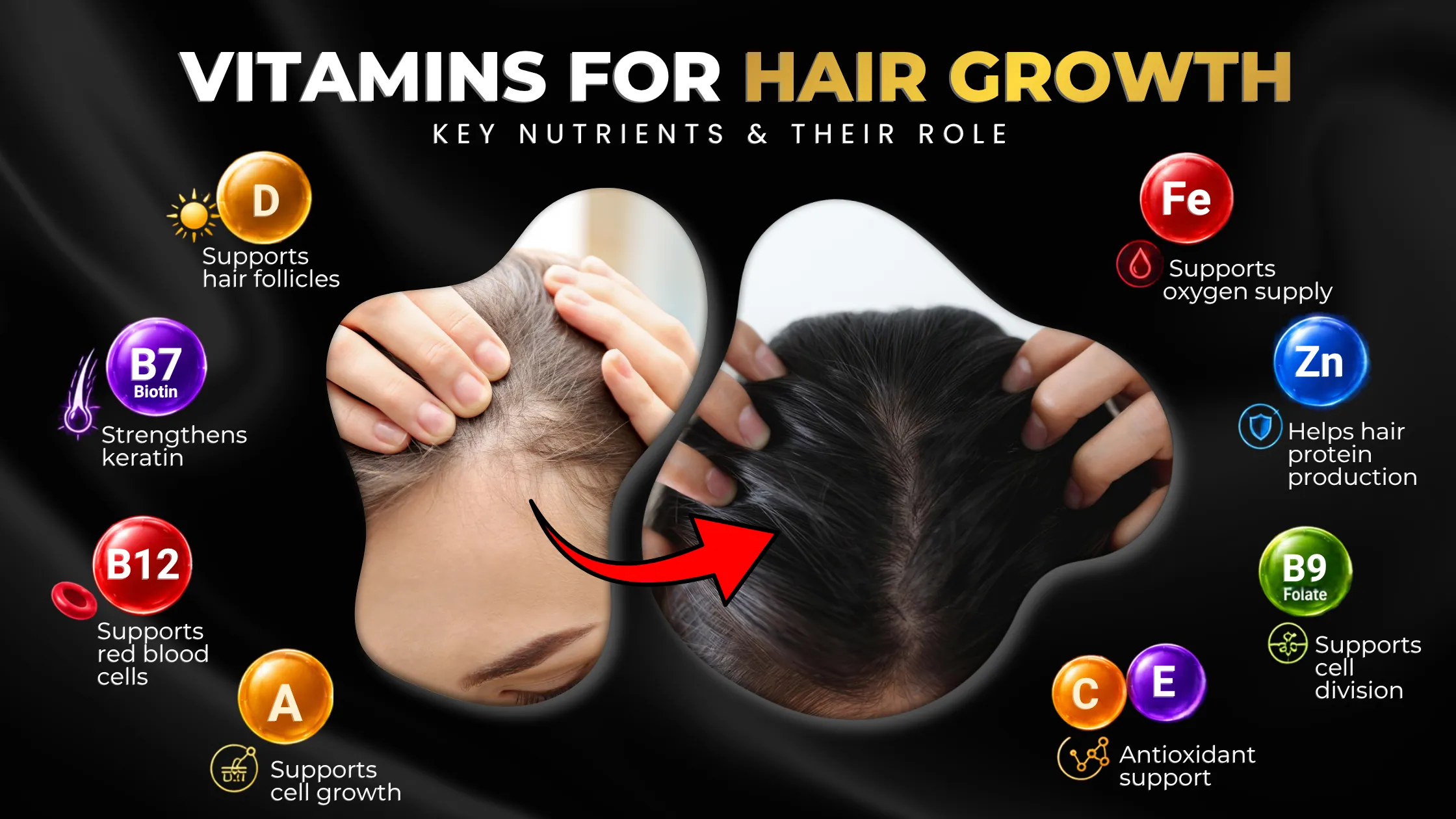
We primarily look at vitamin D, iron, zinc, biotin, and B12.
Baldness doesn't automatically equal a vitamin problem.
Normal blood levels? Extra pills won't speed up hair growth.
Genetic hair loss requires completely different treatments.
Can Vitamin Deficiency Cause Hair Loss?
Yes. When your diet falls short, your hair is usually the first thing to take a hit.
How Vitamin Deficiencies Affect the Hair Growth Cycle
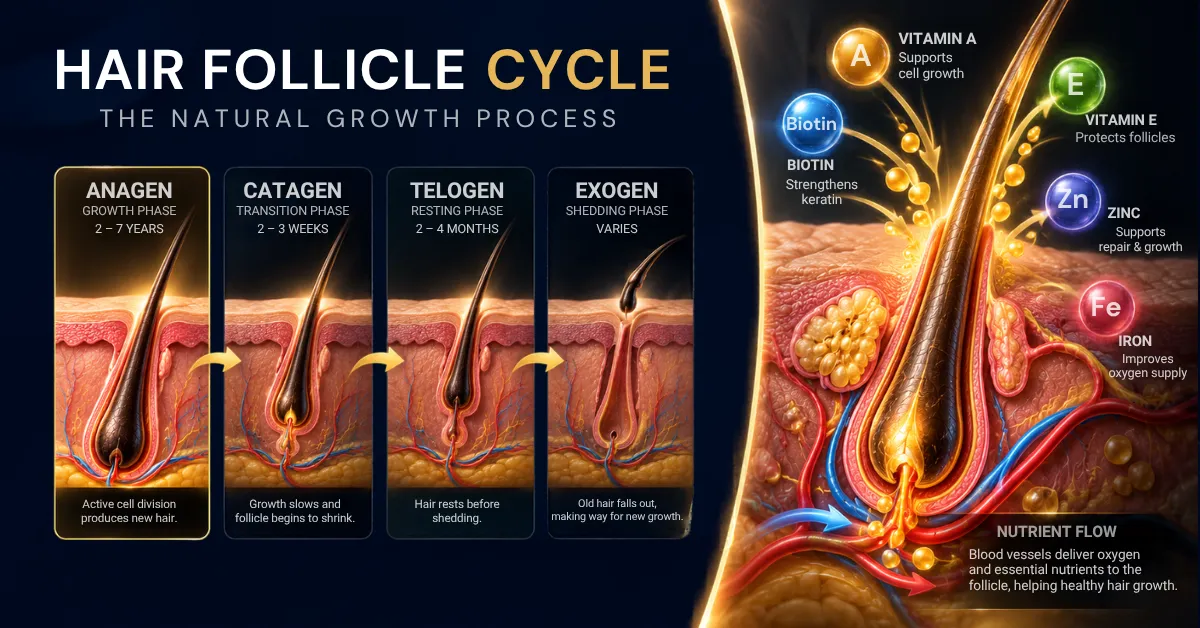
Follicles need constant fuel. When nutrients drop, your body panics. It routes the good stuff to your heart and lungs instead. The result? Your hair gets cut off from the supply. It enters a resting phase, and a few months later, it sheds.
Signs Your Hair Loss May Be Related to a Nutritional Deficiency
You won't typically see a receding hairline here. Nutritional gaps usually cause diffuse shedding. The density drops everywhere. You might also feel constantly tired or weak.
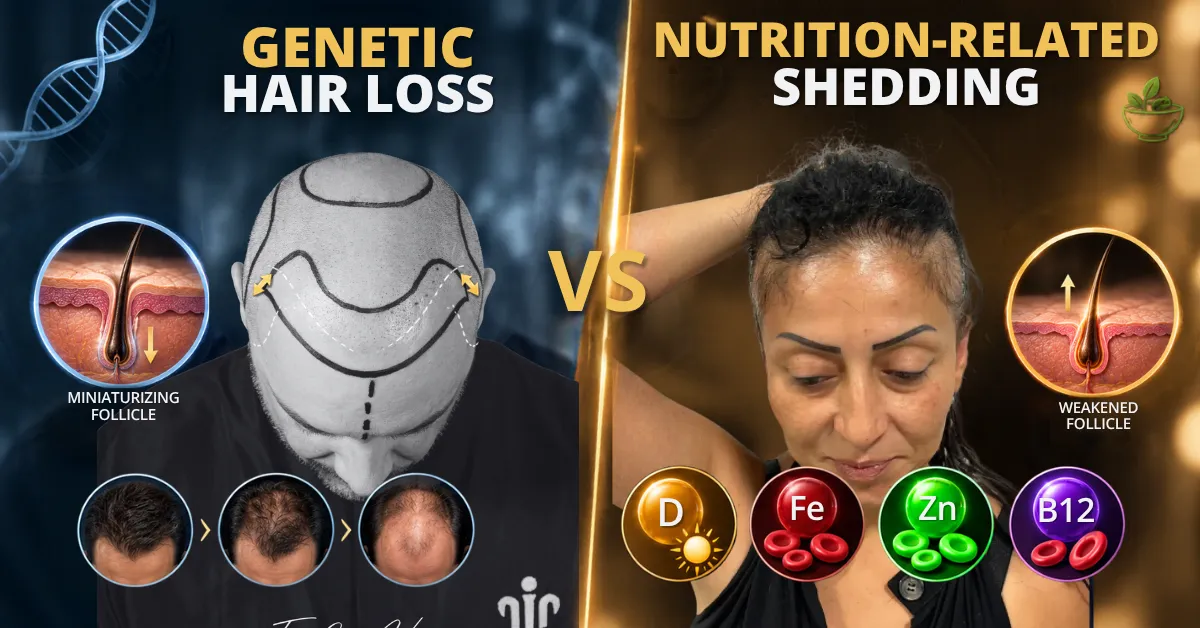
Vitamin Deficiency vs. Genetic Hair Loss
Nutritional shedding happens because you lack building blocks. Androgenetic alopecia (pattern baldness) is in your DNA. They are completely different conditions.
What Vitamin Deficiency Causes Hair Loss?
We check a few usual suspects in the clinic. The most common considerations include vitamin D, iron, zinc, biotin, and vitamin B12.
Vitamin D
Low vitamin D levels have been associated with several forms of hair loss, including diffuse shedding. However, a low vitamin D result does not prove that it is the only cause of a person's hair loss.
Biotin (B7)
Biotin is heavily marketed for hair growth, but true biotin deficiency is uncommon. In people without a documented deficiency, high-dose biotin has not been shown to reliably improve hair growth. It can also interfere with certain laboratory tests, so patients should tell their healthcare provider if they are taking it.
Vitamin B12
You need it for healthy red blood cells. We look at it during a general check-up, not as a standalone hair fix.
Folate (Vitamin B9)
Folate works alongside vitamin B12 to support cell division in hair follicles. While a deficiency can contribute to thinning, it should not be treated as a general hair-growth supplement unless a true lack of folate is confirmed.
Iron & Ferritin
Low iron stores can be associated with diffuse hair shedding. Ferritin is commonly used as part of the assessment of iron status, but it should be interpreted alongside the patient's symptoms, medical history and, when appropriate, other blood tests.
Zinc
Helps build proteins. Taking zinc only helps if your levels are actually depleted.
Best Vitamins for Hair Loss and Thinning
The best vitamin is simply the one your body actually lacks.
Nutrient
Can deficiency contribute to hair loss?
How it may be assessed
Does more help if levels are normal?
Iron
Yes; low iron stores can be associated with diffuse shedding.
CBC/iron studies including ferritin when clinically indicated
No
Vitamin D
Low levels are associated with several hair-loss conditions.
25-OH vitamin D when clinically indicated
Not proven as a universal hair-loss treatment
Zinc
Deficiency can contribute to hair loss.
Serum zinc in selected cases
No
Biotin
Deficiency can affect hair, but true deficiency is uncommon.
Clinical/laboratory context
Routine high-dose use is not supported
Vitamin B12
May matter when a true deficiency is present.
Serum B12 when clinically indicated
No
When it comes to specific nutrients, a targeted approach is always safer than guessing. If a blood panel confirms vitamin D deficiency, supplementation may be appropriate based on the clinical context.
Unless you have a diagnosed biotin deficiency, you can safely skip the trendy hair gummies, as they offer no proven regrowth benefits.
Vitamin C supports normal collagen formation and helps the body absorb non-heme iron, while vitamin E has antioxidant functions. Neither should be presented as a proven standalone treatment for hair loss.
Vitamin A requires a very careful balance-while inadequate levels can impair cellular growth, taking excessive doses can actively trigger rapid hair loss.
Hair Falling Out? Vitamins Aren't Always the Cause
It is a common misconception that hair thinning is strictly a nutritional issue. In reality, hair loss is rarely dependent on vitamins alone. Even if your diet is perfectly fine and your nutrient levels are optimal, your hair cycle can still be disrupted by various dermatological, hormonal, and genetic factors.
Male/Female Pattern Hair Loss
Androgenetic alopecia is primarily driven by genetic predisposition and androgen sensitivity. Nutritional deficiencies may coexist and can add to shedding, but correcting them does not treat the underlying genetic mechanism.
Hormonal & Thyroid Issues
Systemic issues like thyroid dysfunction or Polycystic Ovary Syndrome (PCOS) can trigger significant shedding. Because these hormonal shifts closely mimic the symptoms of a nutritional deficiency, proper blood panels are crucial for an accurate diagnosis.
Telogen Effluvium
This is a form of temporary hair loss that occurs when a major physical or emotional event-such as major surgery, severe psychological stress, severe illness, or childbirth-shocks your system, prematurely pushing active follicles into the shedding phase.
Low Protein Intake / Rapid Weight Loss
Extreme diets that restrict calories or lack sufficient protein force your body to conserve energy. This nutritional shock often pushes hair follicles into a resting phase, leading to telogen effluvium and noticeable shedding a few months later.
When to Seek Medical Evaluation
If hair loss is sudden, occurs in distinct patches, or is accompanied by scalp pain, marked itching, redness or inflammation, seek evaluation from a dermatologist or another qualified healthcare professional.
Do Vitamins Help With Balding?
While supplements are great for filling nutritional gaps, they cannot rewrite your genetic code. Vitamins simply cannot stop, treat, or reverse the effects of hereditary pattern hair loss.
When Nutritional Deficiency and Pattern Hair Loss Coexist
Correcting a nutritional deficiency may reduce deficiency-related shedding, but it does not switch off androgenetic alopecia. A person can have both conditions at the same time, so treating one does not automatically treat the other.
Do Hair Vitamins Actually Work?
Supplements may help when a clinically relevant deficiency is identified and appropriately corrected. If nutrient levels are already adequate, taking more is unlikely to solve the underlying cause of hair loss.
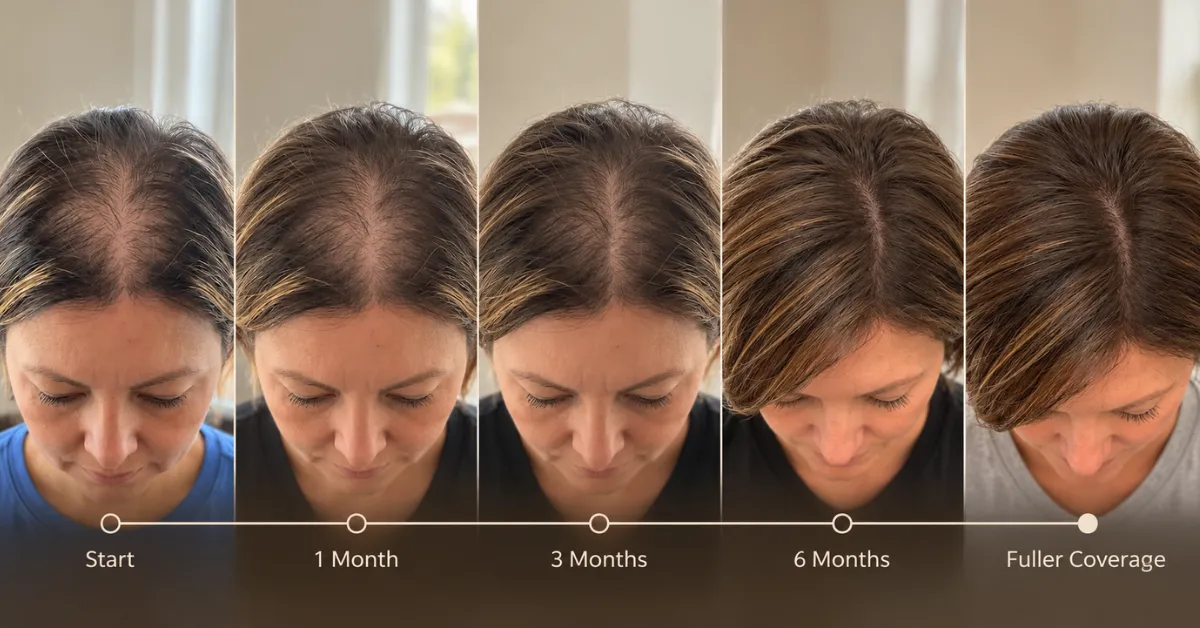
Because the natural growth cycle is incredibly slow, it typically takes several months to see visible changes.
If you are asking "can vitamins regrow lost hair?", the reality is that they will only trigger regrowth if a specific nutritional gap caused the shedding in the first place.
Can Hair Grow Back After a Vitamin Deficiency?
Yes. Even after your levels normalize, the shedding might drag on for a bit while the follicles reset.
Food vs. Supplements for Hair Loss: Which Is Better?
A balanced diet is generally the best foundation for meeting nutrient needs. Supplements can be useful when a deficiency, restricted diet or absorption problem is identified, but they should not be treated as a substitute for diagnosing the cause of hair loss.
Food
Key Nutrients For Hair Follicles
Eggs
High-biological value protein, dietary biotin, choline
Plant protein, iron, zinc, folate, and other B vitamins
Citrus Fruits & Berries
Vitamin C (collagen synthesis & enhances iron absorption)
Lean Meat & Poultry
Heme iron (highly bioavailable), zinc, complete B-complex
Clinical Situations: Do You Really Need a Supplement?
Nutrient deficiency confirmed: Correcting it works.
Nutrient levels are normal: Extra pills do nothing.
Genetic pattern hair loss: Vitamins ignore the real problem.
Cause of hair loss unknown: Get tested instead of guessing.
Which Blood Tests May Be Considered for Hair Loss?
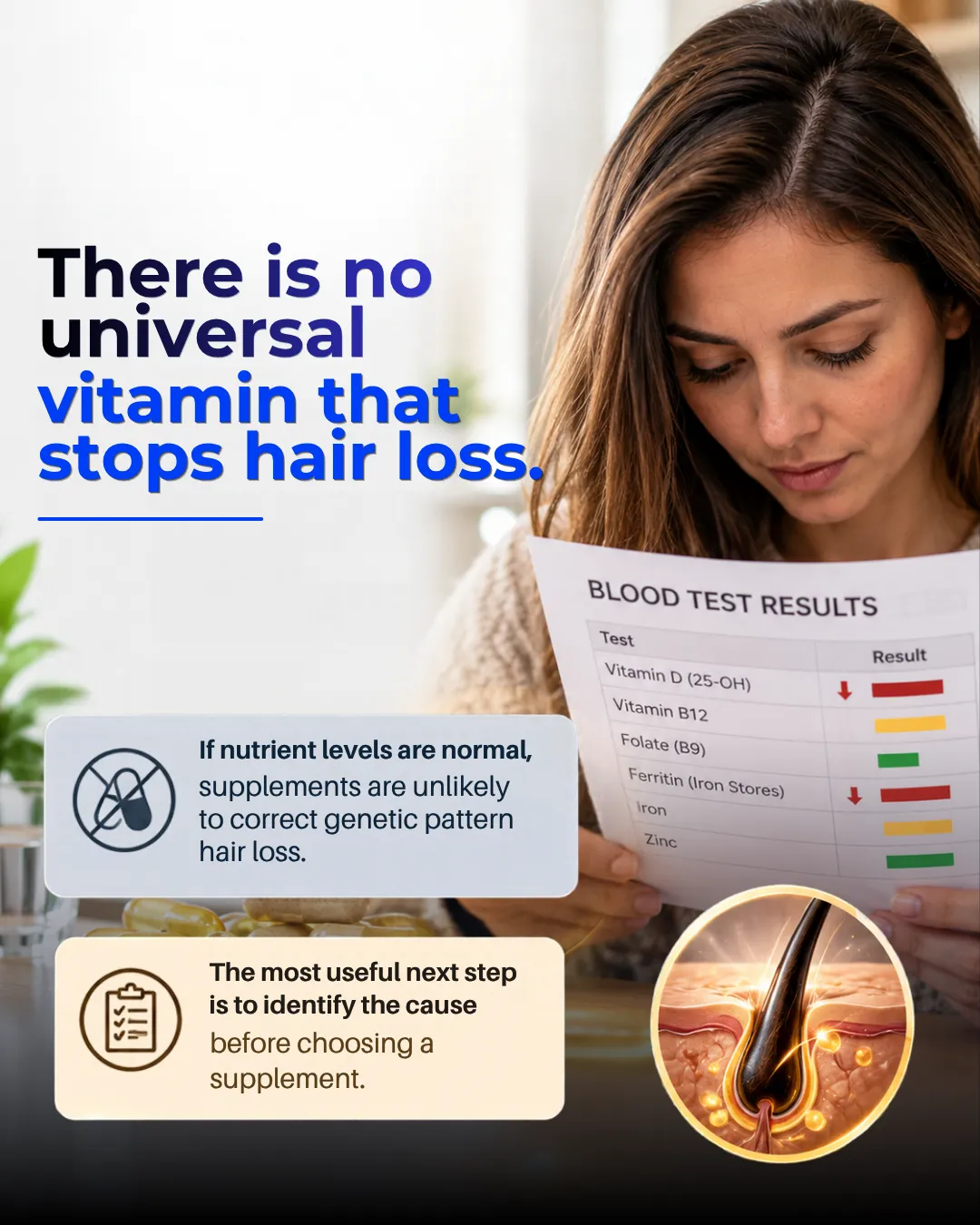
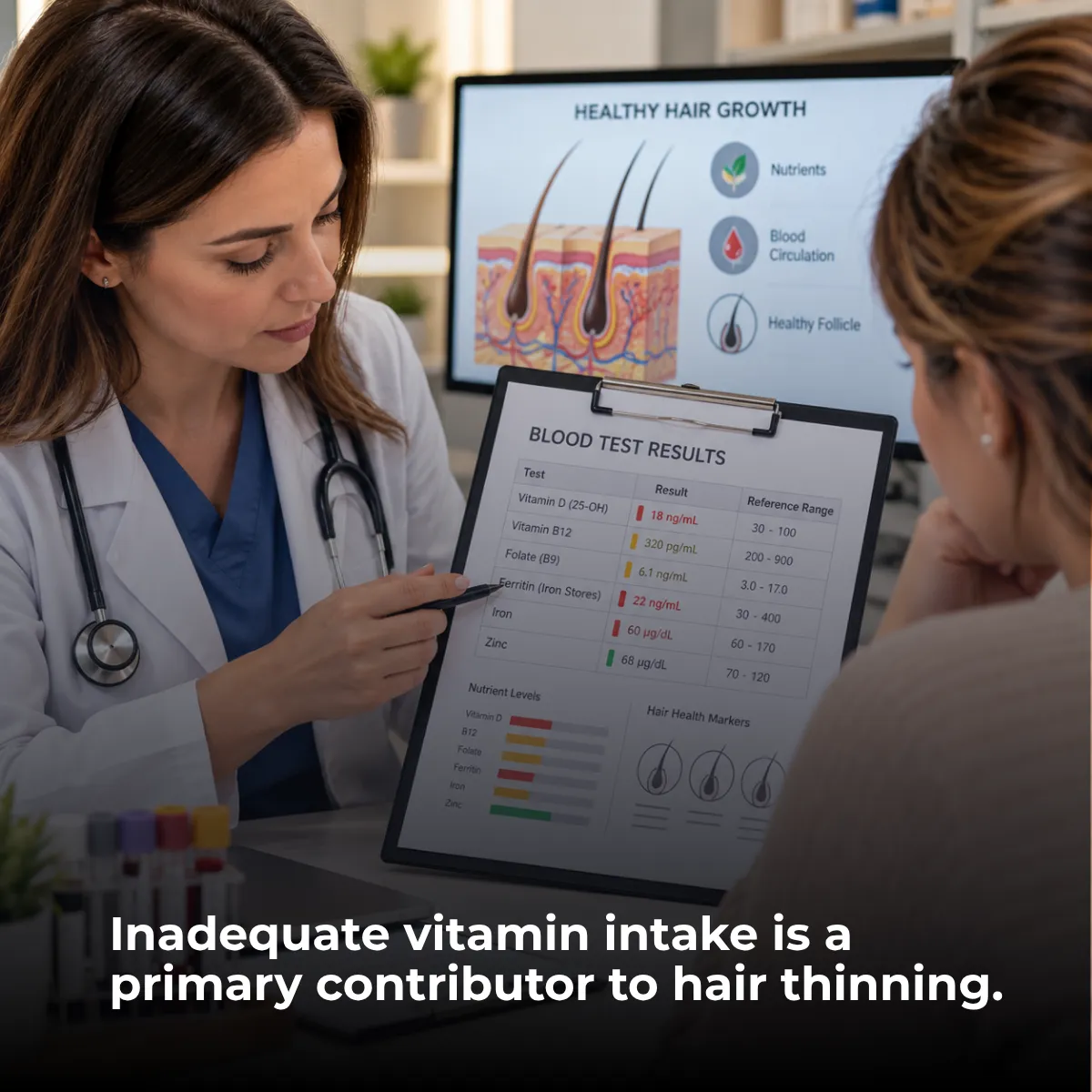
There is no single blood test panel that every person with hair loss needs. Depending on the pattern of shedding, symptoms, diet and medical history, a clinician may consider tests such as a complete blood count, iron studies including ferritin, thyroid function, vitamin D, vitamin B12 or zinc. Not every patient needs every test.
Can Too Many Vitamins Cause Hair Loss?
More is not always better when it comes to nutritional supplements. Excessive intake of specific nutrients, such as vitamin A and selenium, carries a significant risk of toxicity. In these cases, the body's reaction to the nutrient overload can prematurely push hair follicles into the shedding phase.
Selenium
Similar to vitamin A, over-supplementing selenium can cause hair to become brittle and shed. This easily happens if you combine multiple daily supplements that each contain a full dose of the mineral.
Frequently Asked Questions
What vitamin deficiency causes hair loss?
Several nutrient deficiencies can contribute to hair loss. Iron deficiency and low vitamin D are among the most studied, while zinc, vitamin B12, folate and biotin may also matter in specific cases. Hair loss should not be attributed to a deficiency without appropriate clinical evaluation.
What vitamin am I lacking if hair falls out?
You can't tell by staring in the mirror. Get lab work done.
Can vitamins stop balding?
No. If it runs in your family, vitamins won't save your hairline.
What is the best vitamin for hair loss?
The one your blood test says is too low.
Does vitamin D deficiency cause hair loss?
Low vitamin D levels have been associated with several types of hair loss, including diffuse shedding. However, an association does not mean vitamin D deficiency is the cause in every patient.
Can too many vitamins cause hair loss?
Yes. Taking too much vitamin A is a known trigger for shedding.
Final Verdict
There is no universal vitamin that stops hair loss. Iron deficiency and low vitamin D are among the most studied nutritional factors linked with shedding, while zinc, vitamin B12, folate and biotin may matter when a genuine deficiency exists. If nutrient levels are normal, supplements are unlikely to correct genetic pattern hair loss. The most useful next step is to identify the cause before choosing a supplement.
Editorial Policy & Trust
We are committed to medical clarity and evidence-based information. Because the topic of hair loss treatments is often subject to misinformation, we separate biological facts from marketing claims. Our guidelines reflect clinical data, prioritizing patient safety, proper diagnostics, and genuine informed consent in every publication.
References and Medical Sources
American Academy of Dermatology (AAD). Hair Loss Causes and Treatment. (aad.org)
National Institutes of Health (NIH) Office of Dietary Supplements. Biotin Fact Sheet for Health Professionals. (ods.od.gov)
Wang R, et al. Micronutrients and Androgenetic Alopecia: A Systematic Review. Molecular Nutrition & Food Research. 2024. (pubmed.ncbi.nlm.nih.gov)
Yongpisarn T, Tejapira K, Thadanipon K, Suchonwanit P. Vitamin D deficiency in non-scarring and scarring alopecias: a systematic review and meta-analysis. Front Nutr. (pubmed.ncbi.nlm.nih.gov)
Almohanna HM, Ahmed AA, Tsatalis JP, Tosti A. The Role of Vitamins and Minerals in Hair Loss: A Review. Dermatology and Therapy. 2019. (pubmed.ncbi.nlm.nih.gov)
Finner AM. Nutrition and hair: deficiencies and supplements. Dermatologic Clinics. 2013. (pubmed.ncbi.nlm.nih.gov)
Kil MS, Kim CW, Kim SS. Analysis of serum zinc and copper concentrations in hair loss. Annals of Dermatology. 2013. (pubmed.ncbi.nlm.nih.gov)
Best Vitamins for Hair Loss and Thinning: Which Deficiencies Cause Hair Loss? is one route. Depending on your pattern, donor supply and goals, another technique may suit you better.
Send three photos: front, top and sides. You get a technique recommendation, a graft range and a straight answer about what is achievable, before anyone talks about price.
Your details are with the team
A patient coordinator will get back to you shortly. If you would like to send your photos now, WhatsApp is the fastest way to do it.
We respond quickly, day or night, in your language.
Multilingual team, no obligation
Data protectedKVKK and GDPR compliant, 100% confidential
Authorized Health Tourism Intermediary
Turkey Hair Center is the hair-restoration brand of Healthy Way Tourism, an authorized international health-tourism intermediary. All medical procedures are performed by licensed medical professionals at authorized healthcare facilities in Turkiye, in accordance with the regulations of the Ministry of Health.