How to Use Ketoconazole Shampoo: Steps, Uses and Safety
Performed at authorized partner hospitals Turkey Hair Center is a Ministry of Health authorized health-tourism intermediary, not a clinic.
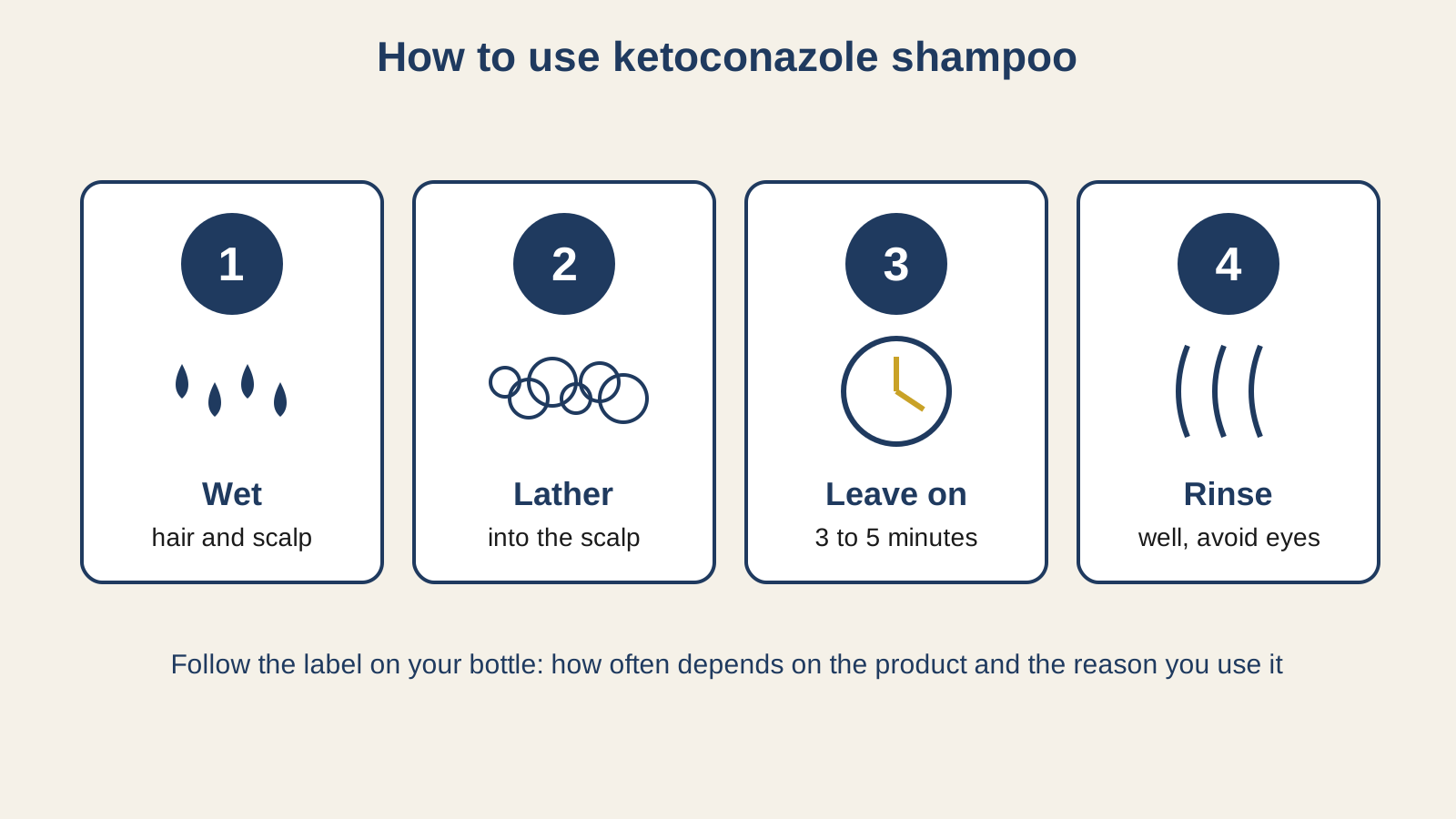
To use ketoconazole shampoo, wet your hair, massage the shampoo into your scalp until it lathers, leave it on for 3 to 5 minutes, then rinse it off with water. How often you use it depends on your product and the condition, so follow the label or your doctor.
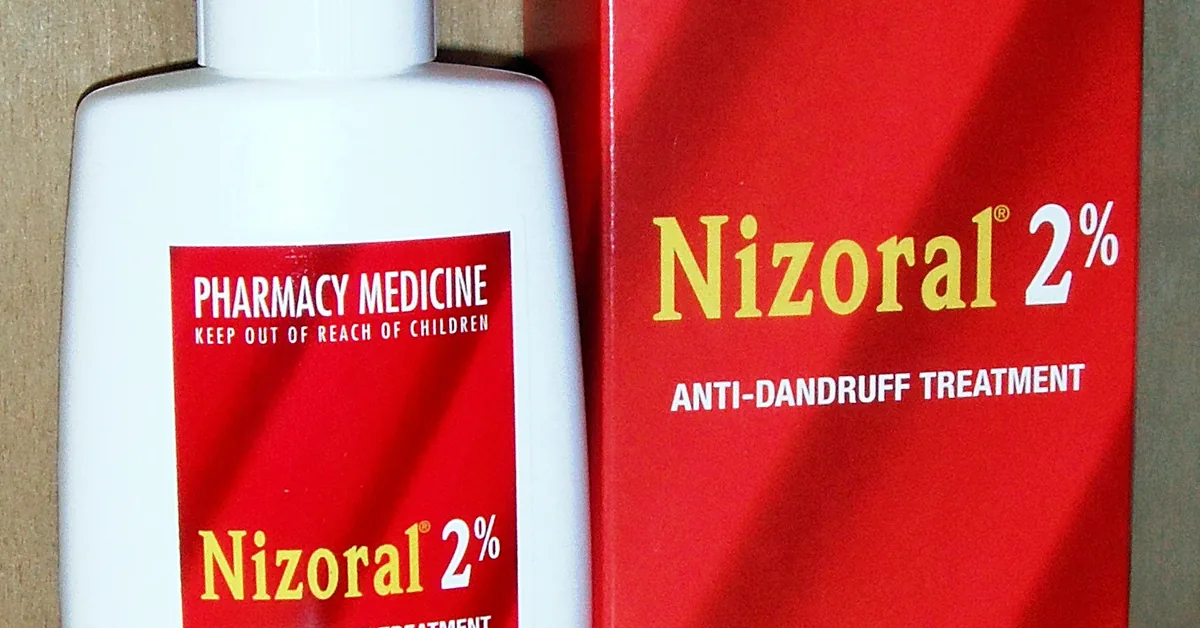
A bottle and box of Nizoral 2% anti-dandruff treatment shampoo. Photo: Editor182, public domain, via Wikimedia Commons, cropped.
Ketoconazole is an antifungal medicine sold as a shampoo, often under the brand name Nizoral. This guide sets out how to use ketoconazole shampoo as described by the NHS and by US product labels on DailyMed, what the side effects are, and when to stop and see a doctor. It is not a treatment plan; the leaflet in your pack is the instruction that applies to you.
The photo shows Nizoral 2% sold as a pharmacy medicine for dandruff, a bottle next to its box. Strengths and schedules differ between countries and products, so the leaflet in your own pack is the one to follow.
Why Use Nizoral Shampoo?
Ketoconazole kills fungus and treats the infection, according to the NHS. On the scalp, its main target is Malassezia, a yeast that lives on everyone's skin and is linked to dandruff and seborrheic dermatitis. The NHS lists dandruff, seborrhoeic dermatitis and pityriasis versicolor as conditions treated with the shampoo. The US 1% over-the-counter label lists one use: controlling flaking, scaling and itching from dandruff. Our guide to scalp yeast infection explains how these conditions differ.
Why Use Ketoconazole Shampoo for Hair Loss?
Hair loss is not a labelled use. A 1998 study in Dermatology by Piérard-Franchimont and colleagues found that 2% ketoconazole shampoo improved hair density and the proportion of growing hairs in androgenetic alopecia, but the authors said the results needed a larger controlled study. A 2002 trial in men with dandruff found less shedding with 1% ketoconazole, while hair density did not change. It is not a substitute for proven treatments; see our page on DHT and hair loss.
How to Use Nizoral Treatment Shampoo?
The NHS steps for the shampoo are:
Rinse your hair or the infected skin with water.
Shake the bottle and squeeze a small amount onto the area.
Massage it into the scalp until it lathers.
Leave it on for 3 to 5 minutes, then wash it off with water.
Wash your hands afterwards to avoid spreading the infection.
How often you use it is set by the product. The NHS schedule is:
Condition
NHS schedule for the shampoo
When to ask for help
Dandruff
Twice a week for 2 to 4 weeks, then once every 1 to 2 weeks
No better after 4 weeks
Seborrhoeic dermatitis
Twice a week for 2 to 4 weeks, then once every 1 to 2 weeks
No better after 4 weeks
Pityriasis versicolor
Once a day for up to 5 days
No better after 2 weeks
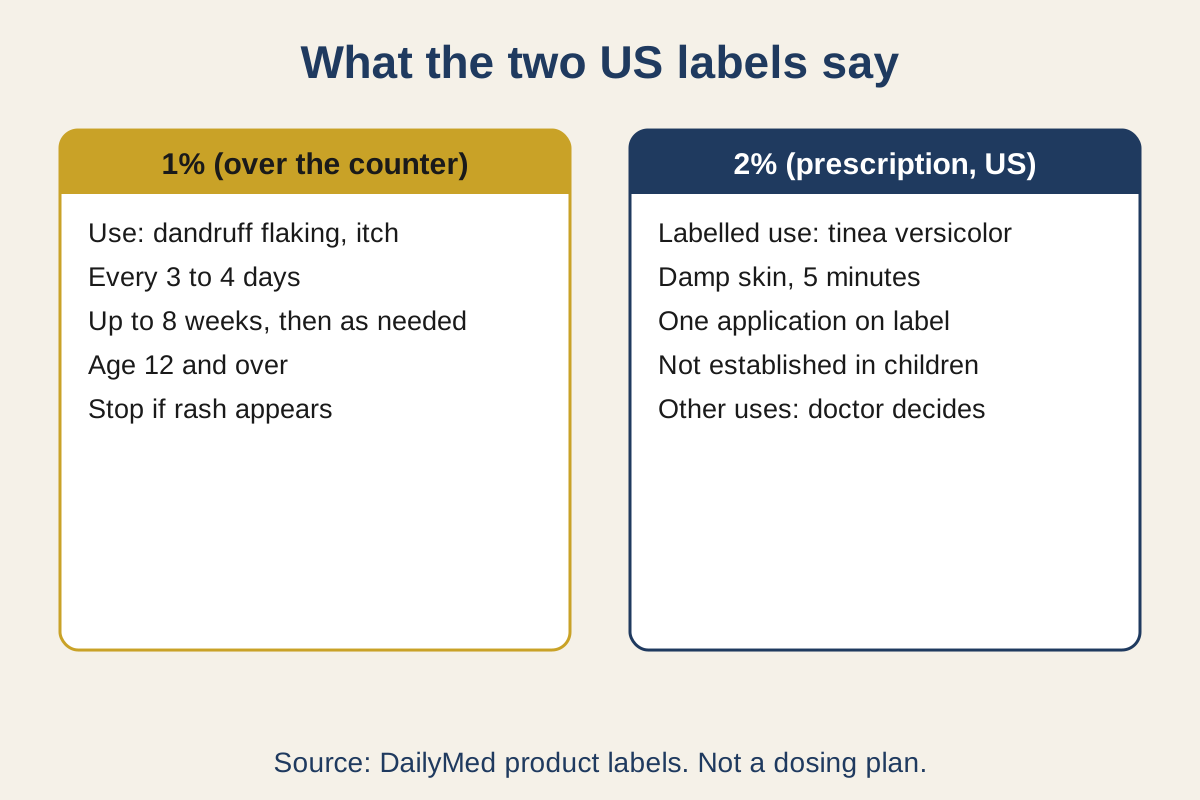
The US 1% label gives a different schedule: every 3 to 4 days for up to 8 weeks, then only as needed, for adults and children aged 12 and over.
How to Use Ketoconazole Shampoo to Treat Tinea Versicolor?
Tinea versicolor is the same condition as pityriasis versicolor. The US 2% prescription label says to apply it to damp skin over the affected area and a wide margin around it, lather, leave for 5 minutes and rinse, and that one application should be enough. The NHS gives once a day for up to 5 days. Skin colour can take weeks or months to return to normal.
Where to Apply Ketoconazole Shampoo?
For dandruff and seborrheic dermatitis, apply it to the scalp. The AAD notes that dandruff shampoo can also treat seborrheic dermatitis on the beard, face or other areas if your dermatologist recommends it. For tinea versicolor, it goes on the affected skin of the body. Keep it away from the eyes and mouth.
How to Apply Ketoconazole 2 Shampoo?
In the US, 2% is a prescription product. Its label covers tinea versicolor only: damp skin, a wide margin, 5 minutes, then rinse. For scalp use, follow your prescriber's instructions, since the label does not list a scalp schedule.
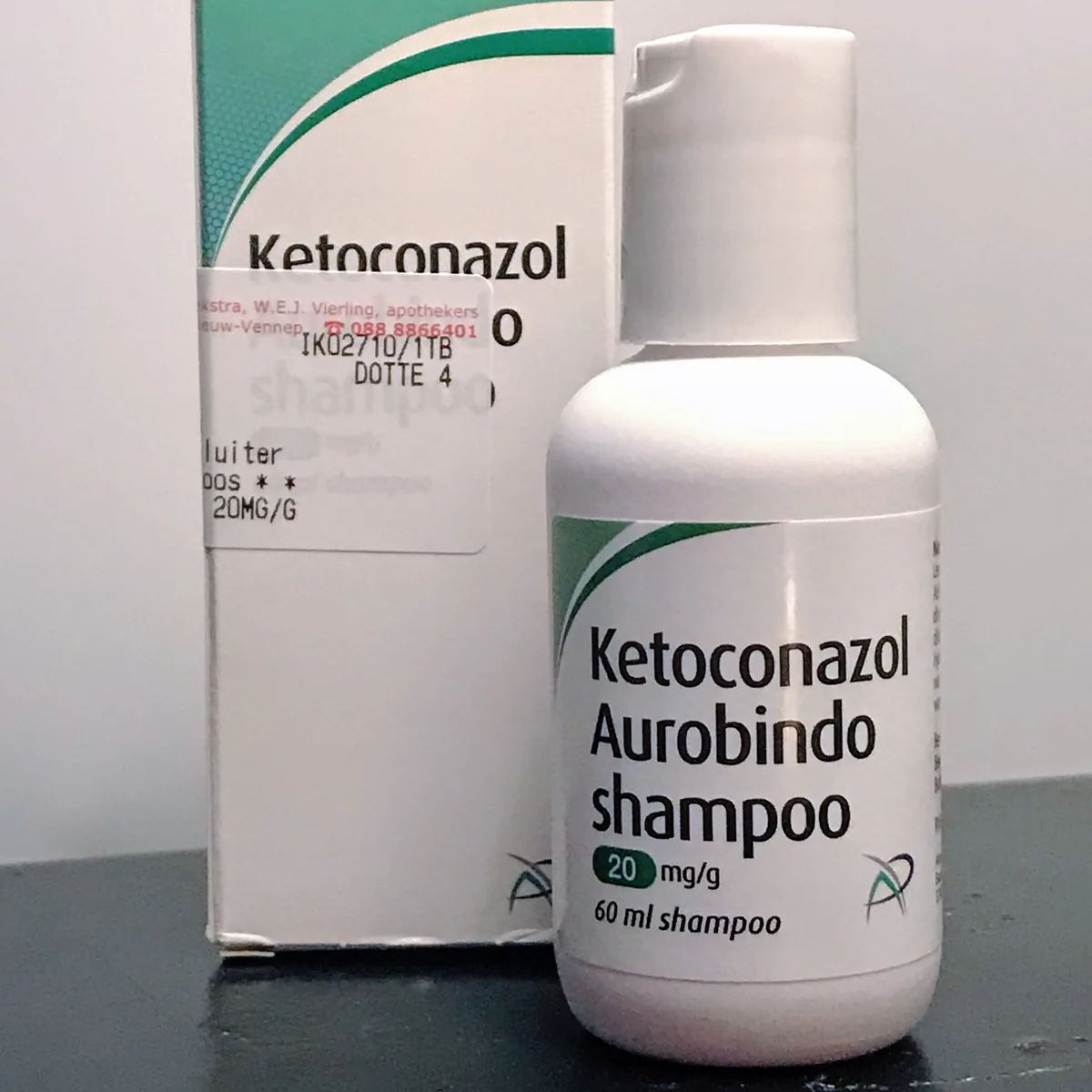
This generic bottle states its strength as 20 mg/g, which is the same as 2%. Writing the strength as mg/g or as a percentage is a labelling choice, so check that figure when you compare packs.
How to Apply Ketoconazole Shampoo to Scalp?
Part the hair and work the lather into the skin rather than the hair ends. The AAD advises letting some dandruff shampoos sit on the scalp for 5 to 10 minutes and adjusting how often you use them to your hair type.
How to Use Ketoconazole Shampoo Side Effects?
The NHS says side effects are unlikely if you use the right amount; too much can make the skin irritated or red. The US 2% label lists reported effects including itching, burning, dry skin, hair discoloration, abnormal hair texture, loss of curl from permed hair and hair loss. In 11 trials with 264 people, increased hair loss and irritation each occurred in fewer than 1%.
Prescription 2% ketoconazole shampoo sold in the United States, squeezed from the bottle. Photo: Mx. Granger, CC0, via Wikimedia Commons, cropped.
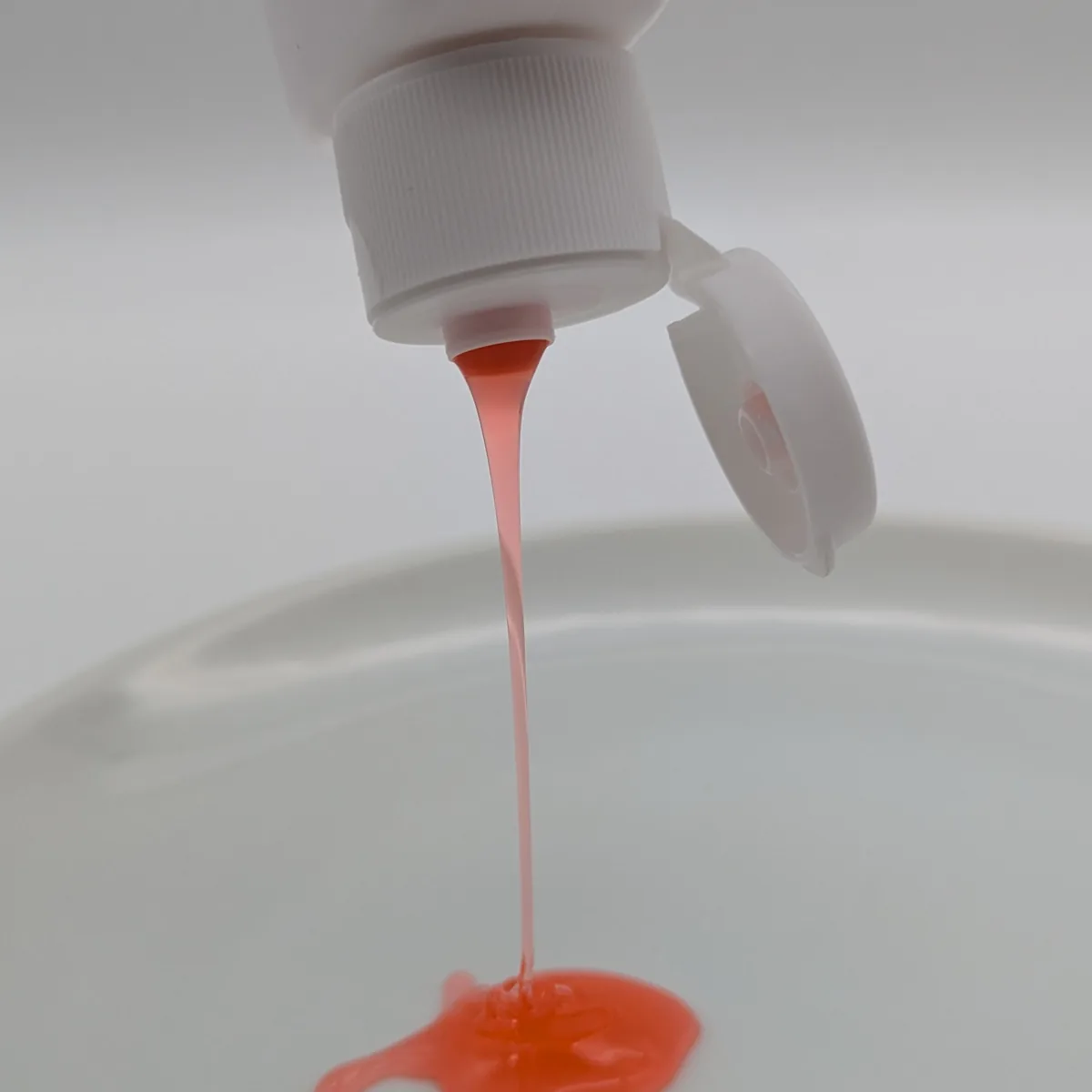
A small amount like this is what the NHS steps describe: squeeze some onto the wet scalp and massage it in. The NHS notes that using too much can make the skin irritated or red.
The 1% label says not to use it on broken or inflamed skin. If you are pregnant or breastfeeding, the label says to ask a doctor first; the NHS says only tiny amounts are absorbed.
Is It Safe to Use Ketoconazole Shampoo Daily?
Daily use appears only for short courses, such as up to 5 days for pityriasis versicolor in the NHS schedule. For dandruff, the NHS and the US label both use less frequent schedules. Using it more often than needed can irritate the skin.
Stop using it and call emergency services if your lips, mouth, throat or tongue swell, or you struggle to breathe or swallow. The NHS says serious allergic reactions are rare but can happen. See a doctor if a rash appears, symptoms get worse, there is no improvement after 4 weeks, or the scalp is broken, oozing or very inflamed.
Frequently Asked Questions
How to Use Ketoconazole Shampoo on Face?
The AAD says dandruff shampoo may be used on the face for seborrheic dermatitis if your dermatologist recommends it. Lather briefly, keep it away from the eyes and rinse well. Facial skin is easily irritated, so ask before starting.
How to Use Ketoconazole Shampoo for Seborrheic Dermatitis?
The NHS schedule is twice a week for 2 to 4 weeks until symptoms clear, then once every 1 to 2 weeks to stop them returning. Leave it on for 3 to 5 minutes before rinsing.
How to Use Ketoconazole Shampoo for Dandruff?
The NHS advice is twice a week for 2 to 4 weeks, then once every 1 to 2 weeks. The US 1% label says every 3 to 4 days for up to 8 weeks. Follow the label on your own bottle.
How to Use Ketoconazole Shampoo on Skin?
For pityriasis versicolor, the NHS says to use it once a day for up to 5 days. The US 2% label says to lather over the affected area and a wide margin, leave for 5 minutes and rinse.
How to Use Ketoconazole Shampoo for Fungal Acne?
"Fungal acne" usually means Malassezia folliculitis. DermNet says topical ketoconazole works in most cases but may need a longer course. See our page on folliculitis pictures and ask a doctor to confirm it is not ordinary acne, which is covered in our guide to pimples on the scalp.
How to Use Ketoconazole Shampoo on Body?
It is used on the body mainly for pityriasis versicolor. Apply it to damp skin over the patches and around them, leave it on as the label says, then rinse. No label we checked covers other body uses.
Can I Use Regular Shampoo After Using Ketoconazole?
None of the sources we checked says to avoid it. The AAD suggests that some people with oily or straight hair wash daily and use a dandruff shampoo twice a week, so regular shampoo can be used on the other days.
How to Properly Use Ketoconazole Shampoo?
Wet, lather into the scalp, leave for 3 to 5 minutes, rinse, and keep it out of the eyes. Use it on the schedule printed on your product, and see a doctor if there is no improvement after 4 weeks.
What Should I Tell My Doctor Before Using Ketoconazole Shampoo?
The NHS says to tell your doctor or pharmacist if you have ever had an allergic reaction to ketoconazole or any other medicine. The US 1% label says not to use it on a broken or inflamed scalp or if you are allergic to its ingredients, and to ask a doctor first if pregnant or breastfeeding.
What If I Miss a Dose of Ketoconazole Shampoo?
The NHS says to skip the missed dose and then keep to your usual routine. It also notes that using the shampoo more often than you need to may make the skin irritated or red, so there is no reason to add an extra wash.
How Should Ketoconazole Shampoo Be Stored?
The US 1% label says to store it at 20°C to 25°C (68°F to 77°F) and keep it out of the reach of children. If it is swallowed, the label says to get medical help or contact a Poison Control Center right away. Storage text can differ between products, so check your own pack.
Scalp Health Before Hair Restoration
A scalp problem such as dandruff or seborrheic dermatitis is usually treated before hair restoration is planned. If you are also losing hair, send photos for a free hair analysis. Turkey Hair Center is a Ministry of Health authorized health-tourism intermediary working with authorized partner hospitals. You can also reach us through the contact page.
Medical disclaimer: This article is for informational purposes only and is not medical advice. Individual results and recovery vary from person to person. Always follow the written aftercare plan from your own medical team.
Sources and medical review
NHS. How and when to use ketoconazole. NHS website
Send three photos: front, top and sides. You get a technique recommendation, a graft range and a straight answer about what is achievable, before anyone talks about price.
Your details are with the team
A patient coordinator will get back to you shortly. If you would like to send your photos now, WhatsApp is the fastest way to do it.
We respond quickly, day or night, in your language.
Multilingual team, no obligation
Data protectedKVKK and GDPR compliant, 100% confidential
Authorized Health Tourism Intermediary
Turkey Hair Center is the hair-restoration brand of Healthy Way Tourism, an authorized international health-tourism intermediary. All medical procedures are performed by licensed medical professionals at authorized healthcare facilities in Turkiye, in accordance with the regulations of the Ministry of Health.