Performed at authorized partner hospitals Turkey Hair Center is a Ministry of Health authorized health-tourism intermediary, not a clinic.
Flying across the globe to fix your hairline is a massive deal. It permanently changes how the world sees you: but only if you do it right. Right now, hair transplant in Turkey is the undisputed epicenter of this industry, pulling in hundreds of thousands of guys every single year. But here is the harsh reality: as the hype explodes, the gap between well-regulated surgical centres and sketchy, low-quality clinics is getting dangerously wide. Today, booking a flight means you aren't just battling genetics anymore. You are walking into a wild market packed with unregulated facilities, pushy sales reps, and surgical risks nobody talks about on Instagram. Want to protect your scalp? You have to stop scrolling through perfectly lit promotional ads and start looking at the raw clinical facts. Before you even think about stepping into an operating room, let’s strip away the marketing fluff. We are going to dive straight into the real safety red flags, the undeniable quality markers, and what long-term maintenance actually looks like.
Quality of Care and Medical Standards in Hair Transplants
Evaluating a foreign clinic requires looking past the lobby aesthetics and digging directly into the institutional infrastructure. The competitive pricing found in Istanbul is a product of macroeconomic dynamics and operational volume, not inherently lower medical standards. Yet, the responsibility of identifying a genuinely safe surgical environment rests entirely on the patient's ability to verify clinical credentials.
Accreditation and Medical Certifications
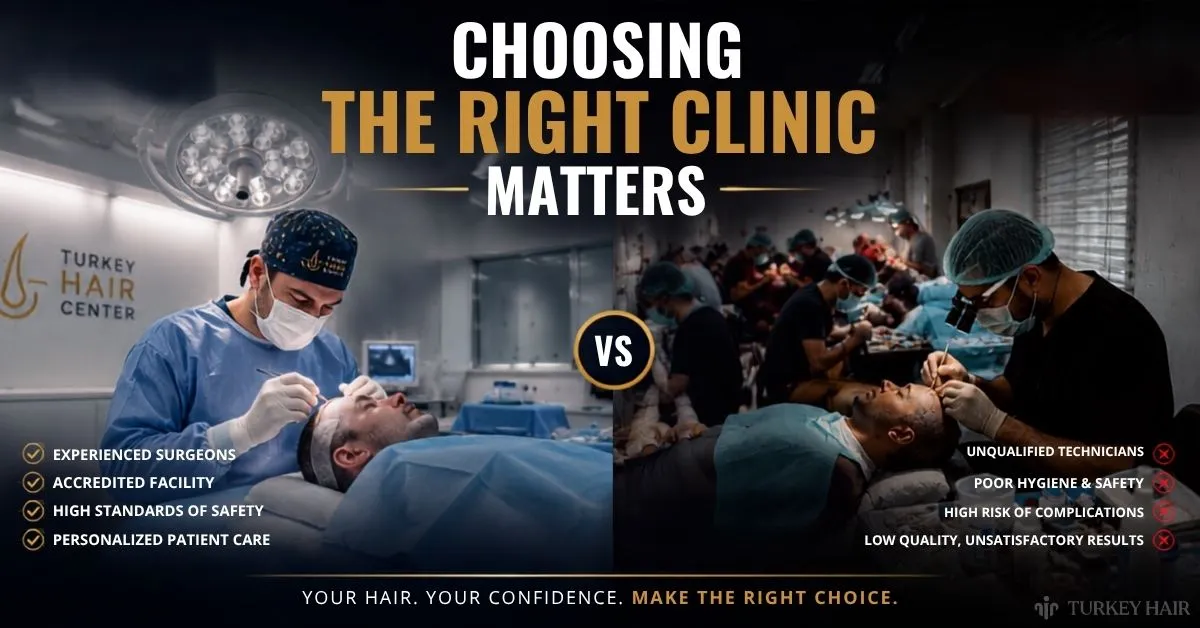
Want to filter out the bad clinics on day one? Ask to see their paperwork. Well-run clinics are not afraid of strict oversight. They proudly hold global benchmarks like heavy-duty ISO healthcare certifications and operate under rigorous Ministry of Health regulations. And no, these aren't just shiny plaques bought online to make the lobby look good. These stamps mean an independent auditor is actually showing up. They are testing the air filters in the operating rooms. They are checking exactly how those surgical punches get sterilized. They are making sure the emergency protocols actually work, not just exist on paper. If a clinic hesitates or dodges the question when you ask for transparent proof? Run. Do not even look back.
Qualifications of Surgeons and Medical Teams
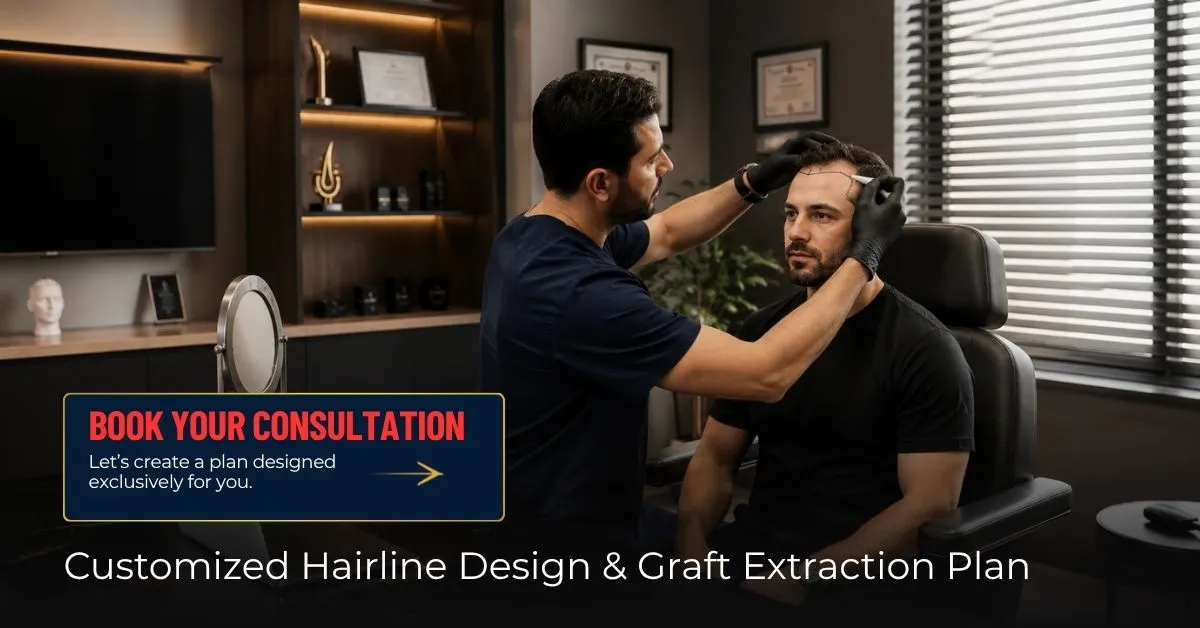
The single most critical variable in your restoration journey is the person holding the surgical instruments. A major systemic issue in high-volume markets is the rise of the "hair mill" model. In these environments, an operation is entirely technician-led, with a certified doctor only walking into the room for a brief consultation or a five-minute greeting. A safe, high-standard procedure demands a qualified hair restoration surgeon to personally design the hairline, calculate the safe limits of your donor zone, and execute the microscopic recipient incisions. The assistants supporting the surgeon should be appropriately trained, qualified, and working within local medical regulations under proper physician supervision. Relying on untrained technicians drastically increases the risk of graft transection and permanent donor depletion.
Patient Safety Protocols
Sure, moving hair follicles around is technically a "minimally invasive" micro-surgery. But do not let that label fool you. It still demands hardcore medical oversight. You can spot a well-run clinic by looking at how they handle risk before the first extraction even happens. A legit facility? They are drawing your blood for a full panel right out of the gate. They have to check your coagulation levels and screen for bloodborne pathogens like HIV and Hepatitis. And once you are in the chair? Someone needs to be watching your vitals like a hawk. This is critical when they start injecting the local anesthesia, just in case your body throws a sudden allergic reaction. If things suddenly go south, that operating room better have a fully stocked emergency crash cart ready to go. Listen, patient safety isn't some fancy VIP add-on. It is the absolute bare minimum.
Avoiding Hair Transplant Scams and Ensuring Results
Whenever a medical sector turns into a highly profitable global industry, opportunistic businesses will inevitably try to exploit the demand. Online marketing makes it easier for very different clinics to appear equally professional. Allowing a dangerous, unregulated clinic to present itself with the same digital polish as an accredited hospital. Protecting your outcome requires treating the consultation process like a rigorous audit.
Red Flags to Watch Out For
How do you spot a deceptive operation before wiring a deposit? Pay close attention to how their representatives communicate. Major warning signs include aggressive WhatsApp salespeople pushing for immediate bookings, or packages promising "unlimited grafts" for a flat, rock-bottom fee. The human scalp only possesses a finite number of safe, harvestable follicles: typically between 4,000 to 6,000 for a lifetime. A clinic offering unlimited extractions is running a volume-based factory. They may over-harvest your donor area in a single session, leaving the back of your head looking permanently moth-eaten and scarred, simply to fulfill a marketing promise.
Importance of Thorough Clinic Research
Achieving a subtle, believable hairline design requires deep independent research that goes far beyond checking the first page of Google results. You need to investigate the primary surgeon's specific professional background. Are they registered with the local medical board? Do they hold active memberships in global organizations like the International Society of of Hair Restoration Surgery (ISHRS)? You must verify that the doctor heavily advertised on the website is actually the one who will perform your surgery, rather than a rented license used to legitimize a team of ghosts. Do not let a sales agent dictate your timeline. Take the time to request detailed documentation regarding their post-operative support policies and their protocol for handling failed grafts.
Reading Genuine Patient Reviews and Testimonials
Never base your surgical decision on the curated before-and-after photo galleries displayed on a clinic's official Instagram feed. Deceptive operations routinely adjust studio lighting, digitally alter images, or apply temporary hair fibers to mask poor density outcomes. It's worth looking for raw, unedited patient journeys. Independent forums, trusted medical travel review platforms, and transparent Reddit communities often provide a clearer picture. Look for detailed logs that cover the entire hair transplant recovery timeline. You want to see the messy initial recovery weeks, the brutal shedding phase, and the final density updates at the 12 to 18-month marks. A clinic with nothing to hide will have a traceable history of believable, long-term patient results.
Travelling from Nigeria
Flights: Turkish Airlines flies non-stop to Istanbul from Lagos (about 7 hours) and Abuja (about 6 hours 40 minutes).
Visa: Nigerian passport holders need a visa for Türkiye. Check the requirements for your situation on the official portals visa.gov.tr and evisa.gov.tr before you book flights.
Time difference: Istanbul is 2 hours ahead of Nigeria all year.
Frequently Asked Questions
Is a hair transplant painful?
The procedure is performed under local anaesthesia, so the scalp is numb during surgery and most patients feel little to no pain. Mild soreness or tightness in the days afterward is normal and is usually managed with simple pain relief.
Will a hair transplant look natural?
A natural result depends on hairline design, the angle and direction of each graft, and matching your natural density. When these are planned carefully by an experienced team, transplanted hair blends with your existing hair and is difficult to detect.
Are hair transplant results permanent?
Follicles are usually taken from the back and sides of the scalp, which are genetically resistant to hair loss. Once transplanted and healed, these follicles typically keep growing for life, though surrounding native hair can still thin over time.
How long does recovery take after a hair transplant?
Most people return to desk work within a few days. The transplanted area scabs and heals over the first one to two weeks, redness settles within a couple of weeks, and full regrowth becomes visible over roughly 9 to 12 months.
Will there be visible scars?
With the FUE technique, follicles are extracted individually, leaving tiny dot scars that are hidden by surrounding hair and are generally not visible even with short haircuts.
How do I know if I am a good candidate?
Good candidates usually have stable hair loss and a healthy donor area at the back and sides of the scalp. A consultation with an assessment of your donor supply and hair loss pattern is the most reliable way to confirm suitability.
Long-Term Results and Maintenance After a Hair Transplant
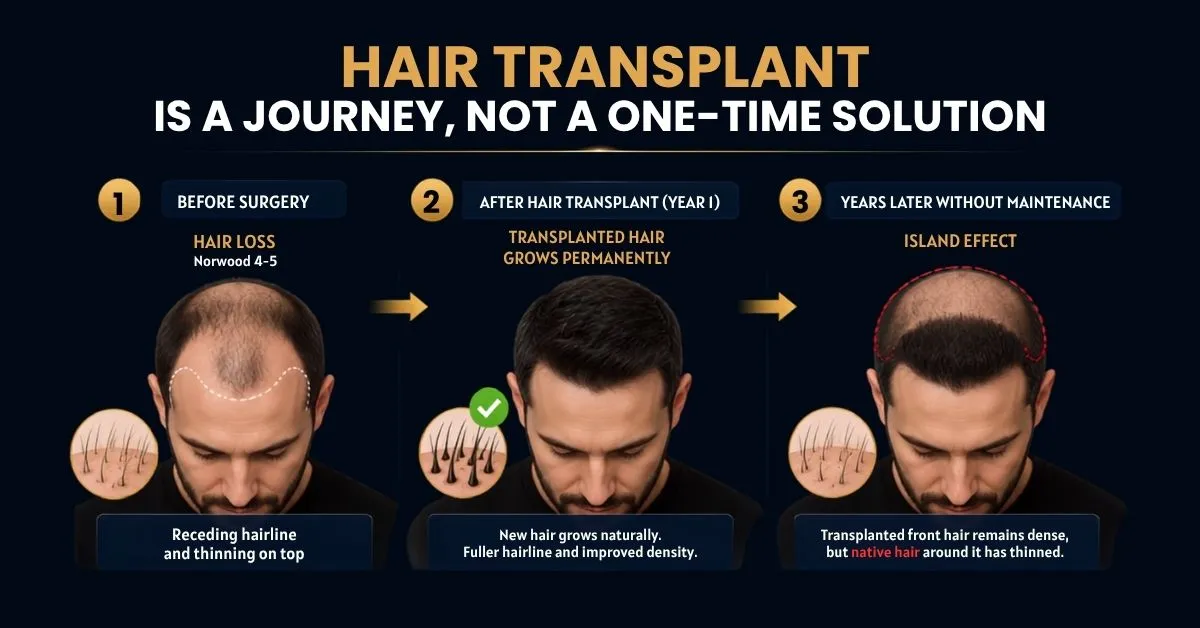
Surgery only relocates follicles; it does not cure the underlying biological mechanics of androgenetic alopecia. Many patients mistakenly view an operation as the finish line, assuming a single trip to a clinic immunizes them from male pattern baldness forever. If you fail to plan for the long game, you will inevitably face a harsh reality check.
What to Expect Years After a Transplant
The newly implanted follicles are extracted from the safe donor zone at the back of the scalp, meaning they are genetically resistant to DHT (the hormone responsible for hair loss). Once these specific hairs take root, they are generally permanent and will continue to grow realistically for decades. However, there is a catch. The native, non-transplanted hairs sitting directly behind your new hairline remain entirely vulnerable to your biological aging process. If your baseline hair loss continues to progress unchecked, you could easily end up with a dense, transplanted frontal band, followed by a newly developing bald patch right behind it: an imbalanced look often referred to as the "island effect."
Post-Operative Care and Lifestyle Recommendations
The ultimate success of your new grafts depends heavily on how you manage your scalp during the critical twelve months following the procedure. The first 14 days are vital for graft anchoring; you must strictly follow the clinic's washing protocols and avoid any physical impact. Beyond the immediate healing phase, long-term medical maintenance is usually required. Most reputable surgeons often recommend integrating FDA-approved therapies, such as oral Finasteride or topical Minoxidil, into your daily routine. These medications are not meant for the transplanted hair, but rather to freeze the progression of loss in your native hair, ensuring your overall density remains balanced and cohesive over time.
Potential Need for Future Procedures
A responsible, long-term strategy requires accepting that hair loss is a progressive condition. If you experience advanced thinning early in life, a single surgical session will rarely be the final stop on your journey. A highly qualified surgeon will always manage your finite donor supply with the future in mind. They will extract conservatively, intentionally leaving enough healthy follicles in the bank just in case you require a secondary touch-up session ten or fifteen years down the line. A truly age-appropriate appearance requires managing your hair loss as a progressive, long-term condition. You must plan for the future, rather than expecting a quick, aggressive fix to solve a lifelong genetic condition in one afternoon.
Medical disclaimer: This article is for informational purposes only and is not medical advice. Individual results vary from person to person. Always consult a qualified doctor before any hair transplant procedure.
Sources and medical review
The clinical statements on this page draw on the following published literature and professional body guidance:
Send three photos: front, top and sides. You get a technique recommendation, a graft range and a straight answer about what is achievable, before anyone talks about price.
Your details are with the team
A patient coordinator will get back to you shortly. If you would like to send your photos now, WhatsApp is the fastest way to do it.
We respond quickly, day or night, in your language.
Multilingual team, no obligation
Data protectedKVKK and GDPR compliant, 100% confidential
Authorized Health Tourism Intermediary
Turkey Hair Center is the hair-restoration brand of Healthy Way Tourism, an authorized international health-tourism intermediary. All medical procedures are performed by licensed medical professionals at authorized healthcare facilities in Turkiye, in accordance with the regulations of the Ministry of Health.