James Nesbitt Hair Transplant History From 2007 to 2026
James Nesbitt hair transplant history from the first in 2007 to his Run Away role in 2026, using his own interviews and noting where press reports disagree.
James Nesbitt, the Northern Irish actor from Cold Feet, The Hobbit and Lucky Man, has spoken about his hair transplants in public for more than fifteen years. He named the clinic, took part in a video testimonial for it, joked about the surgery on stage and later told a magazine why he decided to be open. That makes his story one of the best documented among actors. It also makes it easy to get wrong, because the sources do not agree on every detail.
This page puts what he said, what clinics and newspapers reported and what the photographs show in one place. Every claim below traces to a source listed at the bottom. Where sources disagree, we say so instead of picking a side.
Quick answers about James Nesbitt's hair transplant
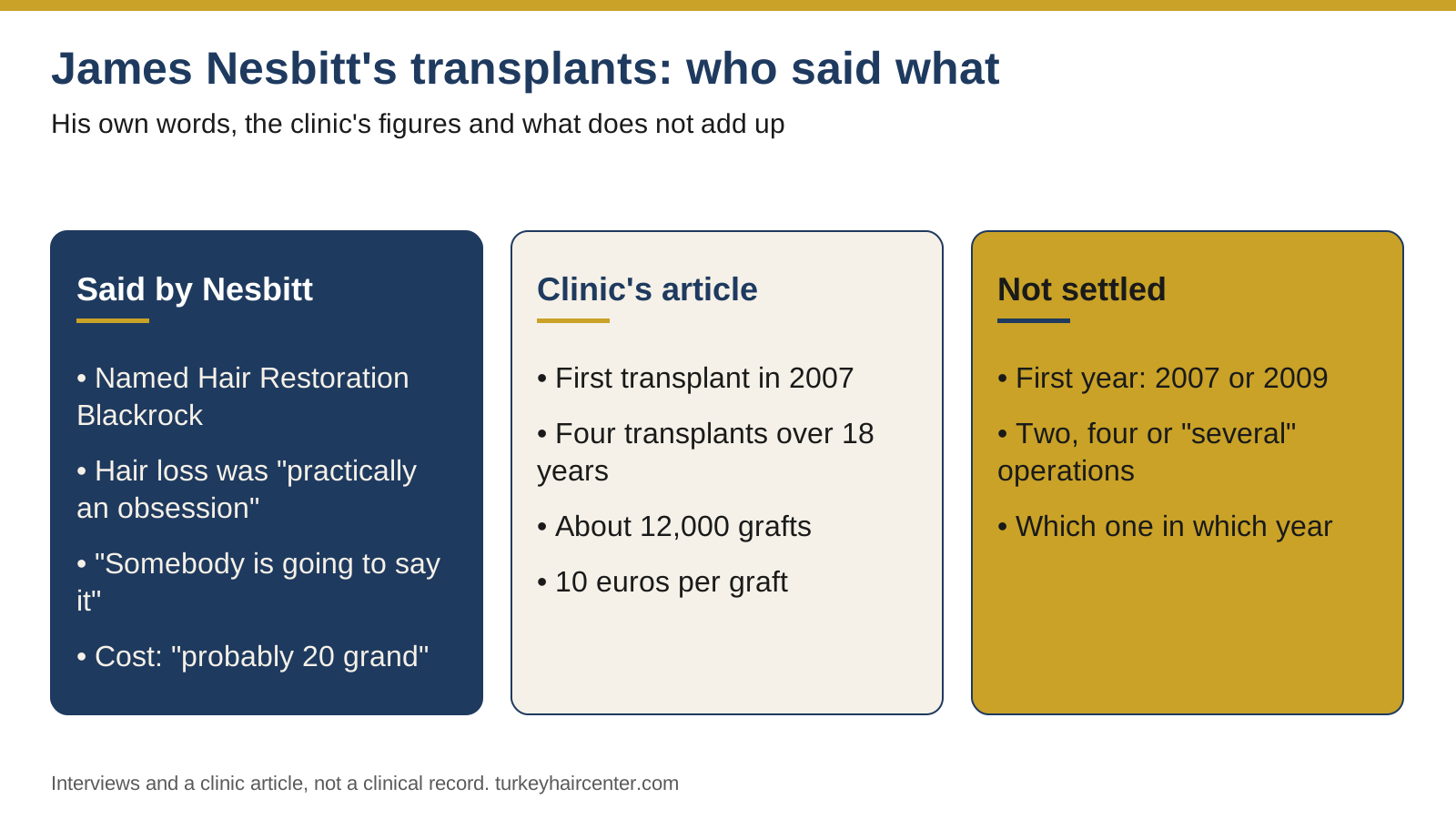
Has he confirmed it? Yes. He told the Press Association and Radio Times that he had transplants, and he recorded a video testimonial for a Dublin clinic.
Which clinic? Hair Restoration Blackrock in Dublin. Its surgeon, Dr Maurice Collins, is named by the Irish Times and by the clinic's own article.
When did it start? The clinic's article and Woman&Home say 2007. HuffPost UK wrote "since 2009". We show both.
How many procedures? Two in the early reports, four over 18 years in the clinic's later article, and "several" in his own 2017 Radio Times interview.
Why did he go public? In his words, "somebody is going to say it before I say it".
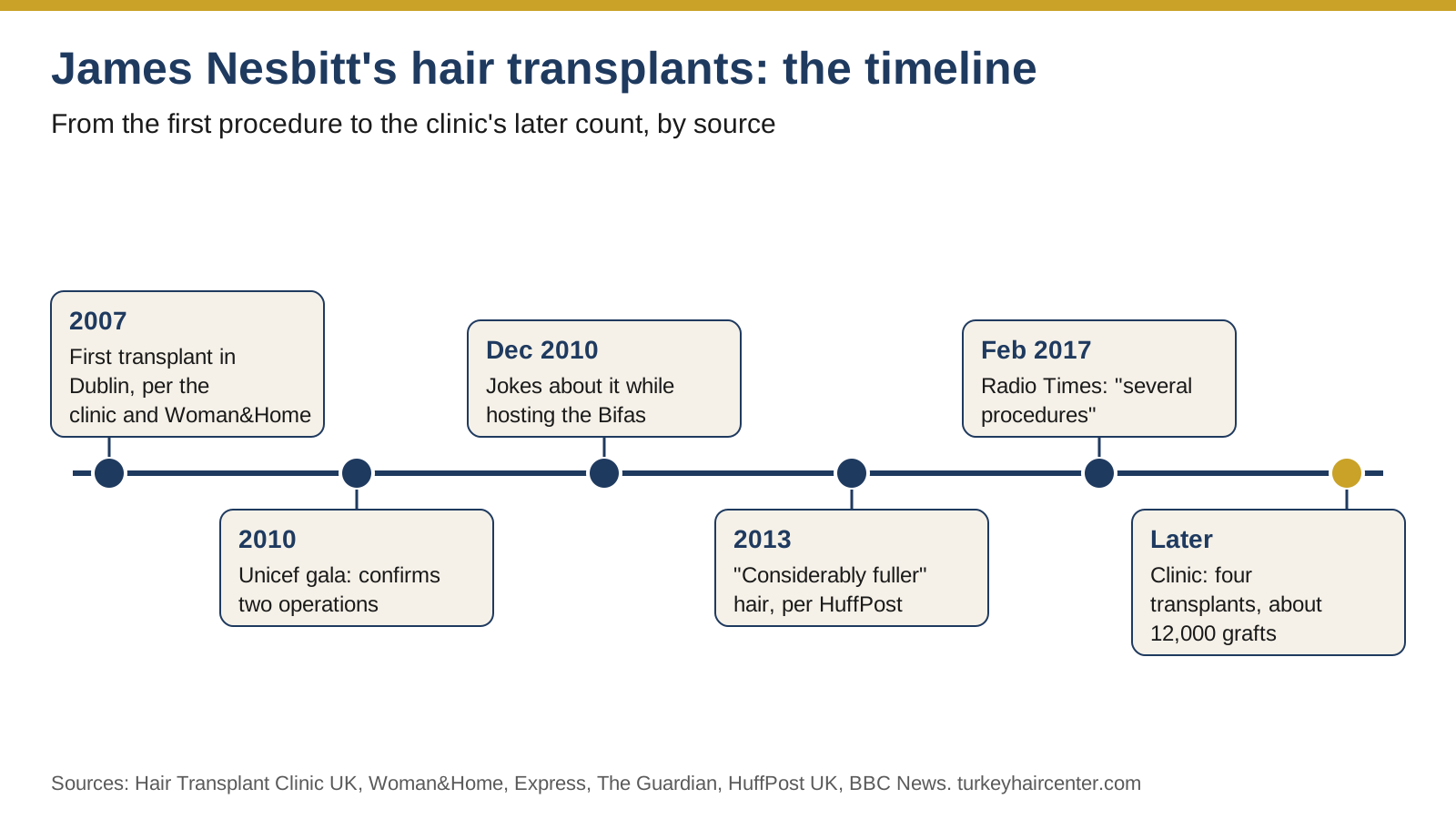
Timeline of what was reported, year by year
The table lists only dated, sourced events. Where a source gives an age instead of a year, we give the age.
When
What was reported
Source
2007
First transplant at Hair Restoration Blackrock, Dublin, according to the clinic's later article and Woman&Home
Hair Transplant Clinic UK; Woman&Home
2007
He wore a thick black wig for the lead role in the BBC drama Jekyll
HuffPost UK, 2013
2009
HuffPost UK says he has had a series of procedures "since 2009"
HuffPost UK, 2017
30.11.2010
Reported quotes about going bald, attributed to The Star, when he was 45
RTE
2010, age 45
He reveals a second transplant at a charity event in Manchester; the clinic and the press describe two operations by then
Belgravia Centre; Express
08.12.2010
He hosts the Bifas and gives the new transplant its "first public outing", according to the Guardian
The Guardian
2013, age 48
Described as having a considerably fuller head of salt and pepper hair at a Radio One Christmas party
HuffPost UK, 2013
February 2017, age 52
Radio Times interview: "several procedures over a number of years"; says he had gone public on purpose
BBC News
2017
HuffPost UK reports he has had his final procedure and says it helped his career
HuffPost UK, 2017
Later years
Clinic article after Run Away reached Netflix: four transplants over 18 years, about 12,000 grafts
Hair Transplant Clinic UK
When did he first lose hair, and where the reports disagree
The honest answer is that nobody can give one date. He has described the start of his hair loss in different ways over the years, and the outlets have summarised it differently again. We list the versions so you can see the spread.
Question
One version
Another version
When did hair loss begin?
In his early 20s (Express, Woman&Home: "in his 20s")
"Two years after leaving drama school, while still in his twenties" (Hair Transplant Clinic UK); "in his 30s" (HuffPost UK, 2017)
When was the first transplant?
2007 (Hair Transplant Clinic UK, Woman&Home)
"Since 2009" (HuffPost UK, 2017)
How many operations?
Two (Express, Belgravia Centre)
Four over 18 years (Hair Transplant Clinic UK); "several" (Radio Times via BBC)
Which technique?
Follicular unit transplantation, described as "thought" to be used (Belgravia Centre)
A strip of hair taken from the nape of the neck (HuffPost UK, 2017)
The numbers of operations are less contradictory than they look. Two operations were public in 2010. Later articles describe more, which fits a long-running treatment plan. Still, we cannot say which operation took place in which year, and no source in our list does.
The clinic he named
In the video testimonial reported by the Express, he says he visited Hair Restoration Blackrock in Dublin after a great deal of thought. He adds that he did not take the decision lightly. The Irish Times later profiled the clinic and its chief surgeon, Dr Maurice Collins. According to that article, Collins said that 95 per cent of his patients told him he was the first person they had discussed their hair loss with. He called the stigma around male hair loss the reason.
The same Irish Times piece carries a line worth remembering whatever clinic you consider: "there are no 'miracles' here". Collins said patients need realistic expectations of what the procedure can do. He also described the work as being about self-esteem and confidence, not about making a man more handsome.
One note on sources. The most detailed numbers about Nesbitt's treatment (four transplants, about 12,000 grafts, a price per graft) come from an article on the website of a clinic. A clinic has a commercial interest. We treat those figures as the clinic's statement and label them that way.
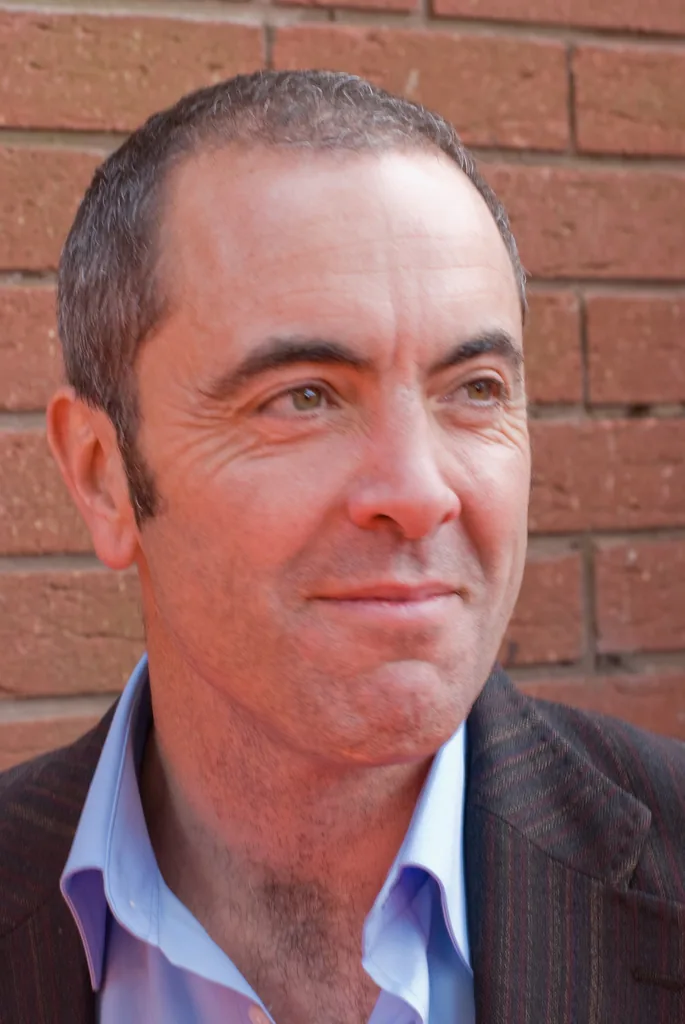
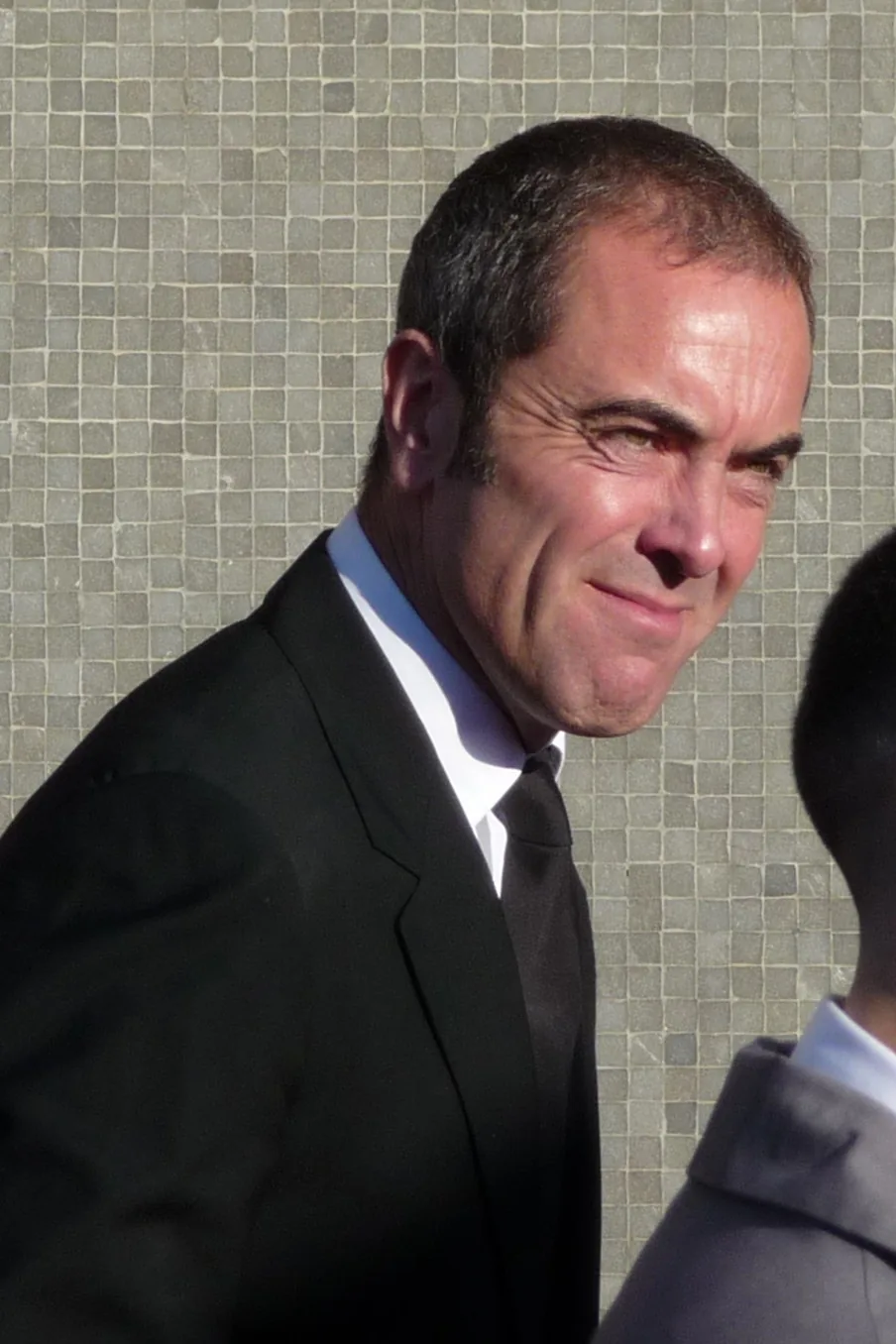
James Nesbitt at the Britannia stadium, 12.07.2008 (cropped). Photo: Richard Redshaw, CC BY-SA 2.0, via Wikimedia Commons
In his own words
Most of what is solid in this story comes from direct quotes. These are the ones that appear in more than one outlet or in a primary-style interview.
On the start of it, in the clinic video: "Several years ago, I began losing my hair and like a lot of men it was a major concern to me. In fact it was practically an obsession." (Express)
On work: "I'm an actor so I'm in the public eye a lot and I really felt that my hair loss could affect my career prospects." (Express)
On going public: "I went public with it. I was very happy to be open about it. I just thought, 'Come on, somebody is going to say it before I say it.'" (HuffPost UK)
On why it mattered to him: "It was something I struggled with. And that was probably the vanity in me." (HuffPost UK, Woman&Home)
On the result: "I never in my wildest dreams expected it would be as good as it has been." (Hair Transplant Clinic UK)
On pride: "I'm married to my own vanity and I just didn't fancy going bald." (Belgravia Centre)
Read together, they describe a man who was bothered by hair loss, linked it to his work and decided that hiding it would not suit him. He did not claim it was a medical necessity. He called it vanity himself.
How he went public
The reveal happened in stages, which is why different dates circulate.
The first stage was a charity event. The Express and the Belgravia Centre both describe him taking the stage at a Unicef gala at Manchester United's Old Trafford ground with what the Express called "a virtually full head of hair". After months of speculation, he confirmed two operations in the past few years.
The second stage was comedy. The Guardian's film blog described him hosting the Bifas in December 2010 and giving the transplant its first public outing. It noted that, instead of denying the procedure as many stars do, he joked about it. The writer took that as a sign he was delighted with how it looked.
The third stage was looking back. In 2017 he told Radio Times, as reported by BBC News, that he had had several procedures over a number of years. He said he decided to be open because someone else would mention it sooner or later.
The photographs, 2008 and 2009
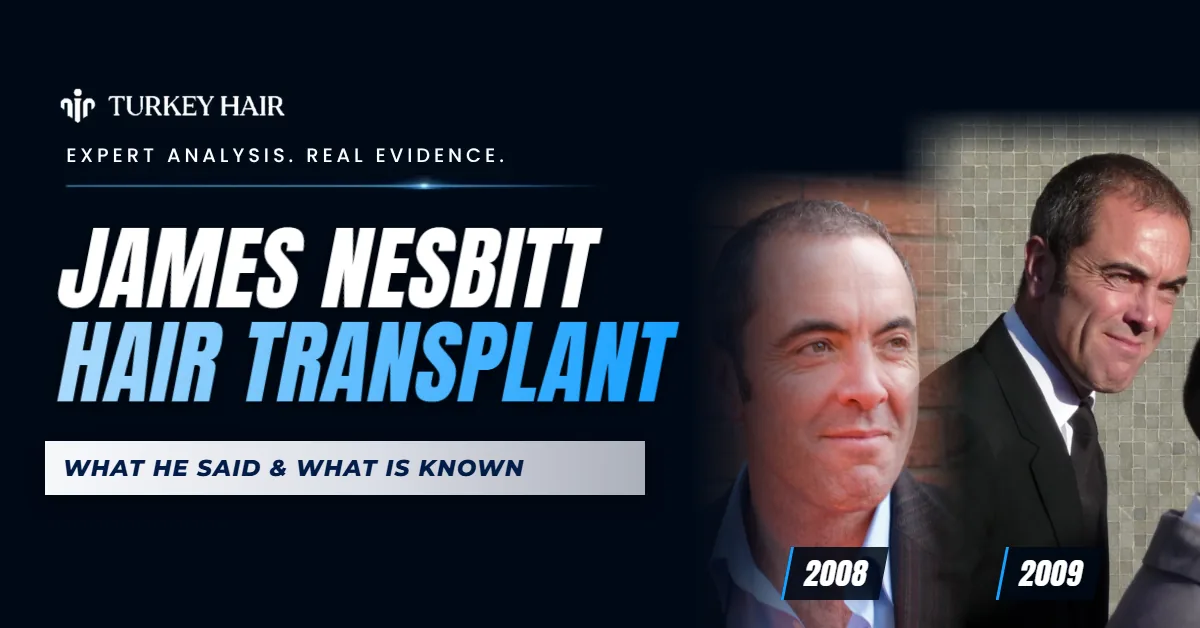
We looked for freely licensed photographs of James Nesbitt on Wikimedia Commons for every year available. Frames exist from 2007, 2008, 2009 and 2013. We show only the two that are sharp enough to read the hairline: the stadium frame from July 2008 higher up this page and the BAFTA frame from April 2009 below. The others have venue branding behind his head, are too dark, repeat the same moment or are too small, so we leave them out. We did not fill the gap with stock pictures.
These images are useful for context, not for judging a procedure. Lighting, haircuts, hats, camera distance and styling change how hair looks from one event to the next. A photo cannot tell you how many grafts were placed or when. What they do show is how the same man looked at public events across the years in which the public reveal happened.
James Nesbitt at the 2009 BAFTAs, 26.04.2009 (cropped). Photo: damo1977 from Southampton, UK, CC BY 2.0, via Wikimedia Commons
The July 2008 frame comes from a stadium event, and the April 2009 frame from the BAFTA television awards in London. Both sit between the 2007 start date in the clinic's article and the 2010 public reveal, so they show his hair during the years the treatment was under way.
How many grafts, and what the figures do and do not say
The clinic's article says Nesbitt had four transplants over 18 years, involving about 12,000 grafts, at a price it gave as 10 euros per graft. It also names the surgeon, Maurice Collins, and says the first transplant was in 2007.
Be careful with those numbers. They come from the clinic. He does not repeat them in the interviews we found. The per-graft price is the clinic's own figure and we do not know whether it applied to every operation. Prices also change over time. We do not turn the figures into a total, because no source does.
What he said about the cost
This is one of the few places where he gave a number himself. HuffPost UK quotes him saying, about the person who does the work, "The guy who does it is a genius. It's not cheap… probably 20 grand." The article does not state a currency or whether that is per procedure or in total.
Woman&Home wrote that the treatment "costs in the region of £20k a go". That is the magazine's wording, not a direct quote from him. Two separate outlets, then, point at a figure around 20,000 for his treatment, but they do not say the same thing, and we cannot reconcile them.
For comparison, the packages at Turkey Hair Center run from $2,550 to $4,500. That is our own price range and says nothing about what his procedures cost. If you want a number for your own case, the hair transplant cost page explains what the packages include.
Did the hair transplant help his career?
He thinks so. The HuffPost UK piece quotes him: "In terms of the range of leading roles I've had since then, it's probably helped." Woman&Home adds that he later said it had "changed my life". The same HuffPost piece lists lead roles in a BBC drama, the ITV medical drama Monroe and The Secret.
That is his own assessment, and it is a careful one: "probably". Acting careers depend on many things. We would not claim that a hairline caused any particular part. The reason the quote matters is that it explains his motive. He treated the decision as a work decision as much as a personal one.
There was also a light-hearted side. The HuffPost UK article says his surgery was referenced in a series of Cold Feet, when a friend of his character commented on the thicker thatch. Few actors have let a script joke about their own transplant.
Was it a wig before that?
One source mentions a wig. HuffPost UK, in 2013, says he wore a thick black wig for his lead role in the 2007 BBC drama Jekyll. That is a role costume. Nothing in the sources we read says he wore a wig as a permanent cover before or after his transplants.
What the medical literature says about male pattern hair loss
Nesbitt's story is about pattern hair loss, so the medical background matters more than the celebrity detail. Three public sources agree on the basics.
The NHS says it is normal to lose between 50 and 100 hairs a day, and that male and female pattern baldness are permanent types of hair loss that usually run in the family.
MedlinePlus describes androgenetic alopecia as a common form of hair loss. In men, hair is lost in a well-defined pattern, beginning above both temples. Over time, the hairline moves back to form a characteristic "M" shape, and hair also thins at the crown.
The NHS lists finasteride and minoxidil as the main treatments for male pattern baldness. It says finasteride for hair loss is not available on the NHS and needs a private prescription.
The NHS adds a piece of advice worth following. It says to see a GP to get an idea about what is causing your hair loss before thinking about going to a commercial hair clinic. Some hair loss comes from a medical condition or a medicine, and a transplant is not the answer to those. The Express reported that Nesbitt used Finasteride and Minoxidil before his surgeries, so his path matches the usual order: medicines first, surgery after.
Strip surgery and FUE, in plain terms
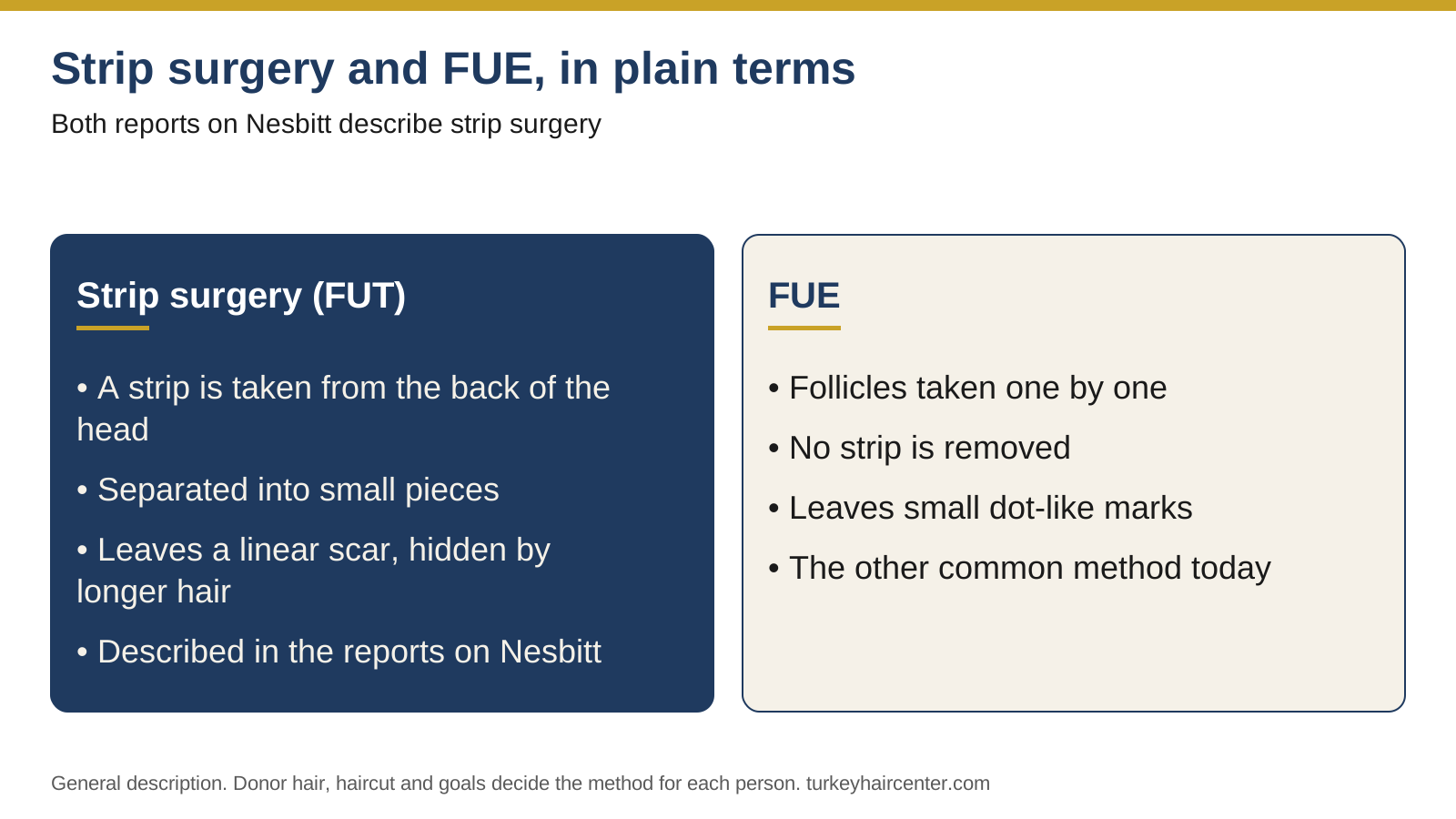
Sources describe his technique in two ways. The Belgravia Centre said it was thought to be follicular unit transplantation, where hair is taken from a thicker area at the back of the head and planted into thinning areas. HuffPost UK described a strip of hair taken from the nape of the neck, separated into pieces and placed along the front of the scalp.
Both descriptions point to strip surgery. Today the other common method is FUE, in which individual follicles are taken one by one from the donor area. FUE does not need a strip, so it generally leaves small dot-like marks instead of a linear scar. Which method suits a person depends on their donor hair, their haircut and their goals. Our FUE hair transplant page explains how our team approaches it.
A procedure Nesbitt had is not a prescription for you. He is one man with one donor area and one treatment plan, spread over years.
What to take from his story if you are thinking about a transplant
Start with a diagnosis. Confirm the cause of the hair loss before choosing surgery.
Expect more than one step. Even in his case, the reports describe several procedures over years, not one operation.
Be realistic. The surgeon the Irish Times quoted said there are no miracles.
Ask who does the work. The same article warned about commercial organisations where you end up talking to a salesperson.
Know the recovery. Read the recovery timeline before you book, so the weeks after surgery do not surprise you.
Turkey Hair Center is a Ministry of Health authorised health tourism intermediary. Our own team performs the procedure at contracted hospitals and polyclinics in Istanbul. Packages run from $2,550 to $4,500. James Nesbitt is not connected to us. This page exists because people search for his story, and we wanted the sourced version to be easy to find.
If you want to see how other well-known people have spoken about their hair, the celebrity hair transplant page collects them.
Questions people ask about James Nesbitt's hair
Where did James Nesbitt get his hair transplant?
At Hair Restoration Blackrock in Dublin. He named it in a video testimonial reported by the Express, and the Irish Times and the clinic's own article name its surgeon as Dr Maurice Collins.
Why does James Nesbitt look different?
Because of his hair. Reports from 2010 describe two transplants, and the Express called the change "dramatic regrowth". The Guardian described the new look as giving him a different "shape of his head". Haircuts, styling and lighting also change how anyone looks from one photograph to the next.
Did James Nesbitt get hair plugs?
Not in the old sense. Older "plug" surgery moved large tufts of hair. The Belgravia Centre said he was thought to have had follicular unit transplantation, and HuffPost UK described hair taken from a strip at the nape and separated into smaller pieces. Neither describes the large plugs of earlier decades.
How much do 5,000 hair grafts cost?
It depends on the clinic and the country. At Turkey Hair Center, packages run from $2,550 to $4,500, and the graft count is set after an assessment of your donor area. For reference only, the cost James Nesbitt himself mentioned was "probably 20 grand" for his treatment.
Is James Nesbitt open about his hair transplant?
Yes. He told the Press Association about his second transplant, recorded a clinic testimonial and told Radio Times he went public deliberately. In his own words, "somebody is going to say it before I say it".
How many hair transplants has James Nesbitt had?
Sources give different numbers. Two were public in 2010. A clinic article later said four over 18 years. HuffPost UK reported in 2017 that he had his final procedure. He himself said "several".
When did James Nesbitt start losing his hair?
Sources say in his twenties, and one says his thirties. The clinic's article says it began two years after he left drama school. We cannot give an exact year.
How many grafts did James Nesbitt have?
The clinic's article says about 12,000 across four transplants. He does not give a graft count in the interviews we found, so treat the figure as the clinic's statement.
Did James Nesbitt say a hair transplant helped his career?
He said it "probably helped" the range of leading roles he has had since. He also said it was something he struggled with and called that the vanity in him.
Do hair transplants leave scars?
Strip surgery leaves a linear scar at the back of the head, which is hidden by hair that is kept long enough. FUE leaves small dot-like marks. A consultation should tell you which applies to you and what haircut you can wear.
Thinking about your own hair transplant?
If his story made you want a clear answer about your own hair, send us a few photos through the contact page. Our team will tell you what is realistic for your donor area, and you can ask any question you like before deciding.
Send three photos: front, top and sides. You get a technique recommendation, a graft range and a straight answer about what is achievable, before anyone talks about price.
Your details are with the team
A patient coordinator will get back to you shortly. If you would like to send your photos now, WhatsApp is the fastest way to do it.
Real People Real Support
Send your photos on WhatsApp
Front, top and both sides, reviewed by the medical team.