Do Hats Cause Hair Loss? Evidence, Myths & Tight Headwear
Performed at authorized partner hospitals Turkey Hair Center is a Ministry of Health authorized health-tourism intermediary, not a clinic.
Hats do not cause hair loss on their own. The best evidence we have, two studies of identical twins, found no sign that wearing a hat made hair thinning worse, and the main way headwear can harm hair is by pulling on it for long periods, which is called traction alopecia. This guide explains what the twin studies actually measured, when a hat or helmet can become a problem, and when it is safe to wear one after a hair transplant.
Cover built on a photo of a person in a knitted hat seen from behind. Photo: Izzy Gerosa, CC0, via Wikimedia Commons, cropped, text and logo added.
So, do hats cause hair loss? A loose hat worn now and then will not. Tight, hot or pinned headwear worn every day may stress the follicles, and the damage can become permanent if the tension never stops. Most thinning in men and women comes from genes and hormones instead. Read on for the studies, a simple fit check and the answers to the questions people search most.
The idea that hats choke the roots and cause baldness is old and very common. It sounds logical: the hat sits tight on the scalp, the scalp sweats and the hair falls out. But the research does not back it up, and the real risks are narrower and easier to avoid than the myth suggests.
Can Wearing a Hat Cause Hair Loss?
Research has not linked ordinary hat wearing to hair loss. Medical News Today states that research has not linked wearing hats specifically with hair loss, and a dermatologist at Cleveland Clinic, John Anthony, MD, says the topic "has not been well-studied". What exists is a small body of evidence, plus one well-understood risk from pulling, covered below.
What most hair loss comes from is not the hat. The NHS explains that male and female pattern baldness is the most common cause, that it runs in the family and that it is permanent. Temporary causes include illness, stress, cancer treatment, weight loss and a lack of iron. If you are losing hair and wear a hat every day, the hat is rarely the first suspect. Our guides on male pattern baldness and DHT and hair loss explain the usual cause.
A hat can be a symptom of hair loss rather than a cause. Many people start wearing one because they notice thinning, and later blame the hat. If your hairline or crown is changing, the pattern of loss tells you more than your headwear does.
What Do the Twin Studies Say About Hats and Hair Loss?
The two studies people quote most are by Gatherwright and colleagues, who compared identical twins. Because identical twins share their genes, differences in daily habits stand out more clearly. Neither study found that hats made hair loss worse.
Study
Who took part
What they looked at
Result for hats
Gatherwright 2013, Plastic and Reconstructive Surgery
92 male identical twins
Habits such as smoking, alcohol, exercise, dandruff, hat use and hair products
Daily hat use was associated with less hair loss at the temples (p = 0.050)
Gatherwright 2012, Plastic and Reconstructive Surgery
98 female identical twins
Similar lifestyle and environment factors
Absence of hat use was associated with more hair loss at the front (p = 0.017)
There are limits to what these results mean:
They show an association, not a cause. The studies compared twins; they did not give people hats and wait.
The male result is borderline. A p value of 0.050 sits right on the usual cut-off, so it is a hint, not proof that hats protect.
They are old. They date from 2012 and 2013, and we found no newer study of the same kind.
They do not test tight or hot hats. Neither study separated a snug cap from a loose one.
The same male study found other factors linked to hair loss. Longer smoking and dandruff were associated with more loss at the front of the scalp. Exercise, more than 4 alcoholic drinks a week and spending more on hair products were associated with more loss at the temples. These are links, not proof of cause, but they show how many everyday factors compete with headwear.
Can a Hat Ever Damage Your Hair?
Yes, but only in specific ways, and the hat itself is usually not the main problem. Cleveland Clinic names three situations where headwear and hair loss can meet.
Very tight or very hot hats. Dr. Anthony says it is possible that very tight or very hot hats could reduce blood flow to the follicles or put tension on them. He describes this as a theoretical risk. He adds that the loss would be temporary at first but could become permanent over time.
Tight hairstyles under the hat. A tight ponytail, braid or bun pulled back to fit under a hat can cause traction alopecia. Cleveland Clinic says the risk comes from the pulling, not the hat.
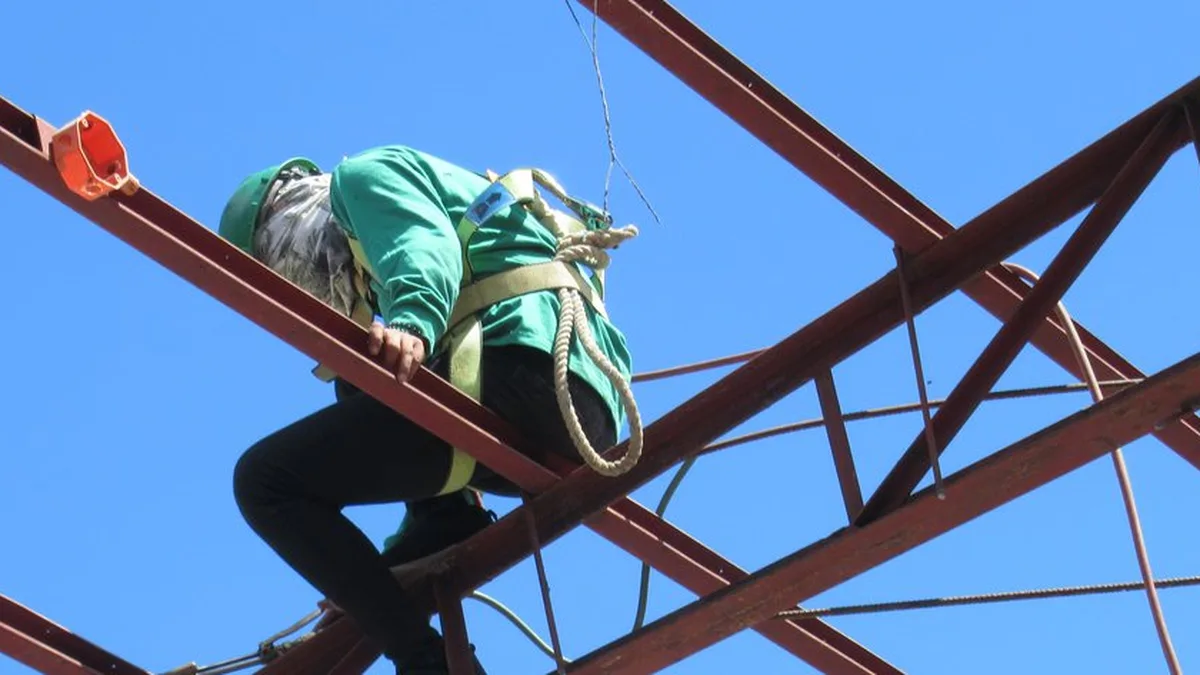
Pins and fixed headwear. Clips and pins that hold a head covering in place, and helmets or hard hats worn for work, can pull on the same spots day after day.
The irritation theory is the least proven of the three. Cleveland Clinic also mentions a scalp that becomes itchy and inflamed after hat wearing as a possible risk. If your scalp itches under a hat, our guide to the causes of an itchy scalp lists what to check.
Traction alopecia is hair loss caused by repeated or long-lasting pulling on the hair. A 2018 review in Clinical, Cosmetic and Investigational Dermatology by Billero and Miteva found that the risk rises with how hard the hair is pulled and how long the pulling goes on. It also noted that it can occur with religious and occupational hairstyling that keeps tension on the hair.
The stage at which it is caught matters a great deal:
Early stage: hair may start to grow back if the source of tension is removed, according to Cleveland Clinic.
Late stage: if the pulling continues for years, follicles can scar and the loss can become irreversible, as the 2018 review describes.
Common triggers: tight ponytails, braids and buns, pins that hold a cap or head covering, and helmets or hard hats worn all day.
Traction alopecia is most often seen in Black women, but Cleveland Clinic says it can happen to anyone. Our guide to traction alopecia covers the signs, such as a receding edge, small bumps and thinning where the pulling happens, and when to see a doctor.
Headwear or habit
Risk to hair
What to do
Loose cap, bucket hat, sun hat
Low; no study has linked loose hats to hair loss
Wear as you like and wash the band
Tight baseball cap or knit cap worn daily
Possible, mainly from pressure and heat; not proven
Choose a looser fit or a larger size
Hat over a tight ponytail, bun or braids
Higher; the pulling comes from the hairstyle
Wear hair loose or in a low, soft style
Pins or clips holding a cap or head covering
Higher where the pins sit
Move the pins to new spots each day
Helmet or hard hat for a full shift
Possible from friction and tension, especially with tight styles
Check the fit and ask a dermatologist if you wear it daily
Is Wearing a Hat Every Day Bad for Your Hair?
Not if it fits well. Cleveland Clinic says an occasional hat will not contribute to hair loss, but it is not clear whether very frequent hat wearing will. Its dermatologist suggests that a loosely fitting option may be a safer bet than a tight-knit cap or a tight baseball hat.
A few simple habits lower the risk if you wear a hat daily:
Check the fit. The hat should not leave a deep mark on your forehead or hurt when you take it off.
Keep your hairstyle loose underneath. Avoid pulling hair into a tight knot just to make the hat sit.
Give your scalp a break. Take the hat off when you are indoors or in the shade.
Watch the edges. If hair along your hairline looks thinner or the skin looks sore, change the fit or style first.
If you must wear one type of covering every day, for work or for religious reasons, Cleveland Clinic advises talking to a dermatologist about keeping your hair as protected as possible over the long run.
Do Hats Cause a Receding Hairline?
No evidence shows that a hat causes a receding hairline. A receding hairline in men is most often the first sign of male pattern baldness, which is driven by genes and the hormone DHT, not by what sits on the head. The 2013 twin study even found slightly less loss at the temples among daily hat wearers, though that result was borderline.
The one exception is traction. If a tight hat, pins or a tight hairstyle keeps pulling on the hairline, the edges can thin where the tension falls. This looks different from pattern baldness: it follows the line of the pull rather than the typical M shape. If you are unsure which one you have, a clear photo of your hairline is the best starting point.
Can You Wear a Hat After a Hair Transplant?
Yes, but only a loose one, and only when your medical team says it is safe. On our recovery timeline, a loose hat is usually possible after day 7 to 14, and tight caps are avoided until the scalp has healed further. In the first days the grafts are fragile, so pressure and friction on the recipient area are the problem.
Here is how our own guides describe it:
Early healing: tight hats are generally avoided, because pressure and friction can disturb new grafts.
Once approved: a loose, clean hat that sits gently above the grafts may be an option for short outings. Ask your surgical team first.
Helmets and hard hats: these need clearance from your doctor, because friction can damage fresh grafts.
See a dermatologist if your hair loss is sudden, patchy, painful or comes with redness, scaling or sores. Do the same if thinning keeps going after you change your headwear and hairstyle. A doctor can tell traction from pattern baldness or another cause, and early advice matters because traction loss can become permanent. If your scalp hurts as well as thinning, read our guide on scalp pain and hair loss.
Frequently Asked Questions
Do Hats Cause Hair Thinning?
Not in ordinary use. Research has not linked hats to hair thinning, and two twin studies found no sign that hats made it worse. Tight or pinned headwear and tight hairstyles worn every day are the real risks, because they can pull on the follicles.
Will Wearing a Hat Cause Hair Loss?
A hat worn now and then will not. Cleveland Clinic says the occasional hat does not contribute to hair loss. The risk grows with tightness, heat and daily wear over a long time.
Can Wearing a Hat Cause Baldness?
No evidence shows that hats cause baldness. Male and female pattern baldness are driven by genes and hormones, and the NHS says it runs in the family. A hat does not change that. Traction from tight headwear can cause local thinning, but that is different from pattern baldness.
Will Hair Grow Back If I Stop Wearing Hats?
If the cause was traction caught early, hair may start to grow back once the tension is removed, according to Cleveland Clinic. If the cause was pattern baldness, stopping hats will not bring hair back, because the NHS describes that type as permanent. A dermatologist can tell you which one you have.
Is It Unhealthy to Wear a Hat All the Time?
There is no proof that it harms your hair if the fit is loose and your hairstyle is not tight underneath. Cleveland Clinic says it is not clear whether frequent hat wearing contributes to hair loss, so a loose fit and regular breaks are the sensible choice.
Can You Wear a Hat After a Hair Transplant?
Only when your surgical team says it is safe. Our recovery timeline lists a loose hat as usually possible after day 7 to 14, and tight caps are avoided until the scalp has healed further.
Which Type of Hat Is Safest for Hair?
A loose fit is safer than a tight one, according to Cleveland Clinic, which names a bucket hat as an easy-breezy example of a loose option. Whatever the style, avoid anything that digs into the skin or needs pins to stay on.
Worried About Thinning Under Your Hat?
If your hairline or crown is thinning and you are not sure whether it comes from your headwear, your genes or something else, send clear photos for a free hair analysis, and the medical team will tell you what they see. You can also read about male pattern baldness to see how the usual pattern develops.
A person in a baseball cap seen from behind. Photo: Crown Labs Agency, CC0, via Wikimedia Commons, cropped.
Medical disclaimer: This article is for informational purposes only and is not medical advice. Individual results and recovery vary from person to person. Always follow the written aftercare plan from your own medical team.
Send three photos: front, top and sides. You get a technique recommendation, a graft range and a straight answer about what is achievable, before anyone talks about price.
Your details are with the team
A patient coordinator will get back to you shortly. If you would like to send your photos now, WhatsApp is the fastest way to do it.