Seborrheic Dermatitis Scalp: Symptoms, Causes & Hair Loss
Performed at authorized partner hospitals Turkey Hair Center is a Ministry of Health authorized health-tourism intermediary, not a clinic.
Seborrheic dermatitis of the scalp is a common, long-lasting skin condition that causes red, itchy skin and greasy or white-yellow flaking on the oily parts of the head. It is not contagious, it is not caused by dirty hair, and it can be controlled with treatment but not cured.
Cover built on a photo of dark hair with visible scalp flakes. Photo: Hmochoa95, CC BY-SA 3.0, via Wikimedia Commons, cropped, text and logo added.
The flaking is often mistaken for plain dandruff, and the red patches can look like scalp psoriasis. This guide explains what the condition is, what causes it, how to tell it apart from dandruff and psoriasis, which treatments doctors use, whether it makes hair fall out and what it means if you are thinking about a hair transplant.
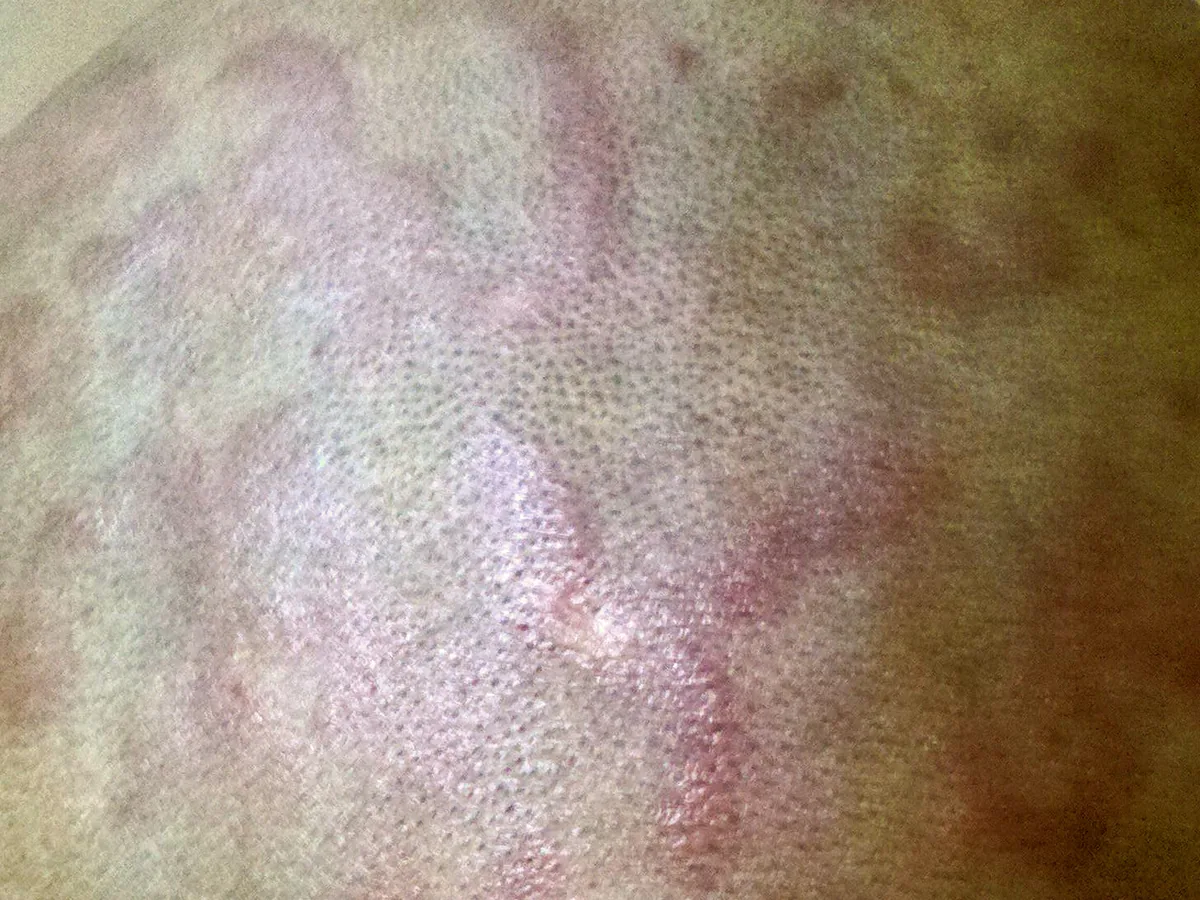
A doctor can usually recognise it by how it looks and where it sits, so a skin test is rarely needed. The sections below show what to look for.
What Is Seborrheic Dermatitis of the Scalp?
Seborrheic dermatitis is an inflammatory skin condition that affects the "oily" areas of the skin, the places with many oil glands. The American Academy of Dermatology (AAD) describes it as a common condition that causes a scaly rash on oily areas such as the scalp and face. The British Association of Dermatologists (BAD) says the word "seborrhoeic" refers to the greasy, or sebaceous, skin zones such as the face, scalp, centre of the chest and back.
DermNet, a clinical reference run by dermatologists in New Zealand, calls it a chronic or relapsing condition and gives a figure of about 3% to 12% of people affected.
It also has other names. You may see it written as seborrhoeic dermatitis (the UK spelling), seborrheic eczema, "seb derm" or, in babies, cradle cap. They describe the same condition.
Three points are worth knowing from the start:
It is not an infection you can catch. The AAD states plainly that seborrheic dermatitis is not contagious.
It is not a hygiene problem. The AAD says it is not caused by unclean skin, and the NHS says dandruff in general is not caused by poor hygiene.
It comes and goes. It tends to relapse, which is why long-term management matters more than a single course of shampoo.
Seborrheic dermatitis is most likely to start in one of three life stages, according to the AAD: infancy (2 to 12 months of age), adolescence, or adulthood, usually from the 30s onward. The AAD also notes that men are more likely to have it than women worldwide.
Seborrheic Dermatitis Scalp Symptoms
The signs vary from a few flakes to thick, crusted patches. The AAD lists dry, flaky skin that is more noticeable where there is hair or a rash, and the NHS describes scaly, itchy and red patches on the scalp, face and other areas. The BAD adds that the skin can look red, lighter or darker than the surrounding skin, with yellow flaking on the surface.
Typical signs on the scalp include:
White or yellowish flakes that fall onto the shoulders, often worse on dark clothing
Greasy-looking scale stuck to the scalp
Red or discoloured skin underneath the scale
Itching
Patches that spread beyond the hairline
The rash is not limited to the head. In adults the AAD lists the forehead, the skin between and underneath the eyebrows, the eyelids, behind and inside the ears, the sides of the nose, the beard area, the back of the head and neck, and the chest. If your scalp is itchy and nothing else is going on, our guide to the causes of an itchy scalp covers the other possibilities.
The exact cause is not fully known. The AAD says yeast that lives on the skin and the skin's own oil (sebum) play a role. The yeast is called Malassezia, and it is a normal resident of healthy skin.
The BAD explains that in seborrheic dermatitis the yeast is found in higher amounts, and that current thinking points to a weakened skin barrier and extra sensitivity to oleic acid, a fatty acid the yeast produces, which results in inflammation. DermNet adds that Malassezia enzymes split fatty acids from sebum, and these may trigger the inflammation.
A review of the Malassezia genus in the journal Clinical Microbiology Reviews (Gaitanis and colleagues, 2012) notes that the exact role of the yeast in aggravating the condition is still under investigation, so the picture is not settled.
Two things follow from this:
It is a reaction, not an infection. The BAD points out that the yeast on the skin is not the same as the yeasts that cause thrush or that are found in food.
It is not an allergy. The AAD says seborrheic dermatitis is not an allergy.
Some people are more prone to it. The AAD lists Parkinson's disease, epilepsy, HIV infection, lymphoma, depression, Down syndrome, heavy alcohol use, and having rosacea or psoriasis. DermNet also lists oily skin and a family tendency. If you want the yeast side explained in more detail, read our page on a scalp yeast infection.
Seborrheic Dermatitis vs Dandruff vs Scalp Psoriasis
These three are the ones people confuse most. A review by Borda and Wikramanayake (2015) describes dandruff and seborrheic dermatitis as points on one continuous spectrum, and the AAD says dandruff may be considered the mildest form of seborrheic dermatitis. The difference is inflammation: according to the AAD, seborrheic dermatitis involves inflammation, dandruff does not.
Dandruff
Seborrheic dermatitis
Scalp psoriasis
Skin underneath
Not inflamed
Red or discoloured, itchy
Well-defined, red, thickened patches
Scale
Loose white flakes
Greasy, yellow or white flaking
Silvery-white scale (NHS: "red, flaky, crusty and sore")
Where it sits
Scalp
Scalp, face, ears, eyebrows, chest
Scalp, often back of the head, and can extend onto forehead, ears or neck
Hair loss mentioned by sources
No
Not listed by the AAD or BAD
Temporary, localised hair loss in severe cases (DermNet)
Sources: AAD, NHS, BAD and DermNet pages listed under References.
Sometimes a person has both seborrheic dermatitis and psoriasis, which the AAD calls sebopsoriasis. If you are not sure which one you have, a dermatologist can tell, and a skin biopsy can be suggested when the diagnosis is in doubt (BAD). Our dedicated page on scalp psoriasis covers that condition in full.
One more look-alike is worth naming. The NHS lists scalp ringworm (tinea capitis) as a cause of a red or silver scalp rash, sometimes with patchy hair loss. If you see bald patches along with scaling, do not assume it is seborrheic dermatitis.
What Triggers a Flare?
A flare is a period when symptoms get worse after a calmer spell. The AAD says flare-ups are often seasonal, with most occurring in winter and early spring, and that many people also flare when stressed. The BAD lists tiredness, stress and cold, dry weather as triggers.
The AAD names these common triggers:
Stress
Cold, dry weather
Hot showers and baths, especially in cold, dry weather
Harsh detergents, strong soaps, solvents or chemicals on the skin
Becoming sweaty
Skin and hair products that contain alcohol
The AAD recommends alcohol-free skin and hair care products for this reason. Keeping a short diary of what you used, how stressed you were and what the weather was like can show your own pattern, and a pattern is worth showing your doctor.
Does Seborrheic Dermatitis Cause Hair Loss?
The honest answer is that it is not established as a direct cause of permanent hair loss, but the two are linked in studies. Neither the AAD nor the BAD pages lists hair loss as a feature of seborrheic dermatitis, while the same organisations describe hair loss separately as a different problem.
What research does show is an association with pattern hair loss. A 2025 study in the Indian Dermatology Online Journal (Menteşoğlu and colleagues) examined 311 adults with androgenetic alopecia and found seborrheic dermatitis in 131 of them (42.1%). The seborrheic dermatitis severity scores rose significantly as the hair loss became more severe, although the rise in how many people had it was not statistically significant.
The authors note that the study was small and cross-sectional, which means it cannot show that one causes the other. They conclude that seborrheic dermatitis may affect the way pattern hair loss develops and how severe it becomes.
In practice this means:
Flaking and redness on a thinning scalp are worth treating, because inflamed skin is not a healthy base for hair.
Treating the scalp will not reverse genetic thinning. Pattern hair loss needs its own assessment.
Treatment aims to calm the yeast and the inflammation and to keep flares away. The AAD says there is no cure, but treatment can help. Which product suits you, how strong it should be and how often it should be used is for a doctor or dermatologist to decide, so this section describes the types only.
The main groups in the AAD and DermNet pages are:
Medicated shampoos. These include anti-dandruff shampoos and tar shampoos. The AAD warns that tar shampoos can discolour light, bleached or tinted hair.
Antifungal products. Topical antifungals act on the yeast. The AAD notes that the FDA has approved topical ketoconazole for seborrheic dermatitis in people aged 12 and over with a healthy immune system.
Zinc soap. The AAD says washing with zinc soap is often recommended.
Keratolytics. DermNet lists these, which help loosen thick scale.
Mild corticosteroids. The AAD says a dermatologist may add a corticosteroid if an antifungal or dandruff shampoo fails to clear the skin or scalp.
Calcineurin inhibitors. DermNet lists these as another prescription option.
Corticosteroids need particular care. DermNet lists skin thinning from steroid use among the complications of treatment, which is a reason not to self-prescribe them. For the antifungal shampoo most people ask about, we have a separate page on ketoconazole shampoo, so it is not repeated here.
A doctor or dermatologist decides the treatment, and no online guide, including this one, can replace that.
Everyday Scalp Care
Self-care will not replace treatment, but it makes flares easier to manage. The AAD advice includes:
Use alcohol-free skin and hair products, because alcohol can cause a flare-up
Avoid very hot water, which can dry the skin and scalp
Follow your dermatologist's advice on how often to shampoo
Avoid harsh detergents, strong soaps and solvents
Do not scratch or pick at the scale. Doing so can irritate the skin, and DermNet lists secondary infection as a possible complication of the condition.
Seborrheic Dermatitis and Hair Transplant Timing
If you are planning a transplant, scalp condition matters, because the procedure is done on the scalp skin. We did not find a published guideline in the sources checked for this guide that sets a fixed waiting time between controlling seborrheic dermatitis and having a hair transplant, so we do not quote one.
What we can say is how the question is handled in practice at Turkey Hair Center. The medical team reviews clear scalp photos, asks about your diagnosis and your current treatment, and a doctor at the partner hospital examines the scalp before any plan is made. Turkey Hair Center is a Ministry of Health authorized health-tourism intermediary, and the procedure itself is carried out by its team in contracted hospitals and polyclinics in Istanbul.
Active redness, heavy scale or an unclear diagnosis are reasons for the doctor to ask for treatment or a dermatology opinion first.
If thinning is your main concern, the first step is working out whether the pattern looks like androgenetic alopecia. You can read how the FUE hair transplant works and what influences the hair transplant cost before you decide.
When to See a Doctor
Seek a dermatologist or your GP if:
The scalp is red, swollen or painful. The NHS advises seeing a GP in this case.
Symptoms persist after using an anti-dandruff shampoo (also NHS advice).
You see bald patches, not just flakes.
The rash is spreading to your face, ears or chest and you are not sure what it is.
You think it might be psoriasis, which needs a different approach.
Flares keep returning and are affecting your sleep or confidence. DermNet lists psychosocial impact among the effects of the condition.
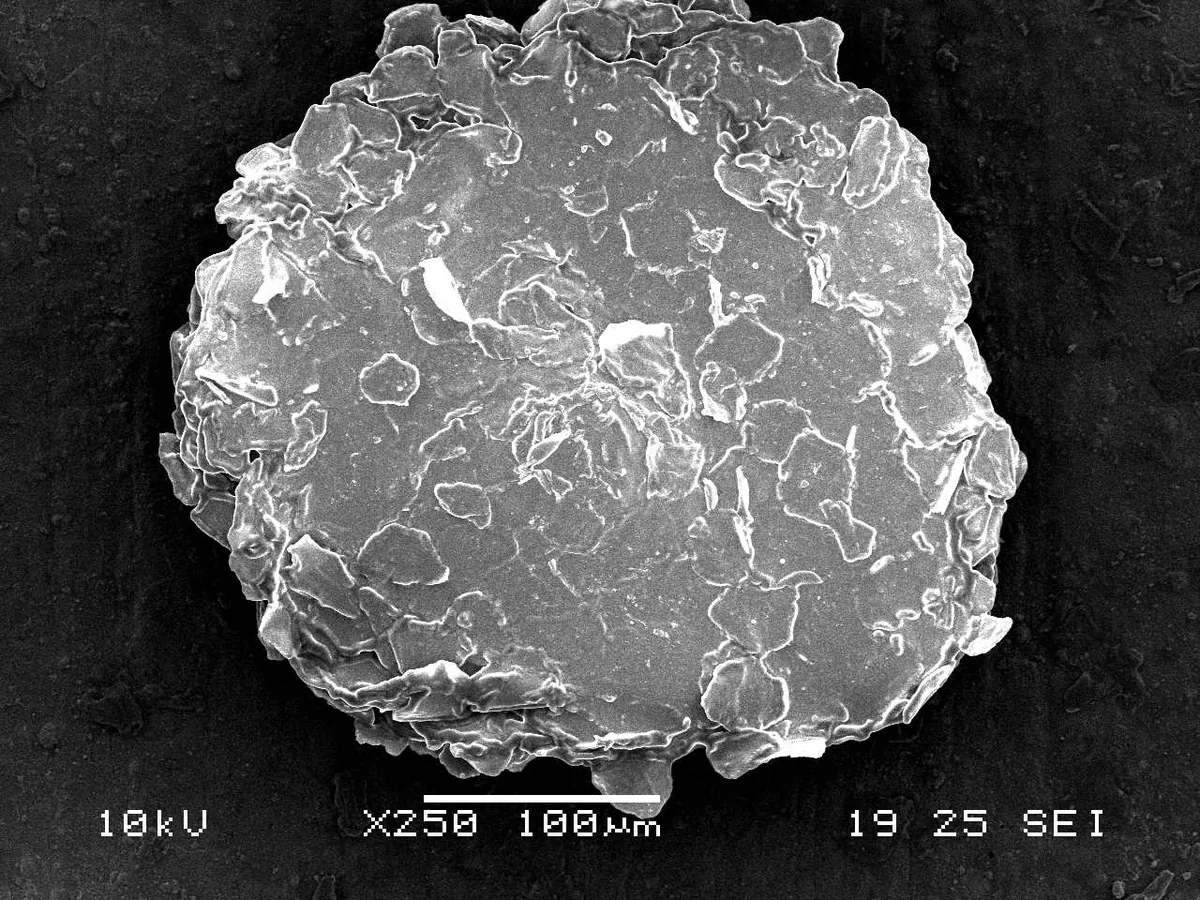
A single dandruff flake under a scanning electron microscope, made of many skin cells stuck together. Photo: Horoporo, CC BY-SA 3.0, via Wikimedia Commons, cropped.
This guide is general information and not a diagnosis or treatment plan. Medicines, shampoo strengths and how often to use them are decided by a doctor or dermatologist. See a doctor if the scalp is red, swollen or painful, if bald patches appear, or if symptoms do not improve.
Frequently Asked Questions
Is Seborrheic Dermatitis of the Scalp Contagious?
No. The AAD states that seborrheic dermatitis is not contagious, and the yeast involved lives on normal skin. You cannot catch it from a pillow, brush or another person.
Is Seborrheic Dermatitis the Same as Dandruff?
They are closely related. The AAD says dandruff may be considered the mildest form of seborrheic dermatitis, and a 2015 review describes the two as one continuous spectrum. Seborrheic dermatitis involves inflammation, so the skin is red and often itchy, while dandruff does not.
Does Seborrheic Dermatitis Go Away on Its Own?
It is a long-term condition that comes and goes. The AAD says there is no cure but that treatment can help, and flares are often seasonal. Many people find their scalp calms in warm, humid weather and flares in winter.
Is Seborrheic Dermatitis Caused by Poor Hygiene?
No. The AAD says it is not caused by unclean skin. Washing harder or more often does not remove the cause, and very hot water can dry the scalp.
Can Seborrheic Dermatitis Cause Hair Loss?
It is not established as a direct cause. A 2025 study of 311 adults with pattern hair loss found that seborrheic dermatitis was more severe in those with more advanced thinning, but the design cannot prove cause and effect. Patchy bald areas with scaling should be checked, because scalp ringworm can look similar.
Is Seborrheic Dermatitis a Fungal Infection?
Not in the usual sense. The yeast Malassezia lives on healthy skin, and in seborrheic dermatitis the BAD says it is found in higher amounts and the skin reacts to it. It is not the same yeast that causes thrush.
Can I Have a Hair Transplant With Seborrheic Dermatitis?
That is decided case by case after a doctor examines the scalp. We found no published guideline that gives a fixed waiting time, so the medical team reviews photos and your treatment first, and a doctor decides whether the scalp should be treated before surgery.
Worried About Thinning as Well as Flaking?
If your scalp is flaky and your hair also looks thinner at the hairline or crown, it helps to know which problem is which. Send clear photos for a free hair analysis, and the medical team will tell you what they see.
Medical disclaimer: This article is for informational purposes only and is not medical advice. Individual results and recovery vary from person to person. Always follow the written aftercare plan from your own medical team.
Sources and medical review
American Academy of Dermatology. Seborrheic dermatitis: overview, symptoms, causes, treatment and self-care. aad.org patient pages
Send three photos: front, top and sides. You get a technique recommendation, a graft range and a straight answer about what is achievable, before anyone talks about price.
Your details are with the team
A patient coordinator will get back to you shortly. If you would like to send your photos now, WhatsApp is the fastest way to do it.