What Is a Trichologist? Role, Training & When to Go
Performed at authorized partner hospitals Turkey Hair Center is a Ministry of Health authorized health-tourism intermediary, not a clinic.
A trichologist is a specialist in the hair and scalp who assesses and treats hair and scalp problems, but in most cases is not a medical doctor and cannot prescribe medicine. A dermatologist, by contrast, is a physician who specializes in the skin, hair and nails.
The Institute of Trichologists, the UK body that has trained and certified trichologists since 1902, says in its own words that trichologists "are not medically qualified". This guide explains what that means in practice, how trichologists differ from dermatologists and GPs, what training to look for, what a first appointment involves and how to find one near you.
What Does a Trichologist Do?
The word comes from the Greek trikhos, meaning hair. The Institute of Trichologists (IOT) describes clinical trichology as the diagnosis and treatment of disorders and diseases of the scalp and hair, and says the approach is not alternative medicine, because the diagnostic methods and treatments are no different from those used in orthodox medicine.
In practice a trichologist takes a detailed history, examines the hair and scalp, works out the likely cause and recommends a plan. That plan can include home care, lifestyle changes, further tests, in-clinic treatment or a referral to a GP or another healthcare professional.
The IOT lists the situations a trichologist may deal with:
Hair loss or breakage, including sudden or long-term shedding
Autoimmune or scarring hair loss conditions and certain skin conditions of the scalp
Hair shaft defects that cause breakage or make hair hard to manage
Excessive unwanted hair, known as hirsutism and hypertrichosis
Hair loss linked to iron deficiency, childbirth, fever, drugs or endocrine problems such as thyroid disease
Counselling for people considering a hair transplant or other hair replacement procedure
Some of these are not curable but can be controlled, and the IOT says others must be referred to a medical practitioner, for example fungal or bacterial infections of the skin.
Is a Trichologist a Doctor?
Usually not. The IOT states that trichologists are not medically qualified but receive training of a clinical and medical nature specific to the hair and scalp. It compares the situation to chiropodists, who specialize in the feet without being doctors. The exceptions are members who enter trichology with an existing medical qualification.
Because most trichologists are not physicians, they cannot order biopsies or prescribe medication themselves. The IOT says that where needed they refer to a medical professional for blood tests, biopsies or prescription medication. The rules differ between countries, so check what a practitioner in your country is permitted to do before you book.
A 2018 paper in Skin Appendage Disorders by Trüeb and colleagues makes the same distinction from the medical side. It argues that the strictly medical discipline of hair and scalp care belongs to physicians, who can counsel patients, prescribe medication, examine them and order laboratory tests. It notes that the term dermatotrichologist was proposed in 2010 for board-certified dermatologists who deal with hair, and suggests "trichiatrist" by analogy with the way a psychiatrist differs from a psychologist.
Trichologist vs Dermatologist vs GP
The table compares the three professionals you are most likely to be choosing between.
Trichologist
Dermatologist
GP
Medical doctor
Usually no
Yes
Yes
Focus
Hair and scalp only
Skin, hair and nails
General health
Can prescribe medicine
Generally no
Yes
Yes
Tests and biopsies
Refers on
Can arrange
Can arrange or refer
Best first stop for
Hair-focused advice and a long consultation
Suspected scalp disease or scarring hair loss
A first check of general causes
The IOT points out one practical difference. A dermatologist covers the whole skin, and it says NHS dermatologists are under pressure to see suspected skin cancer patients quickly, so a scalp problem may involve a long wait. A trichologist focuses only on the scalp and hair.
Who Should You See First?
For most people in the UK the NHS advice is to start with a GP. The NHS says to see a GP to get an idea of what is causing your hair loss before thinking about going to a commercial hair clinic. A GP can often tell a lot from looking at the hair and can discuss which treatments are available.
Hair loss is usually not a sign of anything serious. The NHS notes that it is normal to lose 50 to 100 hairs a day and that some types, such as male and female pattern baldness, run in families. Other types are temporary and follow illness, stress, weight loss or iron deficiency. Our guide to telogen effluvium explains the most common temporary shed.
A reasonable order for many people is:
See a GP if you are worried, particularly if the loss is sudden, patchy or comes with symptoms elsewhere.
Ask for a dermatologist referral if a scalp disease or scarring loss is suspected.
Book a trichologist when you want a long, hair-focused assessment and a care plan, or advice alongside medical care.
What Qualifications Should a Trichologist Have?
In the UK the IOT is the longest-established provider of trichology education and certification. Its Level 5 course, accredited by NCFE, is a two and a half year distance learning programme backed by clinical practice, and the IOT states that it includes 126 hours of hands-on patient interaction.
The letters after a name tell you the level of registration:
AIT: Associate Member, usually recently qualified and completing a 2 year mentorship
RIT: a full registrant approved after the preceptorship programme
FIT: a Fellow, recognised for outstanding contribution to the Institute or for research
The IOT's UK register is accredited by the Professional Standards Authority (PSA) under its Accredited Registers programme. Registrants must follow a code of professional practice, hold indemnity insurance and keep up continuing professional development. The IOT says it requires a minimum of 10 hours of CPD each year. Other providers of trichology education exist, including the World Trichological Society and the International Association of Trichologists, so ask any practitioner which body trained and registered them.
The IOT describes a first visit that often lasts about an hour. Your trichologist will discuss your medical history, current medications, diet and lifestyle, then examine your hair and scalp. They may ask you not to wash your hair on the morning of the appointment so they can see it in its natural condition.
Bring the following to get the most from the visit:
Copies of any recent blood test results
A list of all medicines and supplements you take
The hair and scalp products you currently use
Dated photos showing how your hair looked before the change began
A short note of when the shedding or thinning started
Afterwards the trichologist explains the findings and recommends a course of action, which may include a home treatment programme, lifestyle changes, further tests, in-clinic treatment or a referral to your GP. Fees vary by location because registrants run independent clinics, so ask for the cost before you book.
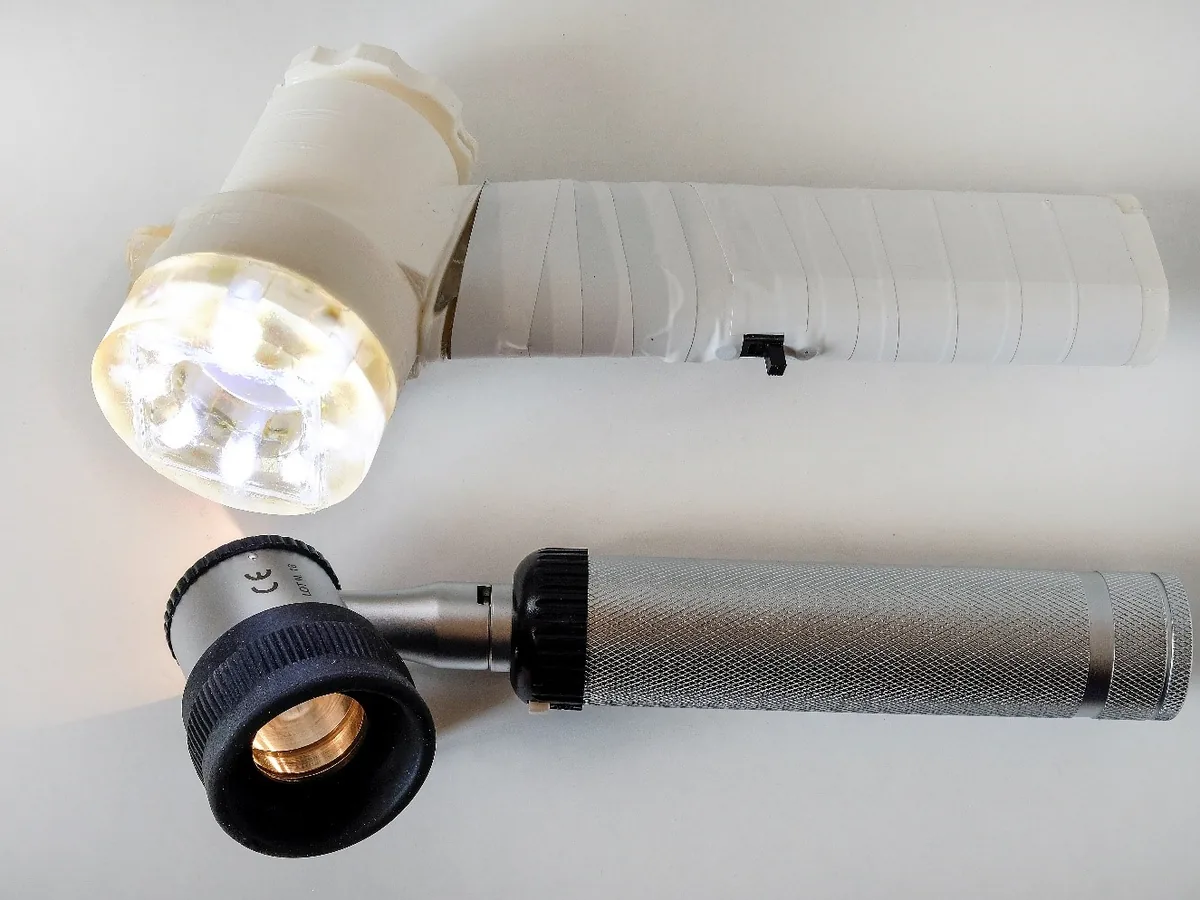
A dermatoscope is a hand-held magnifier with its own light, and when it is used on the scalp the technique is called trichoscopy. It lets the examiner see the hair shafts and the skin around them in close detail.
Searching "trichologist near me" returns a mix of qualified practitioners and salons that use the word loosely. A simple way to check:
Use the register search on the IOT website, which lists registrants by location and distance.
Look for the AIT, RIT or FIT letters and the Accredited Register quality mark.
Ask which organisation trained and registered the practitioner, and whether they carry indemnity insurance.
Be wary of anyone who promises a cure or sells a fixed product course before examining you.
Outside the UK, titles and training routes differ, so ask for the practitioner's credentials and what they may legally do in that country. If you are unsure, a GP can tell you which service to start with.
When Is a Trichologist the Right Choice?
A trichologist suits people who want a thorough look at the hair and scalp and the time to talk through lifestyle, products and styling habits. It can help with an itchy scalp, flaking, breakage or gradual thinning, and it works well alongside medical care. For a diagnosed condition such as scalp psoriasis, medical treatment comes from a doctor, and a trichologist can support scalp care around it. The scalp conditions library gives an overview of the common ones.
A trichologist is less suitable as the only step when the loss is sudden or patchy, when the scalp is painful, red or scarred, or when you have symptoms elsewhere in the body. In those cases see a doctor first.
Where Turkey Hair Center Fits In
Turkey Hair Center is a Ministry of Health authorized health-tourism intermediary, not a clinic. Its founder, Nazmi Güldeş, is a Certified Trichologist; you can read more on his author page and about the company on the about page. Procedures take place at authorized partner hospitals in Istanbul, and a transplant is only one option that the medical team looks at once the cause of the hair loss is understood.
Frequently Asked Questions
What Is a Trichologist?
A trichologist is a practitioner who specializes in the hair and scalp. They assess and treat hair loss, scalp conditions and hair shaft problems, and refer to a doctor when medical investigation or prescription medicine is needed.
Is a Trichologist a Real Doctor?
Usually not. The Institute of Trichologists states that trichologists are not medically qualified, although they receive clinical training specific to the hair and scalp. A few members hold a separate medical qualification.
Can a Trichologist Prescribe Medicine?
Generally no. Where blood tests, biopsies or prescription medication are needed, registered trichologists refer you to a medical professional such as a GP or dermatologist.
Should I See a Trichologist or a Dermatologist?
A dermatologist is a physician for the skin, hair and nails and is the right choice for suspected scalp disease or scarring hair loss. A trichologist offers a longer, hair-focused assessment. Many people start with a GP, as NHS advice suggests.
How Much Does a Trichologist Cost?
It depends on the clinic. The IOT says fees vary by location because registrants run independent clinics, so contact the practitioner to ask about the initial consultation and any treatments, which are usually charged separately.
How Long Is a First Appointment?
The IOT says an initial consultation often takes about an hour, which allows a detailed history and a full examination of the hair and scalp.
How Do I Know a Trichologist Is Qualified?
Check the register of a recognised body, such as the IOT's UK register, look for AIT, RIT or FIT after the name and ask about indemnity insurance and continuing training.
Not Sure What Is Behind Your Hair Loss?
If your hair is thinning and you want to know whether a transplant could help, send clear photos of your hairline and crown for a free hair analysis. The medical team will tell you what they can see and what the next step could be. Turkey Hair Center is a Ministry of Health authorized health-tourism intermediary; procedures take place at authorized partner hospitals.
Medical disclaimer: This article is for informational purposes only and is not medical advice. Individual results and recovery vary from person to person. Always follow the written aftercare plan from your own medical team.
Trüeb RM, et al. Trichologist, Dermatotrichologist, or Trichiatrist? A Global Perspective on a Strictly Medical Discipline. Skin Appendage Disord. 2018;4(4):202-207. PubMed Central
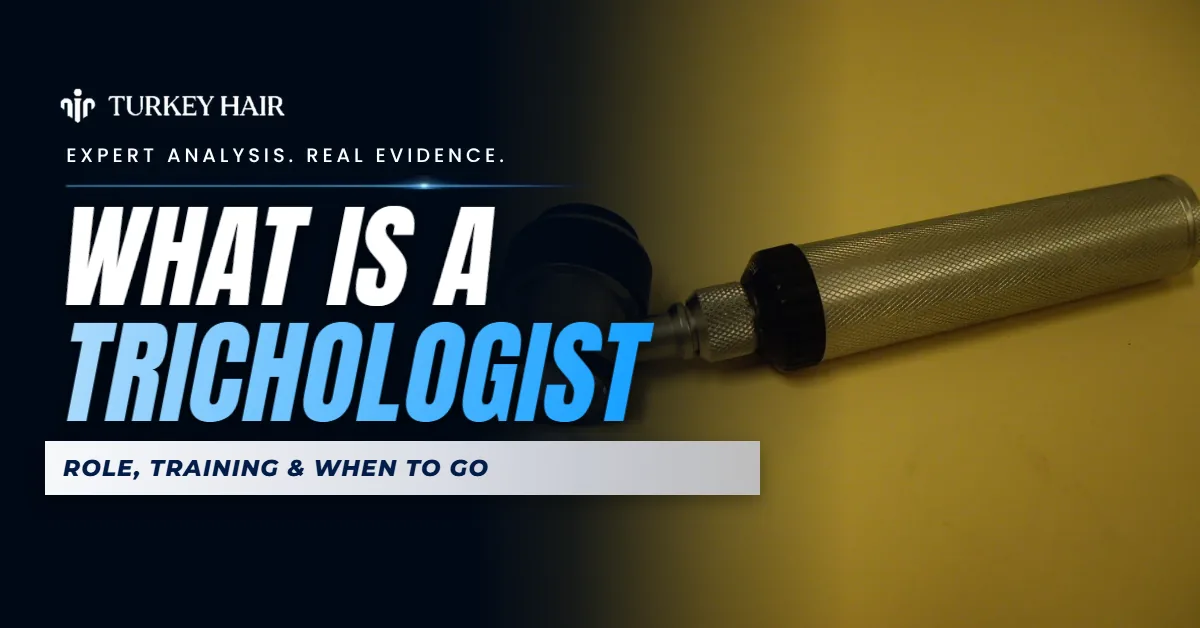
Frank33 Dermatoscope1.JPG (cropped, text and logo added), CC BY-SA 3.0 Wikimedia Commons
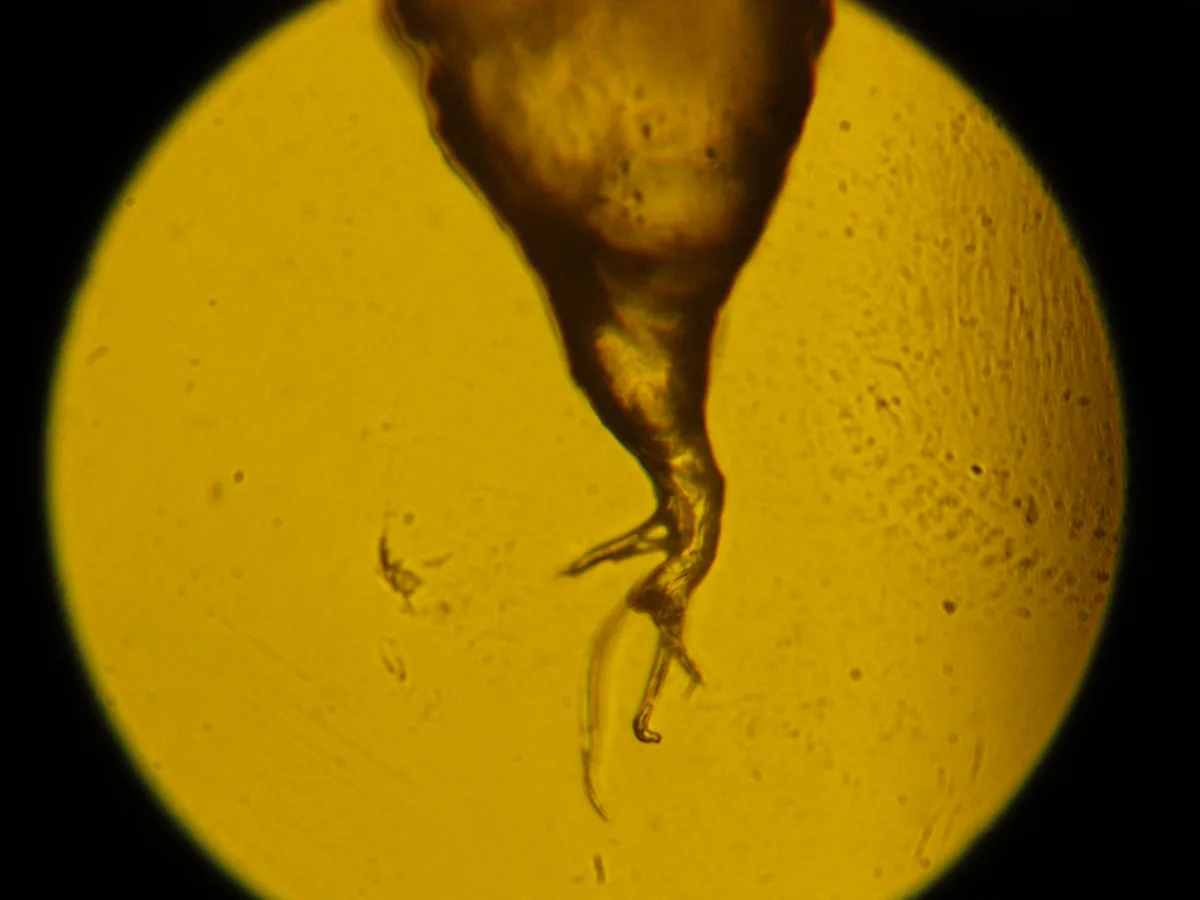
Juan de Vojníkov Human hair root03.jpg (cropped), CC BY-SA 4.0 Wikimedia Commons
Capobussi Dermatoscope Prototype.jpg (cropped), CC BY-SA 4.0 Wikimedia Commons
Send three photos: front, top and sides. You get a technique recommendation, a graft range and a straight answer about what is achievable, before anyone talks about price.
Your details are with the team
A patient coordinator will get back to you shortly. If you would like to send your photos now, WhatsApp is the fastest way to do it.